Professional and high-quality metal alloys, ceramic products and concrete additives | RBOSCHCO

In the world of sophisticated ceramics, Silicon Carbide (SiC) and Silicon Nitride (Si3N4) are one of the most widely used materials due to their outstanding mechanical properties, high-temperature resistance, and varied applications in industries such as aerospace, vehicle, and electronics. While both products have similarities in terms of their efficiency and durability, they also exhibit unique characteristics that make them appropriate for different commercial requirements. In this short article, we’ll contrast Silicon Carbide Ceramic and Silicon Nitride, focusing on their product properties, manufacturing processes, and essential applications.
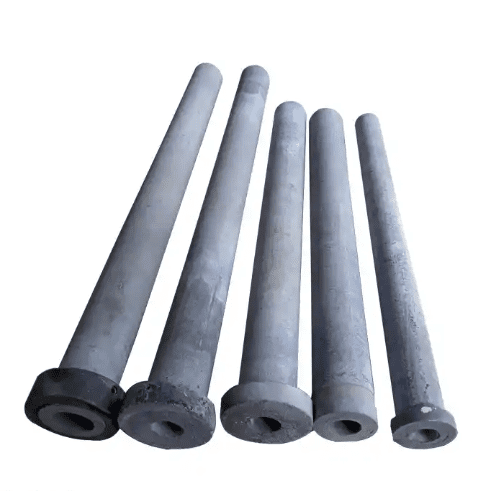
Material Properties of Silicon Carbide Ceramic and Silicon Nitride
Solidity and Stamina
Silicon Carbide (SiC) is renowned for its extreme firmness and high-strength residential or commercial properties, making it an excellent choice for applications requiring wear resistance. SiC has a Mohs hardness of 9.0, which is second only to diamond. This makes Silicon Carbide Ceramic perfect for elements that endure high friction and mechanical stress and anxiety, such as bearings, nozzles, and armour-piercing materials.On the other hand, Silicon Nitride (Si3N4) is likewise understood for its outstanding firmness and stamina, but it provides remarkable fracture toughness. While SiC is very difficult, Si3N4’s ability to resist cracking under stress makes it a better product for applications where sturdiness and reliability are essential in challenging atmospheres
Thermal Conductivity and Security
Silicon Carbide has excellent thermal conductivity, making it a recommended material in high-temperature applications such as heater linings and warmth exchangers. SiC can withstand temperature levels as high as 1600 ° C without substantial degradation of its mechanical properties, making it a necessary material for industries that call for thermal stability.Silicon Nitride, while not as thermally conductive as SiC, has exceptional thermal shock resistance. This makes Silicon Nitride Ceramics particularly valuable in applications where fast temperature adjustments are a concern, such as engine parts and turbine blades. In addition, Si3N4 keeps its stamina and integrity at temperature levels approximately 1200 ° C, making it highly reliable in high-stress environments.
| Property | Unit | Value |
| Silicon Carbide Content | % | 98.5 – 99% |
| Max. Continuous Use Temp (Air) | °C | 1650 |
| Density | g/cm³ | ≥ 2.7 |
| Porosity | % | ~15 |
| Flexural Strength | MPa | 80 – 100 (20°C) |
| MPa | 90 – 110 (1200°C) | |
| Elastic Modulus | GPa | 280 (20°C) |
| Thermal Conductivity | W/m·K | 100 (20°C) |
| W/m·K | 35 (1200°C) | |
| Coefficient of Thermal Expansion | K⁻¹ x10⁻⁶ | 4.6 |
Deterioration Resistance
When it comes to corrosion resistance, Silicon Carbide Ceramic stands out. SiC shows exceptional resistance to chemical corrosion, even in harsh environments such as acidic or basic conditions. This makes it an ideal choice for components used in chemical processing and other aggressive environments.On the other hand, while Silicon Nitride is very resistant to oxidation and wear, it might not offer the same level of protection against chemical strikes. However, its exceptional mechanical strength frequently compensates for this constraint in applications where mechanical failing is a greater problem than chemical deterioration.
Production Processes: Silicon Carbide Porcelain vs. Silicon Nitride
The production processes for Silicon Carbide and Silicon Nitride differ considerably, which influences the final properties of the materials.
Silicon Carbide Ceramic Manufacturing
Silicon Carbide Ceramics are commonly created with either a sintering or a chemical vapour deposition (CVD) process. Sintering involves heating SiC powder to a temperature level simply below its melting point to develop a dense, resilient ceramic material. This procedure can be enhanced with the use of additives like boron, which aids in improving the sintering attributes.
In CVD, SiC forms when a thin layer deposits onto a substrate at high temperatures. This process is used for high-performance components, such as semiconductor wafers, where precise control of material properties is key.
Silicon Nitride Production
The manufacturing of Silicon Nitride normally entails response bonding, where silicon powder is reacted with nitrogen at high temperatures to form a solid Si3N4 structure. This technique causes a product with high durability and strength, ideal for durable mechanical applications.Another method for making Si3N4 is hot pressing. High pressure and temperature combine to form dense, fine-grained material. This process is ideal for products like cutting tools and engine parts.
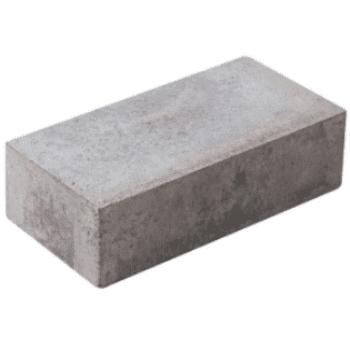
Key Applications of Silicon Carbide Ceramic and Silicon Nitride
Both Silicon Carbide and Silicon Nitride have a wide variety of industrial applications; their unique properties make them appropriate for different requirements.
Silicon Carbide Porcelain Applications
Aerospace and Protection: As a result of its high firmness, Silicon Carbide Ceramic is widely utilized in aerospace applications for elements like jet engine nozzles, projectile systems, and ballistic armour.
Semiconductors: SiC is important for high-power and high-frequency devices. It delivers strong performance in power electronics.
Mechanical Components: Elements like bearings, seals, and wear-resistant components benefit from the extraordinary hardness and use resistance of SiC.
Silicon Nitride Applications
Automotive and Aerospace: Silicon Nitride is used for engine parts, bearings, and turbocharger blades. Its toughness and resistance to thermal shock are key in these uses.
Cutting Tools: Si3N4’s crack resistance and hardness make it suitable for cutting tools that must withstand high stress and wear.
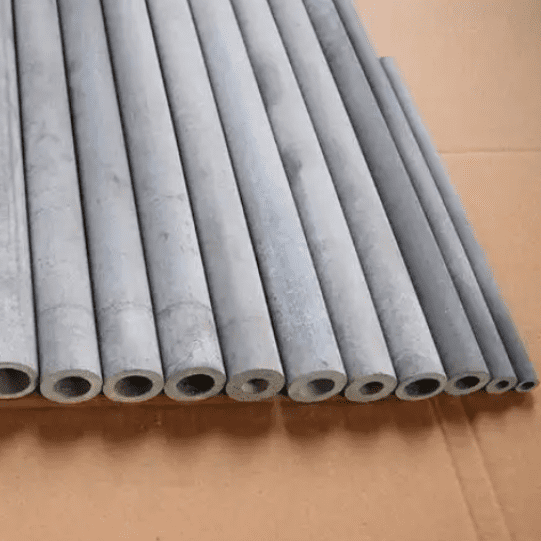
Energy and Power Generation: Si3N4 handles high temperatures and stress well. This makes it ideal for turbine blades, heat exchangers, and other power generation components.
Performance Comparison: Which is Better for Your Application?
Choosing between Silicon Carbide Ceramics and Silicon Nitride depends on your specific needs. If you need a material to handle high temperatures and resist wear, Silicon Carbide Porcelain may be best. Its hardness and thermal conductivity fit applications that need both strength and heat resistance.If your application needs high fracture toughness and thermal shock resistance, Silicon Nitride is likely the better choice. It performs well in quickly changing temperatures and has high mechanical strength, making it ideal for demanding industrial uses.
Additional Applications
Beyond the primary applications described above, both materials find use in several emerging and specialized fields:
Medical and Biotechnology: Si₃N₄ is being explored for orthopedic implants—particularly spinal fusion cages and hip replacements—due to its excellent biocompatibility, high strength, and antimicrobial surface properties. Its radiolucency (transparency to X-rays) allows for better post-operative imaging compared to metal implants. SiC, on the other hand, is used in dialysis equipment and blood processing systems due to its thrombo-resistant properties and chemical inertness.
Electronics and Thermal Management: The high thermal conductivity and electrical insulation properties of Si₃N₄ (in its amorphous or non-conductive phases) make it an ideal substrate material for power modules, where it provides both effective heat dissipation and electrical isolation. SiC coatings are increasingly used as protective layers for sensitive electronic components operating in high-temperature or corrosive environments, such as downhole drilling sensors and aerospace avionics.
Additive Manufacturing and 3D Printing: Both SiC and Si₃N₄ are becoming available in powder form for additive manufacturing processes such as binder jetting, stereolithography (SLA), and selective laser sintering (SLS). These techniques are expanding the design possibilities for complex ceramic components, enabling rapid prototyping of custom parts and reducing lead times for specialized applications.
Automotive Brake Systems: SiC-reinforced carbon-ceramic brake discs, commonly found in high-performance sports cars and racing vehicles, offer superior fade resistance, reduced weight (up to 50% lighter than cast iron discs), and significantly longer service life—often exceeding the lifetime of the vehicle itself.
Performance Comparison: Which is Better for Your Application?
Choosing between Silicon Carbide Ceramics and Silicon Nitride depends on your specific needs. If you need a material to handle high temperatures and resist wear, Silicon Carbide may be best. Its hardness and thermal conductivity fit applications that need both strength and heat resistance.
If your application needs high fracture toughness and thermal shock resistance, Silicon Nitride is likely the better choice. It performs well in rapidly changing temperatures and has high mechanical strength, making it ideal for demanding industrial uses.
The following general guidelines can assist in material selection:
Choose Silicon Carbide (SiC) when:
- Maximum operating temperature exceeds 1200°C
- Extreme hardness and wear resistance are the primary requirements
- High thermal conductivity is needed for heat dissipation
- Chemical corrosion resistance is critical
- The application involves static or slowly changing thermal conditions
- Semiconductor or electronic properties are required
Choose Silicon Nitride (Si₃N₄) when:
- Thermal shock resistance is essential (rapid heating/cooling cycles)
- Fracture toughness and impact resistance are critical
- Mechanical reliability under cyclic or dynamic loads is required
- The application involves rotating machinery or moving components
- Operation temperature is below 1200°C
- Higher Weibull modulus and component-to-component consistency are needed
For applications where both high-temperature strength and exceptional fracture resistance are required, advanced composite materials combining both SiC and Si₃N₄—such as SiC/Si₃N₄ matrix composites—are increasingly becoming available to meet these demanding performance requirements. Manufacturers should work closely with material suppliers to perform application-specific testing and validation.
Supplier
RBOSCHCO is a trusted global Silicon Carbide ceramic,supplier & manufacturer with over 12 years experience in providing super high-quality chemicals and Nanomaterials. The company export to many countries, such as USA, Canada, Europe, UAE, South Africa,Tanzania,Kenya,Egypt,Nigeria,Cameroon,Uganda,Turkey,Mexico,Azerbaijan,Belgium,Cyprus,Czech Republic, Brazil, Chile, Argentina, Dubai, Japan, Korea, Vietnam, Thailand, Malaysia, Indonesia, Australia,Germany, France, Italy, Portugal etc. As a leading nanotechnology development manufacturer, RBOSCHCO dominates the market. Our professional work team provides perfect solutions to help improve the efficiency of various industries, create value, and easily cope with various challenges. If you are looking for Silicon Carbide ceramic, please feel free to contact us.
Tags:silicon carbide,silicon carbide ceramic,silicon carbide rod
RELATED POSTS

Adjustable Temperature Soldering Iron Heater: The Ultimate Guide to Precision, Efficiency, and Durability
Global Surge: Titanium Nanoparticles Redefine Industrial Frontiers Amid Green Energy Revolution!
Cost Analysis of High-Purity MAX Phase Ti2AlC Powder: How Do Purity and Particle Size Affect Its Price?
Sulfide Powder Smell? No, the Real Problem Is Something Else Entirely
How Concrete Fibers Prevent Cracks and Increase Durability
