Professional and high-quality metal alloys, ceramic products and concrete additives | RBOSCHCO

Aerogel Insulation

Aerogel Thermal Insulation Coating Applied for Building External Walls
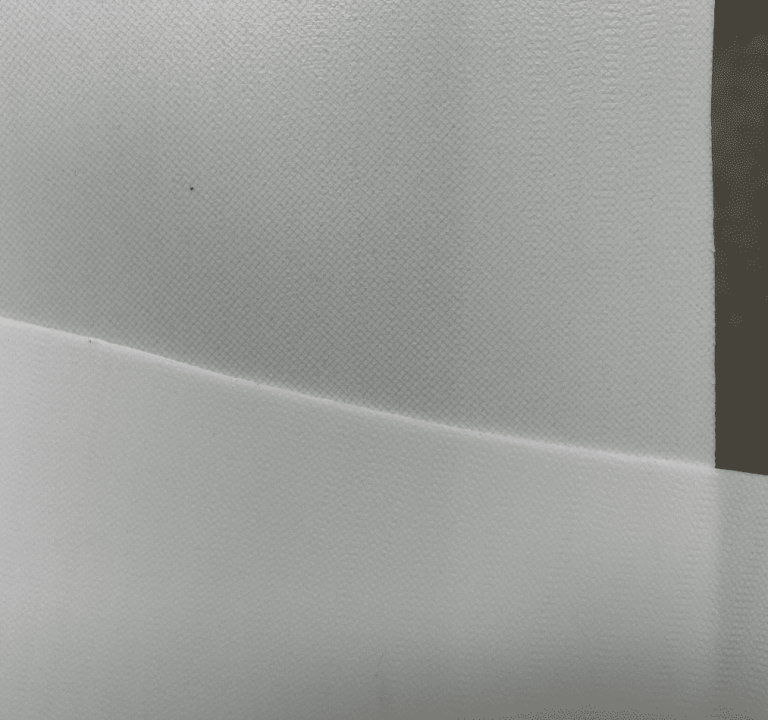
Nano Ultra Thin Aerogel Thermal Insulation Film for Electronic Components
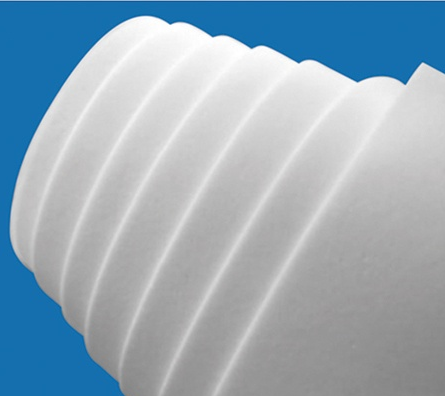
Nano Aerogel Insulation Sponge Industrial Design 10mm Thick Silica Insulation
Overview of Aerogel Insulation Material
Aerogel is an ultra-light solid material with a nanoporous structure. It is called "solid air" or "frozen smoke" for its excellent thermal insulation performance. It is made by removing the liquid from the gel through special drying technology (such as supercritical drying), retaining the original three-dimensional network structure, with a porosity of up to 80%~99.8%, and a density as low as 3 times that of air. Depending on the application, aerogel is available in various forms including silica aerogel blanket, aerogel tile, aerogel block, aerogel granules, and aerogel tape.


Thermal Insulation Principle and Features of Aerogel Insulation Material
Nanoporous structure: The pore size of aerogel is extremely small (1–100 nanometers), and air molecules are effectively confined within the nanopores, which significantly suppresses gaseous convection — the dominant mode of heat transfer at ambient pressure.
Low solid-state thermal conduction: The solid skeleton consists of nanoparticles or fibrous networks, creating an extremely long and tortuous heat conduction path. As a result, the thermal conductivity is exceptionally low, reaching 0.013–0.025 W/(m·K) at room temperature — far superior to traditional insulation materials such as mineral wool or polyurethane foam.
Infrared radiation blocking: For high-temperature applications, certain aerogels (e.g., silica aerogel) can be doped with opacifiers such as carbon black or titanium dioxide, which effectively absorb and scatter infrared radiation, reducing radiative heat transfer at elevated temperatures.

Applications of Aerogel Insulation Material
Building Energy Saving: Used as transparent aerogel glazing for daylighting, curtain wall insulation, and roof thermal breaks. Aerogel tile and aerogel block provide rigid, dimensionally stable panels for exterior wall systems and cold storage enclosures, while aerogel granules serve as translucent fillers in polycarbonate panels and skylights, combining thermal insulation with natural light transmission.
Industrial Pipelines & Equipment: High-temperature pipeline insulation in petrochemical, power generation, and refining industries. Silica aerogel blanket is the industry standard for wrapping steam lines, furnace tubes, and reactor vessels, offering exceptional flexibility, ease of installation, and reliable performance at continuous operating temperatures up to 650°C. For maintenance and retrofit projects, aerogel blanket price has become increasingly competitive as manufacturing scales up.
Aerospace: Spacecraft thermal protection systems, cryogenic propellant tanks, and rover instruments. The ultra-low density (as low as 3 kg/m³) provides maximum thermal protection with negligible mass penalty, a critical advantage for launch vehicles and deep-space probes. Both aerogel blanket and rigid aerogel block forms are used in satellite multilayer insulation (MLI) assemblies and re-entry vehicle heat shields.
New Energy & Electronics: Lithium-ion battery thermal runaway barriers, module-to-module firewalls, and sensor insulation in power electronics. Silica aerogel blanket is increasingly adopted as a compression-pad thermal barrier between battery cells, effectively preventing cascading thermal propagation. For localized hot spots and wire harness protection, aerogel tape offers a thin, flexible, and easy-to-apply insulation solution without adding significant bulk.
Shipbuilding & Marine Engineering: Fire-rated insulation for cabin bulkheads, decking, and cryogenic LNG carrier tank support systems. Waterproof aerogel blankets, with hydrophobic treatment (contact angle >150°), maintain stable thermal performance in high-humidity and salt-spray environments, outperforming traditional mineral wool which tends to absorb moisture and lose insulating value over time.
Cryogenic & Low-Temperature Applications: Insulation for LNG storage tanks, liquid nitrogen transfer lines, and cold-box equipment in air separation units. Aerogel granules are particularly suitable for filling annular spaces in double-walled cryogenic vessels, where their nanoporous structure minimizes both conductive and convective heat leaks at extremely low temperatures.

Company Profile
Rboschco is one of the brands under Luoyang Tongrun Nano Technology Co. Ltd. (TRUNNANO) is a trusted global chemical material supplier & manufacturer with over 12-year-experience in providing super high-quality chemicals and nanomaterials, including boride powder, nitride powder, graphite powder, sulfide powder, 3D printing powder, etc.
The company has a professional technical department and Quality Supervision Department, a well-equipped laboratory, and equipped with advanced testing equipment and after-sales customer service center.
If you are looking for high-quality Aerogel Material, please feel free to contact us or click on the needed products to send an inquiry.
Payment
T/T, Western Union, Paypal, Credit Card etc.
Shipment
By air, by sea, by express, as customers request.
FAQs of Aerogel Insulation Materials
Q: Why is the thermal insulation performance of aerogel so good?
A: Its nanoporous structure (porosity >90%, pore size 1–100 nm) effectively suppresses all three heat transfer mechanisms — gaseous convection (air molecules trapped), solid conduction (tortuous path through nanoparticles), and radiation (opacifier doping). The thermal conductivity is as low as 0.013 W/(m·K), outperforming traditional insulation by a factor of 2–5. This fundamental advantage applies across all product forms, whether you choose silica aerogel blanket, rigid aerogel tile, or loose aerogel granules.
Q: Is aerogel resistant to high temperatures?
A: Inorganic silica aerogels are thermally stable up to 650°C in air, and up to 1000°C in inert atmospheres. Metal-oxide aerogels (e.g., alumina, zirconia) can reach 1000–1200°C, while carbon aerogels withstand up to 2000°C in non-oxidizing environments. Our silica aerogel blanket is specifically engineered for sustained high-temperature service in industrial furnaces, exhaust systems, and refinery pipelines.
Q: Is aerogel easy to break?
A: Pure aerogels are inherently brittle due to their high porosity (>90%). However, commercial products are almost always reinforced with glass fibers, ceramic fibers, or flexible polymer binders, resulting in durable, flexible, and tear-resistant forms such as silica aerogel blanket, rigid aerogel block, and machineable aerogel tile. These composites are designed for real-world handling and installation, not laboratory fragility.
Q: Is aerogel waterproof?
A: Standard hydrophilic aerogels can absorb moisture, which degrades thermal performance. After silane-based hydrophobic modification, aerogels become superhydrophobic with a contact angle >150°. Our waterproof aerogel products are specifically formulated for marine environments, underground utilities, and outdoor cryogenic applications where moisture ingress is a primary concern.
Q: Why are aerogels expensive?
A: The primary cost driver is the supercritical drying step, which requires high-pressure vessels and specialized solvents. However, continuous manufacturing advancements — including ambient pressure drying (APD) and precursor cost reduction — are steadily lowering production costs. For large-volume projects, aerogel blanket price has decreased significantly over the past five years, making aerogel insulation increasingly cost-effective for mainstream industrial adoption.
Q: Can aerogel be cut, machined, or customized on-site?
A: Yes. Silica aerogel blanket can be easily cut with standard utility knives or scissors to fit pipes, flanges, and irregular contours. Rigid aerogel tile and aerogel block can be machined with carbide tooling to precise dimensions. For tight spots and complex geometries, aerogel tape provides a thin, flexible, self-adhesive option for wrapping wires, sensors, and small-diameter tubing without requiring special tools.
Q: Does aerogel pose any health or safety risks?
A: Silica aerogel is composed of amorphous silicon dioxide, which is chemically inert and non-toxic. However, handling raw aerogel powders or granules may generate nuisance dust, so standard PPE (dust masks, goggles, gloves) is recommended during installation. Once encapsulated in blankets, tiles, or blocks, the material poses no health risk and is safe for routine handling in industrial and construction settings.