Professional and high-quality metal alloys, ceramic products and concrete additives | RBOSCHCO



PRODUCT PARAMETERS
Description
Overview of Lithium Carbonate (Li₂CO₃) Powder
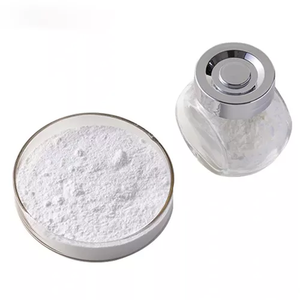
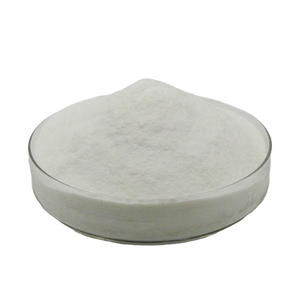
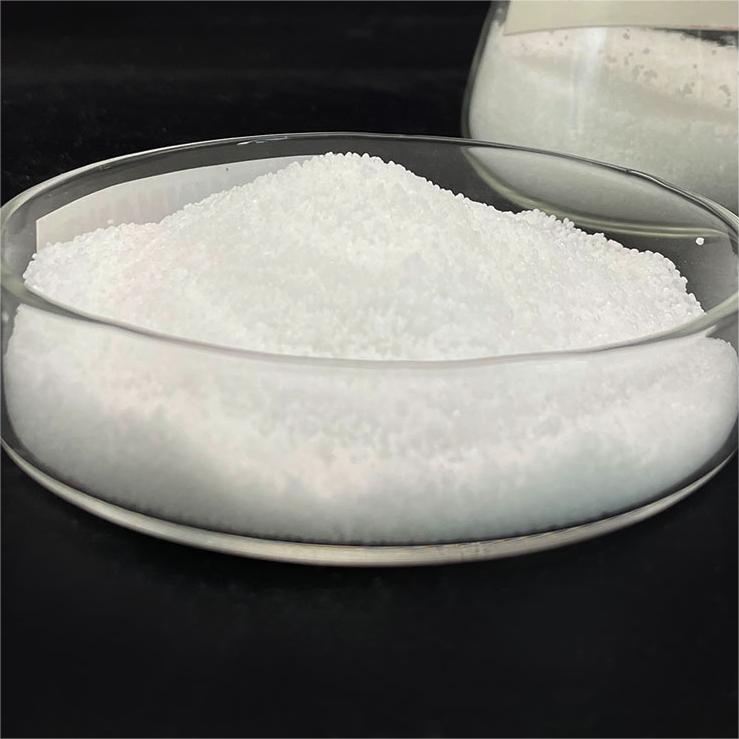
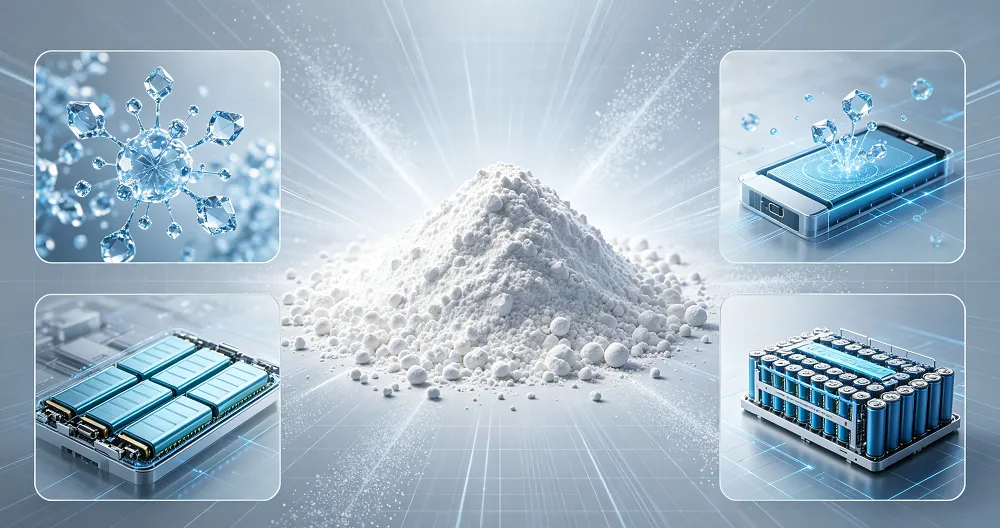
Battery Grade Lithium Carbonate (chemical formula: Li₂CO₃, molecular weight: 73.89 g/mol) is a critically important basic lithium salt material, appearing as a white, odorless, fine, and free-flowing powder. Its crystal structure belongs to the monoclinic system, featuring a layered stacking lattice configuration that endows it with excellent ion-exchange capacity and a relatively low melting point (approximately 723°C).
At the microscopic level, this product is manufactured through a precise crystallization control process, forming dense primary particles and secondary agglomerates with a tightly controlled particle size distribution. This unique micromorphology gives rise to two core physical characteristics:
- High Specific Surface Area and Superior Dispersibility: With a mean particle size (D50) controlled at 6.0 μm, the powder ensures rapid and uniform dispersion in non-aqueous organic solvents (e.g., NMP), forming a stable solid-liquid suspension slurry with low sedimentation. This is essential for achieving ultra-thin, crack-free coating on current collectors during subsequent electrode fabrication.
- Low Hygroscopicity and Excellent Thermal Stability: Due to the relatively low lattice energy of Li₂CO₃ and rigorous drying processes, its surface exhibits minimal adsorption of polar water molecules (moisture ≤ 0.12%). During battery manufacturing, this effectively prevents gelation of PVDF binders caused by water molecule attack, while simultaneously avoiding unwanted side reactions during the high-temperature calcination synthesis of cathode materials.
As the core lithium source for lithium-ion battery cathode materials, the chemical purity of this product (99.68%) fundamentally determines the electrochemical activity and structural stability of the final active cathode material. The ultra-low impurity levels—especially regarding transition metals such as Fe, Cu, and Pb—ensure that batteries do not suffer from internal micro-short circuits or elevated self-discharge rates caused by impurities during charge/discharge cycling. This provides a robust material foundation for high-voltage, high-energy-density battery systems.
Features and Advantages of Lithium Carbonate (Li₂CO₃) Powder
Based on the aforementioned microscopic chemical and physical structures, this product offers the following in-depth technical advantages:
- Ultimate Electrochemical Activity Derived from Lattice Purity: With a primary content as high as 99.68%, lithium ions exhibit highly ordered occupancy within the crystal lattice of layered oxides (e.g., high-nickel NCM) or olivine structures (e.g., LFP). This directly translates into improved first-cycle Coulombic efficiency and reversible specific capacity, while minimizing irreversible capacity losses caused by lithium vacancies or impurity phases.
- Enhanced Safety Enabled by Ultra-Low Magnetic Substances (31 ppb): Magnetic foreign particles (primarily Fe, Ni, Zn metals or their oxides) are considered the “number one killer” in the battery industry. Our product maintains magnetic substance levels far below industry standards—at just 31 ppb. This significantly reduces the risk of separator puncture leading to thermal runaway, and more importantly, prevents magnetic particles from inducing lithium dendrite formation on the anode surface, thereby substantially improving cycle life and successful pass rates in safety tests such as nail penetration and crush tests.
- Process Adaptability from Precise Particle Size Distribution (D10=2 μm, D50=6 μm, D90=13 μm):
- Narrow Distribution (low Span value): Ensures that solid particles exhibit a uniform settling rate during cathode slurry preparation, resulting in homogeneous solid content and viscosity. This prevents coating defects such as “tailing” or “scratches” on the electrode surface.
- Optimal D50 Value: Strikes an ideal balance—providing sufficient specific surface area for rapid lithium-ion intercalation/deintercalation (enhancing rate capability), while avoiding the severe agglomeration issues associated with overly fine powders (<1 μm) during mixing. This achieves an optimal trade-off between processability and electrochemical performance.
- Strict Control of Anionic Impurities (SO₄²⁻ 0.0416%, Cl⁻ 0.0015%): Sulfur and chlorine, if residual, tend to segregate at grain boundaries of cathode materials during high-temperature sintering, hindering lithium-ion transport. The extremely low residual values ensure the crystallographic purity of the cathode material, effectively reducing the charge-transfer impedance (Rct) at the electrode/electrolyte interface, especially under high compaction densities.
Applications of Lithium Carbonate (Li₂CO₃) Powder
Leveraging the above outstanding physicochemical properties, this product is widely adopted across the following high-end application fields:
1. New Energy Vehicle (EV/HEV) Power Batteries:
- Synthesis of High-Nickel Ternary Cathode Precursors (NCM811/NCA): Used as the lithium source in high-temperature solid-state reactions with Ni, Co, and Mn hydroxide precursors. The precise lithium stoichiometry and high purity directly determine the degree of Li/Ni cationic mixing in the final cathode material. Low cation mixing is the key to ensuring structural integrity of high-nickel materials at voltages above 4.3V, enabling long-term cycling (>2000 cycles) and enhanced safety.
- Carbon-Coating Modification of Lithium Iron Phosphate (LFP) Cathodes: During LFP synthesis, the nanoscale particle size of this product ensures uniform mixing with iron sources, phosphorus sources, and carbon precursors, promoting complete solid-state reactions. This guarantees that the resulting LFP exhibits a well-ordered olivine structure, providing a stable 3.4V discharge plateau and excellent low-temperature (-20°C) discharge performance.
2. Advanced Energy Storage Systems (ESS) and Consumer Electronics:
- High-Capacity ESS Battery Cells: Used in the manufacture of long-life, high-safety prismatic or large-format cylindrical batteries. The extremely low impurity content ensures exceptional capacity retention (annual decay rate < 2%) during prolonged floating charge conditions.
- Small High-Rate Pouch Cells: Suitable for smartphones and drones. The outstanding dispersibility enables high-areal-density coating on ultra-thin current collectors (<8 μm), achieving ultra-high volumetric energy density (>700 Wh/L) within limited cell volumes.
3. High-End Fine Chemicals and Emerging Advanced Materials:
- Raw Material for Solid-State Electrolytes: Serves as a precursor for synthesizing sulfide/oxide solid electrolytes such as LiPON and Li₃PS₄. The exceptionally high chemical purity is a prerequisite for constructing dense, low-electronic-conductivity solid electrolyte layers.
- Specialty Glass and Ceramics: Utilized for its fluxing properties at high temperatures to produce low-expansion lithium-aluminosilicate (LAS) glass and optical-grade lithium niobate (LiNbO₃) single crystals, which are applied in precision optical instruments and 5G RF filters.
- Lubricants: Used as an additive in lithium-based greases. Its fine powder structure ensures homogeneous dispersion in base oils, yielding high-dropping-point, high-temperature-resistant lubricating media suitable for extreme operating conditions in demanding industries.
4. Applied in Concrete: Surface Hardening and Densification
The primary role of lithium silicate in concrete is as a “surface hardener” or “densifier”. It is typically applied as an aqueous solution (also known as lithium water glass) by brushing or spraying onto the concrete surface. Its mechanism of action is as follows:
- Deep Penetration: The molecular size of lithium silicate solution is smaller than that of traditional sodium silicate (water glass), allowing it to penetrate more deeply into the capillary pores and micro-cracks of the concrete.
- Chemical Reaction: Upon penetration, lithium silicate reacts with calcium hydroxide—a byproduct of cement hydration—to form a water-insoluble calcium silicate hydrate (C-S-H) gel. This reaction is the core of the mechanism.
- Pore Blocking: The resulting insoluble gel fills the micro-pores and cracks within the concrete’s surface layer, making it denser and effectively preventing the ingress of water, oils, and other corrosive agents.
Parameters Table of Lithium Carbonate (Li₂CO₃) Powder
The following specifications are verified by the Certificate of Analysis (COA).
| Test Item | Unit | Specification | Test Result | Verdict |
|---|---|---|---|---|
| Li₂CO₃ | % | ≥99.5 | 99.68 | Pass |
| Na | % | ≤0.025 | 0.0062 | Pass |
| Mg | % | ≤0.008 | 0.0002 | Pass |
| Ca | % | ≤0.008 | 0.0016 | Pass |
| K | % | ≤0.005 | <0.0001 | Pass |
| Fe | % | ≤0.001 | <0.0001 | Pass |
| Zn | % | ≤0.0003 | <0.0001 | Pass |
| Cu | % | ≤0.0003 | <0.0001 | Pass |
| Pb | % | ≤0.0003 | <0.0001 | Pass |
| Si | % | ≤0.003 | 0.0002 | Pass |
| Al | % | ≤0.001 | <0.0001 | Pass |
| Mn | % | ≤0.0003 | <0.0001 | Pass |
| Ni | % | ≤0.001 | <0.0001 | Pass |
| B | % | ≤0.005 | <0.0001 | Pass |
| SO₄²⁻ | % | ≤0.08 | 0.0416 | Pass |
| Cl | % | ≤0.005 | 0.0015 | Pass |
| F | % | ≤0.015 | 0.0010 | Pass |
| Loss on Ignition | % | ≤0.5 | 0.15 | Pass |
| Magnetic Substance | ppb | ≤300 | 31 | Pass |
| Moisture | % | ≤0.25 | 0.12 | Pass |
| Particle Size | D10 (μm) | ≥1 | 2 | Pass |
| D50 (μm) | 5.5±2.5 | 6 | Pass | |
| D90 (μm) | 12±3 | 13 | Pass | |
| Appearance | – | White powder, no visible foreign matter | Conforms | Pass |
| Reference Standard | – | Test method: YS/T 582-2023 | – | – |
| Conclusion | – | Qualified | Yes | – |
Company Profile
Rboschco is a trusted global chemical material supplier & manufacturer with over 12-year-experience in providing super high-quality chemicals and nanomaterials, including boride powder, nitride powder, graphite powder, sulfide powder, 3D printing powder, etc.
The company has a professional technical department and Quality Supervision Department, a well-equipped laboratory, and equipped with advanced testing equipment and after-sales customer service center.
If you are looking for high-quality Battery Materials, please feel free to contact us or click on the needed products to send an inquiry.
Payment Term
L/C, T/T, Western Union, Paypal, Credit Card etc.
Shipment Term
By sea, by air, by express, as customers request.
5 FAQs of Lithium Carbonate
1. What is the minimum order quantity (MOQ)?
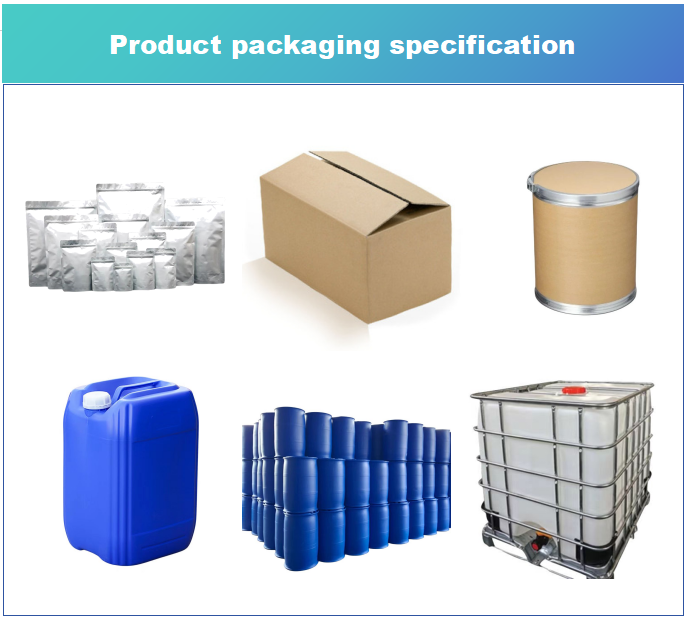
We support flexible orders ranging from sample sizes (1 kg) for testing to full container loads (25 kg/bag or 1-ton jumbo bags) for mass production.
2. How is the product packaged to prevent contamination?
The powder is double-sealed in moisture-proof PE inner bags and reinforced outer woven bags, vacuum-packed or with inert gas purging to maintain purity and minimize moisture absorption.
3. What is the shelf life of this battery-grade lithium carbonate?
When stored in a cool, dry, and sealed environment away from acids and moisture, the shelf life is 24 months from the production date.
4. Are sample batches certified with the same standards as bulk orders?
Absolutely. Whether for sample or mass production, every shipment undergoes the same rigorous testing procedures and is accompanied by a complete COA.
5. How does the low magnetic substance content (31 ppb) benefit my battery?
Extremely low magnetic particles reduce the risk of internal micro-short circuits and thermal runaway, directly improving the safety and yield rate of your battery cells.
REQUEST A QUOTE
RELATED PRODUCTS
Cu-IND-009 Copper-Based O3-Type Layered Cathode – Cost-Effective Sodium-Ion Battery Positive Electrode
Nano Diamond Black Powder

Carbon-Coated Tin C@Sn Composite Anode – High-Capacity Sodium-Ion Battery Negative Electrode
Biomass-Derived Hard Carbon Anode Material for Sodium-Ion Batteries High Capacity Long Cycle Life
Boron Nitride Ceramic Gasket Hexagonal Boron Nitride Sealing Gasket