Professional and high-quality metal alloys, ceramic products and concrete additives | RBOSCHCO

In the era of rapid industrial upgrading, the demand for high-performance, durable, and cost-effective metal components is growing exponentially across aerospace, automotive, oil and gas, and other core industries. As a professional foreign trade market promoter, I have witnessed countless enterprises struggle to balance performance, weight, and cost when selecting materials for key structural parts. Today, I want to introduce a game-changing solution that has become the preferred material for global high-end manufacturing——Aluminum-Copper Alloy Forging. By comparing it with traditional forging materials such as pure aluminum, carbon steel, stainless steel, and other aluminum alloys, we will fully demonstrate its unique advantages and why it can help your business gain a competitive edge in the global market.
What is Aluminum-Copper Alloy Forging?
Aluminum-Copper Alloy Forging is a high-performance metal component formed by forging aluminum-copper master alloys under precise temperature and pressure control. The core of this material lies in its scientific alloy ratio: copper, as the main alloying element (usually accounting for 4.0% to 5.0%), forms intermetallic compounds (such as Al₂Cu) with aluminum, which significantly enhances the material’s mechanical properties through precipitation hardening. Through the forging process, the grain structure of the alloy is refined, internal defects such as pores and impurities are eliminated, and the grain flow is aligned with the shape of the component, further improving its strength, toughness, and fatigue resistance.
Unlike cast aluminum-copper alloys, forged products have no casting defects, and their mechanical properties are evenly distributed, making them suitable for harsh working environments such as high pressure, high temperature, and frequent load changes. Common grades of aluminum-copper alloy forgings include 2219, 2017, 2024, etc., each tailored to different industrial application scenarios, providing customized solutions for various high-demand components.
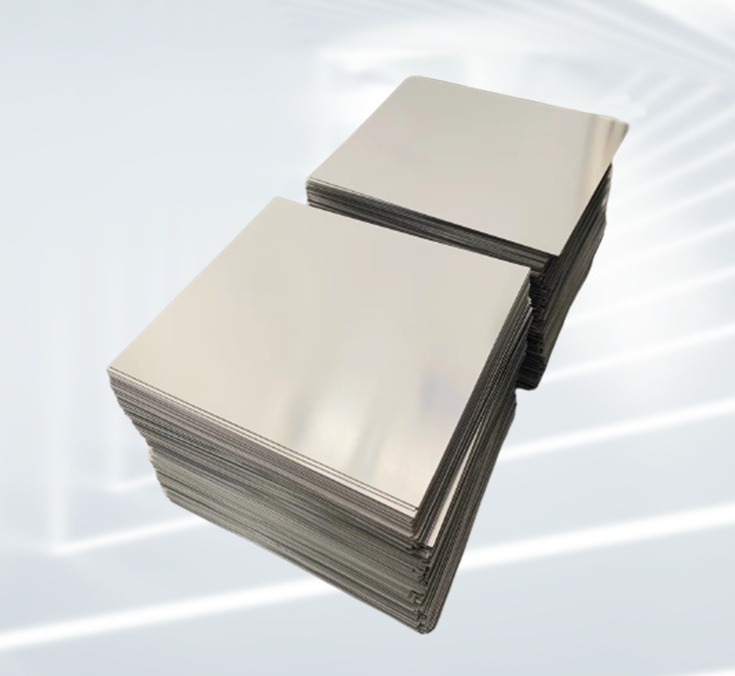
Aluminum-Copper Alloy Forging Comparison with Traditional Materials
To truly understand the value of Aluminum-Copper Alloy Forging, we conduct a detailed comparison with four types of traditional forging materials (pure aluminum forging, carbon steel forging, stainless steel forging, and aluminum-magnesium-silicon alloy forging) from six core dimensions: strength, weight, corrosion resistance, heat treatability, machinability, and cost-effectiveness. This comparison will help you clearly see why it stands out in the fierce market competition.
1. Strength Performance: Surpassing Pure Aluminum, Competing with Steel
Strength is the core requirement for structural components, and Aluminum-Copper Alloy Forging has obvious advantages in this regard. Pure aluminum forging has the advantages of light weight and good ductility, but its tensile strength is only 90-120 MPa, which is far from meeting the needs of high-load components. Carbon steel forging and stainless steel forging have high strength (tensile strength of carbon steel is 300-600 MPa, and that of stainless steel is 400-800 MPa), but they have the disadvantage of being heavy.
Aluminum-Copper Alloy Forging perfectly solves this contradiction. After solution treatment and aging, its tensile strength can reach 370-480 MPa (for 2219 grade), and some high-performance grades can even exceed 450 MPa, which is 3-4 times that of pure aluminum forging. Although its absolute strength is slightly lower than that of high-strength carbon steel and stainless steel, its strength-to-weight ratio is as high as 150-200 MPa/(g/cm³), which is 2-3 times that of carbon steel forging and 1.5-2 times that of stainless steel forging. This means that under the same strength requirement, components made of Aluminum-Copper Alloy Forging can reduce weight by 30%-50% compared with carbon steel components, greatly reducing the overall load of equipment and improving operational efficiency.
2. Weight Advantage: Lightweight Innovation, Reducing Operational Costs
In aerospace, automotive, high-speed rail, and other industries, lightweight is the core trend of technological upgrading, as it is directly related to energy conservation, emission reduction, and operational efficiency. The density of Aluminum-Copper Alloy Forging is only 2.8-2.9 g/cm³, which is about 1/3 of carbon steel and stainless steel (density 7.8-7.9 g/cm³) and slightly higher than pure aluminum (2.7 g/cm³) and aluminum-magnesium-silicon alloy (2.7-2.8 g/cm³).
However, compared with pure aluminum and aluminum-magnesium-silicon alloy, Aluminum-Copper Alloy Forging can achieve higher strength with a slightly higher density, avoiding the need to increase the volume of components to compensate for insufficient strength (which will eventually increase weight). Taking aerospace components as an example, the 2219 aluminum-copper alloy forging used in aircraft structures can reduce the weight of the component by 20%-30% compared with stainless steel forging while ensuring the same load-bearing capacity, thereby reducing aircraft fuel consumption by 5%-10% and significantly reducing long-term operational costs for airlines. In the automotive industry, using aluminum-copper alloy forged components for engine brackets, transmission shafts, and other parts can reduce vehicle weight by 10%-15%, helping automakers meet increasingly strict energy conservation and emission reduction standards.
3. Corrosion Resistance: Adapt to Harsh Environments, Extend Service Life
Many industrial components need to work in harsh environments such as humidity, high temperature, and chemical corrosion, so corrosion resistance is an important indicator of material durability. Pure aluminum forging has good corrosion resistance due to the formation of a natural oxide film on the surface, but its poor strength limits its application scope.
Carbon steel forging has poor corrosion resistance and is prone to rust and oxidation in humid or corrosive environments, requiring regular anti-corrosion treatment (such as painting, galvanizing), which increases maintenance costs and shortens service life. Stainless steel forging has excellent corrosion resistance, but its high cost and heavy weight make it difficult to popularize in large-scale applications. Aluminum-magnesium-silicon alloy forging has good corrosion resistance in ordinary environments but is prone to corrosion in high-temperature or acidic/alkaline environments.
Aluminum-Copper Alloy Forging has balanced corrosion resistance: although its natural corrosion resistance is slightly lower than that of pure aluminum and aluminum-magnesium-silicon alloy, it can achieve excellent corrosion resistance through surface treatment processes such as anodizing and electrophoresis, which is far better than carbon steel forging. Compared with stainless steel forging, it not only has a lighter weight but also can maintain stable performance in high-temperature environments (up to 200-300 °C), making it suitable for oil and gas exploration equipment, aerospace engine components, and other products that work in high-temperature and corrosive environments. Its service life can reach 10-15 years, which is 2-3 times that of carbon steel forging and 1.2-1.5 times that of ordinary aluminum alloy forging.
4. Heat Treatability: Flexible Adjustment, Meeting Diversified Needs
Heat treatability is an important feature that distinguishes high-performance alloys from ordinary metals, as it allows manufacturers to adjust the mechanical properties of components according to specific needs. Aluminum-Copper Alloy Forging has excellent heat treatability: through solution treatment (heating to 495 °C and water quenching) and artificial aging (190 °C for 12 hours), its strength, hardness, and toughness can be significantly improved, and different performance parameters can be adjusted according to the application scenario.
In contrast, pure aluminum forging has poor heat treatability, and its mechanical properties can hardly be improved through heat treatment. Carbon steel forging can be heat-treated, but the process is complex, energy-consuming, and the adjustable range of performance is limited. Stainless steel forging has good heat treatability but high heat treatment costs, which increase the overall production cost of components. Aluminum-magnesium-silicon alloy forging also has certain heat treatability, but its strength improvement after heat treatment is far less than that of aluminum-copper alloy forging. This flexible heat treatability makes Aluminum-Copper Alloy Forging able to meet the personalized needs of different industries and components, further expanding its application scope.
5. Machinability: Improving Production Efficiency, Reducing Processing Costs
Machinability directly affects the production efficiency of components and the cost of subsequent processing. Aluminum-Copper Alloy Forging has excellent machinability: its hardness is moderate (Brinell hardness 95-120 for 2219 grade), and there is no obvious hardening phenomenon during processing, which can reduce tool wear and improve processing efficiency.
Compared with stainless steel forging, which has high hardness and is prone to tool wear during processing (resulting in high processing costs and low efficiency), Aluminum-Copper Alloy Forging can reduce processing time by 30%-40% and tool consumption by 50%以上, significantly reducing subsequent processing costs. Compared with carbon steel forging, its processing difficulty is lower, and it can achieve higher processing precision, reducing the scrap rate of components. Although pure aluminum forging and aluminum-magnesium-silicon alloy forging also have good machinability, their poor strength means that they need to be processed with thicker structures, which increases the processing volume and processing time. In addition, Aluminum-Copper Alloy Forging has good formability and can be processed into complex-shaped components through cold forging, hot forging, 3D forging, and other processes, reducing the number of processing procedures and further improving production efficiency.
6. High Performance at a Reasonable Price, Creating Greater Value
For enterprises, cost-effectiveness is the key factor in material selection. Aluminum-Copper Alloy Forging achieves a perfect balance between performance and cost, showing obvious cost advantages compared with stainless steel forging and high-strength carbon steel forging, and better performance compared with pure aluminum forging and aluminum-magnesium-silicon alloy forging.
The unit price of Aluminum-Copper Alloy Forging is slightly higher than that of pure aluminum forging and carbon steel forging, but far lower than that of stainless steel forging (only 1/2-2/3 of stainless steel forging). Considering the comprehensive costs such as lightweight (reducing energy consumption), long service life (reducing maintenance and replacement costs), and high processing efficiency (reducing processing costs), the comprehensive cost of Aluminum-Copper Alloy Forging is 20%-30% lower than that of stainless steel forging and 10%-20% lower than that of high-strength carbon steel forging. For example, in the oil and gas industry, using aluminum-copper alloy forged components for high-pressure pipelines can reduce the weight of the pipeline, reduce transportation and installation costs, and at the same time, their corrosion resistance and service life can reduce the number of maintenance and replacement, saving millions of yuan in comprehensive costs for enterprises every year.
| Property Dimension | Aluminum-Copper Alloy Forgings (e.g., 2219) | Pure Aluminum Forgings | Carbon Steel Forgings (e.g., AISI 1045) | Stainless Steel Forgings (e.g., AISI 304) | Aluminum-Magnesium-Silicon Alloy Forgings (e.g., 6061) |
|---|---|---|---|---|---|
| Typical Tensile Strength | 370 – 480 MPa | 90 – 120 MPa | 300 – 600 MPa | 400 – 800 MPa | 150 – 310 MPa |
| Density | 2.8 – 2.9 g/cm³ | ~2.7 g/cm³ | ~7.85 g/cm³ | ~7.9 g/cm³ | ~2.7 g/cm³ |
| Specific Strength (Strength/Density) | Very High (≈150-200) | Low | Medium | Medium | High |
| Corrosion Resistance | Good (Excellent with surface treatment) | Excellent | Poor (requires coating) | Excellent | Good |
| Max Operating Temperature | 200 – 300°C | ~150°C | Varies | Varies by grade | ~175°C |
| Heat Treatability | Excellent (age-hardenable) | Poor | Good | Good | Good |
| Machinability | Excellent | Excellent | Good | Poor (high tool wear) | Excellent |
| Cost-Effectiveness | High (Low total lifecycle cost) | Low (limited performance) | Low (high weight & maintenance cost) | Low (high initial & machining cost) | Medium |
Aluminum-Copper Alloy Forging Widely Used in Multiple High-End Industries
Thanks to its outstanding comprehensive advantages, Aluminum-Copper Alloy Forging has been widely used in aerospace, automotive, oil and gas, military, and other high-end industries, becoming the core material for key components:
In the aerospace and defense industry, it is the preferred material for aircraft structures (wing frames, fuselage support structures), missile components, space application parts, and landing gear components. For example, 2017 aluminum-copper alloy forging is widely used in aircraft wing beams, ribs, and fuselage bulkheads, relying on its high strength and lightweight characteristics to ensure the safety and flight performance of aircraft; 2219 aluminum-copper alloy forging is used in space components due to its ability to withstand extreme temperatures and conditions.
In the automotive industry, it is used in engine brackets, transmission shafts, suspension components, and electric vehicle battery brackets. It can reduce vehicle weight, improve fuel efficiency, and enhance the durability and safety of components. In the oil and gas industry, it is used in high-pressure and high-temperature equipment components, such as pipeline connectors and valve bodies, relying on its corrosion resistance and high-temperature resistance to adapt to harsh working environments underground and at sea.
In addition, it is also widely used in high-speed rail components, precision machinery, medical equipment, and other fields, providing high-performance material support for the upgrading of various industries.

Choose Our Aluminum-Copper Alloy Forging, Win the Global Market
As a professional foreign trade company focusing on high-performance metal forging products, we have long been committed to providing global customers with high-quality Aluminum-Copper Alloy Forging solutions. Our products adopt high-purity aluminum-copper master alloys as raw materials, and are manufactured through advanced forging processes (including open die forging, closed die forging, cold forging, hot forging, etc.) and strict quality control systems (in line with IATF16949 quality management system standards).
We have a professional R&D team that can customize alloy ratios and forging processes according to your specific application needs, providing personalized solutions for your products. At the same time, we have a complete logistics and after-sales service system, ensuring that products are delivered on time and providing technical support and after-sales guarantee for you at any time.
In the global market competition where performance, weight, and cost are increasingly valued, Aluminum-Copper Alloy Forging, as a high-performance, lightweight, and cost-effective material, will surely become the core driving force for your enterprise to upgrade products and gain competitive advantages. Compared with traditional materials, it not only solves the pain points of insufficient strength, heavy weight, poor corrosion resistance, and high cost but also helps you reduce operational costs, improve product quality, and enhance market competitiveness.
Whether you are in the aerospace, automotive, oil and gas, or other industries, whether you need standard components or customized products, we are willing to work with you hand in hand, take Aluminum-Copper Alloy Forging as the bridge, and create greater value for your enterprise in the global market!
Supplier
RBOSCHCO is a trusted global Aluminum-Copper Alloy Forging supplier & manufacturer with over 12 years of experience in providing super high-quality chemicals and Nanomaterials. The company export to many countries, such as USA, Canada, Europe, UAE, South Africa, Tanzania, Kenya, Egypt, Nigeria, Cameroon, Ugand, Turkey, Mexico, Azerbaijan Be lgium, Cyprus, Czech Republic, Brazil, Chile, Argentina, Dubai, Japan, Korea, Vietnam, Thailand, Malaysia, Indonesia, Australia, Germany, France, Italy, Portugal etc. As a leading nanotechnology development manufacturer, RBOSCHCO dominates the market. Our professional work team provides perfect solutions to help improve the efficiency of various industries, create value, and easily cope with various challenges. If you are looking for an aluminum-copper alloy forging, please feel free to contact us.
RELATED POSTS

Revolutionizing High-Temperature Solutions: Emerging Innovations in Zirconium Carbide and Titanium Carbide
Potassium Silicate Powder: The Proven for Superior Industrial Applications
How to Improve Conductivity & Corrosion Resistance? Try Titanium Copper Clad Plate

Silicon Nitride (Si₃N₄) vs Aluminium Nitride (AlN) Ceramic Blocks: Performance, Specification and Application Analysis

Zirconia vs Alumina Ceramic Plungers: Key Differences