Professional and high-quality metal alloys, ceramic products and concrete additives | RBOSCHCO

Aerogels, often described as “icy smoke” due to their reduced thickness and distinct look, have actually ended up being the center of high-performance materials in different markets, from aerospace to building and construction. Amongst these, aerogel powders are particularly flexible, supplying considerable advantages in terms of insulation, toughness, and lightness. This short article will compare three of the most prominent aerogel powders: SiO2- based aerogels, carbon-based aerogels, and various other specialized aerogels. By exploring their extensive efficiency, we will aid you recognize which type best suits your demands, whether in commercial applications, customer items, or ingenious research.
1. The Chemistry Behind Aerogel Powders
1.1 What is SiO2– Based Aerogel?
SiO₂- based aerogels, made from silica (silicon dioxide), are one of the most typically utilized aerogels in both powder and strong forms. Understood to their extremely reduced thermal conductivity, these aerogels excel in warm insulation. They are developed by removing the liquid from a silica gel through a supercritical drying process, leading to a permeable, lightweight structure. SiO2- based aerogels are exceptionally steady at high temperatures and are safe, making them excellent for a wide variety of applications.
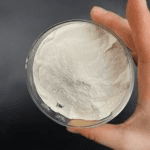
1.2 The Role of Carbon in Aerogels
Carbon-based aerogels, which use carbon materials such as triggered carbon or graphene, have become increasingly popular due to their exceptional electrical conductivity and high surface area. These aerogels are typically developed through the pyrolysis of organic precursors and offer a selection of special properties consisting of outstanding stamina and thermal stability. While not as thermally protecting as SiO₂-based aerogels, carbon aerogels are highly efficient in applications where electric conductivity and energy storage space are required.
1.3 Other Aerogel Powders: Beyond SiO2 and Carbon
Along with SiO₂ and carbon-based aerogels, there are numerous other products used to produce aerogels, such as steel oxides (like alumina and titania), polymer-based aerogels, and composite aerogels. Each material brings distinctive advantages, such as boosted mechanical buildings, electrical residential or commercial properties, or chemical security, which are customized to specific commercial needs.
2. Thermal Insulation: SiO2 Dominates the Area
2.1 SiO2- Based Aerogel: The Ultimate Thermal Insulator
When it comes to thermal insulation, SiO₂-based aerogels lead the pack. These aerogels are known for their impressive ability to hold up against severe temperatures while providing premium thermal resistance. Their nano-porous framework catches air, producing an outstanding shielding barrier. This makes them perfect for usage in industries like aerospace, where thermal resistance is essential, along in construction for energy-efficient structures.
2.2 Carbon Aerogels: Adequate Thermal Insulation
Carbon-based aerogels, while solid and conductive, do not match SiO2 aerogels in thermal insulation. Although they can do fairly well in modest temperature varieties, they are not as efficient at extreme heat resistance. Nevertheless, they provide a more well-balanced performance in applications where both thermal insulation and electric conductivity are required, such as in power storage systems or electromagnetic shielding.
2.3 Various Other Aerogels: Specialized Thermal Performance
Aerogels made from steel oxides or polymers commonly offer specialized purposes. Alumina-based aerogels, for instance, can supply far better chemical stability at high temperatures but cannot take on SiO₂ in pure thermal insulation. Polymer aerogels, on the other hand, frequently give versatility and lower density, providing thermal insulation in much more lightweight and adaptable applications.
3. Mechanical Toughness: Carbon Aerogels Take the Lead
3.1 Carbon Aerogels: Unmatched Strength-to-Weight Ratio
When it pertains to mechanical stamina, carbon-based aerogels hold a clear benefit. Their high surface, integrated with their strong carbon backbone, permits them to withstand high mechanical stress while remaining exceptionally lightweight. This makes them excellent for applications in supercapacitors, architectural products, and high-performance filtering systems.
3.2 SiO2- Based Aerogels: Light yet Brittle
SiO2- based aerogels, while exceptionally light and protecting, are extra brittle compared to their carbon equivalents. They have low tensile toughness, meaning they can break under high mechanical forces. Nonetheless, this restriction can be overcome by enhancing the aerogels with various other products or utilizing them in applications where mechanical tension is not a key issue.
3.3 Other Aerogels: Convenience in Toughness
Various other aerogels, such as those made from steel oxides or compounds, supply varied mechanical toughness. For instance, alumina aerogels give remarkable strength and high stamina at extreme temperatures; however, they are not as flexible as carbon aerogels. Polymer-based aerogels provide a balance between mechanical flexibility and toughness, making them suitable for applications in lightweight frameworks or safety coatings.
4. Electric Conductivity and Storage: Carbon Aerogels Excel
4.1 Carbon Aerogels: The Very Best for Conductivity and Energy Storage
For applications needing high electrical conductivity, carbon-based aerogels are the clear victor. They can efficiently move electrons, making them optimal for use in supercapacitors, batteries, and electromagnetic shielding. These aerogels are likewise superb for power storage because of their huge area and high porosity, which assist in the storage of ions in batteries and capacitors.
4.2 SiO₂- Based Aerogels: Insulating Features with Limited Conductivity
SiO₂- based aerogels, while excellent for thermal insulation, do not supply good electrical conductivity. They are typically used in applications that require non-conductive residential properties, such as protecting products for electronic devices or thermal barriers in spacecraft. For electrical applications, SiO2 aerogels need to be modified or incorporated with conductive materials to enhance their performance.
4.3 Other Aerogels: Niche Applications
Aerogels made from steel oxides or polymers may provide specific electrical residential or commercial properties customized to particular niche applications. Polymer aerogels, for instance, are typically utilized in flexible electronics and sensors where a balance of conductivity and mechanical flexibility is needed. Alumina aerogels offer resistance to electrical currents, making them ideal for protecting applications in high-voltage atmospheres.
5. Cost and Availability: SiO₂- Based Aerogels Lead the Way
5.1 SiO₂– Based Aerogels: Cost-Effective and Widely Available
In regard to cost-effectiveness, SiO₂-based aerogels remain the most accessible. Their widespread use and reasonably less complex production procedure make them much more affordable than carbon aerogels or specialty steel oxide aerogels. SiO2 aerogels likewise gain from a reputable supply chain, guaranteeing that suppliers and customers can conveniently resource these materials.
5.2 Carbon Aerogels: Costly yet High Performance
Carbon-based aerogels, while offering premium electrical and mechanical properties, tend to be more costly to generate. The manufacturing process, including pyrolysis, calls for specific equipment, which drives up costs. Nevertheless, the high performance of carbon aerogels makes them the go-to option for innovative modern technologies where cost is secondary to efficiency.
5.3 Other Aerogels: Specialized, however Costly
Various other aerogels, such as metal oxide and polymer-based aerogels, usually featured a premium price tag because of their particular niche applications and specialized residential properties. While these aerogels provide one-of-a-kind benefits, their high expense can restrict their use in mass-market products.
6. Choosing the Right Aerogel Powder for Your Demands
In summary, the option between SiO₂-based aerogels, carbon-based aerogels, and other specialized aerogels relies on the specific demands of your application. SiO₂ aerogels excel in thermal insulation and cost-effectiveness, making them the best solution for lots of sectors. Carbon-based aerogels, on the other hand, offer superior stamina, electrical conductivity, and energy storage capabilities, making them suitable for high-performance applications. Various other aerogels supply specialized buildings suited for niche markets, yet often come with a greater price.
Supplier
RBOSCHCO is a trusted global Aerogel Powders supplier & manufacturer with over 12 years experience in providing super high-quality chemicals and Nanomaterials. The company export to many countries, such as USA, Canada, Europe, UAE, South Africa,Tanzania,Kenya,Egypt,Nigeria,Cameroon,Uganda,Turkey,Mexico,Azerbaijan,Belgium,Cyprus,Czech Republic, Brazil, Chile, Argentina, Dubai, Japan, Korea, Vietnam, Thailand, Malaysia, Indonesia, Australia,Germany, France, Italy, Portugal etc. As a leading nanotechnology development manufacturer, RBOSCHCO dominates the market. Our professional work team provides perfect solutions to help improve the efficiency of various industries, create value, and easily cope with various challenges. If you are looking for Aerogel Powders, please feel free to contact us.
Tags:aerogel,aerogel insulation
RELATED POSTS

Guide to Selecting the Right Metal Plates: Comparing Steel, Aluminum, Stainless Steel, Copper and Their Alloys
Revolutionizing Industrial Lubrication: The Quiet Power of Tungsten Disulfide

Zirconia Ceramic Tubes vs Boron Nitride Tubes: Properties, Specs & Applications
Lithium Nitride Powder: The Next-Generation Material Powering the Global Energy Transition
Potassium Silicate Powder: The Proven for Superior Industrial Applications