Professional and high-quality metal alloys, ceramic products and concrete additives | RBOSCHCO

Take a moment to look at your phone screen. It’s the window to your digital life—streaming videos, scrolling through social media, video calling loved ones, and even working on the go. You probably appreciate its clarity, its scratch resistance, and how it lights up with vibrant colors at the touch of a finger. But here’s a little-known fact: none of these features would be possible without a tiny, unassuming material called alumina powder.
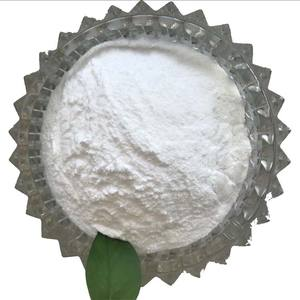
Alumina, also known as aluminum oxide (Al₂O₃), is a white, fine-grained powder that’s been a quiet hero in the electronics industry for decades. Yet most of us have never heard of it, let alone realized it’s hidden inside the device we use every single day. In this blog, we’ll take a deep dive into the world of alumina powder—what it is, why it’s essential for your phone screen, how it’s made, and the surprising ways it shapes the technology we can’t live without. By the end, you’ll never look at your phone screen the same way again.
What Exactly Is Alumina Powder?
Let’s start with the basics. Alumina is a naturally occurring compound—you might know it by its common name, corundum, which is the mineral form of aluminum oxide. But the alumina powder used in phone screens isn’t mined directly from the earth (though it does come from natural raw materials). Instead, it’s a highly refined, synthetic version that’s engineered to meet the strict standards of the electronics industry.
At its core, alumina powder is prized for three key properties that make it indispensable for phone screens: extreme hardness, exceptional thermal stability, and excellent optical clarity. On the Mohs scale of mineral hardness, alumina scores a 9; only diamond (which scores a 10) is harder. That’s why it’s often used as an abrasive and a protective coating: it can resist scratches, wear, and tear even in the most demanding environments.
But it’s not just hard. Alumina also has a melting point of over 2,000°C (3,632°F), making it highly resistant to heat—critical for a device that generates warmth during use. And when processed into ultra-fine particles, it becomes transparent, allowing light to pass through without distortion. These three properties—hardness, heat resistance, and transparency—are the foundation of its role in phone screen technology.
You might be wondering: why not use something else? Why alumina? The answer lies in balance. Many materials are hard but not transparent (like diamond dust), others are transparent but not hard (like glass), and some are heat-resistant but lack the other two qualities. Alumina is one of the few materials that checks all three boxes, making it the perfect choice for the delicate, high-performance screens we rely on.
How Alumina Powder Powers Your Phone Screen
Your phone screen is a complex assembly of layers, each with a specific purpose. From the outer protective glass to the inner display panel, alumina powder plays a critical role in multiple components. Let’s break down its key applications—you’ll be surprised how many parts of your screen depend on this humble powder.
1. The Outer Protective Layer
The first thing you touch when you use your phone is the outer cover glass—the layer that protects the delicate display underneath from scratches, smudges, and impacts. Most modern phones use Gorilla Glass or a similar tempered glass for this layer, and alumina powder is a key ingredient in making this glass tough.
Here’s how it works: during the manufacturing process, alumina powder is added to the glass mixture. When the glass is heated and tempered, the alumina particles integrate into the glass structure, increasing its hardness and resistance to scratches. Without alumina, the cover glass would be much more prone to scuffs from keys, coins, or even your fingernails. In fact, studies show that adding alumina to glass can increase its scratch resistance by up to 50%—a game-changer for anyone who’s ever panicked about a scratch on their phone screen.
But alumina doesn’t just make the glass harder. It also improves its durability. When you drop your phone (we’ve all been there), the alumina-reinforced glass is more likely to withstand the impact without shattering. This is because the alumina particles act as a “reinforcement” within the glass, absorbing energy and preventing cracks from spreading.
Interestingly, while (cerium oxide) is more commonly used as the primary abrasive for glass polishing, alumina is often mixed with it to enhance performance. Alumina’s higher hardness and lower cost make it an ideal complement, ensuring the glass is polished to a smooth, scratch-free finish while keeping production costs in check. This combination is why your phone’s outer glass feels so smooth and resists scratches so well.
2. The Display Panel: Ensuring Bright, Clear Images
Beneath the outer glass lies the display panel—the part that actually produces the images, text, and colors you see. Whether your phone uses an LCD or OLED display, alumina powder plays a vital role in making these images bright, clear, and energy-efficient.
For LCDs, alumina powder is used in the backlight unit. The backlight is responsible for illuminating the screen, and it relies on a series of layers to distribute light evenly. Alumina powder is added to the diffuser layer, which scatters light across the entire screen. Its ultra-fine particles ensure that light is spread uniformly, eliminating hot spots and ensuring that every part of the screen is equally bright. Without alumina, the backlight would be uneven, leading to dark corners or washed-out areas.
In OLED displays (which are used in most high-end phones today), alumina powder is used in the OLED layers themselves. OLED displays work by emitting light from organic compounds, and alumina acts as a protective barrier between these layers. It prevents the organic materials from degrading over time, extending the life of the display and ensuring that colors remain vibrant for years. Additionally, alumina’s high thermal stability helps dissipate the heat generated by the OLED pixels, preventing overheating and ensuring consistent performance.
Alumina also plays a role in the touchscreen sensor layer. The touchscreen relies on tiny electrodes to detect your finger’s touch, and alumina powder is used to insulate these electrodes. Its excellent electrical insulation properties prevent interference between the electrodes, ensuring that your touch commands are registered accurately—no lag, no misreads.
3. The Semiconductor Connection
Your phone screen doesn’t work in isolation—it’s connected to the phone’s processor, which sends signals to the display to show images. The processor and other semiconductor components rely on alumina powder too, indirectly supporting your screen’s performance.
Semiconductors are made from silicon wafers, which need to be polished to an extremely smooth finish to function properly. Alumina powder is used as an abrasive in this polishing process. Its hardness allows it to remove tiny imperfections from the silicon wafer, creating a smooth surface that’s essential for the semiconductor’s performance. In fact, for harder semiconductor materials like silicon carbide wafers (used in some high-performance phones), alumina is the ideal polishing material—its hardness can be adjusted to match the wafer, ensuring a perfect finish without scratching.
Additionally, high-purity alumina powder is used in semiconductor packaging. The packaging protects the semiconductor from damage and ensures efficient heat dissipation. With a purity of 99.99% or higher, alumina ceramic substrates made from this powder have excellent thermal conductivity and electrical insulation, making them perfect for housing the semiconductors that power your phone’s screen.
How Alumina Is Made for Phone Screens
Now that we know what alumina does, let’s take a look at how it’s made—because the alumina powder used in phone screens isn’t just any alumina. It’s a highly refined product that requires precise manufacturing to meet the electronics industry’s strict standards.
The process starts with bauxite, a reddish-brown ore that’s the primary source of aluminum. Bauxite is mined in countries like Australia, Guinea, and Brazil, and it’s rich in aluminum oxide. The first step is to extract alumina from bauxite using the Bayer process—a method developed in the 19th century that’s still used today.
In the Bayer process, bauxite is crushed and mixed with a hot sodium hydroxide solution. This mixture is heated under pressure, which dissolves the aluminum oxide in the bauxite, leaving behind impurities like iron oxide and silica. The resulting solution is filtered to remove these impurities and then cooled to form aluminum hydroxide crystals. These crystals are then heated (calcined) at high temperatures (around 1,200–1,350°C) to remove water, leaving pure alumina powder.
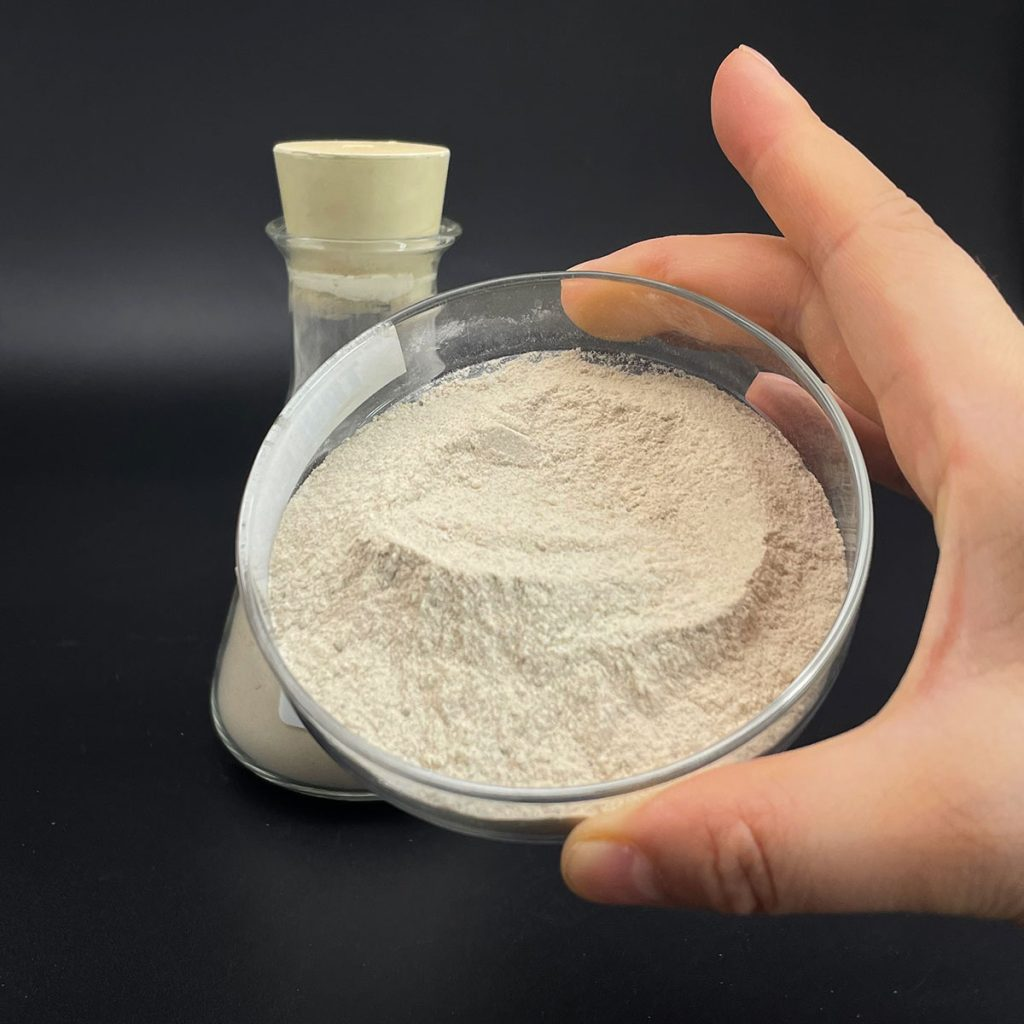
But the process doesn’t stop there. For phone screens, the alumina powder needs to be even more refined—ultra-fine, high-purity, and uniform in particle size. To achieve this, manufacturers use advanced techniques like (jet milling), which grinds the alumina into particles as small as 100 nanometers (that’s 0.0001 millimeters!). This ultra-fine powder is then purified further to remove any remaining impurities, ensuring its purity reaches 99.99% or higher—critical for electronic applications where even tiny contaminants can cause malfunctions.
The final step is to tailor the alumina powder to its specific use. For example, powder used in glass reinforcement is engineered to have a certain particle shape (often, or flaky) to integrate seamlessly into the glass structure, while powder used in OLED layers is made to be transparent and non-reactive. This customization ensures that the alumina performs perfectly in each component of the phone screen.
Why Alumina Is Irreplaceable (For Now)
With all the advances in technology, you might be wondering: Is there a substitute for alumina powder in phone screens? The short answer is: not yet. While researchers are exploring alternative materials, none have been able to match alumina’s unique combination of hardness, thermal stability, transparency, and cost-effectiveness.
For example, some companies have tried using zirconia (another hard ceramic) as a substitute for alumina in glass reinforcement. While zirconia is slightly harder than alumina, it’s more expensive and less transparent, making it impractical for display applications. Similarly, diamond dust is harder than alumina, but it’s prohibitively expensive and difficult to process into the ultra-fine, uniform powder needed for phone screens.
Another challenge is scalability. Alumina is produced on a massive scale worldwide, with a well-established supply chain. Substitute materials often have limited production capacity, which would drive up the cost of phone screens significantly. For now, alumina remains the most practical and cost-effective choice for phone screen manufacturers.
That said, the industry is constantly evolving. Researchers are working on modifying alumina to make it even better—for example, creating composite materials that combine alumina with other substances to enhance its properties. There’s also ongoing research into using recycled alumina powder, which could make the production process more sustainable (more on that later).
The Future of Alumina in Phone Screens
As phone technology continues to advance, so too will the role of alumina powder. Here are a few trends to watch for in the coming years:
- Even Thinner, Tougher Screens: As phones become thinner and more flexible, the demand for ultra-thin, flexible cover glass will grow. Alumina powder will play a key role in making these thin screens tough enough to withstand daily use. Researchers are already working on flexible alumina-reinforced glass that can bend without breaking—perfect for foldable phones.
- Higher Purity, Better Performance: The push for better display quality will drive demand for even higher-purity alumina powder. With purity levels approaching 99.9999% (6N), alumina will enable brighter, more vibrant displays with better color accuracy and longer lifespans. This high-purity alumina is already being used in advanced semiconductor packaging and will soon become standard in phone screens.
- Sustainable Production: As environmental concerns grow, the industry will focus on more sustainable ways to produce alumina powder. This includes using recycled materials, reducing energy and water usage, and developing carbon-neutral production processes. For example, using solar power to heat the calcination process or recycling alumina from old phone screens could significantly reduce the environmental impact.
- New Applications: Alumina powder may find new roles in future phone screens, such as in quantum dot displays (which offer even better color and brightness) or in self-healing screens. Researchers are exploring how alumina can be used to create screens that repair small scratches on their own—another game-changer for phone durability.
Supplier
RBOSCHCO is a trusted global Alumina Powder supplier & manufacturer with over 12 years of experience in providing super high-quality chemicals and Nanomaterials. The company export to many countries, such as USA, Canada, Europe, UAE, South Africa, Tanzania, Kenya, Egypt, Nigeria, Cameroon, Ugand, Turkey, Mexico, Azerbaijan Be lgium, Cyprus, Czech Republic, Brazil, Chile, Argentina, Dubai, Japan, Korea, Vietnam, Thailand, Malaysia, Indonesia, Australia, Germany, France, Italy, Portugal etc. As a leading nanotechnology development manufacturer, RBOSCHCO dominates the market. Our professional work team provides perfect solutions to help improve the efficiency of various industries, create value, and easily cope with various challenges. If you are looking for Alumina Powder, please feel free to contact us.
RELATED POSTS

Unleash Unparalleled Potential: How Molybdenum Sulfide Solutions Are Sparking a Revolutionary Surge Across Global Industries
Why Chromium Carbide Overlay (CCO) Chips Are the Secret to Extreme Abrasion Resistance
Lithium Nitride Powder: The Next-Generation Material Powering the Global Energy Transition

Alumina vs Zirconia Ceramic Rods: Composition, Properties, Applications & Cost Analysis

Understanding the Waterproofing Mechanism of Calcium Stearate Powder in Concrete: From Pore Structure to Hydrophobic Effect
