Professional and high-quality metal alloys, ceramic products and concrete additives | RBOSCHCO

In the vast galaxy of materials science, alumina ceramics may seem ordinary, but with their excellent comprehensive properties, they extend from the microcosm of precision electronics to the life field of human health, from the harsh scenarios of industrial production to the subtle corners of daily life. Made primarily from aluminum oxide (Al₂O₃) through molding and high-temperature sintering, they combine the hardness and stability of inorganic materials and can be adapted to the special needs of different scenarios through process regulation. From the circuit substrates that support chip operation to the artificial joints that replace damaged bones, alumina ceramics have broken people’s perception of traditional ceramics as “fragile and single-purpose” with their “one-material-multifunctional” characteristics, becoming an indispensable “versatile material” in the development of modern science and technology.
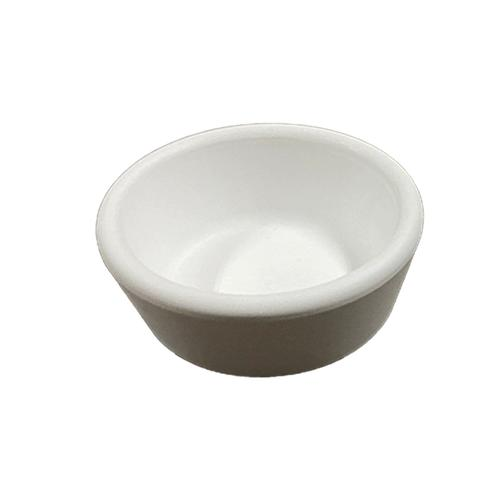
The “versatile ability” of alumina ceramics stems from their adjustable core properties. Compared with traditional ceramics, they have inherent advantages such as high melting point (up to 2050℃), high hardness (second only to diamond and silicon carbide), strong chemical stability, and excellent insulation performance. At the same time, through adjusting purity, adding modifiers, or optimizing preparation processes, precise adaptation of toughness, thermal conductivity, biocompatibility, and other properties can be achieved. According to the difference in alumina content, alumina ceramics can be divided into high-purity type and ordinary type. Products of different types have different focuses on performance, laying a foundation for their diversified applications.
To clearly show the performance differences of different types of alumina ceramics, the following table summarizes the key performance indicators of commonly used varieties, intuitively presenting their core advantages in adapting to different application scenarios. This classification not only reflects the adjustability of alumina ceramics but also provides a clear reference for their application in various industries.
| Ceramic Type | Alumina Content | Core Performance Characteristics | Typical Application Scenarios |
| Ordinary Type (85 Ceramic) | About 85% | Chemical pipelines, linings of metallurgical equipment,and wear-resistant seals | Electrovacuum devices, ordinary wear-resistant components |
| Ordinary Type (95 Ceramic) | About 95% | Outstanding corrosion resistance and wear resistance, high mechanical strength | Chemical pipelines, linings of metallurgical equipment, and wear-resistant seals |
| High-Purity Type (Above 99.5%) | 99.5%~99.99% | Excellent insulation, thermal conductivity, and biocompatibility, high purity, and stable performance | Circuit substrates, artificial joints, semiconductor components |
| Zirconia-Toughened Alumina (ZTA) | About 90% (including 10% zirconia) | Greatly improved toughness, high bending strength,h and good impact resistance | Aero-engine components, high-end artificial joints, bulletproof materials |
The table clearly shows that the performance of alumina ceramics can be accurately matched through component adjustment, and this flexibility is the core code for them to cross multiple industries and achieve “versatile applications”. Among them, circuit substrates and artificial joints, as two highly representative application fields, respectively demonstrate the unique value of alumina ceramics in the fields of precision electronics and biomedicine, and become the best evidence of their “one-material-multiple-uses”.
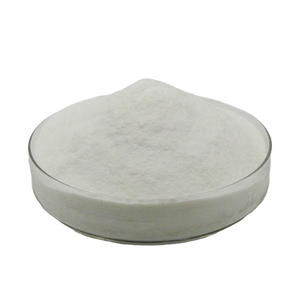
The “Supporter” of Precision Electronics: Alumina Ceramics in Circuit Substrates
With the development of electronic devices towards miniaturization, high frequency, and high power, circuit substrates, as the core components carrying electronic components and transmitting electrical signals, have extremely high requirements for the insulation, thermal conductivity, and thermal stability of materials. Although traditional resin substrates are low in cost, they have poor temperature resistance and low thermal conductivity, which cannot meet the needs of high-end electronic devices. However, alumina ceramics, with their excellent comprehensive performance, have become the preferred material for high-end circuit substrates, known as the “invisible supporter” of precision electronics.
The core advantage of alumina ceramics used in circuit substrates is the perfect balance between their excellent insulation performance and thermal conductivity. At room temperature, the volume resistivity of alumina ceramics can reach more than 10¹⁴Ω·cm, and the dielectric strength exceeds 15kV/mm, which can effectively isolate high-voltage circuits from metal casings and avoid safety problems such as leakage and breakdown, especially suitable for high-voltage power modules and high-frequency circuit scenarios. At the same time, its thermal conductivity can reach 15-35W/(m·K), which is 50-175 times that of traditional FR-4 resin substrates. Combined with metal conductive layers such as copper and aluminum, it can quickly conduct the heat generated by electronic components to the heat dissipation structure, solve the “hot spot” problem, and extend the service life of components.
In the field of semiconductor manufacturing, high-purity alumina ceramic substrates are even more indispensable. In the chip packaging process, the thermal expansion coefficient of the alumina ceramic sucker is highly matched with the silicon wafer, which can avoid circuit breakage caused by temperature changes. After being introduced by a semiconductor factory, the packaging yield increased from 88% to 97%. In the field of 5G communication, the dielectric loss of DPC gold-plated alumina ceramic substrates, which can reduce the loss of 24GHz millimeter-wave signals by more than 20% during transmission, making them the core material of large-scale antenna arrays in 5G base stations. In China, the output of alumina ceramic substrates increased from 692 million pieces in 2017 to 1.987 billion pieces in 2024, and the market scale grew from 382 million yuan to 1.097 billion yuan, showing a strong growth momentum.
In addition to the semiconductor and 5G fields, alumina ceramic substrates are also widely used in power electronics, automotive electronics, medical electronics, cs and other fields. In the IGBT modules of new energy vehicles, alumina ceramic substrates solve the heat dissipation problem of power devices with their high temperature resistance and high thermal conductivity, ensuring the stable operation of the electronic control system. In the drive circuit of automotive LED headlights, it can withstand the high temperature of 120-180℃ and vibration impact in the engine compartment, improving the service life of the headlights. In medical electronics such as X-ray machines and ultrasound equipment, their characteristics of resistance to disinfection media and high reliability meet the strict requirements of medical equipment. Globally, alumina ceramic substrates are also widely used in DBC, DPC, thick film, and thin film substrates, showing a diversified application pattern.
With the continuous upgrading of electronic devices, the performance requirements for alumina ceramic substrates are also constantly improving. At present, the industry is improving the density and performance consistency of substrates through advanced preparation technologies such as the sol-gel method and hot isostatic pressing sintering, and developing ultra-thin and large-size substrate products to adapt to the needs of cutting-edge fields such as chip packaging and quantum computing. It can be said that the technological progress of alumina ceramic substrates is driving the continuous iteration of the precision electronics industry. The industry is also moving towards high-performance, multi-function, green manufacturing and intelligence, with broad development prospects.
The “Guardian” of Life and Health: Alumina Ceramics in Artificial Joints
When human joints lose their function due to diseases or injuries, artificial joint replacement surgery becomes an important means to restore limb movement. The performance of artificial joints directly determines the quality of life of patients after surgery and the service life of prostheses. With their excellent biocompatibility, low friction coefficient, and high wear resistance, alumina ceramics have become an ideal material for artificial joint prostheses, bringing hope for reactivity to countless patients and becoming the “guardian” of life and health.
Biocompatibility is the core requirement for artificial joint materials, and alumina ceramics perform particularly well in this regard. High-purity alumina ceramics (content above 99.5%) have stable chemical properties, will not react with human tissues and body fluids, and will not produce toxic and harmful substances. They can form good compatibility with human bones and soft tissues, effectively avoiding allergic reactions, inflammation, and other rejection reactions that may be caused by metal prostheses. Clinical data show that the 10-year success rate of patients using alumina ceramic joints exceeds 95%, and the 5-year joint mobility retention rate reaches 92%. The 10-year prosthesis survival rate of the third-generation alumina ceramic-on-ceramic total hip replacement is as high as 98%, which completely breaks the curse that “replaced joints can only be used for ten years”.
Low friction coefficient and high wear resistance are other major advantages of alumina ceramic artificial joints. During human joint movement, continuous friction will occur. The friction coefficient of alumina ceramics is only 0.02, which is much lower than that of metal prostheses. Moreover, it has high hardness and strong wear resistance, which can effectively reduce the wear of joint prostheses and extend the service life of prostheses. Compared with traditional metal artificial joints, the wear rate of alumina ceramic artificial joints is reduced by more than 80%, and the service life can be as long as 20 years or more, which greatly reduces the pain and economic burden of patients’ secondary surgery. High-purity alumina ceramics used in medical fields have passed ISO 10993 biocompatibility certification, with no cytotoxicity and no release of harmful ions, which is the “gold standard” of medical materials.
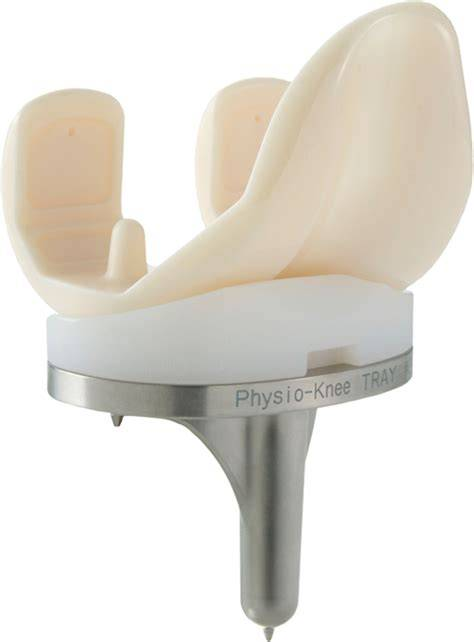
In the specific application of artificial joints, alumina ceramics are mainly used in the manufacture of hip and knee joint prostheses. Among them, the combination of ceramic femoral head and ceramic acetabulum, known as the “ceramic-ceramic” joint, is one of the most advanced artificial joint combinations at present. This combination not only has a low friction coefficient and little wear but also avoids the harm of metal ions generated by the wear of metal prostheses to the human body, especially suitable for young patients with high activity. In addition, alumina ceramics are also widely used in the field of dentistry. The bonding strength between the dental implants made of them and the alveolar bone is 1.2 times that of titanium alloy, which can avoid metal allergy and has a better appearance close to natural teeth. In the field of cardiovascular intervention, alumina ceramics are also used in ceramic membrane occluders, which reduce complications and improve the safety of surgery.
To further improve the performance of alumina ceramic artificial joints, researchers have developed zirconia-toughened alumina (ZTA) composite materials by adding modifiers such as zirconia. Its bending strength can be increased to 450-1250MPa, and the toughness is greatly improved, which effectively solves the problem of high brittleness of traditional alumina ceramics, making artificial joints more able to adapt to the impact and load in human activities. At the same time, through precision processing technology, the surface roughness of ceramic prostheses can be controlled at the nanometer level, further reducing friction loss and improving the user experience of patients.
Other Wide Applications of Alumina Ceramics
In addition to the two core fields of circuit substrates and artificial joints, alumina ceramics, with their adjustable performance, have also widely penetrated many fields such as industrial production, aerospace, new energy, and food processing, showing the strong adaptability of “versatile materials”.
In the industrial field, alumina ceramics are the “hardcore materials” to improve equipment reliability. In the chemical and energy industries, alumina ceramic pipelines can withstand the long-term erosion of concentrated hydrochloric acid and caustic soda. In oil drilling equipment, their compressive strength exceeds 2000MPa, ensuring the safety of deep-sea operations. In the power and metallurgical industries, after the ash removal pipelines of coal-fired power plants adopt alumina ceramic linings, the wear rate is reduced by 90%, and the annual maintenance cost is reduced by 3 million yuan. In the blast furnace coal injection pipelines of iron and steel plants, their high temperature resistance ensures the stability of continuous production.
In the aerospace field, alumina ceramics have become the “high-temperature armor” of spacecraft. The porous alumina ceramic heat insulation tiles on the surface of the Shenzhou spacecraft return capsule have a porosity of 60%-80% and a thermal conductivity as low as 0.1W/(m·K), which can directly withstand the instantaneous high temperature of 2300℃ when re-entering the atmosphere, ensuring the safety of the capsule. The satellite radome is made of precision-polished high-purity alumina ceramics, with a transmittance of more than 85%, which can maintain stable signal transmission even in the harsh radiation environment of space.
In the field of new energy, alumina ceramics are promoting industrial upgrading. In solid-state batteries, alumina ceramics as diaphragm materials can increase ion conductivity by 18% and increase the battery thermal runaway temperature by 50℃. After a car company adopted alumina ceramic insulators, the energy density of the battery module increased by 12%, and the charging speed accelerated by 20%. In the exhaust gas treatment system, alumina ceramic tubes can withstand the corrosion of high-temperature sulfur-containing gases, and their porous structure can also be used as a catalyst carrier to improve the efficiency of exhaust gas purification. After being used by a chemical enterprise, the NOx removal rate increased to more than 95%.
In daily life, alumina ceramics are also everywhere. The ceramic knives in the kitchen are sharp, durable, and do not rust due to their high hardness and corrosion resistance. The ceramic grinding parts in juicers and soymilk machines can avoid metal pollution and retain the original flavor of ingredients. Even the watch dials and mobile phone camera lenses we wear may be made of high-purity alumina ceramics, which have both beauty and wear resistance.

Future Outlook: Technological Innovation Empowers “Versatile” Upgrade
With the continuous progress of materials science and preparation technology, the application boundary of alumina ceramics is still expanding, and their “versatile ability” will be further improved. At present, China’s alumina ceramic market shows a steady growth trend. The market scale reached about 5.86 billion yuan in 2024, with a year-on-year increase of 9.2%. It is estimated that the overall market scale will approach 10 billion yuan by 2030. This growth momentum mainly comes from the demand upgrading of downstream high-end manufacturing, new energy, medical, and other fields, as well as the improvement of product performance brought by technological innovation. Globally, the alumina ceramic substrate market is also growing steadily, with obvious segmentation characteristics by product type, application, and region.
In terms of technological innovation, alumina ceramics will develop towards “high performance, lightweight, refinement and compounding” in the future. On the one hand, through nano-modification and compounding technology, the key properties such as toughness and thermal conductivity of materials will be further improved, and the shortcoming of high brittleness will be solved. On the other hand, through the integration of intelligent manufacturing and green manufacturing, the production process will be optimized, the cost will be reduced, and the large-scale and refined production of products will be realized. At the same time, with the acceleration of the domestic substitution process, leading domestic enterprises are increasing R&D investment, gradually breaking through the technical bottlenecks in cutting-edge fields such as ultra-high purity and complex special-shaped structural parts, and improving the core competitiveness of China’s alumina ceramic industry. Some domestic enterprises have become the main suppliers of global chip resistor ceramic substrates, with a global market share as high as 70%.
From the circuit substrates of precision electronics to the artificial joints that guard life; from the high-temperature armor of aerospace to the common appliances in daily life, alumina ceramics shine in many fields with their excellent performance and flexible adaptability. It is not only a kind of material but also an important bridge connecting technology and life, industry and medical treatment. With the continuous innovation of technology, it is believed that this “versatile material” will continue to break through the application boundary, inject more power into the development of human society, and write more legends of ” one material, multiple uses”.
Supplier
RBOSCHCO is a trusted global Alumina Ceramics supplier & manufacturer with over 12 years of experience in providing super high-quality chemicals and Nanomaterials. The company export to many countries, such as USA, Canada, Europe, UAE, South Africa, Tanzania, Kenya, Egypt, Nigeria, Cameroon, Ugand, Turkey, Mexico, Azerbaijan Be lgium, Cyprus, Czech Republic, Brazil, Chile, Argentina, Dubai, Japan, Korea, Vietnam, Thailand, Malaysia, Indonesia, Australia, Germany, France, Italy, Portugal etc. As a leading nanotechnology development manufacturer, RBOSCHCO dominates the market. Our professional work team provides perfect solutions to help improve the efficiency of various industries, create value, and easily cope with various challenges. If you are looking for Alumina Ceramics, please feel free to contact us.
RELATED POSTS

Revolutionizing the Global Advanced Materials Arena: The Ascendancy of Tantalum Carbide, Boron Carbide, and Zirconium Carbide in Cutting-Edge Industrial Marvels
Recrystallised Silicon Carbide: The Ultimate Choose in High-Temperature Industrial

Market Prospect Analysis of Aluminum Nitride Ceramic Products
High-Temperature Resistant Tungsten Boride Powder: Superior for Extreme Environments
Silicon Carbide Ceramic vs. Silicon Nitride: A Comprehensive Comparison for Industrial Applications