Professional and high-quality metal alloys, ceramic products and concrete additives | RBOSCHCO

In the modern-day industrial landscape, selecting the right ceramic material is crucial for accomplishing optimal efficiency, longevity, and performance. Amongst innovative porcelains, Silicon Carbide Ceramic (SiC) has become a leading product for requiring applications, varying from automobile and aerospace components to high-temperature electronics and commercial machinery. Its one-of-a-kind combination of solidity, thermal conductivity, and chemical security makes it a functional choice. Nevertheless, Silicon Nitride Ceramic is one more high-performance ceramic that commonly gets compared as a result of its own impressive properties. Comprehending the differences between these products is vital for designers, buyers, and industrial decision-makers looking for optimum value and effectiveness in their products.

Mechanical Properties: Strength and Hardness
Silicon Carbide Ceramic is known for its great hardness, only behind diamond in some cases. This makes it very resistant to wear, erosion, and surface damage, important in metalworking, cutting tools, and sandblasting. Silicon Nitride is a bit less hard than SiC but has better break toughness. This means it can handle shocks or impacts well, so in cases where this is needed, Si3N4 can do better than SiC. To choose between them, decide if wear resistance or durability matters more to ensure parts last in real use.
Thermal Efficiency: High Temperature and Thermal Shock Resistance
Both SiC and Si Three N ₄ are engineered to withstand heat, but their efficiency qualities differ dramatically. Silicon Carbide Ceramic offers excellent thermal conductivity and can run at temperature levels exceeding 1,600 ° C without significant deformation. Its capacity to swiftly dissipate heat makes it excellent for high-speed mechanical applications and warmth exchangers. Silicon Nitride, on the other hand, has exceptional thermal shock resistance as a result of its reduced thermal expansion coefficient, suggesting it is much less prone to cracking under quick temperature changes. For applications like gas generators or high-temperature engine elements, selecting between SiC and Si3N4 depends on whether regular heat dissipation or resistance to unexpected thermal stress is more essential.

Chemical Stability and Corrosion Resistance
Industrial atmosIndustrial atmospheres commonly subject components to corrosive chemicals, oxidizing environments, or unpleasant fragments. Silicon Carbide Ceramic master chemical inertness, standing up to oxidation, acids, and antacids over extended periods. Its resilience makes it a favored choice for chemical processing, semiconductor production, and aggressive slurry handling. Silicon Nitride is likewise chemically steady, though it is slightly more susceptible to alkali attacks at extremely high temperatures. Comprehending these chemical efficiency nuances is critical for foreign trade buyers who require products to last under particular commercial conditions without constant replacements or upkeep.
Digital Applications
The electrical residential or commercial properties of porcelain dramatically influence their suitability for electronics, sensors, and power devices. Silicon Carbide Ceramic is a wide-bandgap semiconductor, which allows it to operate efficiently at high voltages, high temperatures, and high frequencies. This home has positioned SiC as a product of choice for power electronic devices, inverters, and energy-efficient gadgets. Silicon Nitride, while not a semiconductor, provides exceptional insulating residential or commercial properties, making it suitable for components that call for electrical insulation with high mechanical strength. Choosing between SiC and Si Four N ₄ in electrical applications requires evaluating whether conductivity and semiconductor performance or insulation is a lot more appropriate to the job requirements.
Production and Cost Considerations
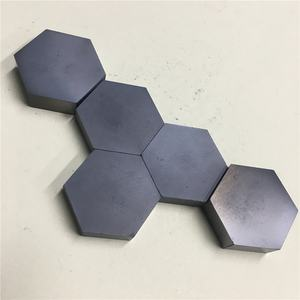
While performance is important, manufacturing usefulness and expense are just as essential in commercial purchases. Silicon Carbide Ceramic can be created in various kinds, consisting of plates, tubes, and complex shapes, though sintering and machining procedures can be testing due to its extreme solidity. This, in some cases, equates to higher production expenses. Silicon Nitride uses simpler machining than SiC and better consistency in generating complex parts, which can reduce manufacturing time and costs for sure applications. Purchasers in the worldwide profession need to evaluate the balance between first product cost and long-term efficiency advantages when selecting between these sophisticated ceramics.
Industry Applications and Market Fads
The practical applications of SiC and Si two N four remain to expand as sectors are introduced. Silicon Carbide Ceramic is commonly utilized in wear-resistant mechanical components, high-temperature heating systems, semiconductors, and electric vehicles as a result of its combined hardness, thermal conductivity, and chemical resistance. Silicon Nitride discovers its niche in automotive engine components, accuracy bearings, and aerospace applications where toughness and thermal shock resistance are essential. Observing market patterns, the need for SiC has been speeding up in renewable energy and high-performance electronic devices, while Si three N ₄ keeps consistent development in the accuracy design markets. For foreign buyers, comprehending these fads helps align procurement methods with both efficiency needs and lasting market feasibility.
Last Factors To Consider for Purchasers
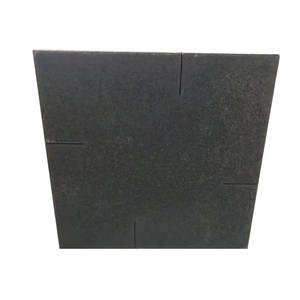
Choosing the appropriate ceramic product involves evaluating the equilibrium between solidity, strength, thermal behavior, chemical stability, and cost-effectiveness. Silicon Carbide Ceramic offers unmatched firmness, chemical resistance, and thermal conductivity, making it optimal for wear-intensive and high-temperature applications. Silicon Nitride offers exceptional crack toughness and thermal shock resistance, suitable for applications requiring resilience under influence and rapid temperature adjustments. In the global profession market, informed customers who very carefully match the ceramic properties to their details commercial needs can take full advantage of both product efficiency and roi. Recognizing these differences guarantees that services choose the ideal product for long-lasting, high-performance remedies.
Supplier
Advanced Ceramics founded on October 17, 2012, is a high-tech enterprise committed to the research and development, production, processing, sales and technical services of ceramic relative materials such as Silicon Carbide Ceramic. Our products includes but not limited to Boron Carbide Ceramic Products, Boron Nitride Ceramic Products, Silicon Carbide Ceramic Products, Silicon Nitride Ceramic Products, Zirconium Dioxide Ceramic Products, etc. If you are interested, please feel free to contact us.
Tags:silicon carbide,silicon carbide machining,nitride bonded silicon carbide
RELATED POSTS

Ti₃AlC₂ Powder: Study On Antioxidant Properties
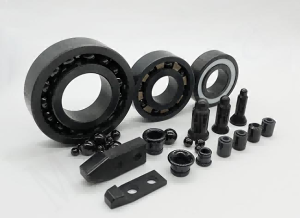
Silicon Nitride: The Advanced Ceramic Material Driving the Future of High-Performance Bearings and Industrial Applications

Polycarboxylate Superplasticizer Powder vs. Traditional Water Reducer: A Performance Revolution in Building Admixtures
Stainless steel cladding: revolutionizing architectural design and structural integrity
Nanoultrafine Molybdenum Disulfide MoS2 for Enhanced Lubrication and Antiwear Applications
