Professional and high-quality metal alloys, ceramic products and concrete additives | RBOSCHCO

In the world of sophisticated ceramics, Silicon Carbide (SiC) and Silicon Nitride (Si3N4) are one of the most widely used materials due to their outstanding mechanical properties, high-temperature resistance, and varied applications in industries such as aerospace, vehicle, and electronics. While both products have similarities in terms of their efficiency and durability, they also exhibit unique characteristics that make them appropriate for different commercial requirements. In this short article, we’ll contrast Silicon Carbide Ceramic and Silicon Nitride, focusing on their product properties, manufacturing processes, and essential applications.
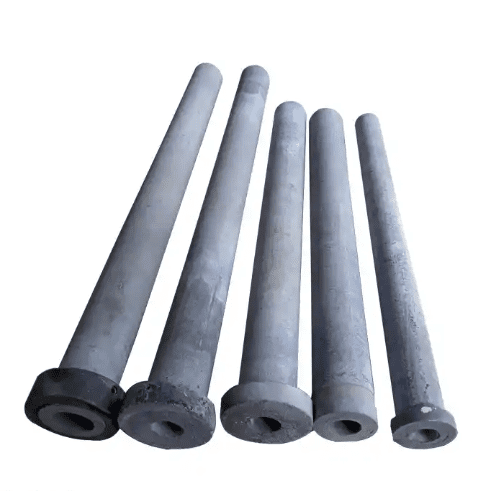
Material Properties of Silicon Carbide Ceramic and Silicon Nitride
Solidity and Stamina
Silicon Carbide (SiC) is renowned for its extreme firmness and high-strength residential or commercial properties, making it an excellent choice for applications requiring wear resistance. SiC has a Mohs hardness of 9.0, which is second only to diamond. This makes Silicon Carbide Ceramic perfect for elements that endure high friction and mechanical stress and anxiety, such as bearings, nozzles, and armour-piercing materials.On the other hand, Silicon Nitride (Si3N4) is likewise understood for its outstanding firmness and stamina, but it provides remarkable fracture toughness. While SiC is very difficult, Si3N4’s ability to resist cracking under stress makes it a better product for applications where sturdiness and reliability are essential in challenging atmospheres
Thermal Conductivity and Security
Silicon Carbide has excellent thermal conductivity, making it a recommended material in high-temperature applications such as heater linings and warmth exchangers. SiC can withstand temperature levels as high as 1600 ° C without substantial degradation of its mechanical properties, making it a necessary material for industries that call for thermal stability.Silicon Nitride, while not as thermally conductive as SiC, has exceptional thermal shock resistance. This makes Silicon Nitride Ceramics particularly valuable in applications where fast temperature adjustments are a concern, such as engine parts and turbine blades. In addition, Si3N4 keeps its stamina and integrity at temperature levels approximately 1200 ° C, making it highly reliable in high-stress environments.
| Property | Unit | Value |
| Silicon Carbide Content | % | 98.5 – 99% |
| Max. Continuous Use Temp (Air) | °C | 1650 |
| Density | g/cm³ | ≥ 2.7 |
| Porosity | % | ~15 |
| Flexural Strength | MPa | 80 – 100 (20°C) |
| MPa | 90 – 110 (1200°C) | |
| Elastic Modulus | GPa | 280 (20°C) |
| Thermal Conductivity | W/m·K | 100 (20°C) |
| W/m·K | 35 (1200°C) | |
| Coefficient of Thermal Expansion | K⁻¹ x10⁻⁶ | 4.6 |
Deterioration Resistance
When it comes to corrosion resistance, Silicon Carbide Ceramic stands out. SiC shows exceptional resistance to chemical corrosion, even in harsh environments such as acidic or basic conditions. This makes it an ideal choice for components used in chemical processing and other aggressive environments.On the other hand, while Silicon Nitride is very resistant to oxidation and wear, it might not offer the same level of protection against chemical strikes. However, its exceptional mechanical strength frequently compensates for this constraint in applications where mechanical failing is a greater problem than chemical deterioration.
Production Processes: Silicon Carbide Porcelain vs. Silicon Nitride
The production processes for Silicon Carbide and Silicon Nitride differ considerably, which influences the final properties of the materials.
Silicon Carbide Ceramic Manufacturing
Silicon Carbide Ceramics are commonly created with either a sintering or a chemical vapour deposition (CVD) process. Sintering involves heating SiC powder to a temperature level simply below its melting point to develop a dense, resilient ceramic material. This procedure can be enhanced with the use of additives like boron, which aids in improving the sintering attributes.
In CVD, SiC forms when a thin layer deposits onto a substrate at high temperatures. This process is used for high-performance components, such as semiconductor wafers, where precise control of material properties is key.
Silicon Nitride Production
The manufacturing of Silicon Nitride normally entails response bonding, where silicon powder is reacted with nitrogen at high temperatures to form a solid Si3N4 structure. This technique causes a product with high durability and strength, ideal for durable mechanical applications.Another method for making Si3N4 is hot pressing. High pressure and temperature combine to form dense, fine-grained material. This process is ideal for products like cutting tools and engine parts.
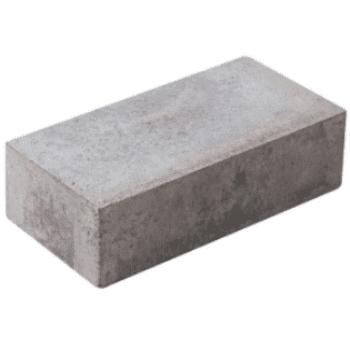
Key Applications of Silicon Carbide Ceramic and Silicon Nitride
Both Silicon Carbide and Silicon Nitride have a wide variety of industrial applications; their unique properties make them appropriate for different requirements.
Silicon Carbide Porcelain Applications
Aerospace and Protection: As a result of its high firmness, Silicon Carbide Ceramic is widely utilized in aerospace applications for elements like jet engine nozzles, projectile systems, and ballistic armour.
Semiconductors: SiC is important for high-power and high-frequency devices. It delivers strong performance in power electronics.
Mechanical Components: Elements like bearings, seals, and wear-resistant components benefit from the extraordinary hardness and use resistance of SiC.
Silicon Nitride Applications
Automotive and Aerospace: Silicon Nitride is used for engine parts, bearings, and turbocharger blades. Its toughness and resistance to thermal shock are key in these uses.
Cutting Tools: Si3N4’s crack resistance and hardness make it suitable for cutting tools that must withstand high stress and wear.
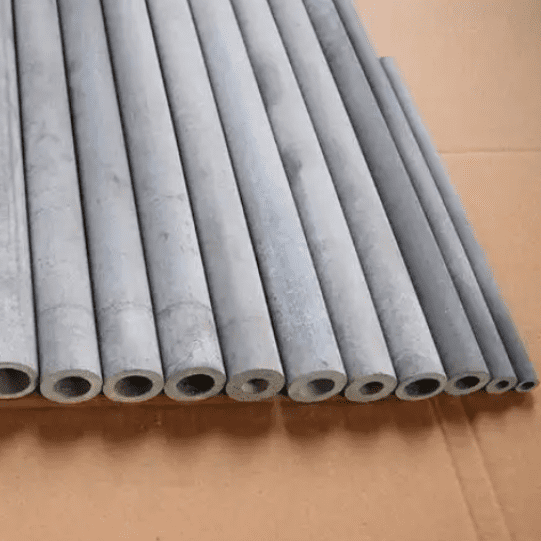
Energy and Power Generation: Si3N4 handles high temperatures and stress well. This makes it ideal for turbine blades, heat exchangers, and other power generation components.
Performance Comparison: Which is Better for Your Application?
Choosing between Silicon Carbide Ceramics and Silicon Nitride depends on your specific needs. If you need a material to handle high temperatures and resist wear, Silicon Carbide Porcelain may be best. Its hardness and thermal conductivity fit applications that need both strength and heat resistance.If your application needs high fracture toughness and thermal shock resistance, Silicon Nitride is likely the better choice. It performs well in quickly changing temperatures and has high mechanical strength, making it ideal for demanding industrial uses.
Supplier
RBOSCHCO is a trusted global Silicon Carbide ceramic,supplier & manufacturer with over 12 years experience in providing super high-quality chemicals and Nanomaterials. The company export to many countries, such as USA, Canada, Europe, UAE, South Africa,Tanzania,Kenya,Egypt,Nigeria,Cameroon,Uganda,Turkey,Mexico,Azerbaijan,Belgium,Cyprus,Czech Republic, Brazil, Chile, Argentina, Dubai, Japan, Korea, Vietnam, Thailand, Malaysia, Indonesia, Australia,Germany, France, Italy, Portugal etc. As a leading nanotechnology development manufacturer, RBOSCHCO dominates the market. Our professional work team provides perfect solutions to help improve the efficiency of various industries, create value, and easily cope with various challenges. If you are looking for Silicon Carbide ceramic, please feel free to contact us.
Tags:silicon carbide,silicon carbide ceramic,silicon carbide rod
RELATED POSTS

Ti₃AlC₂ Powder: Study On Antioxidant Properties

Why Is High-Purity Antimony-Doped Tin Oxide (ATO) So Popular?

Zirconia Ceramic Tubes vs Boron Nitride Tubes: Properties, Specs & Applications

Guide to Selecting the Right Metal Plates: Comparing Steel, Aluminum, Stainless Steel, Copper and Their Alloys

Exploring the Multifaceted World of Metal Oxides: A Comparative Analysis of Tin Oxide, Chromium Oxide, and Nickel Oxide
