Professional and high-quality metal alloys, ceramic products and concrete additives | RBOSCHCO

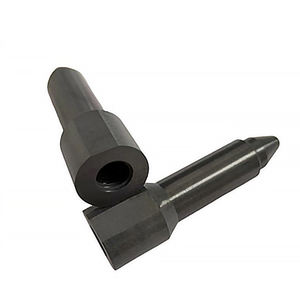
Silicon Nitride Ceramic Plungers are high-performance industrial components that have revolutionized the efficiency, durability, and reliability of pumping systems across various sectors. As industries worldwide shift toward more demanding operational conditions—including high temperatures, extreme pressures, corrosive media, and abrasive environments—traditional metal plungers are increasingly failing to meet the required standards. In contrast, silicon nitride ceramic plungers leverage the unique physical and chemical properties of advanced ceramic materials to outperform conventional alternatives, reducing maintenance costs, minimizing downtime, and extending the service life of critical equipment. This comprehensive guide will break down everything you need to know about silicon nitride ceramic plungers, from their core properties and manufacturing process to their key applications, advantages over other materials, and how to choose the right product for your industrial needs.
Core Composition and Material Characteristics of Silicon Nitride Ceramic Plungers
Silicon nitride is a typical covalent bonding material, and this intrinsic structure endows it with a series of unique properties suitable for plunger working conditions. Compared to traditional ceramics such as alumina and zirconia, silicon nitride has low density, high fracture toughness, and excellent thermal shock resistance. It can stably withstand rapid temperature changes and high amplitude mechanical stresses, making it an important material for structural components under harsh working conditions.
This material is usually formed through a complex sintering process, achieving a low porosity and high uniformity microstructure through high-temperature densification. This process ensures that the silicon nitride ceramic plunger maintains consistent performance across the entire working surface, effectively avoiding the risk of early failure caused by local defects.
Another prominent advantage of silicon nitride is its non-metallic properties: non-magnetic, insulating, and inert to the vast majority of chemical media. This characteristic makes it uniquely applicable in fields with strict control over metal pollution, such as pharmaceuticals, food and beverage, and electronic manufacturing. In addition, its surface has self-lubricating properties, which can effectively reduce the friction coefficient between the plunger and the cylinder body, thereby slowing down the wear of the mating pair and significantly extending the service life of both components.

Key Properties of Silicon Nitride Ceramic Plungers
The excellent performance of silicon nitride ceramic plungers is rooted in their unique combination of material properties, which make them significantly superior to metal, rubber, and even other ceramic plungers in harsh industrial environments. The following are the core performance indicators that define its technological advantages:
1. Extremely high wear resistance and surface stability
The hardness of silicon nitride ceramic plunger can reach HV 1500-1700, second only to diamond and cubic boron nitride. This characteristic enables it to maintain surface smoothness and sealing accuracy when dealing with abrasive media containing solid particles, such as slurries, industrial sludge, and grinding fluids. Compared with metal plungers that are prone to scratches, pitting, or plastic deformation, silicon nitride plungers can extend their service life by more than 10 times under abrasive conditions, directly reducing the frequency of spare parts replacement and unplanned downtime.
2. Excellent high-temperature mechanical retention
In high-temperature operation scenarios such as petroleum, chemical, and power generation, silicon nitride ceramic plungers exhibit excellent thermal stability. Under inert or weakly oxidizing atmospheres, its applicable temperature range can reach 1200 ° C. Unlike metal materials that are prone to softening and creep at high temperatures, silicon nitride maintains structural integrity and mechanical strength under extreme heat loads, making it suitable for harsh processes such as high-temperature fluid transportation, steam-driven pumps, and molten metal treatment.
3. Comprehensive chemical inertness and medium adaptability
Silicon nitride is inert to the vast majority of acids, bases, organic solvents, and corrosive chemicals, and is only sensitive to hydrofluoric acid and strong bases at extremely high temperatures. This characteristic gives it significant advantages in highly corrosive media conditions such as chemical processing, pharmaceuticals, and wastewater treatment. At the same time, its non-reactive surface ensures that metal ions will not precipitate or contaminate the transport medium, meeting industry standards for high cleanliness requirements such as pharmaceuticals and semiconductors.
4. Low friction coefficient and self-lubricating interface
The plunger cylinder friction pair is the main source of energy loss and wear in pump systems. Silicon nitride ceramics have self-lubricating surface characteristics, with a friction coefficient as low as 0.1-0.2, and can achieve smooth sliding without the need for auxiliary lubrication. The low-friction interface not only reduces the wear of the mating pair and prolongs the service life of both parties but also reduces the driving energy consumption, which has quantifiable energy-saving benefits in hydraulic and high-pressure conveying systems.
5. High mechanical strength and impact toughness
Silicon nitride combines high strength and high fracture toughness: its flexural strength remains above 600 MPa at 1200 ° C, and its fracture toughness reaches 6-8 MPa · m ¹/². Unlike brittle ceramics such as alumina, silicon nitride can withstand high pressure, pulsating loads, and mechanical impacts without brittle fracture, making it particularly suitable for scenarios that require high dynamic reliability, such as high-pressure hydraulic pumps, oilfield water injection systems, and precision injection devices.
Silicon Nitride Ceramic Plungers vs. Other Plunger Materials: A Comparative Analysis
| Material | Hardness (HV10) | Operating Temperature (°C) | Chemical Resistance | Fracture Toughness (MPa·m¹/²) | Wear Resistance | Density (g/cm³) |
|---|---|---|---|---|---|---|
| Silicon Nitride Ceramic | 1500-1700 | Up to 1200 | Excellent (resists most chemicals except HF) | 6-8 | Exceptional | 3.3 |
| Stainless Steel (316L) | 200-250 | Up to 800 | Good (susceptible to corrosion by strong acids/bases) | 15-20 | Poor to Moderate | 7.9 |
| Alumina Ceramic (Al₂O₃) | 1200-1300 | Up to 1600 | Good (susceptible to strong alkalis) | 3-4 | Good | 3.9 |
| Zirconia Ceramic (ZrO₂) | 1200-1400 | Up to 1000 | Good (susceptible to some acids) | 8-10 | Good | 6.0 |
| Tungsten Carbide (WC) | 1800-2000 | Up to 800 | Moderate (susceptible to corrosion by strong acids) | 10-12 | Excellent | 14-15 |
- Silicon Nitride vs. Stainless Steel: Silicon nitride offers far superior wear resistance, temperature stability, and chemical resistance compared to stainless steel. While stainless steel has higher fracture toughness, it is prone to corrosion and wear in harsh environments, making it unsuitable for long-term use in demanding applications. Silicon nitride’s low density also reduces the overall weight of the pump, improving energy efficiency.
- Silicon Nitride vs. Alumina/Zirconia Ceramic: Silicon nitride has better fracture toughness and thermal shock resistance than alumina, making it less prone to cracking under impact or temperature changes. Compared to zirconia, silicon nitride has a lower density, higher operating temperature, and better chemical resistance, making it more versatile for a wider range of applications.
- Silicon Nitride vs. Tungsten Carbide: Tungsten carbide has slightly higher hardness and wear resistance, but it is much denser (four times heavier than silicon nitride) and has poor chemical resistance and thermal shock resistance. Silicon nitride is also more cost-effective in large-scale applications, as tungsten carbide is expensive to manufacture and process.
Manufacturing Process of Silicon Nitride Ceramic Plungers
The high performance of silicon nitride ceramic plungers is not only due to the material’s inherent properties but also to the precision manufacturing process used to produce them. Creating a high-quality silicon nitride ceramic plunger requires strict control over every step of the process, from raw material selection to final inspection. Below is an overview of the key manufacturing steps:
1. Raw Material Selection and Preparation
The first step in manufacturing silicon nitride ceramic plungers is selecting high-purity raw materials. The primary material is silicon nitride powder (Si₃N₄), which must have a high purity (≥99%) and a uniform particle size (typically 0.5-1.0 μm) to ensure consistent sintering and final properties. In addition to silicon nitride powder, small amounts of sintering aids (such as Y₂O₃, Al₂O₃, or MgO) are added to lower the sintering temperature and improve the densification of the ceramic.
The raw materials are then mixed thoroughly in a high-energy ball mill to ensure a homogeneous mixture. The mixing process is critical, as any inconsistencies in the powder mixture can lead to defects in the final product. After mixing, the powder is dried to remove any moisture, which could cause porosity during sintering.
2. Forming
The next step is forming the powder mixture into the shape of a plunger. There are several forming methods used in the production of silicon nitride ceramic plungers, depending on the size, shape, and precision requirements of the final product:
- Cold Isostatic Pressing (CIP): This is the most common method for forming silicon nitride ceramic plungers. The powder mixture is placed in a flexible mold, which is then subjected to high pressure (typically 100-300 MPa) from all directions. CIP ensures uniform density throughout the green body (unfired ceramic), which is critical for achieving consistent properties in the final product. This method is ideal for producing large, complex-shaped plungers with high precision.
- Injection Molding: This method is used for producing small, complex-shaped plungers with tight tolerances. The powder mixture is mixed with a binder (such as wax or polymer) to form a feedstock, which is then injected into a mold under high pressure. After injection molding, the binder is removed from the green body (debinding) before sintering.
- Extrusion: This method is used for producing long, cylindrical plungers with a uniform cross-section. The powder mixture is forced through a die under high pressure to form the desired shape. Extrusion is a cost-effective method for the large-scale production of simple-shaped plungers.
3. Sintering
Sintering is the most critical step in the manufacturing process, as it transforms the green body into a dense, high-strength ceramic component. Silicon nitride ceramic plungers are typically sintered using one of two methods:
- Gas Pressure Sintering (GPS): This method involves heating the green body to a high temperature (1600-1800°C) in a nitrogen atmosphere under high pressure (1-10 MPa). The high pressure prevents the decomposition of silicon nitride at high temperatures, while the sintering aids promote densification by forming a liquid phase that fills the pores between the silicon nitride grains. GPS produces a dense ceramic with high strength and toughness, making it the preferred method for high-performance plungers.
- Hot Isostatic Pressing (HIP): This method combines high temperature (1500-1700°C) and high pressure (100-200 MPa) to sinter the green body. HIP is used for producing ultra-dense ceramic components with minimal porosity, which is ideal for applications requiring the highest level of performance (such as aerospace or semiconductor manufacturing). However, HIP is more expensive than GPS, making it suitable for high-end applications.
4. Precision Machining and Finishing
After sintering, the ceramic plunger blank is subjected to precision machining to achieve the required dimensions, tolerances, and surface finish. Silicon nitride is a hard and brittle material, so it must be machined using diamond tools (such as diamond grinders, lathes, and polishers) to avoid cracking or chipping. The machining process is carefully controlled to ensure that the plunger has a smooth surface finish (Ra ≤ 0.2 μm), which reduces friction and improves sealing performance.
In addition to machining, some plungers may undergo additional finishing processes, such as coating or polishing, to enhance their performance. For example, a thin diamond-like carbon (DLC) coating can further improve wear resistance, while a polished surface can reduce friction even more.
5. Quality Control and Inspection
The final step in the manufacturing process is quality control and inspection. Each silicon nitride ceramic plunger is thoroughly inspected to ensure that it meets the required specifications. Common inspection methods include:
- Dimensional Inspection: Using calipers, micrometers, and coordinate measuring machines (CMM) to verify that the plunger meets the required dimensions and tolerances.
- Surface Finish Inspection: Using a surface roughness tester to measure the surface finish (Ra) of the plunger.
- Porosity and Defect Inspection: Using X-ray diffraction (XRD), scanning electron microscopy (SEM), or ultrasonic testing to detect any porosity, cracks, or other defects in the ceramic.
- Mechanical Property Testing: Testing samples of the ceramic to verify hardness, strength, and toughness.
Only plungers that pass all quality control tests are shipped to customers, ensuring that they meet the highest standards of performance and reliability.
Applications of Silicon Nitride Ceramic Plungers
Silicon nitride ceramic plungers, with their hardness, chemical inertness, high-temperature stability, and self-lubricating properties, have replaced metal plungers in multiple industrial fields and become key components of pumping systems under harsh working conditions. The following are the six most mature industries and typical scenarios for their application:
1. Oil and gas industry
In the drilling, fracturing, and gathering processes, the pumping system needs to withstand long-term exposure to solid media, high-pressure fluctuations, and corrosive atmospheres. Silicon nitride plungers are mainly used for:
-High-pressure mud pump and hydraulic fracturing pump
-Oil well production increases treatment, and acidification injection device
-Crude oil/natural gas transportation and associated gas processing pump
Its wear resistance and chemical corrosion resistance significantly extend the maintenance cycle of pump valves, effectively reducing downtime losses in continuous operation scenarios.
2. Chemical Processing and Fine Chemicals
For the transportation of concentrated acids, strong bases, halides, and organic solvents, metal plungers are prone to pitting corrosion, intergranular corrosion, or hydrogen embrittlement. Silicon nitride plunger is suitable for:
-Measurement and dosing pump for corrosive chemicals
-Reactor feed and continuous flow conveying system
-Industrial wastewater neutralization and discharge treatment unit
Its nearly inert surface characteristics can avoid cross-contamination of the medium and reduce safety risks caused by corrosion leaks.
3. Pharmaceuticals and Biopharmaceuticals
During the aseptic preparation, raw material transportation, and bioreactor feeding process, the equipment surface must not precipitate metal ions or adsorb active ingredients. Silicon nitride plungers are used for:
-Injection water and buffer delivery pump
-Precision filling and aseptic packaging system
-Cell culture medium and bioreactor feeding device
Its surface density, non-adsorption, and easy cleaning and disinfection characteristics meet the requirements of GMP for the cleanliness and traceability of contact materials.
4. Food, beverage, and daily chemical industry
In the production of dairy products, beverages, seasonings, and cosmetics, the pumping system needs to be resistant to acidic and alkaline cleaning agents without altering the sensory quality of the materials. Silicon nitride plunger is suitable for:
-High viscosity sauce and emulsion conveying pump
-Circulating pump in CIP online cleaning system
-Dosing pump for sensitive components such as essence and surfactant
Its temperature resistance and anti-adhesion properties can effectively cope with frequent cleaning and multi-variety switching conditions.
5. Electronics and Semiconductor Manufacturing
The control of particle release and metal ion contamination in wafer cleaning, CMP polishing solution transportation, and ultrapure water circulation systems has reached the ppb level. Silicon nitride plungers are used for:
-High-purity chemical and photoresist supply pump
-Polishing liquid circulation and waste liquid recovery device
-Ultra pure water pressurization and precision filtration system
Its non-magnetic, non-conductive, and particle-free characteristics are one of the key factors in ensuring the yield of nanoscale processes.
6. Automotive and Aerospace
The fuel system, hydraulic actuator, and cooling cycle impose strict requirements on the specific strength, fatigue life, and thermal compatibility of components. Silicon nitride plunger is used for:
-High-pressure common rail diesel engine fuel pump
-Aviation hydraulic actuators and servo pumps
-Turbine blade cooling medium conveying device
Its low density helps to reduce the weight of the whole machine, while its low thermal expansion characteristics ensure a stable fit clearance over a wide temperature range, avoiding jamming or internal leakage.
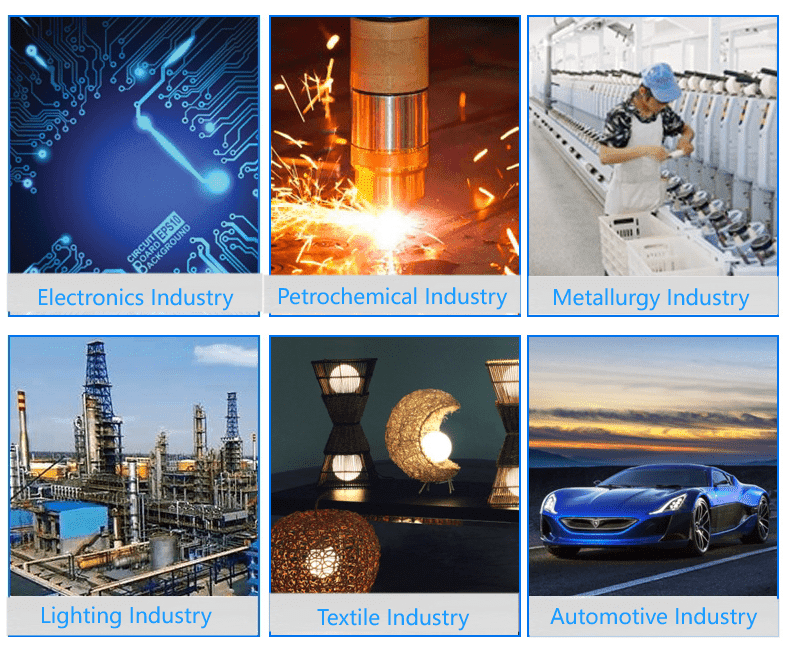
In addition, silicon nitride ceramic plungers are gradually entering the engineering verification stage in cutting-edge fields such as new energy equipment, nuclear energy auxiliary systems, and deep-sea exploration equipment. Its application boundary is continuously expanding from “replacing metals” to “achieving performance that metals cannot achieve”.
Silicon Nitride Ceramic Plungers are the future of industrial pumping systems, offering exceptional performance, reliability, and cost savings in even the harshest environments. Their unique combination of wear resistance, temperature stability, chemical inertness, and low friction makes them superior to traditional metal and other ceramic plungers, making them the ideal choice for a wide range of industries—from oil and gas to pharmaceuticals, electronics, and automotive.
Supplier
RBOSCHCO is a trusted global Silicon Nitride Ceramic supplier & manufacturer with over 12 years of experience in providing super high-quality chemicals and Nanomaterials. The company export to many countries, such as USA, Canada, Europe, UAE, South Africa, Tanzania, Kenya, Egypt, Nigeria, Cameroon, Ugand, Turkey, Mexico, Azerbaijan Be lgium, Cyprus, Czech Republic, Brazil, Chile, Argentina, Dubai, Japan, Korea, Vietnam, Thailand, Malaysia, Indonesia, Australia, Germany, France, Italy, Portugal etc. As a leading nanotechnology development manufacturer, RBOSCHCO dominates the market. Our professional work team provides perfect solutions to help improve the efficiency of various industries, create value, and easily cope with various challenges. If you are looking for Silicon Nitride Ceramic Plungers, please feel free to contact us.
RELATED POSTS

Unleash Unparalleled Potential: How Molybdenum Sulfide Solutions Are Sparking a Revolutionary Surge Across Global Industries

Zirconia Ceramic Tubes vs Boron Nitride Tubes: Properties, Specs & Applications

Copper Plate Supply Crunch: How New Electroplating Laws and National Stockpiles Are Reshaping Global Trade

Revolutionizing the Global Advanced Materials Arena: The Ascendancy of Tantalum Carbide, Boron Carbide, and Zirconium Carbide in Cutting-Edge Industrial Marvels
Choosing the Best Termal Insulation Material: Fumed Silica vs. Aerogel vs. Hollow Glass Microspheres