Professional and high-quality metal alloys, ceramic products and concrete additives | RBOSCHCO

Copper has long been a popular choice across industries—from industrial facilities to homes—thanks to its outstanding ability to conduct electricity and heat, along with its flexibility. For years, it’s been the material of choice for electrical wiring, plumbing, and heat exchange equipment, simply because it transfers energy well and holds up against mild corrosion. But pure copper—defined as copper with a purity of 99.3% or higher—has some major flaws that make it a bad fit for certain critical uses. As material science improves and alternative materials become easier to access, it’s becoming more and more obvious that sticking with pure copper in these cases only leads to higher costs, shorter lifespans, safety hazards, and wasted efficiency.
This article focuses on three key areas where pure copper should be replaced with better-suited materials: marine environments (specifically seawater piping and related components), high-temperature industrial machinery (heat-resistant parts), and lightweight structural uses (like automotive and aerospace components). For each of these applications, we’ll break down why pure copper falls short, compare it to the best alternative materials, and explain the economic, safety, and operational benefits of making the switch. We’ve also included a detailed comparison table to summarize the key differences between pure copper and its alternatives, giving engineers, manufacturers, and decision-makers a clear reference.
1. Marine Environments
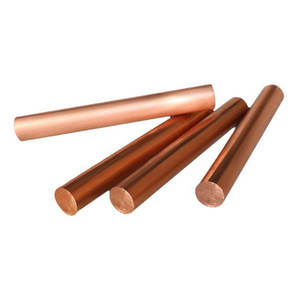
Marine environments are some of the toughest places for materials to survive. They’re filled with high salt levels, humidity, and constant exposure to corrosive substances. Seawater contains dissolved salts, oxygen, and various minerals that trigger chemical reactions, which can quickly corrode most metals. Even though pure copper is known for resisting corrosion in mild settings, it struggles a lot when used in seawater—making it a risky and expensive option for seawater piping, marine hardware, and offshore parts.
The main problem with pure copper in marine settings is that it’s prone to two types of corrosion: uniform corrosion and dealloying. Uniform corrosion happens when the entire surface of pure copper reacts with seawater, slowly thinning the material over time. Dealloying—sometimes called “dezincification,” though pure copper doesn’t contain zinc—can still occur because of impurities in commercial pure copper. This process breaks down the metal’s structure, leaving it brittle and porous, so it easily cracks or breaks. Industry studies show that pure copper pipes in seawater systems can corrode at a rate of 0.1 to 0.3 millimeters per year. That means a 10mm-thick pipe could fail in as little as 30 years—far shorter than the 50-plus years most marine infrastructure is expected to last.
On top of that, pure copper doesn’t have enough mechanical strength for marine use. Marine components need to handle high water pressure, wave impact, and structural loads, but pure copper only has a tensile strength of 220 to 300 MPa when annealed. That’s not nearly strong enough for offshore pipes and marine hardware. This lack of strength increases the risk of pipes bursting, components bending or warping, and even catastrophic failures—all of which can cause environmental damage (like oil or chemical leaks) and expensive repairs.
The best alternative to pure copper in marine environments is cupronickel, an alloy made of copper and nickel. It combines copper’s conductivity with nickel’s corrosion resistance and strength. Cupronickel alloys—usually 90% copper and 10% nickel, or 70% copper and 30% nickel—are specifically designed to resist seawater corrosion. Their corrosion rate is less than 0.01 mm per year, which is 10 to 30 times lower than pure copper. These alloys also have a higher tensile strength (350 to 450 MPa) and better flexibility, making them perfect for high-pressure piping and structural components. Aluminum bronze is another good option; it’s extremely resistant to wear and seawater corrosion, so it works well for marine bearings, bushings, and pump parts.
The U.S. Navy is a real-world example of this switch. It replaced pure copper piping with cupronickel in its ships and reported a 70% drop in maintenance costs and a 50% increase in component lifespan. Offshore oil rigs have also started using cupronickel for seawater cooling systems, which means they don’t have to replace pipes as often and experience less downtime. On the other hand, a coastal power plant in Asia that kept using pure copper seawater pipes had three pipe failures in five years. This cost the plant $2 million in repairs and 12 days of unplanned downtime.、
2. High-Temperature Industrial Machinery: Heat-Resistant Parts
High-temperature industrial applications—such as furnace components, boiler tubes, and exhaust systems—need materials that can handle extreme heat (often over 500°C) without losing their shape, oxidizing, or breaking. While pure copper is great at conducting heat, it’s not well-suited for these environments because of its low melting point, high thermal expansion, and tendency to oxidize at high temperatures.
Pure copper’s melting point is 1085°C, which might sound high, but it starts to soften and lose strength when temperatures go above 300°C. At 500°C, its tensile strength drops by more than half, making it easy to deform even under moderate loads. What’s more, pure copper oxidizes quickly when temperatures exceed 200°C, forming a layer of copper oxide (CuO) that peels off easily. This exposes fresh metal to more oxidation, which weakens the material over time and leads to premature failure of critical components. For instance, pure copper furnace liners in steel mills can degrade in as little as 6 to 12 months, forcing frequent replacements and disrupting production.
Another issue with pure copper in high-temperature applications is its high thermal expansion coefficient (16.5 × 10^-6 per °C). When it’s exposed to rapid temperature changes—like the heating and cooling cycles in a boiler—pure copper expands and contracts a lot. This causes thermal stress and cracking. Thermal fatigue is a major cause of failure in high-temperature machinery; repeated heating and cooling weakens the material’s structure and creates tiny cracks that eventually grow into larger ones.
The best alternatives to pure copper for high-temperature industrial parts are nickel-based superalloys and stainless steel. Nickel-based superalloys, such as Inconel 600 and Hastelloy X, are designed to handle temperatures up to 1200°C. They have high tensile strength and excellent resistance to oxidation and thermal fatigue. At 500°C, these alloys have a tensile strength of 600 to 800 MPa—far higher than pure copper at the same temperature. Stainless steel, especially austenitic grades like 316L, is a more cost-effective option. It offers good high-temperature resistance (up to 800°C) and corrosion resistance, making it ideal for boiler tubes and exhaust systems.
A European chemical plant’s experience shows the benefits of this switch. The plant used to use pure copper heat exchanger tubes in its high-temperature reactor system, which needed to be replaced every 8 months. After switching to Inconel 600 tubes, the heat exchangers lasted 5 years—cutting maintenance costs by 80% and eliminating unplanned downtime. Similarly, a waste incineration plant replaced pure copper exhaust components with 316L stainless steel, reducing replacement costs by 60% and improving operational efficiency.

3. Lightweight Structural Applications: Automotive and Aerospace Components
The automotive and aerospace industries are increasingly focused on making products lighter to improve fuel efficiency, reduce emissions, and boost performance. Every kilogram saved in a vehicle or aircraft translates to significant fuel savings over its lifetime. But pure copper is a dense material (8.96 g/cm³), which makes it a poor choice for lightweight structural components where reducing weight is a top priority. Additionally, its mechanical strength is too low for many structural uses—meaning you need thicker, heavier components to meet safety standards, which defeats the purpose of lightweighting.
In automotive applications, pure copper has traditionally been used for wiring, heat exchangers, and structural brackets. But its high density adds unnecessary weight to vehicles: a typical car has 20 to 30 kg of copper wiring alone, and that weight could be cut by 50% or more with lighter alternatives. Pure copper’s low strength also means that structural brackets made from it have to be thicker to support loads, adding even more weight. For electric vehicles (EVs), reducing weight is even more important because it directly affects battery range—saving 10 kg can increase range by 5 to 10 km.
In aerospace applications, the weight of pure copper is an even bigger problem. Aircraft components need to be as light as possible to reduce fuel consumption and increase payload capacity. Pure copper is nearly three times as dense as aluminum (2.7 g/cm³) and more than twice as dense as titanium (4.5 g/cm³), making it impractical for most structural components. Even in electrical systems—where copper’s conductivity is useful—its weight is a major downside.
The best alternatives to pure copper for lightweight structural applications are aluminum, titanium, and carbon fiber composites. Aluminum (density 2.7 g/cm³) is lightweight, has a high strength-to-weight ratio (tensile strength 300 to 400 MPa), and is affordable—making it ideal for automotive wiring, heat exchangers, and structural brackets. For example, replacing pure copper wiring with aluminum wiring in a car cuts weight by 50% while still providing enough conductivity (aluminum has 61% of copper’s conductivity, which is enough for most automotive uses). Titanium (density 4.5 g/cm³) is stronger than pure copper (tensile strength 800 to 1000 MPa) and lightweight, so it’s perfect for aerospace structural components and high-performance automotive parts. Carbon fiber composites (density 1.5 to 2.0 g/cm³) have the highest strength-to-weight ratio of any material, making them ideal for aircraft wings, body panels, and high-end automotive components.
Tesla is a notable example of this switch. The company replaced pure copper wiring with aluminum wiring in its EVs, reducing the wiring system’s weight by 12 kg and increasing battery range by 15 km. Boeing also used titanium and carbon fiber composites instead of pure copper in the 787 Dreamliner, cutting the aircraft’s weight by 15% and improving fuel efficiency by 20%. In contrast, a traditional gasoline-powered car using pure copper wiring and structural components is 10 to 15 kg heavier than a similar car using aluminum and composites—resulting in 5 to 10% higher fuel consumption.

Comparison of Pure Copper and Alternative Materials Across Key Applications
The table below summarizes the key properties of pure copper and its best alternatives for the three applications we’ve discussed. It highlights why pure copper isn’t suitable and why the alternatives offer better performance, cost-effectiveness, and safety.
| Application | Material | Density (g/cm³) | Tensile Strength (MPa) | Corrosion Resistance (Seawater/High-Temp) | Lifespan (Years) | Cost (Relative to Pure Copper) | Key Advantages | Key Disadvantages |
| Marine Seawater Piping/Components | Pure Copper | 8.96 | 220–300 | Poor (Corrosion rate: 0.1–0.3 mm/year) | 20–30 | 100% | Good conductivity, ductile | Rapid corrosion, low strength, short lifespan |
| Cupronickel (90/10) | 8.80 | 350–450 | Excellent (Corrosion rate: <0.01 mm/year) | 50–70 | 150% | Seawater-resistant, high strength, long lifespan | Higher initial cost | |
| Aluminum Bronze | 7.80 | 400–500 | Excellent (Resists wear and seawater corrosion) | 40–60 | 140% | Wear-resistant, high strength, cost-effective | Lower conductivity than pure copper | |
| High-Temperature Industrial Parts | Pure Copper | 8.96 | 110–150 (at 500°C) | Poor (Rapid oxidation above 200°C) | 0.5–1 | 100% | Excellent thermal conductivity | Low high-temp strength, rapid oxidation, thermal fatigue |
| Inconel 600 | 8.47 | 600–800 (at 500°C) | Excellent (Resists oxidation up to 1200°C) | 5–10 | 500% | High-temp strength, oxidation-resistant, long lifespan | High initial cost | |
| 316L Stainless Steel | 7.98 | 400–500 (at 500°C) | Good (Resists oxidation up to 800°C) | 3–5 | 200% | Cost-effective, good high-temp resistance | Lower thermal conductivity than pure copper | |
| Lightweight Structural (Automotive/Aerospace) | Pure Copper | 8.96 | 220–300 | Good (Mild environments only) | 5–10 | 100% | Good conductivity, ductile | High density, low strength-to-weight ratio |
| Aluminum (6061-T6) | 2.70 | 310 | Good (With proper coating) | 10–15 | 50% | Lightweight, cost-effective, good strength-to-weight ratio | Lower conductivity than pure copper | |
| Carbon Fiber Composite | 1.5–2.0 | 1000–1500 | Excellent (Resists corrosion, no oxidation) | 15–20 | 1000% | Ultra-lightweight, highest strength-to-weight ratio | Very high initial cost, difficult to repair |
Pure copper is still a great material for uses that require high electrical or thermal conductivity in mild environments—like residential wiring or low-temperature heat exchangers. But when it comes to the three critical applications we’ve discussed—marine seawater components, high-temperature industrial parts, and lightweight structural components—it’s clearly not up to the task. Its flaws—poor resistance to seawater corrosion, low strength at high temperatures, and high density—make it a costly, unsafe, and inefficient choice in these scenarios.
The alternatives we’ve highlighted—cupronickel and aluminum bronze for marine use, nickel-based superalloys and stainless steel for high-temperature parts, and aluminum, titanium, and carbon fiber composites for lightweight structures—offer better performance, longer lifespans, and greater long-term cost-effectiveness. While some of these alternatives cost more upfront, their longer lifespans and lower maintenance needs more than make up for the initial investment. For example, cupronickel may cost 50% more than pure copper at first, but its 50- to 70-year lifespan (compared to 20 to 30 years for pure copper) means it’s cheaper over time.
As material science continues to advance, new alternatives will likely be developed, which will further reduce the need for pure copper in these applications. But even with the materials we have now, the case for replacing pure copper in marine, high-temperature, and lightweight structural applications is clear. By making this switch, manufacturers and operators can improve safety, cut costs, boost efficiency, and extend the lifespan of their equipment—ultimately achieving better performance and sustainability.
In short, we can no longer rely on pure copper for every application. For the three uses we’ve covered, the risks and costs of using pure copper far outweigh its benefits. It’s time to embrace alternative materials that are better suited to these challenging environments, ensuring that our infrastructure, machinery, and vehicles are safer, more efficient, and more durable.
Supplier
RBOSCHCO is a trusted global copper supplier & manufacturer with over 12 years of experience in providing super high-quality chemicals and Nanomaterials. The company export to many countries, such as USA, Canada, Europe, UAE, South Africa, Tanzania, Kenya, Egypt, Nigeria, Cameroon, Ugand, Turkey, Mexico, Azerbaijan Be lgium, Cyprus, Czech Republic, Brazil, Chile, Argentina, Dubai, Japan, Korea, Vietnam, Thailand, Malaysia, Indonesia, Australia, Germany, France, Italy, Portugal etc. As a leading nanotechnology development manufacturer, RBOSCHCO dominates the market. Our professional work team provides perfect solutions to help improve the efficiency of various industries, create value, and easily cope with various challenges. If you are looking for copper, please feel free to contact us.
RELATED POSTS
Choosing the Best Termal Insulation Material: Fumed Silica vs. Aerogel vs. Hollow Glass Microspheres

Alumina vs Zirconia Ceramic Rods: Composition, Properties, Applications & Cost Analysis

Revolutionizing High-Tech Applications: How Silicon Carbide and Tantalum Carbide Lead the Charge in Advanced Material Solutions
Is Metal 3D Printing Truly a “Universal Shape Maker”

TR-B Foaming Agent: The Secret Ingredient Behind Stronger, Lighter, and Greener Construction