Professional and high-quality metal alloys, ceramic products and concrete additives | RBOSCHCO

In the global advanced manufacturing industry, advanced ceramics have become indispensable core materials, driving innovation in fields such as electronics, aerospace, automotive, medical devices, and chemical engineering. Unlike traditional ceramics made from natural minerals, advanced ceramics are fabricated from high-purity synthetic inorganic compounds through precision-controlled processes, boasting exceptional properties such as high temperature resistance, corrosion resistance, high hardness, and excellent electrical performance. As a professional supplier of advanced ceramics with years of export experience, we often receive inquiries from overseas buyers about the differences between oxide and non-oxide advanced ceramics—two major categories that dominate the market. Understanding their distinctions is crucial for you to select the most suitable material for your application, reduce procurement risks, and maximize product value. This blog will comprehensively compare oxide and non-oxide advanced ceramics from multiple dimensions, including chemical composition, structural characteristics, key properties, typical applications, and procurement considerations, helping you make informed decisions.
1. Fundamental Definition: What Are Oxide and Non-Oxide Advanced Ceramics?
The core difference between oxide and non-oxide advanced ceramics lies in their chemical composition, which directly determines their atomic bonding, microstructures, and ultimately their performance characteristics. This classification is not merely an academic distinction but a practical guide for material selection in various industrial scenarios.
1.1 Oxide Advanced Ceramics
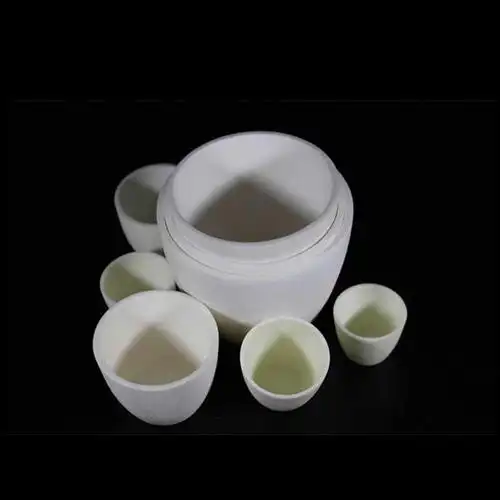
Oxide advanced ceramics are inorganic non-metallic compounds based on metal oxides, formed by the chemical combination of one or more metal elements (such as aluminum, zirconium, silicon, and magnesium) with oxygen atoms. Their atomic structure is dominated by ionic bonds between oxygen anions and metal cations, which endows them with unique stability and versatility. As the most mature and widely used category of advanced ceramics, oxide ceramics are favored by overseas buyers for their reliable performance, mature production processes, and cost-effectiveness. Common types include alumina (Al₂O₃), zirconia (ZrO₂), silica (SiO₂), and magnesia (MgO), among which alumina and zirconia account for over 70% of the global oxide advanced ceramics market due to their comprehensive properties.
1.2 Non-Oxide Advanced Ceramics
Non-oxide advanced ceramics, as the name suggests, are advanced ceramic materials that do not contain oxygen in their chemical composition. They mainly include carbides, nitrides, borides, and silicides, formed by covalent bonding between non-metallic elements (such as carbon, nitrogen, boron) and metal or semi-metal elements (such as silicon, titanium, tungsten). The covalent bonding structure gives them superior hardness, high-temperature mechanical properties, and thermal conductivity compared to oxide ceramics. However, their production requires more complex processes—such as high-temperature sintering in a reducing or inert atmosphere to prevent oxidation—and higher production costs, making them suitable for high-end, extreme-environment applications. The most widely used non-oxide advanced ceramics in the global market are silicon carbide (SiC), silicon nitride (Si₃N₄), boron carbide (B₄C), and titanium boride (TiB₂).
2. Core Differences: A Comprehensive Comparison
To help you quickly grasp the key distinctions between oxide and non-oxide advanced ceramics, we have compiled a detailed comparison table covering chemical composition, bonding type, key properties, typical products, application fields, production costs, and other critical factors for procurement:
| Comparison Dimension | Oxide Advanced Ceramics | Non-Oxide Advanced Ceramics |
|---|---|---|
| Chemical Composition | Metal oxides (e.g., Al₂O₃, ZrO₂, SiO₂), containing oxygen atoms | Carbides, nitrides, borides, etc. (e.g., SiC, Si₃N₄, B₄C), no oxygen atoms |
| Atomic Bonding | Mainly ionic bonding, with partial covalent bonding characteristics | Mainly covalent bonding, directional and strong |
| High-Temperature Performance | Good high-temperature stability (usable up to 1000–1400°C), stable in oxidizing environments; thermal conductivity is relatively low (25–32 W/mK for Al₂O₃, 3 W/mK for ZrO₂) | Excellent high-temperature resistance (usable up to 1400–1800°C), high thermal conductivity (80 W/mK for SiC), but susceptible to oxidation in high-temperature oxidizing environments |
| Hardness & Wear Resistance | High hardness (HRA 90–93 for Al₂O₃, HRA 93 for sapphire), good wear resistance, suitable for general wear-resistant scenarios | Extremely high hardness (Mohs 9.5 for SiC, HRA 94 for SiC), superior wear resistance, close to diamond in hardness |
| Electrical Properties | Most are excellent electrical insulators (1×10⁻¹⁴ to 1×10¹⁵ Ωcm for Al₂O₃); some can be made into semiconductors by doping | Diverse electrical properties: SiC is a semiconductor, B₄C is a conductor, and some nitrides are insulators |
| Corrosion Resistance | Excellent corrosion resistance to acids, alkalis, and most organic solvents; stable in humid environments | Superior corrosion resistance to strong acids, strong alkalis, and high-temperature melts; not easily corroded by most chemicals |
| Toughness | Good toughness (6–8 MPa·m¹/² for ZrO₂), better than traditional ceramics, not easy to break under moderate impact | High toughness (6–7.0 MPa·m¹/² for Si₃N₄), excellent fracture resistance, suitable for high-impact and high-load scenarios |
| Density | Relatively high (3.9–4.0 g/cm³ for Al₂O₃, 6.0 g/cm³ for ZrO₂) | Relatively low (3.20 g/cm³ for SiC and Si₃N₄), lightweight advantage |
| Typical Products | Alumina substrates, zirconia ceramic bearings, sapphire watch lenses, ceramic seals, electronic tube shells | SiC heat exchangers, Si₃N₄ turbine blades, B₄C armor plates, TiB₂ electrodes, semiconductor substrates |
| Application Fields | Electronics, medical devices, automotive sensors, daily necessities, chemical seals | Aerospace, high-temperature engineering, semiconductor manufacturing, military equipment, oil and gas exploration |
| Production Cost | Relatively low, mature production process, suitable for large-scale mass production | Relatively high, complex production process (needing inert atmosphere sintering), suitable for high-end customized products |
| Procurement Priority | Cost-sensitive, general performance requirements, large-scale procurement | High-performance requirements, extreme environment applications, high-value-added products |
3. In-Depth Analysis of Key Properties and Application Scenarios
Understanding the core properties of oxide and non-oxide advanced ceramics is the key to matching them with your application scenarios. Below, we will elaborate on the most concerned properties of each category and their typical application cases in global industries, helping you better align your procurement needs with material characteristics.
3.1 Oxide Advanced Ceramics: Reliable Performance for Universal Applications
Oxide advanced ceramics are favored by overseas buyers for their balanced performance, cost-effectiveness, and mature supply chain. Among them, alumina and zirconia are the most representative products, occupying an important position in global trade.
Alumina (Al₂O₃) is the most widely used oxide advanced ceramic, accounting for more than 50% of the global oxide ceramic market. It has extremely high hardness (HRA 90–93), excellent electrical insulation, and stable performance at high temperatures (usable up to 1400°C), with dense grades achieving Vickers hardness values of around 20 GPa. These properties make alumina ideal for electronic substrates, ceramic bearings, seals, and refractory components. For example, in the electronics industry, alumina substrates are widely used in integrated circuits, power modules, and LED lighting due to their excellent insulation and heat dissipation performance; in the mechanical industry, alumina ceramic bearings replace traditional metal bearings in high-speed rotating equipment, reducing wear and extending service life by 3–5 times. As a professional supplier, we provide alumina products in various purity grades (95%, 99%, 99.9%) to meet the needs of different industries—from general industrial wear parts to high-precision electronic components.
Zirconia (ZrO₂) is another core oxide ceramic, renowned for its exceptional toughness (6–8 MPa·m¹/²) and thermal expansion performance (α=10×10⁻⁶/K, close to steel), with a maximum service temperature of 1000°C. Unlike other brittle ceramics, zirconia has good impact resistance, making it suitable for scenarios requiring high toughness, such as ceramic knives, medical implants, and automotive sensors. In the medical field, zirconia ceramic implants (such as artificial joints) have excellent biocompatibility, no rejection reaction with human tissues, and high wear resistance, which has been widely adopted by medical institutions in Europe, the United States, and Japan. In the automotive industry, zirconia sensors are used in exhaust gas treatment systems to improve emission standards and meet global environmental protection requirements. Additionally, zirconia is widely used in the consumer electronics industry, such as fingerprint recognition modules and mobile phone middle frames, due to its high hardness and wear resistance.
Sapphire, a special oxide ceramic, deserves special mention. It has extremely high hardness (HRA 93), excellent high-temperature stability, and a light transmittance of about 80% from 300nm to 5000nm, making it an ideal optical material. Sapphire watch lenses, mobile phone panels, and LED substrates are its main application products, favored by high-end consumer electronics brands. Our sapphire products have passed ISO9001 quality certification, with stable transmittance and surface flatness, and are exported to more than 30 countries and regions including the United States, Germany, and South Korea.
3.2 Non-Oxide Advanced Ceramics: High Performance for Extreme Environments
Non-oxide advanced ceramics are designed for extreme industrial environments, with superior performance in high temperature, high pressure, high wear, and strong corrosion scenarios. Although their production cost is higher, they can significantly improve the reliability and service life of equipment, reducing long-term maintenance costs for enterprises—making them the first choice for high-end manufacturing fields.
Silicon carbide (SiC) is the most widely used non-oxide advanced ceramic, known as the “king of advanced ceramics”. It has extremely high hardness (Mohs 9.5), excellent thermal conductivity (80 W/mK), low linear expansion coefficient (4.5×10⁻⁶/K at 400°C), and a maximum service temperature of 1500°C. Its covalent bonding structure makes it highly resistant to wear and corrosion, suitable for high-temperature, high-wear scenarios. In the aerospace industry, SiC is used to manufacture turbine blades, rocket nozzles, and radar antenna covers, withstanding high temperatures of over 1600°C and harsh space environments; in the semiconductor industry, SiC substrates are used in high-voltage, high-frequency power electronics, improving the efficiency and energy-saving performance of electronic devices. In the automotive industry, SiC brake discs and diesel particulate filters are increasingly adopted, reducing vehicle weight and improving braking performance. Our SiC products have high density (≥99.5%) and stable performance, and are widely used in aerospace, semiconductor, and automotive fields, with a good reputation among overseas buyers.
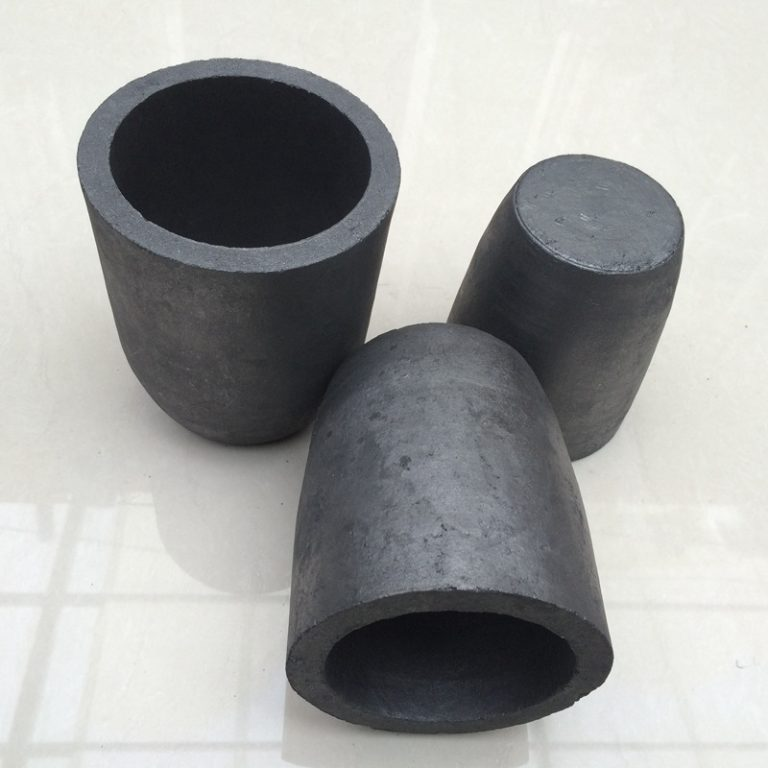
Silicon nitride (Si₃N₄) is another core non-oxide ceramic, with excellent comprehensive performance—high hardness (HRA 92.5), good fracture toughness (6–7.0 MPa·m¹/²), low density (3.20 g/cm³), and a maximum service temperature of 1400°C. Its low thermal expansion coefficient (3.2×10⁻⁶/K) makes it have excellent thermal shock resistance, not easy to crack under rapid temperature changes, suitable for high-temperature mechanical components. In the mechanical industry, Si₃N₄ ceramic bearings are the first choice for high-speed, high-precision motors, with a service life 10 times that of traditional metal bearings; in the metallurgical industry, Si₃N₄ crucibles and combustion nozzles are used to melt high-temperature metals, withstanding corrosion and high temperatures. In the aerospace industry, Si₃N₄ is used to manufacture engine components, reducing the weight of the engine and improving fuel efficiency. Our Si₃N₄ products adopt liquid-phase sintering technology, with uniform microstructure and stable mechanical properties, meeting the high standards of global high-end manufacturing industries.
Other non-oxide ceramics, such as boron carbide (B₄C) and titanium boride (TiB₂), also have unique properties. B₄C is one of the hardest materials in the world, with excellent impact resistance, suitable for manufacturing armor plates, bulletproof vests, and high-precision abrasives; TiB₂ has good electrical conductivity and high-temperature resistance, used in electrodes for metal melts and high-temperature heating elements. These products are mainly used in military, metallurgical, and other special fields, and our customized production capacity can meet the personalized needs of overseas buyers
Supplier
RBOSCHCO is a trusted global Oxide and Non-Oxide Advanced Ceramics supplier & manufacturer with over 12 years of experience in providing super high-quality chemicals and Nanomaterials. The company export to many countries, such as USA, Canada, Europe, UAE, South Africa, Tanzania, Kenya, Egypt, Nigeria, Cameroon, Ugand, Turkey, Mexico, Azerbaijan Be lgium, Cyprus, Czech Republic, Brazil, Chile, Argentina, Dubai, Japan, Korea, Vietnam, Thailand, Malaysia, Indonesia, Australia, Germany, France, Italy, Portugal etc. As a leading nanotechnology development manufacturer, RBOSCHCO dominates the market. Our professional work team provides perfect solutions to help improve the efficiency of various industries, create value, and easily cope with various challenges. If you are looking for Oxide and Non-Oxide Advanced Ceramics, please feel free to contact us.
RELATED POSTS

ZrN powder: high-performance material for cutting-edge applications
Boron Powder and Boron Carbide: Performance and Application Comparison

Revolutionizing High-Temperature Solutions: Emerging Innovations in Zirconium Carbide and Titanium Carbide
Why Chromium Carbide Overlay (CCO) Chips Are the Secret to Extreme Abrasion Resistance
How Does Boron Carbide Powder Achieve Superhardness, Wear Resistance And Lightweight?
