Professional and high-quality metal alloys, ceramic products and concrete additives | RBOSCHCO

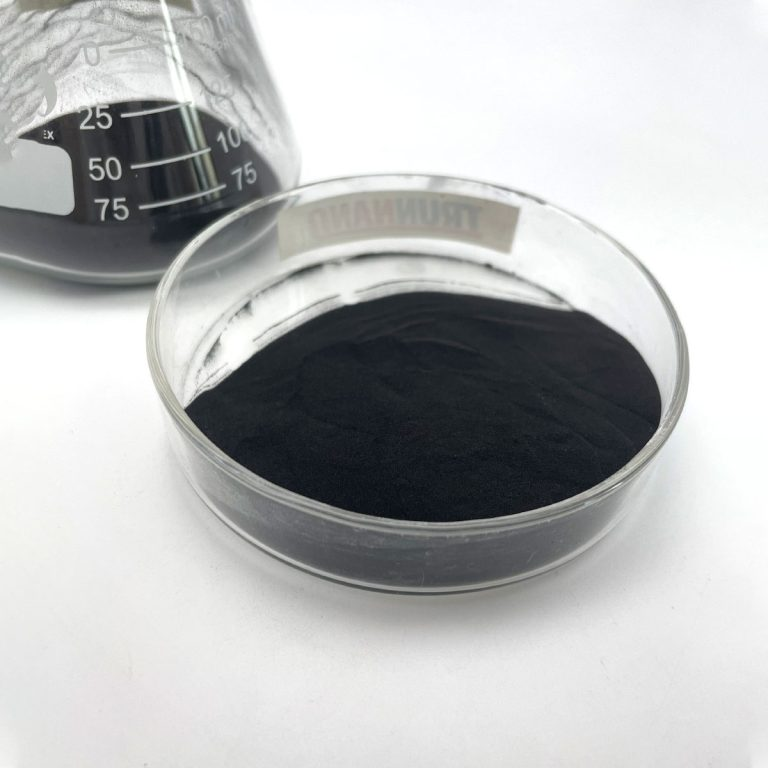
In the global race towards carbon neutrality, the electric vehicle (EV) industry has emerged as a core driving force for energy transition. As consumers demand longer driving ranges, faster charging speeds, and higher safety performance, the performance of lithium-ion batteries— the “heart” of EVs— has become a decisive factor in market competition. Among all battery components, the anode material directly determines key indicators such as energy density, cycle life, and charging efficiency. Traditional graphite anode materials, with their theoretical capacity of only 372 mAh/g, have approached their physical limits, making it difficult to meet the upgrading needs of next-generation high-performance EV batteries. Against this backdrop, TRGY-3 Silicon Anode Material, a high-performance battery anode powder independently developed for EV manufacturers, breaks through technical bottlenecks and opens a new era of high-efficiency, high-reliability battery energy storage.
Silicon-based anode materials have long been regarded as the most promising alternative to graphite anodes due to their ultra-high theoretical capacity (up to 4200 mAh/g), low lithiation potential, and abundant resource reserves. However, the widespread commercial application of silicon-based anodes has been hindered by two core pain points: severe volume expansion (up to 300% during lithiation) and poor cycle stability, which easily lead to electrode powdering and capacity attenuation, affecting battery safety and service life. TRGY-3 Silicon Anode Material has achieved a comprehensive breakthrough in these technical difficulties through innovative structural design and precision process control, creating a product that balances high performance, stability, and cost-effectiveness— tailored to the actual production needs of EV manufacturers.
Core Advantages of TRGY-3: Rewriting the Performance Benchmark of EV Battery Anodes
TRGY-3 is not just a simple upgrade of traditional silicon-based anode materials, but a systematic innovation covering material design, preparation process, and application adaptation. Its core advantages are closely aligned with the core demands of EV manufacturers for battery performance, production efficiency, and cost control, providing a comprehensive solution for the upgrading of EV power batteries.
1. Ultra-High Energy Density: Extending EV Driving Range to a New Level
The biggest pain point of current EVs is range anxiety, which is directly related to the energy density of the battery. TRGY-3 adopts a “nano-silicon + multi-layer carbon coating” composite structure, which maximizes the lithium storage capacity of silicon while solving the problem of volume expansion. The actual specific capacity of TRGY-3 reaches 1600-1800 mAh/g, which is 4-5 times that of traditional graphite anodes. When applied to EV power batteries, it can increase the battery energy density by 30%-40% without changing the battery volume and weight.
For example, a mid-sized EV equipped with a traditional graphite anode battery (energy density 180 Wh/kg) has a cruising range of 500 km. After replacing it with a battery using TRGY-3 silicon anode material, the battery energy density can be increased to 240-250 Wh/kg, and the cruising range can be extended to 650-700 km, eliminating consumer range anxiety. This not only enhances the market competitiveness of EV models but also reduces the number of battery packs required for long-range models, further optimizing the vehicle’s weight distribution and energy consumption efficiency.
2. Excellent Cycle Stability: Reducing Battery Replacement Costs for EVs
Cycle life is a key indicator affecting the service life and total cost of ownership of EV batteries. TRGY-3 solves the problem of poor cycle stability of silicon-based anodes through two core technologies: first, the nano-silicon particles are precisely controlled at 50-100 nm, which can effectively buffer the volume expansion during lithiation and avoid particle cracking; second, the multi-layer carbon coating (amorphous carbon + graphite carbon) forms a stable protective layer on the surface of silicon particles, which not only improves electron conductivity but also inhibits the growth of SEI film, reducing capacity attenuation during charge and discharge cycles.
Through strict testing, TRGY-3 maintains a capacity retention rate of more than 85% after 1000 charge-discharge cycles, which is equivalent to the cycle life of traditional graphite anodes, and far exceeds the performance of ordinary silicon-based anode materials (capacity retention rate of less than 70% after 500 cycles). For EV manufacturers, this means that the service life of the battery can be extended to 8-10 years, which is consistent with the service life of the vehicle, greatly reducing the after-sales maintenance costs and battery replacement costs, and improving the market acceptance of EVs.
3. Fast Charging Performance: Meeting the Urgent Demand for Efficient Energy Supplement
With the popularization of EVs, the demand for fast charging has become increasingly urgent. TRGY-3 has excellent electron and ion conductivity due to its unique composite structure: the multi-layer carbon coating forms a continuous electron conduction network, and the reasonable pore structure design accelerates the diffusion rate of lithium ions. The material can achieve a fast charging rate of 1C-2C, and the battery can be charged from 0% to 80% in 30-40 minutes, which is equivalent to the fast charging level of traditional graphite anodes, and even better than some ordinary silicon-based anode materials.
This fast charging performance not only meets the daily use needs of consumers but also adapts to the construction rhythm of the global EV charging network. For EV manufacturers, it can help their models gain an advantage in the fast-charging market, especially in the field of commercial EVs (such as taxis, logistics vehicles) that have high requirements for charging efficiency, improving the operational efficiency of vehicles, and reducing user waiting time.
4. Cost-Effective Production: Creating Value for EV Manufacturers
While improving performance, TRGY-3 also pays attention to cost control, solving the problem of high production costs of silicon-based anode materials. In terms of raw materials, we have established long-term cooperative relationships with high-quality silicon powder suppliers, reducing raw material procurement costs; in terms of production process, we have optimized the “in-situ polymerization + in-situ coating” process, realizing continuous and automated production, reducing production energy consumption and labor costs by 20%-30% compared with traditional processes.
In addition, TRGY-3 has good compatibility with existing battery production lines of EV manufacturers, and no major modifications to the production equipment are required, which greatly reduces the transformation cost of manufacturers. Compared with other high-performance silicon-based anode materials on the market, the cost of TRGY-3 is reduced by 15%-25%, making it possible for large-scale application in mid-to-high-end EV models. With the continuous expansion of production scale, the cost of TRGY-3 will be further reduced, bringing more cost advantages to EV manufacturers.
Technical Specifications of TRGY-3: Professional Data Supports Stable Application
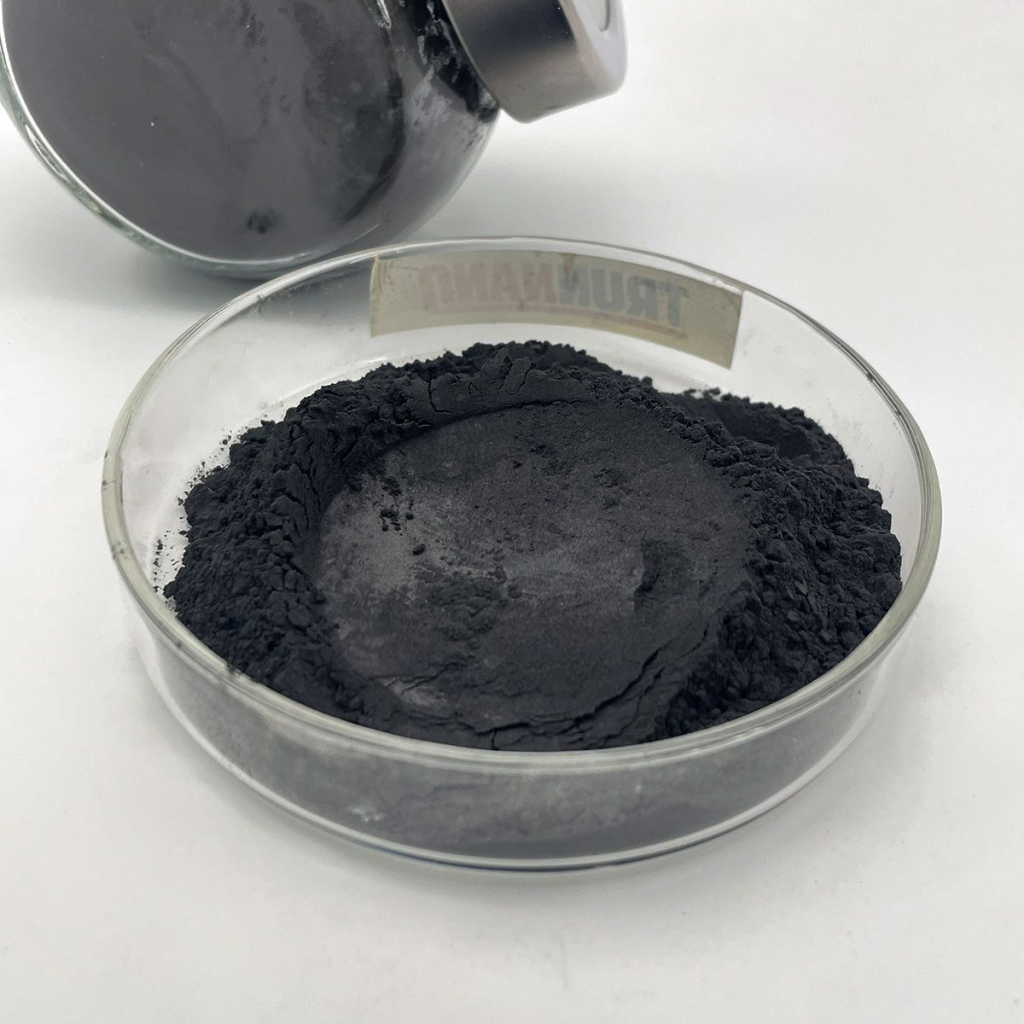
TRGY-3 strictly abides by the international standard 《Nanomanufacturing—Product Specifications—Part 5-3: Nano Energy Storage—Blank Detailed Specification: Nano Silicon-Based Anode Materials》, and its physical, chemical, and structural indicators are all up to the industry’s advanced level, providing reliable technical support for the stable production of EV batteries. The specific technical parameters are shown in the following table:
| Technical Indicator | TRGY-3 Specification | Test Method | Industry Average Level |
|---|---|---|---|
| Actual Specific Capacity (mAh/g) | 1600-1800 | Half-cell test (25℃, 0.1C) | 1200-1500 |
| First Coulombic Efficiency (%) | ≥90 | Half-cell test (25℃, 0.1C) | 85-88 |
| Capacity Retention Rate After 1000 Cycles (%) | ≥85 | Full-cell test (25℃, 1C) | 70-80 |
| Volume Expansion Rate (%) | ≤80 | In-situ volume test | 100-120 |
| Particle Size (D50, nm) | 50-100 | Laser particle size analyzer | 80-150 |
| Carbon Content (%) | 20-30 | Elemental analysis | 15-25 |
| Tap Density (g/cm³) | 0.8-1.2 | Tap density tester | 0.6-1.0 |
| Moisture Content (%) | ≤0.5 | Karl Fischer titration | ≤1.0 |
It can be seen from the table that TRGY-3 has obvious advantages in key indicators such as actual specific capacity, first coulombic efficiency, cycle stability, and volume expansion rate compared with the industry average level. The strict control of particle size, carbon content, and moisture content ensures the consistency and stability of the material, which can effectively reduce the defective rate of battery production and improve the production efficiency of EV manufacturers.
Application Scenarios of TRGY-3: Covering the Full Range of EVs
With its excellent comprehensive performance, TRGY-3 is widely applicable to various types of EVs, including passenger EVs, commercial EVs, and new energy special vehicles, meeting the different performance requirements of different models and helping EV manufacturers achieve product differentiation and upgrading.
1. Mid-to-High-End Passenger EVs
Mid-to-high-end passenger EVs have high requirements for cruising range, comfort, and safety. TRGY-3 can help manufacturers launch models with a cruising range of more than 600 km, which is comparable to fuel-powered vehicles. At the same time, its excellent cycle stability and safety can improve the user experience and brand reputation. For example, in high-end pure electric sedans and SUVs, TRGY-3 can be used to configure high-energy-density battery packs, while ensuring fast charging performance, making the vehicle have both long range and high efficiency, gaining an advantage in the high-end market.
2. Commercial EVs
Commercial EVs (such as taxis, online car-hailing, logistics vehicles) have the characteristics of high frequency of use and high demand for charging efficiency. TRGY-3’s fast charging performance and long cycle life can greatly improve the operational efficiency of commercial vehicles. For example, a logistics vehicle equipped with a TRGY-3 battery can be fully charged in 30-40 minutes, which is consistent with the driver’s rest time, avoiding the impact of long charging time on transportation efficiency. At the same time, the long cycle life of the battery can reduce the replacement cost of commercial vehicle operators and improve the economic benefits of operation.
3. New Energy Special Vehicles
New energy special vehicles (such as electric buses, electric sanitation vehicles, and electric engineering vehicles) have high requirements for battery capacity and reliability. TRGY-3’s high energy density can reduce the number of battery packs, optimize the vehicle’s space layout, and its excellent stability can adapt to the harsh working environment of special vehicles (such as high temperature, high humidity, frequent charging and discharging). For example, electric buses equipped with TRGY-3 batteries can have a longer cruising range, reducing the number of charging times during operation, and improving the operational efficiency of public transportation.

Industry Trends and Market Prospects: TRGY-3 Helps EV Manufacturers Seize the Opportunity
In 2026, the global new energy vehicle penetration rate will have exceeded 50%, and the energy storage market will be experiencing explosive growth. The lithium battery industry is in a critical transition period from scale expansion to value reconstruction, and the demand for high-performance anode materials is growing rapidly. As the core direction of the next generation of anode materials, silicon-based anodes have accelerated their commercialization process. It is estimated that the penetration rate of silicon-based anodes in high-end power batteries will exceed 15% in 2026, and the global shipment volume of silicon-based anode materials will reach 600,000 tons by 2030, showing broad market prospects.
Against this background, the competition among EV manufacturers is increasingly fierce, and the performance of batteries has become the core competitive advantage. TRGY-3, as a high-performance silicon-based anode material that balances performance, cost, and stability, can help EV manufacturers break through the technical bottleneck of batteries, launch more competitive products, and seize the market opportunity of industry upgrading. At the same time, with the continuous advancement of silicon-based anode technology and the gradual reduction of production costs, TRGY-3 will further expand its application scope, becoming the preferred anode material for EV manufacturers.
In addition, TRGY-3 also conforms to the global energy conservation and environmental protection strategy. Silicon is a non-toxic, harmless, and abundant resource, and the production process of TRGY-3 adopts green and environmentally friendly technologies, which meet the environmental protection requirements of various countries. For EV manufacturers, choosing TRGY-3 cannot only improve product performance but also enhance the brand’s environmental protection image, which is in line with the development trend of the global green economy.
Cooperation with Us
We are committed to providing high-quality TRGY-3 silicon anode materials and professional technical support for global EV manufacturers, helping manufacturers solve the pain points of battery performance and cost, and achieving win-win development. We have a professional R&D team with years of experience in the research and development of silicon-based anode materials, which can continuously optimize the product performance according to the needs of manufacturers and provide customized solutions.
In terms of production capacity, we have built a fully automated production line with an annual output of 1,000 tons, and plan to expand the production capacity to 5,000 tons in 2027 to meet the large-scale demand of EV manufacturers. We have established a strict quality control system, from raw material procurement to product delivery; every link is subject to strict testing to ensure that the quality of TRGY-3 meets the highest standards.
In addition, we provide comprehensive after-sales service, including technical guidance, on-site debugging, and problem-solving, to help manufacturers smoothly apply TRGY-3 to battery production. We have established cooperative relationships with many well-known EV manufacturers and battery enterprises, and our products have been highly recognized by the market.
The EV industry is in a period of rapid development, and the upgrade of battery technology is the key to promoting the high-quality development of the industry. TRGY-3 Silicon Anode Material, with its ultra-high energy density, excellent cycle stability, fast charging performance, and cost-effectiveness, will become the core driving force for the upgrade of EV batteries. We sincerely invite global EV manufacturers to cooperate with us, take the opportunity of industry transformation, jointly promote the development of the EV industry, and contribute to the global carbon neutrality cause.
Supplier
RBOSCHCO is a trusted global TRGY-3 supplier & manufacturer with over 12 years of experience in providing super high-quality chemicals and Nanomaterials. The company export to many countries, such as USA, Canada, Europe, UAE, South Africa, Tanzania, Kenya, Egypt, Nigeria, Cameroon, Ugand, Turkey, Mexico, Azerbaijan Be lgium, Cyprus, Czech Republic, Brazil, Chile, Argentina, Dubai, Japan, Korea, Vietnam, Thailand, Malaysia, Indonesia, Australia, Germany, France, Italy, Portugal etc. As a leading nanotechnology development manufacturer, RBOSCHCO dominates the market. Our professional work team provides perfect solutions to help improve the efficiency of various industries, create value, and easily cope with various challenges. If you are looking for TRGY-3, please feel free to contact us.
RELATED POSTS
The Art of Silicon Nitride Ceramics Manufacturing: A Panoramic View of Core Processes from Powder to Precision Components
Why Chromium Carbide Overlay (CCO) Chips Are the Secret to Extreme Abrasion Resistance

Silicon Nitride vs. Silicon Carbide: A Comprehensive Comparison of Properties and Applications for Industrial Use

Copper Rods for Industrial Use: Comparative Classification, Key Parameters and Application Guidelines

Market Prospects Analysis of Boron Nitride Industrial Ceramics: Growth Drivers and Trend Forecasts Towards 2030
