Professional and high-quality metal alloys, ceramic products and concrete additives | RBOSCHCO

In industrial operations worldwide—from mining and cement production to waste management and bulk material handling—abrasion is the silent enemy of productivity. Every day, equipment like chutes, crushers, conveyor systems, and mill liners are bombarded by harsh, abrasive materials, leading to frequent replacements, unplanned downtime, and soaring maintenance costs. For international manufacturers and plant managers seeking a long-term solution to this persistent problem, Chromium Carbide Overlay (CCO) chips have emerged as the unsung hero, delivering extreme abrasion resistance that outperforms traditional materials. But what makes CCO chips so effective? And why should they be your go-to choice for protecting critical equipment in even the harshest industrial environments? In this blog, we’ll break down the science, advantages, and real-world applications of CCO chips, helping you understand why they’re the secret to reducing costs, boosting efficiency, and gaining a competitive edge in global markets.
What Are Chromium Carbide Overlay (CCO) Chips?
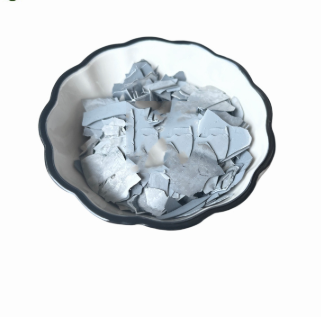
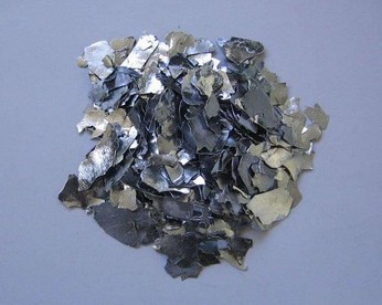
Before diving into their performance, let’s clarify what CCO chips are—and how they differ from conventional wear-resistant solutions. Chromium Carbide Overlay (CCO) is a bi-metallic composite material, consisting of a tough, ductile steel base (typically carbon steel or low-alloy steel) fused with a high-hardness chromium carbide overlay layer. The “chips” refer to precision-cut components or inserts made from this CCO material, designed to be easily installed on equipment surfaces that face the most severe abrasion.
Unlike homogeneous materials like AR400/AR500 steel (which rely on quenching and tempering to achieve hardness) or brittle ceramic tiles, CCO chips leverage a unique dual-structure design: the base steel provides structural strength and impact resistance, while the overlay layer—packed with hexagonal chromium carbides (Cr₇C₃)—delivers unmatched abrasion resistance. This combination of toughness and hardness is what sets CCO chips apart, making them ideal for applications where both sliding/gouging abrasion and moderate impact are present.
The overlay layer of CCO chips is created through a specialized welding process, where a high-chromium alloy is deposited onto the base steel. During cooling, the chromium and carbon in the alloy crystallize to form Cr₇C₃ carbides—one of the hardest materials known to industry, with a Vickers hardness (HV) of up to 1750, significantly harder than quartz, clinker, or other abrasive materials commonly encountered in industrial settings. These carbides act as a protective barrier, shielding the base steel from the constant scouring and wear that degrade other materials.
The Science Behind CCO Chips’ Extreme Abrasion Resistance
To understand why CCO chips outperform traditional wear solutions, we need to look beyond surface hardness and into the microstructure of the material. Abrasion resistance is determined by a material’s ability to resist material loss caused by friction, sliding, or impact— and CCO chips are engineered to excel in all three scenarios, thanks to three key scientific advantages:
1. Ultra-Hard Chromium Carbide Particles
The primary reason for CCO chips’ exceptional wear resistance is the presence of Cr₇C₃ carbides in the overlay layer. These carbides have a hardness of 58–65 HRC (Rockwell Hardness), compared to just 40–50 HRC for AR400/AR500 steel. To put this in perspective: quartz (a common abrasive in mining and construction) has a hardness of around 7 Mohs, while Cr₇C₃ carbides rank at 9 Mohs—nearly as hard as diamond. This means that when abrasive materials slide across the surface of CCO chips, the carbides remain intact, preventing the gouging and material loss that plagues softer materials.
Unlike ceramic tiles, which are hard but brittle, the carbides in CCO chips are embedded in a ductile steel matrix. This matrix acts like a “cement” that holds the carbides in place, absorbing minor impacts and preventing the carbides from chipping or falling off—a critical advantage in applications where moderate impact is unavoidable.
2. Dual-Structure Design for Toughness and Durability
One of the biggest drawbacks of traditional wear-resistant materials is their trade-off between hardness and toughness. Hard materials like ceramics are prone to shattering under impact, while tough materials like AR steel wear down quickly under abrasive conditions. CCO chips eliminate this trade-off with their dual-structure design:
- Base Steel Layer: The ductile carbon steel base provides excellent toughness and impact resistance, absorbing shock loads that would shatter ceramic liners or crack brittle hardfacing alloys. This makes CCO chips suitable for applications where materials drop from height (e.g., crusher feed hoppers) or where equipment is subject to vibration.
- Chromium Carbide Overlay: The overlay layer acts as a sacrificial barrier, taking the brunt of the abrasion while the base steel maintains structural integrity. As the overlay wears, new carbides are exposed, ensuring consistent wear resistance throughout the life of the chip.
This design is often compared to concrete mixed with granite: the matrix (base steel) holds the structure together, while the carbides (granite) withstand the actual wear and tear. The result is a material that is both hard enough to resist abrasion and tough enough to handle real-world industrial conditions.
3. Thermal Stability for High-Temperature Applications
Many industrial processes involve high temperatures—from cement clinker handling (up to 600°C) to coal combustion and metal smelting. Traditional wear materials like AR steel lose hardness and wear resistance at temperatures above 250°C, while ceramics can crack under thermal shock. CCO chips, however, maintain their hardness and structural integrity at temperatures up to 538°C (1000°F) for standard grades, and even higher for specialized formulations. This thermal stability makes them ideal for high-temperature applications where other materials fail prematurely.
CCO Chips vs. Traditional Wear Solutions: A Clear Advantage
To truly appreciate the value of CCO chips, it’s helpful to compare them to the most common wear-resistant materials used in industrial applications. Below is a side-by-side comparison that highlights why CCO chips are the superior choice for extreme abrasion resistance:
| Feature | CCO Chips | AR400/AR500 Steel | Ceramic Tiles | Hardfacing Rods |
|---|---|---|---|---|
| Hardness (HRC) | 58–65 | 40–50 | 60–70 | 55–60 |
| Vickers Hardness (HV) | Up to 1750 (carbides) | 400–520 | 1500–2000 | 1200–1500 |
| Abrasion Resistance (ASTM G65) | 5–6x longer than AR steel | Standard baseline | High, but brittle | 2–3x longer than AR steel |
| Impact Resistance | Excellent (ductile base) | Good | Poor (prone to shattering) | Moderate |
| Thermal Stability | Stable up to 538°C (1000°F) | Loses hardness above 250°C | Stable, but prone to thermal shock | Stable up to 400°C |
| Installation & Maintenance | Easy (bolt-on/weld-on, field-repairable) | Easy, but frequent replacement | Complex (requires bonding, fragile) | Labor-intensive (on-site welding) |
| Total Cost of Ownership | Low (fewer replacements, less downtime) | High (frequent replacements) | High (installation + replacement costs) | Medium (labor + reapplication costs) |
As the table shows, CCO chips outperform traditional solutions in nearly every key category—offering the perfect balance of hardness, toughness, and ease of use. While ceramic tiles may have slightly higher hardness, their brittleness and complex installation make them impractical for many industrial applications. AR steel is easy to install but wears out quickly, leading to frequent replacements and unplanned downtime. CCO chips, by contrast, deliver long-lasting wear resistance with minimal maintenance, reducing total cost of ownership and boosting productivity.
Real-World Applications: Where CCO Chips Shine
CCO chips are versatile and can be customized to fit a wide range of industrial applications, particularly those involving extreme abrasion. Below are some of the most common industries and use cases where CCO chips have proven to be a game-changer for international clients:
1. Mining & Quarrying
Mining operations are among the harshest environments for equipment, with rocks, gravel, and ore causing constant abrasion to chutes, conveyor belts, crusher liners, and hoppers. CCO chips are widely used in both surface and underground mining to protect these critical components. For example, a coal mining company in Australia replaced their AR500 steel chutes with CCO chips and saw a 6x increase in service life—reducing replacement costs by 70% and eliminating unplanned downtime during peak production periods.
In quarrying, CCO chips are used on jaw crusher liners, impactor plates, and screen decks, where they resist the gouging and sliding abrasion caused by hard aggregates like granite and basalt. The ductile base of CCO chips also makes them ideal for handling the impact of large rocks, preventing the cracking and shattering that plagues ceramic liners.
2. Cement & Concrete Production
Cement production involves grinding limestone, clinker, and other abrasive materials, which wear down equipment like vertical mill (VRM) liners, separator guide vanes, fan blades, and clinker transport chutes. CCO chips are perfectly suited for these applications, as they can withstand the high temperatures (up to 600°C) and sliding abrasion of cement processing—which is 80% sliding abrasion, according to industry studies.
A cement plant in Germany switched to CCO chips for their VRM liners and reported a 5x increase in service life compared to AR500 steel. This not only reduced replacement costs but also minimized downtime, as the plant no longer had to shut down production every 3 months to replace worn liners.
3. Waste Management & Recycling
Waste management and recycling facilities handle a wide range of abrasive materials—from construction debris and glass to metal scraps and plastic. Equipment like shredder blades, conveyor chutes, and sorting screens are subject to constant wear, leading to frequent replacements. CCO chips are used to line these components, providing a protective barrier that resists the abrasion of sharp, irregular materials.
A recycling facility in the United States used CCO chips on their shredder blades and saw a 4x increase in service life, reducing blade replacements from once a month to once every 4 months. This not only cut maintenance costs but also improved operational efficiency, as the facility could process more material without interruptions.
4. Bulk Material Handling
Bulk material handling—including ports, rail yards, and grain elevators—involves the transport of large volumes of abrasive materials like coal, iron ore, grain, and fertilizer. Conveyor belts, chutes, and hoppers are constantly exposed to sliding abrasion, which can lead to premature failure. CCO chips are used to line these components, reducing wear and extending service life.
A port in Brazil used CCO chips to line their coal handling chutes and reported a 3x increase in service life compared to traditional steel liners. This eliminated the need for monthly maintenance shutdowns, allowing the port to handle more cargo and improve throughput.

The Cost-Saving Benefits of CCO Chips for International Businesses
For international manufacturers and plant managers, the decision to invest in CCO chips ultimately comes down to cost and efficiency. While CCO chips may have a higher upfront cost than AR steel or hardfacing rods, their long service life and minimal maintenance lead to significant cost savings over time. Here’s how CCO chips deliver a strong return on investment (ROI) for global clients:
1. Reduced Equipment Replacement Costs
CCO chips have a service life 5–6x longer than AR400/AR500 steel and 2–3x longer than hardfacing rods. This means fewer replacements, reducing the cost of purchasing new equipment components. For example, if a chute lined with AR steel costs $1,000 and needs replacement every 6 months, the annual cost is $2,000. A CCO-lined chute, which costs $2,000 but lasts 3 years, has an annual cost of just $667—a 67% reduction in annual replacement costs.
2. Minimized Unplanned Downtime
Unplanned downtime is one of the biggest costs for industrial operations, often costing thousands of dollars per hour. CCO chips reduce downtime by eliminating the need for frequent maintenance and replacements. For example, a mining company that replaces chutes every 3 months with AR steel loses 8 hours of production each time for replacement. With CCO chips, replacements are needed only once every 18 months, reducing downtime by 83% and saving the company tens of thousands of dollars in lost production.
3. Lower Maintenance Labor Costs
CCO chips are easy to install and maintain, requiring minimal labor compared to hardfacing or ceramic tile installation. They can be bolted or welded in place, and field repairs are simple—unlike ceramics, which require specialized bonding and are difficult to repair if damaged. This reduces labor costs and allows maintenance teams to focus on other critical tasks.
4. Improved Operational Efficiency
By reducing downtime and maintenance, CCO chips allow plants to operate at full capacity for longer periods. This improves throughput, increases productivity, and helps businesses meet tight production deadlines—critical for maintaining a competitive edge in global markets. For example, a cement plant that uses CCO chips can produce more clinker per day, increasing revenue and market share.
Choosing the Right CCO Chips for Your Application
Not all CCO chips are created equal—different applications require different formulations and designs. When selecting CCO chips for your operation, consider the following factors to ensure optimal performance:
1. Abrasion Type
Determine whether your application involves sliding abrasion (e.g., chutes, conveyor liners), gouging abrasion (e.g., crusher liners), or impact abrasion (e.g., hoppers). CCO chips can be customized with different carbide concentrations and overlay thicknesses to match the specific type of abrasion you’re facing.
2. Temperature Requirements
If your application involves high temperatures (e.g., cement clinker handling), choose a CCO formulation with enhanced thermal stability. Standard CCO chips are stable up to 538°C (1000°F), while specialized formulations can withstand temperatures up to 650°C (1200°F).
3. Impact Loads
For applications with high impact loads (e.g., crusher feed hoppers), select CCO chips with a thicker base steel layer to absorb shock and prevent cracking. The base steel thickness can be customized to match the impact intensity of your operation.
4. Customization Options
Look for a supplier that offers custom CCO chips in various sizes, shapes, and overlay thicknesses. This ensures that the chips fit your equipment perfectly, maximizing wear protection and minimizing installation time. Many reputable suppliers also offer custom welding and fabrication services to meet specific application needs.
Why Partner with a Trusted CCO Chip Supplier?
To fully realize the benefits of CCO chips, it’s critical to partner with a trusted supplier that has experience in manufacturing high-quality CCO products for international markets. A reliable supplier will:
- Use high-quality raw materials (e.g., premium chromium alloys and ductile steel) to ensure consistent performance.
- Employ advanced welding technologies to produce uniform overlay layers with high carbide concentration.
- Offer custom solutions tailored to your specific application and industry.
- Provide comprehensive technical support, including installation guidance and maintenance recommendations.
- Ensure compliance with international standards (e.g., ASTM, ISO) to meet the requirements of global markets.
When selecting a supplier, look for certifications, customer testimonials, and case studies that demonstrate their expertise in CCO chips. A supplier with a proven track record of serving international clients will understand the unique challenges of global shipping, customs compliance, and cross-border support—ensuring a smooth and reliable supply chain.
Supplier
RBOSCHCO is a trusted global CCO supplier & manufacturer with over 12 years of experience in providing super high-quality chemicals and Nanomaterials. The company export to many countries, such as USA, Canada, Europe, UAE, South Africa, Tanzania, Kenya, Egypt, Nigeria, Cameroon, Ugand, Turkey, Mexico, Azerbaijan Be lgium, Cyprus, Czech Republic, Brazil, Chile, Argentina, Dubai, Japan, Korea, Vietnam, Thailand, Malaysia, Indonesia, Australia, Germany, France, Italy, Portugal etc. As a leading nanotechnology development manufacturer, RBOSCHCO dominates the market. Our professional work team provides perfect solutions to help improve the efficiency of various industries, create value, and easily cope with various challenges. If you are looking for CCO, please feel free to contact us.
RELATED POSTS
TRGY-3 Silicon Anode Material: Advanced Battery Anode Powder for EV Manufacturers

Revolutionizing the Global Advanced Materials Arena: The Ascendancy of Tantalum Carbide, Boron Carbide, and Zirconium Carbide in Cutting-Edge Industrial Marvels
How Concrete Fibers Prevent Cracks and Increase Durability
Silicon Nitride vs. Silicon Carbide: A Comprehensive Comparison of Properties and Applications for Industrial Use

Technical Guide: How To Choose The Particle Size Of Boron Carbide Podwer According To The Application?