Professional and high-quality metal alloys, ceramic products and concrete additives | RBOSCHCO

Zinc stearate is one of the most widely used categories in the metal stearate family. Its powder form, zinc stearate powder, is widely used in cosmetics, plastics, rubber, and other fields due to its convenient use and stable performance.
Overview of Zinc Stearate Core
Firstly, clarify the meaning of “zinc stearate adalah” (Indonesian expression, corresponding to Chinese “zinc stearate”). Zinc stearate is an organic metal compound with a chemical formula of C ∝₆ H ₇₀ O ₄ Zn and a CAS number of 557-05-1. It is an important member of metal stearate, which is a general term for compounds formed by the reaction of stearic acid with various metal ions. In addition to zinc stearate, it also includes calcium stearate, aluminum stearate, etc., all of which have core functions such as lubrication and stability. Zinc stearate, with its excellent compatibility and… Multi-functionality has become one of the most widely used varieties.
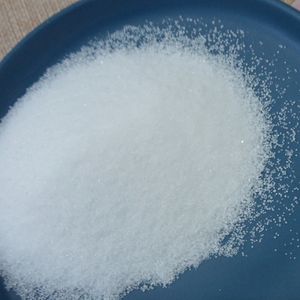
The common form of zinc stearate is white, lightweight, fine powder, with a soft texture and a smooth feeling, a slight odor, stable chemical properties, insoluble in polar solvents such as water, ethanol, and ether, soluble in organic solvents such as hot ethanol, benzene, toluene, and turpentine, and will decompose into stearic acid and corresponding zinc salts when encountering strong acids. Its density is about 1.095g/cm ³, and it has good lubricity, waterproofness, and stability. These characteristics determine its multi-field application value.
Core characteristics and melting point analysis of zinc stearate
1. Core Physical and Chemical Characteristics
Zinc stearate, as a typical representative of metal stearate, combines the comprehensive properties of metal ions and stearic acid. Its core characteristics are reflected in three aspects: firstly, it has excellent lubricity, which can effectively reduce the friction between materials, reduce equipment wear and material loss; Secondly, it has strong stability, is not easily oxidized or deteriorated at room temperature, and has certain waterproof and moisture-proof properties; Thirdly, it has good compatibility and can be uniformly mixed with various materials such as plastic, rubber, coatings, etc., without affecting the performance of the substrate itself.
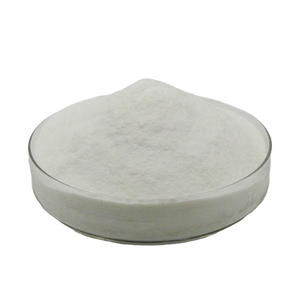
Its zinc steel powder has good dispersibility, is not easy to agglomerate, and is convenient for storage, transportation, and use. The mesh size and purity of the powder can be adjusted according to different application scenarios to meet various production needs. In addition, zinc stearate has a certain degree of flammability under dry conditions, with a self-ignition point of about 900 ℃. Dust mixed with air may explode when exposed to open flames, so precautions should be taken when using it.
2. Detailed explanation of zinc stearate melting point
The zinc stearate melting point is an important physical parameter that directly affects its processing and application effects. Depending on the production process and purity, its melting point range is usually 118-128 ℃, and the common industrial grade zinc stearate melting point is mostly concentrated between 120-125 ℃. The melting point is closely related to the purity and crystallinity of zinc stearate: the higher the purity, the more uniform the crystallization, the more stable the melting point, and the smaller the fluctuation range; If impurities are present, it will cause a decrease in melting point and an increase in fluctuation range.
In practical applications, the selection of melting point parameters is crucial: for example, in plastic processing, the type of zinc stearate needs to be adjusted according to the processing temperature to ensure that it can fully melt at the processing temperature, exert lubrication and demolding effects; In the production of cosmetics, it is necessary to control the processing temperature slightly above its melting point to evenly disperse zinc stearate powder and improve product texture.
Zinc stearate core uses
Zinc stearate has a wide range of uses, covering multiple fields such as cosmetics, plastics, rubber, coatings, etc. Its functions vary depending on the application scenario, fully utilizing its lubrication, stability, waterproof and other characteristics, as follows:
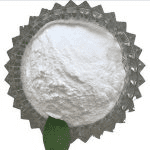
1. Application in the field of cosmetics (zinc steam in makeup)
Zinc stearate is widely used in the cosmetics industry and is one of the core ingredients in powder cosmetics. Its powder form has good smoothness and dispersibility, and its main functions are threefold: firstly, as a lubricant, it improves the smoothness of cosmetics application, reduces skin friction, and makes the makeup look more fitting and long-lasting; Secondly, as a stabilizer, it prevents powder cosmetics from clumping and aggregating, maintaining the looseness and fluidity of the product; Thirdly, as a waterproof agent, it forms a thin and light protective film on the surface of the skin, enhancing the waterproof and sweat resistant performance of cosmetics and prolonging the makeup holding time.
Specific application scenarios include loose powder, honey powder, eye shadow, powder blusher, etc. For example, adding zinc stearate to loose powder can make the texture of loose powder more delicate, not easy to fly, and enhance the oil control effect of loose powder; Add in eye shadow to improve the color rendering and extensibility of eye shadow for easy coloring. In addition, zinc stearate can also be used in skincare products as an emulsifying stabilizer to enhance product stability and user experience, and has high safety, meeting the safety standards of the cosmetics industry.
2. Application in the field of plastics and rubber
In the plastic and rubber industries, zinc stearate is mainly used as a lubricant, release agent, and heat stabilizer. In plastic processing, it can reduce the viscosity of plastic melt, reduce the friction during the processing, facilitate plastic molding, prevent plastic products from sticking to the mold, improve demolding efficiency, and extend the service life of the mold. It is commonly used in the production of various plastic products such as PVC, PE, PP, etc; In rubber processing, it can be used as a vulcanization activator and softener to promote the vulcanization reaction of rubber, improve the toughness, wear resistance and anti-aging performance of rubber products, and is commonly used in the production of tires, seals, rubber products, etc.
3. Application of Coatings in Other Fields
In the coatings industry, zinc stearate can be used as a leveling agent and anti-settling agent. Adding it to coatings can reduce the glossiness of coatings, form a matte effect, prevent pigment precipitation in coatings, improve the uniformity and stability of coatings, and extend the shelf life of coatings; In the textile industry, it can be used as a textile polishing agent to enhance the glossiness and feel of fabrics; In the field of medicine, it can be used as a pharmaceutical excipient for demolding and lubrication of tablets, improving the molding effect of tablets.
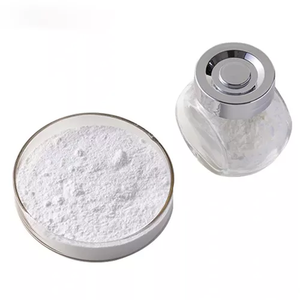
The association between zinc stearate and metal stearate
Zinc stearate is an important component of metal stearate, and the two are in a relationship of “individual and family”. Metal stearate is a universal additive with the core characteristic of combining the stability of metal ions with the lubricity of stearic acid. According to the different metal ions, it can be divided into multiple varieties, such as zinc stearate, calcium stearate, aluminum stearate, magnesium stearate, etc.
Compared with other metal stearates, zinc stearate has the advantages of stronger compatibility, more prominent lubrication effect, and moderate cost, making it the most widely used. And varieties such as calcium stearate and aluminum stearate have their own emphasis on high temperature resistance and stability, and suitable metal stearate products can be selected according to specific application scenarios.
Supplier
RBOSCHCO is a trusted global Zinc stearate powder supplier & manufacturer with over 12 years of experience in providing super high-quality chemicals and Nanomaterials. The company export to many countries, such as USA, Canada, Europe, UAE, South Africa, Tanzania, Kenya, Egypt, Nigeria, Cameroon, Ugand, Turkey, Mexico, Azerbaijan Be lgium, Cyprus, Czech Republic, Brazil, Chile, Argentina, Dubai, Japan, Korea, Vietnam, Thailand, Malaysia, Indonesia, Australia, Germany, France, Italy, Portugal etc. As a leading nanotechnology development manufacturer, RBOSCHCO dominates the market. Our professional work team provides perfect solutions to help improve the efficiency of various industries, create value, and easily cope with various challenges. If you are looking for Zinc stearate powder, please feel free to contact us.
RELATED POSTS

Knowing the interesting chemical elements boron B comes from afar
What is Boron Carbide

Is magnesium stearate in supplements good or harmful?

Application prospect of silver telluride powder in electronics and new energy fields
What Are Potassium Stearate Properties in Shaving Cream?
