Professional and high-quality metal alloys, ceramic products and concrete additives | RBOSCHCO

Glass-ceramics, an unique course of materials, have been acquiring boosting focus in numerous sectors for their phenomenal buildings. These materials, which incorporate the advantages of both glass and ceramics, are known for their strength, durability, thermal resistance, and optical clarity. Glass-ceramics are created through a regulated crystallization procedure that changes glass into a ceramic-like structure, offering superior efficiency in a range of applications, from cookware and clinical tools to aerospace components and electronics.In contrast, standard glass, while likewise a functional material, lacks several of the buildings that make glass-ceramics an appealing option in high-performance applications. This write-up aims to provide a comprehensive comparison between glass-ceramics and typical glass, concentrating on their processing approaches, residential or commercial properties, and applications. By understanding these differences, companies can make even more informed decisions concerning which material ideal suits their needs, ultimately enhancing item performance and cost-effectiveness.
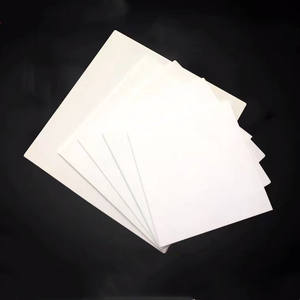
What is Glass-Ceramics?
Glass-ceramics are a sort of sophisticated product that is created by warming a details type of glass to a temperature level that promotes condensation. This procedure, called condensation, causes the glass to transform right into a composite product that integrates the amorphous (glass) stage with a crystalline phase. The outcome is a product that possesses much of the preferable features of porcelains, such as high toughness and thermal security, while still maintaining the optical quality and formability of glass.
Trick Feature of Glass-Ceramics:
1. High Stamina and Resilience: Glass-ceramics are extremely strong and immune to damage, making them perfect for requiring applications.
2. Thermal Shock Resistance: Glass-ceramics can stand up to fast changes in temperature level without fracturing, making them suitable for applications entailing warmth.
3. Low Coefficient of Thermal Development: This residential property ensures that glass-ceramics maintain their form even under severe temperature changes.
4. Chemical and Corrosion Resistance: Glass-ceramics supply exceptional resistance to chemicals and deterioration, making them perfect for use in extreme atmospheres.
5. Convenience in Construction: Glass-ceramics can be formed, cut, and shaped in a comparable manner to glass, yet they additionally supply the stamina and sturdiness of ceramics.
What is Traditional Glass?
Conventional glass, as contrasted to glass-ceramics, is typically an amorphous strong made from silica (SiO2) and different other raw materials, such as soft drink lime, alumina, and lime. Glass is created by warming these products to a heat, adhered to by quick air conditioning to strengthen the product. The result is a clear, fragile material that has a range of applications ranging from home windows and bottles to optical fibers and imaginative glass.
Key Quality of Typical Glass:
1. Transparency: Among the most distinguishing features of standard glass is its openness, making it perfect for use in home windows, displays, and containers.
2. Brittleness: Unlike glass-ceramics, typical glass often tends to be a lot more weak and vulnerable to damaging under impact.
3. Lower Strength: Traditional glass does not have the exact same degree of toughness and toughness as glass-ceramics, making it much less ideal for high-stress applications.
4. Poor Thermal Shock Resistance: Glass is less immune to fast temperature level adjustments, which can cause it to split or damage.
5. Restricted Manufacture Flexibility: While traditional glass can be molded and shaped, it does not have the very same adaptability in processing as glass-ceramics.
| Property | Specification |
| Composition | 46% SiO₂, 17% MgO, 16% Al₂O₃, 10% K₂O, 7% B₂O₃, 4% F |
| Shape | Available in various shapes such as bar stock, block, fabricated/custom shape, etc. |
| Stability | Stable in air up to 1000°C and in vacuum up to 600°C |
| Machining accuracy | Can achieve high – precision machining with tolerances in the micron range |
| Microstructure | Random microcrystalline structure composed of fluorophlogopite in a borosilicate glass matrix |
Contrasting Glass-Ceramics and Standard Glass
Although both glass-ceramics and conventional glass are made use of in a vast array of applications, they vary dramatically in terms of their buildings and processing methods. Below is a comparison of these 2 products across various vital features:
1. Processing Approaches
The manufacturing procedures for glass-ceramics and traditional glass differ dramatically, resulting in variants in their properties and applications.
Glass-Ceramics Processing: Glass-ceramics are produced with a two-step process. Initially, an unique glass is made by melting raw materials. After that, the glass is warmed to a certain temperature that advertises the crystallization of the glass into a ceramic structure. This process allows manufacturers to manage the dimension and circulation of the crystalline phase, resulting in a product with boosted mechanical and thermal properties.
Standard Glass Processing: Standard glass is created by thawing resources, such as silica, soda ash, and sedimentary rock, at really heats. The molten glass is then formed into the wanted form making use of procedures like blowing, pushing, or molding. Traditional glass does not undergo a crystallization process, which restricts its thermal security and mechanical stamina.
2. Mechanical Properties
Glass-Ceramics: Glass-ceramics have exceptional mechanical residential or commercial properties contrasted to traditional glass. The crystalline phase in glass-ceramics imparts high toughness, resistance to damaging, and enhanced durability. This makes glass-ceramics perfect for high-performance applications that need longevity and reliability.
Traditional Glass: Traditional glass, on the other hand, is reasonably fragile and lacks the mechanical stamina of glass-ceramics. It is prone to fracturing and breaking under stress and anxiety, which restricts its usage in applications where sturdiness is necessary.
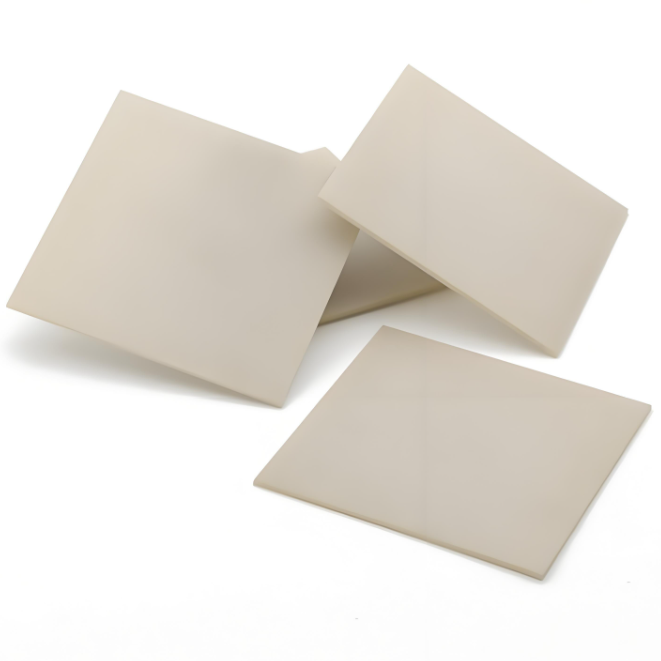
3. Thermal Residences
Glass-Ceramics: One of the standout features of glass-ceramics is their excellent thermal stability. Glass-ceramics can withstand significant temperature level variations without splitting or deforming, thanks to their low coefficient of thermal expansion and high thermal shock resistance. This makes them suitable for usage in high-heat settings, such as kitchenware, warmth exchangers, and aerospace elements.
Traditional Glass: Typical glass is much less resistant to thermal shock and rapid temperature adjustments. When subjected to extreme heat, traditional glass may split or ruin. This limits its usage in high-temperature applications, and it frequently requires cautious taking care of to stop damages from temperature modifications.
4. Chemical Resistance
Glass-Ceramics: Glass-ceramics offer exceptional chemical resistance compared to standard glass. The crystalline phase in glass-ceramics boosts their resistance to corrosive settings, making them appropriate for usage in chemical processing, high-temperature furnaces, and various other demanding commercial applications.
Typical Glass: While traditional glass has some resistance to chemicals, it is typically a lot more vulnerable to corrosion and chemical assault contrasted to glass-ceramics. In applications where chemical direct exposure is a worry, glass-ceramics are often the favored choice.
5. Applications
Both glass-ceramics and typical glass are used in a selection of industries, but their different residential properties make them fit for different applications:
Glass-Ceramics Applications: Because of their stamina, thermal security, and resistance to rust, glass-ceramics are suitable for applications such as:
Cookware: Glass-ceramic cooktops and baking dishes are very immune to thermal shock and wear.
Aerospace and Automotive: Elements like wind turbine blades and exhaust systems gain from glass-ceramics’ high-temperature resistance.
Medical Gadgets: Biocompatible glass-ceramics are used in oral implants, bone grafts, and medical instruments.
Electronics: Glass-ceramics are made use of in protecting materials, substratums for incorporated circuits, and other digital elements.
Typical Glass Applications: Standard glass, with its transparency and moldability, is widely used in:
Construction: Windows, doors, and glass facades in structures.
Packaging: Bottles, containers, and containers for food, beverages, and drugs.
Electronics: Glass substrates for displays and fiber optics.
Art and Decor: Glassware, tarnished glass, and imaginative glass things.
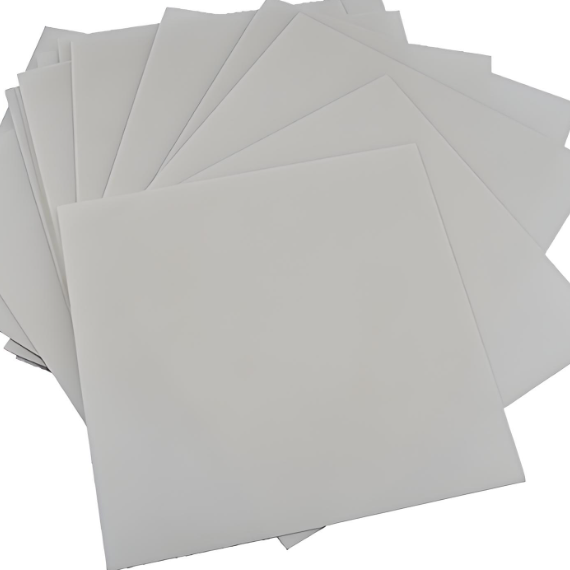
Glass-Ceramics vs. Traditional Glass: Which is Right for Your Application?
The choice in between glass-ceramics and traditional glass depends on the specific requirements of your application. Glass-ceramics are the material of selection for high-performance applications that require remarkable mechanical toughness, thermal security, and resistance to chemical attack. Industries such as aerospace, auto, and clinical gadgets depend on the sophisticated homes of glass-ceramics to guarantee reliability and sturdiness in their products.
On the other hand, traditional glass is more suitable for applications where openness, moldability, and ease of processing are important. It continues to be a flexible and cost-effective material for applications in building and construction, product packaging, and consumer goods.
By recognizing the differences in residential properties and processing approaches, you can make even more informed choices about which material is ideal matched for your needs, guaranteeing the performance and longevity of your products.
Supplier
RBOSCHCO is a trusted global Glass-Ceramics processing supplier & manufacturer with over 12 years experience in providing super high-quality chemicals and Nanomaterials. The company export to many countries, such as USA, Canada, Europe, UAE, South Africa,Tanzania,Kenya,Egypt,Nigeria,Cameroon,Uganda,Turkey,Mexico,Azerbaijan,Belgium,Cyprus,Czech Republic, Brazil, Chile, Argentina, Dubai, Japan, Korea, Vietnam, Thailand, Malaysia, Indonesia, Australia,Germany, France, Italy, Portugal etc. As a leading nanotechnology development manufacturer, RBOSCHCO dominates the market. Our professional work team provides perfect solutions to help improve the efficiency of various industries, create value, and easily cope with various challenges. If you are looking for Glass-Ceramics processing, please feel free to contact us.
Tags:macor ceramic machining,glass mica ceramic machining
RELATED POSTS
What Is Silicon Nitride Powder Used For?

What is Silicon nitride used for?
Indium selenide powder: the key material to promote the revolution of new energy and electronic technology

A Study of a Titanium Carbonitride Coating
Innovations in Advanced Ceramics: Silicon Carbide, Boron Carbide, and Tungsten Carbide
