Professional and high-quality metal alloys, ceramic products and concrete additives | RBOSCHCO

In electric insulation, Metallized Ceramic Insulators stand out due to their exceptional durability, superior insulation for residential properties, and versatility. These insulators are widely preferred in industries like power transmission, electronics, and telecommunications. However, when selecting the optimal insulation solution, it is important to also consider other insulator types, including Porcelain and Polymer Insulators, commonly used in similar applications. This article presents a detailed comparison of Metallized Ceramic Insulators with these alternatives to highlight crucial distinctions and aid in choosing the best option for your industrial needs.
What Are Metallized Ceramic Insulators?
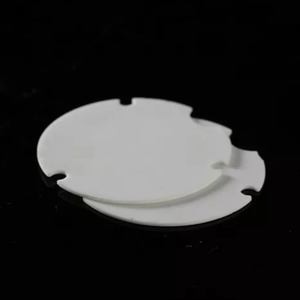
Metallized Porcelain Insulators are elements that combine the superb electric insulating properties of ceramic materials with a metal finishing to enhance their efficiency in high-voltage applications. The ceramic core provides the fundamental insulation, while the steel layer boosts electrical conductivity and assists in attachment to electrical gadgets or systems. These insulators are particularly known for their resistance to heat, mechanical tension, and severe ecological conditions.
The manufacturing procedure involves finishing the ceramic body with a thin layer of steel, such as aluminum or silver, which boosts the insulator’s capacity to carry out power successfully. This process causes a sturdy, dependable, and cost-effective element utilized in various industries.
Product Characteristic of Metallized Ceramic Insulators vs. Other Insulators
Electric Insulation Residence
Metallized Ceramic Insulators deliver exceptional electrical insulation thanks to their ceramic base. Ceramics like alumina or zirconia are noted for high resistivity and excellent dielectric qualities. These insulators excel in high-voltage roles where reliable insulation is critical. The metallic coating further improves performance by preventing leakage currents, which commonly occur in non-metallized ceramics.
Porcelain Insulators, which are made from terminated clay products, additionally provide great electric insulation. Nevertheless, they are typically bulkier and less effective in high-voltage problems compared to metallized ceramic alternatives. Porcelain insulators may deal with surface area leakage throughout extreme climate conditions, which can jeopardize their insulation efficiency.
| Property | Value |
| Purity | ≥95% |
| Volume Density | ≥3.6 g/cm³ |
| Water Absorption | 0% |
| Thermal Conductivity (25℃) | 22.4 W/m·K |
| Coefficient of Thermal Expansion (20 – 1000℃) | 8.2×10⁻⁶/℃ |
| Flexural Strength | 340 MPa |
| Compressive Strength | 2103 MPa |
| Tensile Strength | 193 MPa |
| Hardness (Rockwell 45N) | 78 |
| Withstand Voltage | 8.3 kV/mm |
| Dielectric Constant (1 MHz) | 9.1 |
| Dielectric Loss Angle (1 MHz) | 0.0004 |
| Volume Resistivity (25℃) | 1×10¹⁴ Ω·cm 4×10⁹ Ω·cm (500℃) 5×10⁵ Ω·cm (1000℃) |
Polymer Insulators, normally made from composite materials like silicone rubber, have relatively lower dielectric strength when compared to ceramics. While polymer insulators are more lightweight and much easier to install, they may not perform as well in high-voltage applications as Metallized Ceramic Insulators.
Mechanical Stamina and Longevity
Metallized Porcelain Insulators are recognized for their excellent mechanical stamina and resistance to physical stress. Their ceramic base provides a high level of rigidity and toughness, which allows them to stand up to mechanical forces, resonances, and other stress and anxieties that can happen in rough environments. The steel layer better boosts their sturdiness, ensuring they continue to be intact under tough conditions.
Porcelain Insulators also have solid mechanical properties; however are a lot more vulnerable to damage when based on severe pressures or vibrations. Porcelain insulators are fairly brittle and can crack under high mechanical stress, making them less perfect for applications where resilience is critical.
Polymer Insulators, while highly versatile and resistant to damage, may not offer the very same degree of mechanical stamina as porcelain. They are a lot more prone to damage gradually, particularly when exposed to ultraviolet (UV) radiation and chemical agents, which can weaken their performance.
Thermal Resistance
The capability to withstand heat is a critical consider picking insulators for commercial applications. Metallized Porcelain Insulators master this area because of their ceramic core’s high melting point and resistance to thermal destruction. They can function effectively in settings with temperatures rising to 1000 ° C, making them perfect for high-temperature applications such as heaters, power plants, and electric generators.
Porcelain Insulators provide good thermal resistance, but they are restricted in their capacity to withstand exceptionally high temperatures. While they can take care of modest heat, they might not keep ideal performance under severe thermal problems.
Polymer Insulators, although light-weight and flexible, have a reduced thermal resistance than both porcelain and ceramic insulators. They commonly do well in moderate temperature problems, but might break down or shed their protecting homes under high temperatures.
Environmental and Chemical Resistance
Dampness and UV Resistance
One of the significant obstacles that insulators deal with in outdoor applications is direct exposure to wetness and UV radiation. Metallized Porcelain Insulators are very resistant to dampness, which can compromise the performance of various other types of insulators. Their ceramic base pushes back water, guaranteeing that they keep their shielding homes also in wet environments. Additionally, the metal covering is corrosion-resistant, giving additional defence against environmental factors.
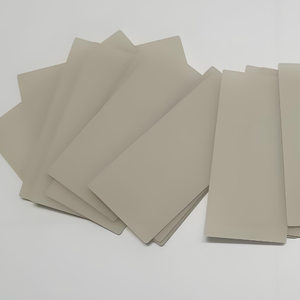
Porcelain Insulators resist moisture but can absorb water over time, reducing effectiveness in harsh conditions. Water uptake may trigger cracks, decreasing reliability outdoors.
Polymer Insulators, especially silicone rubber variants, degrade more rapidly from UV radiation. Prolonged sun exposure weakens polymers, risking failure. Some versions feature UV-resistant coatings, but durability still does not match Metallized Ceramic Insulators in severe environments.
Chemical Resistance
Metallized Ceramic Insulators exhibit high chemical resistance, suiting them for corrosive industries like chemical plants, oil refineries, and factories. Their resilience to acids, alkalis, and aggressive chemicals preserves performance even in harsh settings.
Porcelain Insulators also withstand chemical attacks but may degrade over time upon contact with certain chemicals. Surfaces can become pitted or cracked, lowering insulating effectiveness.
Polymer Insulators are more chemically vulnerable than ceramic-based types. Exposure can break down the polymer, significantly diminishing performance and service life.
Applications of Metallized Ceramic Insulators and Other Insulating Materials
Metallized Ceramic Insulators Applications
High Voltage Power Transmission: Used in transformers, switchgear, and circuit breakers for their high insulation performance and mechanical strength.
Electric Motors and Generators: Ideal for applications in power generation and heavy-duty machinery where both electrical insulation and high-temperature resistance are crucial.
Telecommunication: Employed in antenna and cable systems due to their excellent dielectric properties and durability.
Porcelain Insulators Applications
Utility and Power Distribution: Widely used in overhead transmission lines and electrical substations for their reliability in moderate environments.
Electronics: Used for basic insulating applications in less demanding electrical systems.
Polymer Insulators Applications
Medium Voltage Transmission Lines: Commonly used in urban environments and areas with harsh weather conditions due to their light weight (easy to transport and install) and flexibility (ability to bend or move without breaking).
Wind Turbines: Employed in renewable energy applications where flexibility and resistance to mechanical stress are essential.
Choosing the Right Insulator for Your Application
When selecting an insulator for your electrical and mechanical applications, it is crucial to understand the specific demands of your environment. Metallized Ceramic Insulators are the best choice for high-voltage, high-temperature, and harsh environmental conditions, providing superior electrical insulation, mechanical strength, and durability. In contrast, Porcelain Insulators may be more suitable for lower-voltage applications, and Polymer Insulators offer flexibility in urban or medium-voltage systems. By carefully considering the material properties, manufacturing processes, and applications of each insulator type, you can make an informed decision that ensures long-lasting, reliable performance for your specific needs.
Supplier
RBOSCHCO is a trusted global Metallized Ceramic Insulators supplier & manufacturer with over 12 years experience in providing super high-quality chemicals and Nanomaterials. The company export to many countries, such as USA, Canada, Europe, UAE, South Africa,Tanzania,Kenya,Egypt,Nigeria,Cameroon,Uganda,Turkey,Mexico,Azerbaijan,Belgium,Cyprus,Czech Republic, Brazil, Chile, Argentina, Dubai, Japan, Korea, Vietnam, Thailand, Malaysia, Indonesia, Australia,Germany, France, Italy, Portugal etc. As a leading nanotechnology development manufacturer, RBOSCHCO dominates the market. Our professional work team provides perfect solutions to help improve the efficiency of various industries, create value, and easily cope with various challenges. If you are looking for Metallized Ceramic Insulators, please feel free to contact us.
Tags:metallized ceramics,metallized,metallized ceramic insulators