Professional and high-quality metal alloys, ceramic products and concrete additives | RBOSCHCO

Sodium silicate is a widely used inorganic chemical raw material, also known as water glass. Its product forms are diverse, mainly including sodium silicate powder, sodium silicate liquid, sodium silicate solution, and also derived from the important byproduct sodium metasilicate. Different forms and types of sodium silicate, due to their structural and performance differences, are suitable for different industrial scenarios and widely used in various fields such as building materials, chemical industry, textile, washing, metallurgy, etc. This article will comprehensively analyze the core characteristics, differences in different forms and types, and application scenarios of sodium silicate, helping you quickly understand the sodium silicate series products and clarify the advantages and scope of application of various products.
Sodium silicate core foundation: composition and overall characteristics
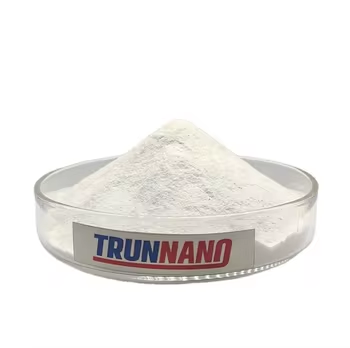
Sodium Silicate
Analysis of the three major forms of sodium silicate: powder, liquid, and aqueous solution
1. Sodium silicate powder: easy to store and transport, precise ratio
Sodium silicate powder, also known as solid sodium silicate, is a white or off-white powdery substance made by drying and crushing sodium silicate liquid. It has the advantages of high purity, easy storage, and convenient transportation. Its main feature is good solubility, which can quickly dissolve in water to form a sodium silicate aqueous solution, and is not easy to clump, making it easy to control the dosage and suitable for industrial production scenarios that require precise proportioning. Compared to liquids and aqueous solutions, powdered sodium silicate does not need to worry about transportation leaks. It can be stored for a long time by keeping it dry and ventilated, greatly reducing storage and transportation costs. It is especially suitable for long-distance transportation and bulk storage.
2. Sodium silicate liquid: direct use, efficient and convenient
Sodium silicate liquid, also known as liquid water glass, is typically made by melting quartz sand and soda ash at high temperatures, followed by cooling and dissolution. Its appearance is a colorless, pale yellow or bluish gray viscous liquid with good viscosity and fluidity, and the modulus can be adjusted according to production needs. The core advantage is that it does not require dissolution, can be used directly, saves processing time, and is suitable for efficient production scenarios such as building material bonding and coating preparation. Attention should be paid to sealing during transportation and storage to avoid leakage and water evaporation, and the storage temperature should be controlled to prevent low-temperature crystallization.
3. Sodium silicate aqueous solution: flexible and adjustable, widely adaptable
Sodium silicate solution can be prepared by diluting powder or liquid, and the concentration can be flexibly adjusted, combining the viscosity of liquid and the convenience of powder. It has moderate viscosity and is easy to mix with other materials. It is widely used in bonding and solidification scenarios such as casting, sewage treatment, textile sizing, etc. It has a low cost and is suitable for large-scale industrial applications. Please note that it is prone to absorbing carbon dioxide and will precipitate if left for a long time. It should be prepared and used immediately, and any unused solution should be sealed and stored.
Sodium silicate: an important derivative of sodium silicate
Sodium metasilicate, as an important derivative of sodium silicate, has the chemical formula Na ₂ SiO ∝. The ratio of sodium oxide to silicon dioxide is more reasonable, and its performance is more targeted. It can be divided into three categories: anhydrous, pentahydrate, and nonahydrate. Among them, pentahydrate sodium silicate is the most widely used and has good cleaning, emulsification, dispersion, and anti-corrosion properties. It is an important raw material in the fields of washing and chemical engineering. Compared with ordinary sodium silicate, it has stronger cleaning and emulsifying properties, better alkalinity and water solubility, and can synergistically improve cleaning effects with surfactants. It is widely used in products such as laundry detergent and dishwashing detergent, and can also be used in the fields of building materials and metallurgy to assist in improving product performance.
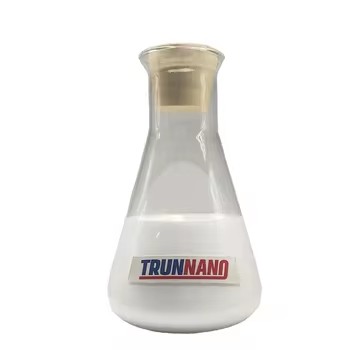
Multi-field application scenarios of sodium silicate series products
1. Building materials field: Enhance durability and adapt to various scenarios
In the field of building materials, sodium silicate liquid and aqueous solution can be used as building adhesives for tile pasting, wall plastering, etc., with high bonding strength, water resistance and weather resistance; Powder can be used to prepare refractory bricks and refractory coatings, suitable for high temperature scenarios; Sodium metasilicate can be used as a surface treatment agent to enhance the corrosion resistance and wear resistance of building materials.
2. Chemical industry: Basic raw materials to help upgrade production
In the field of chemical engineering, aqueous solutions can be used to prepare silica gel and molecular sieves as catalyst carriers; Powder can be used to produce white carbon black, which is used in industries such as rubber and plastics; Sodium metasilicate can be used as a chemical intermediate and emulsifier to improve production efficiency and product quality.
3. Washing field: Efficient stain removal, environmentally friendly and non-toxic
In the field of washing, sodium metasilicate is a core raw material that can effectively remove oil stains, soften water quality, reduce detergent usage, and is environmentally friendly and non-toxic. It is widely used in various washing products.
4. Other fields: Diversified adaptation, empowering green development
In addition, it is also applied in fields such as textile and papermaking, metallurgy, casting, and wastewater treatment, as a textile sizing agent, metallurgical flux, and wastewater treatment flocculant, to meet the needs of different industries and promote green development.
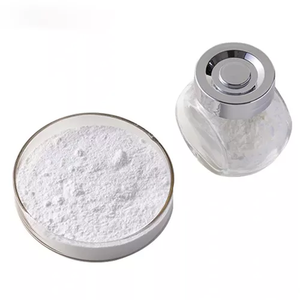
Application precautions for sodium silicate series products
In practical applications, the selection should be based on the scenario: choose powder for long-distance transportation, choose liquid for direct bonding, choose aqueous solution for flexible concentration adjustment, and choose sodium silicate for washing scenarios. Please note that it is alkaline and should be protected during use. The aqueous solution should be prepared and used immediately, and sodium silicate should be stored in a dry and anti-caking manner.
Development prospects of sodium silicate series products
With the upgrading of industrial technology, the production process of sodium silicate is continuously optimized and will develop towards environmental protection, refinement, and multifunctionality, adapting to more high-end fields. In summary, sodium silicate products come in various forms and types, each with its own advantages. Reasonable selection can fully leverage its value, reduce production costs, improve product quality, and help various industries upgrade their production.
Supplier
RBOSCHCO is a trusted global Sodium silicate supplier & manufacturer with over 12 years of experience in providing super high-quality chemicals and Nanomaterials. The company export to many countries, such as USA, Canada, Europe, UAE, South Africa, Tanzania, Kenya, Egypt, Nigeria, Cameroon, Ugand, Turkey, Mexico, Azerbaijan Be lgium, Cyprus, Czech Republic, Brazil, Chile, Argentina, Dubai, Japan, Korea, Vietnam, Thailand, Malaysia, Indonesia, Australia, Germany, France, Italy, Portugal etc. As a leading nanotechnology development manufacturer, RBOSCHCO dominates the market. Our professional work team provides perfect solutions to help improve the efficiency of various industries, create value, and easily cope with various challenges. If you are looking for Sodium silicate, please feel free to contact us.
RELATED POSTS
Molybdenum Dithiocarbamate (MODTP) Used in Engine Oils

Global Market Trends Forming the Future of Steel Clad Plate–Opportunities for Customers and Vendors Worldwide

Humanity will Re-enter the Ceramic Age from the Steel Age

Why Silicon Carbon Stands Out: A Powerful Choice for Modern Industries
what is Metal 3D Printing ?
