Professional and high-quality metal alloys, ceramic products and concrete additives | RBOSCHCO

On the planet of innovative products, Silicon Carbide Ceramic (SiC) and Boron Carbide (B 4 C) stand out as a result of their phenomenal properties that make them essential in a vast array of commercial applications. These two ceramics offer one-of-a-kind advantages, but their differences in performance characteristics, such as firmness, thermal security, chemical resistance, and wear resistance, make them a far better fit for different uses. Whether you are involved in aerospace, auto, protection, or hefty markets, comprehending exactly how these materials compare can assist you in choosing the perfect one for your requirements.This write-up gives a comprehensive performance contrast between Silicon Carbide Porcelain and Boron Carbide, concentrating on their mechanical, thermal, electrical, and chemical properties, along with their commercial applications.
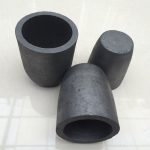
Introduction to Silicon Carbide Ceramic (SiC)
Silicon Carbide (SiC) is a wide-bandgap semiconductor material constructed from silicon and carbon. Known for its solidity, excellent thermal conductivity, and resistance to wear, SiC is made use of thoroughly in industries where extreme conditions such as heat, mechanical stress, and abrasion are common. It is one of the hardest well-known materials, 2nd just to ruby, making it suitable for applications requiring durable, resilient products. SiC ceramics are likewise well-regarded for their capacity to manage heat, and their applications extend from aerospace elements to power electronic devices and auto applications.
Introduction to Boron Carbide (B4C)
Boron Carbide (B4C) is a very strong ceramic made from boron and carbon. It is one of the hardest materials after diamond, which makes it important in tools, armour, and parts that wear out quickly. Because it is hard and light, Boron Carbide is used in many industries that need both strength and low weight. It also handles chemicals well and has a high melting point, which makes it a good choice for tough conditions.
| Property / Parameter | Typical Value | Unit | Test Standard / Notes |
| General Properties | |||
| Bulk Density | 3.10 – 3.15 | g/cm³ | ASTM B311 |
| Porosity | < 0.1 | % | Essentially gas-tight |
| Color | Dark Gray / Black | – | – |
| Mechanical Properties | |||
| Hardness (Vickers, HV0.5) | 2400 – 2800 | kgf/mm² | ASTM C1327 |
| Flexural Strength (4-pt) | 350 – 500 | MPa | ASTM C1161 |
| Compressive Strength | > 2000 | MPa | ASTM C1424 |
| Fracture Toughness (K1C) | 3.5 – 4.5 | MPa·m¹/² | SEVNB, ISO 23146 |
| Elastic Modulus | 410 – 450 | GPa | ASTM C1259 |
| Thermal Properties | |||
| Maximum Use Temperature (Inert) | > 1600 | °C | Long-term stability |
| Maximum Use Temperature (Air) | up to 1400 – 1500 | °C | Surface oxidation layer forms |
| Thermal Conductivity @ 20°C | 120 – 150 | W/m·K | ASTM E1461 |
| Coefficient of Thermal Expansion (20-1000°C) | 4.3 – 4.6 | x10-6/K | ASTM E228 |
| Thermal Shock Resistance | Very High | – | ΔTc > 500°C |
| Electrical & Chemical Properties | |||
| Electrical Resistivity @ 20°C | 102 – 106 | Ω·cm | Highly dependent on temperature & doping |
| Chemical Resistance | Excellent | – | Resists acids, alkalis, and molten salts. Attacked by HF, HNO3/HF, and strong oxidizers. |
Trick Distinctions in Thermal Characteristics: Heat Resistance and Conductivity
Both Silicon Carbide Porcelain and Boron Carbide are known for their ability to stand up to heat, yet they do so in different ways when it comes to thermal conductivity and thermal stability.
Silicon Carbide Porcelain: SiC is extremely valued for its high thermal conductivity, which allows it to effectively dissipate heat. This residential property is essential in applications where heat monitoring is vital, such as in power electronic devices, LED modern technology, and high-performance brakes. Silicon Carbide can preserve its structural stability also under extreme heat, with a melting point of around 2,700 ° C. This makes it ideal for usage in high-temperature atmospheres such as jet engines, furnaces, and heat exchangers.
Boron Carbide: While Boron Carbide has an outstanding thermal security with a high melting point of around 2,400 ° C, it has reduced thermal conductivity compared to Silicon Carbide. This makes it less reliable for heat administration, although it still does well in high-temperature atmospheres. Its capability to endure thermal shock and preserve security under differing thermal problems makes Boron Carbide ideal for applications like ballistic armour and nuclear reactor cores, where heat is a concern, yet not the key worry.
Firmness and Put On Resistance: Strength Under Stress.
When it comes to solidity and wear resistance, both materials provide remarkable performance; they are used for various purposes based on their details residential properties.
Silicon Carbide Porcelain: SiC’s outstanding hardness makes it highly resistant to use and abrasion. This home is important in demanding applications such as cutting devices, grinding wheels, and wear-resistant linings. The solidity of Silicon Carbide is just one of the key factors it utilized in industries such as automobile, aerospace, and mining, where hefty abrasion, mechanical stress and anxiety are typical. SiC is additionally utilized in bearings, seals, and shutoffs, where its capacity to withstand continuous friction and wear is vital for longevity.
Boron Carbide: Boron Carbide is usually described as the hardest ceramic product (after ruby). It has a high firmness score, making it excellent for abrasive applications, consisting of abrasive blasting, grinding, and cutting tools. Because of its extreme solidity, Boron Carbide is additionally commonly made use of in ballistic armour for military and defence applications, using remarkable protection against high-speed projectiles. Nevertheless, its brittleness can be a downside in some applications where strength is called for along with solidity.
Chemical Resistance and Corrosion Resistance: Longevity in Rough Settings
Both Silicon Carbide and Boron Carbide resist chemicals and corrosion, but their performance changes depending on the environment.
Silicon Carbide Ceramic: Silicon Carbide (SiC) is known for its outstanding resistance to oxidation and corrosion at high temperatures, making it a suitable material for use in harsh chemical environments. It is highly resistant to acids and alkalis, which makes it especially useful in chemical processing and semiconductor manufacturing. Its ability to form a protective layer when exposed to harsh conditions increases its durability, making SiC an excellent choice for high-temperature applications involving reactive gases.
Boron Carbide: Boron Carbide additionally has exceptional chemical stability, specifically in acidic environments. It is very resistant to deterioration from acids, and it is utilized in environments where exposure to chemicals is common, such as in nuclear reactors and rough applications. Nonetheless, Boron Carbide might not perform well in environments including exposure to strong bases or extreme temperatures, where Silicon Carbide would certainly supply much better protection.
Mechanical Features: Strength and Impact Resistance
Both products are strong and sturdy; they vary in their capability to endure different sorts of mechanical stress.
Silicon Carbide Porcelain: SiC is a tough and strong material that can endure high pressures and mechanical tension. Its stamina and strength make it optimal for applications where components are subjected to consistent wear, such as birthing rings, seals, and pumps. Nevertheless, SiC can be breakable under stress, and its high modulus of flexibility makes it susceptible to fracture if based on abrupt shock or tension.
Boron Carbide: Boron Carbide, while exceptionally hard, has a weak nature. This makes it more prone to fracture under impact compared to Silicon Carbide. However, its strength-to-weight proportion and lightweight nature make it particularly important in applications where weight decrease is vital, such as in armour plating and safety equipment. The material’s fracture strength and ability to absorb shock under certain problems are essential advantages in ballistic armour and explosive environments.
Electrical Residences: Insulation and Conductivity
Both Silicon Carbide and Boron Carbide are protecting materials; however, they have different features when it comes to electrical conductivity.
Silicon Carbide Ceramic: Silicon Carbide is extensively used in power electronics because of its high electrical conductivity in specific problems. SiC is made use of in high-voltage electronics, power transistors, and power diodes, where it enables effective current flow and decreases energy losses. Its vast bandgap buildings make it suitable for high-temperature and high-voltage atmospheres.
Boron Carbide: Boron Carbide, in contrast, is a poor electric conductor and is primarily used in applications where electric insulation is needed. While not typically utilized in electric parts, its insulating buildings are useful in atmospheres where electric isolation from high-voltage systems is required, such as in nuclear reactors or power plants.
Price and Accessibility: Rates and Manufacturing Factors To Consider
Both Silicon Carbide and Boron Carbide feature their own price considerations, which can differ depending on application needs.
Silicon Carbide Ceramic: Silicon Carbide (SiC) is typically more expensive than Boron Carbide, mainly due to its manufacturing complexity and the advanced technology used in its production process. SiC’s cost, however, is often justified in industries that require materials with superior thermal conductivity, chemical resistance, and mechanical strength, such as in electronics, aerospace, and automotive industries.
Boron Carbide: Boron Carbide is generally more economical than Silicon Carbide, making it an economical option for abrasive and ballistic applications. Despite its reduced expense, Boron Carbide’s extraordinary solidity and light-weight nature offer substantial value in industries like defence and mining, where performance is essential.
Applications in Industry: Where Each Product Excels
Silicon Carbide Porcelain:
Power Electronics: Power transistors, power diodes, and substrates for high-performance devices.
Automotive: Brake discs, shutoff parts, and ceramic bearings.
Aerospace: Elements for jet engines, warmth exchangers, and turbine blades.
Semiconductor Manufacturing: Crucibles and reactors for chemical vapour deposition (CVD).
Boron Carbide:
Ballistic Shield: Utilized in body armour, military vehicles, and personal protective equipment.
Abrasives: Trimming devices, grinding wheels, and sandblasting devices.
Nuclear Applications: Control poles, activator shielding, and neutron-absorbing products.
Mining: Parts in drilling devices and high-wear industrial equipment.
Supplier
RBOSCHCO is a trusted global Silicon Carbide Ceramic supplier & manufacturer with over 12 years experience in providing super high-quality chemicals and Nanomaterials. The company export to many countries, such as USA, Canada, Europe, UAE, South Africa,Tanzania,Kenya,Egypt,Nigeria,Cameroon,Uganda,Turkey,Mexico,Azerbaijan,Belgium,Cyprus,Czech Republic, Brazil, Chile, Argentina, Dubai, Japan, Korea, Vietnam, Thailand, Malaysia, Indonesia, Australia,Germany, France, Italy, Portugal etc. As a leading nanotechnology development manufacturer, RBOSCHCO dominates the market. Our professional work team provides perfect solutions to help improve the efficiency of various industries, create value, and easily cope with various challenges. If you are looking for Silicon Carbide Ceramic, please feel free to contact us.
Tags:silicon carbide,silicon carbide rod,silicon carbide ceramic
RELATED POSTS

Revolutionary Innovation: Molybdenum Disulfide (MoS TWO) Redefines Sustainable Solutions for Global Industries

Gallium Oxide as the Fourth Generation of Semiconductor Material

Luminescent Zinc Sulfide: Revolutionizing Global Trade with Sustainable Brilliance
The Amazing GaN Charger Enters the Market What Advantages Does It Have
Microstructure of 18Ni300 Alloy
