Professional and high-quality metal alloys, ceramic products and concrete additives | RBOSCHCO

In the realm of aluminum alloy manufacturing, grain refiners play a pivotal role in optimizing material properties, enabling the production of high-performance components for aerospace, automotive, electronics, and construction industries. For decades, Al-Ti-B alloys have been the go-to choice for grain refinement, valued for their ability to reduce grain size, improve mechanical properties, and enhance processability. However, as industrial demands for lighter, stronger, and more durable materials continue to grow, Al-TiB₂ has emerged as a superior alternative, outperforming traditional Al-Ti-B alloys in nearly every critical performance metric. This blog delves into the key differences between Al-TiB₂ and Al-Ti-B, explores why Al-TiB₂ is becoming the new standard, and provides actionable insights for manufacturers looking to upgrade their material solutions.
Understanding the Basics: Al-Ti-B vs. Al-TiB₂ Alloys
Before diving into the performance advantages of Al-TiB₂, it’s essential to understand the fundamental composition and working principles of both alloy systems. Both Al-Ti-B and Al-TiB₂ are grain refiners—additives that are introduced to aluminum melts to promote the formation of smaller, more uniform grains during solidification. Smaller grains translate to better mechanical properties, including higher strength, improved ductility, and enhanced corrosion resistance, as well as better machinability and weldability.
Traditional Al-Ti-B Alloys: The Status Quo
Al-Ti-B alloys are typically composed of aluminum (Al) as the base metal, titanium (Ti) as a grain-refining agent, and boron (B) as a nucleating agent. The most common formulation is Al-5Ti-1B, which contains 5% titanium and 1% boron by weight. The grain-refining mechanism of Al-Ti-B relies on the formation of TiB₂ particles during the alloying process. These TiB₂ particles act as heterogeneous nucleation sites for aluminum grains, preventing the growth of large, coarse grains that weaken the material.
While Al-Ti-B alloys have served the industry well, they have inherent limitations that become increasingly problematic as industrial requirements tighten. These limitations include inconsistent grain refinement, poor thermal stability, susceptibility to “poisoning” by other alloying elements, and higher production costs in the long run. Additionally, Al-Ti-B alloys often contain residual Al₃Ti phases, which are brittle and can act as stress concentration points, reducing the material’s overall ductility and fatigue resistance.
Al-TiB₂ Alloys: The Advanced Alternative
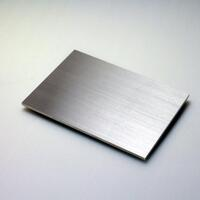
Al-TiB₂ alloys, by contrast, are designed to address the shortcomings of Al-Ti-B. Unlike Al-Ti-B, which contains Ti and B as separate elements that react to form TiB₂ during processing, Al-TiB₂ is a pre-formed composite alloy where TiB₂ particles are uniformly dispersed within the aluminum matrix. This pre-formed structure eliminates the need for in-situ reaction between Ti and B, resulting in a more consistent, stable, and high-performance material.
TiB₂ itself is a ceramic compound with exceptional properties: it has a high melting point (3225°C), excellent hardness (HV 3400), superior thermal conductivity, and strong chemical stability. When dispersed as fine particles in an aluminum matrix, TiB₂ acts as a powerful nucleating agent and reinforcement, delivering benefits that traditional Al-Ti-B alloys simply cannot match. Moreover, Al-TiB₂ can be tailored to specific applications by adjusting the volume fraction of TiB₂ particles, making it a versatile solution for a wide range of industrial needs.
Key Performance Advantages of Al-TiB₂ Over Al-Ti-B
The superior performance of Al-TiB₂ stems from its unique composition and microstructure. Below are the most significant advantages that make Al-TiB₂ the preferred choice for modern manufacturing:
1. Superior Grain Refinement Efficiency and Consistency
The primary function of a grain refiner is to produce small, uniform grains, and Al-TiB₂ excels in this regard. In traditional Al-Ti-B alloys, the formation of TiB₂ particles depends on the reaction between Ti and B in the aluminum melt. This reaction is often incomplete, leading to uneven distribution of TiB₂ particles and inconsistent grain refinement. In some cases, large TiB₂ agglomerates form, which not only fail to act as nucleation sites but also act as defects that weaken the material.
Al-TiB₂, on the other hand, features pre-dispersed TiB₂ particles that are uniformly distributed throughout the aluminum matrix. These particles are smaller (typically 1–5 μm) and more evenly spaced, providing a higher density of nucleation sites for aluminum grains. This results in a finer, more uniform grain structure compared to Al-Ti-B. Studies have shown that Al-TiB₂ can reduce grain size by up to 40% more than Al-Ti-B in the same aluminum alloy, leading to significant improvements in mechanical properties.
For example, in a study on ADC12, adding 3% Al-5Ti-1B (a traditional Al-Ti-B formulation) resulted in a grain size reduction, but the introduction of Al-TiB₂ particles led to even finer grains and a more uniform microstructure. This consistency is critical for manufacturers, as it ensures predictable material performance and reduces the risk of defects in finished components.
2. Enhanced Mechanical Properties
The finer, more uniform grain structure of Al-TiB₂ directly translates to superior mechanical properties compared to Al-Ti-B. This includes higher tensile strength, yield strength, hardness, and ductility—key metrics for structural components that must withstand high loads and harsh conditions.
Tensile strength is a critical measure of a material’s ability to resist breaking under tension. Al-TiB₂ alloys typically have a tensile strength that is 15–30% higher than Al-Ti-B alloys. For instance, a 7050 Al alloy reinforced with TiB₂ particles (Al-TiB₂) has a tensile strength of 692 MPa, compared to 550–600 MPa for the same alloy refined with Al-Ti-B. Similarly, yield strength (the stress at which a material begins to deform permanently) is 20–25% higher in Al-TiB₂, making it ideal for applications where structural integrity is paramount, such as aerospace components and automotive safety parts.
Hardness is another area where Al-TiB₂ outperforms Al-Ti-B. The presence of hard TiB₂ particles (HV 3400) in the aluminum matrix increases the material’s resistance to wear and deformation. Al-TiB₂ alloys have a Brinell hardness (HB) that is 25–40% higher than that of Al-Ti-B, making them suitable for applications that require wear resistance, such as engine components, tooling, and industrial machinery parts. In one study, the Al-8 wt.% TiB₂ composite had a hardness of 94 RB, significantly higher than comparable Al-Ti-B alloys.
Perhaps surprisingly, Al-TiB₂ also offers better ductility than Al-Ti-B. While traditional wisdom suggests that adding hard ceramic particles to a metal matrix reduces ductility, the uniform dispersion of fine TiB₂ particles in Al-TiB₂ avoids the formation of brittle agglomerates and residual Al₃Ti phases, which are common in Al-Ti-B. This results in a material that is both strong and ductile— a rare combination that is highly valued in manufacturing. For example, the elongation of Al-TiB₂-reinforced 7050 Al alloy is 11.0%, compared to 8–9% for Al-Ti-B-refined 7050 Al alloy.
3. Improved Thermal Stability and High-Temperature Performance
Many industrial applications require materials that can withstand high temperatures without degrading—such as engine components, aerospace structures, and industrial furnaces. Al-Ti-B alloys have limited thermal stability, as the TiB₂ particles formed in-situ can dissolve or agglomerate at high temperatures (above 600°C), reducing their grain-refining effectiveness and weakening the material.
Al-TiB₂, however, benefits from the inherent thermal stability of pre-formed TiB₂ particles. TiB₂ has an extremely high melting point (3225°C) and does not dissolve or agglomerate at the temperatures typically encountered in aluminum processing (600–750°C). This means that Al-TiB₂ maintains its grain structure and mechanical properties even at high temperatures, making it suitable for high-temperature applications where Al-Ti-B would fail. Additionally, TiB₂ has excellent thermal conductivity, which helps to dissipate heat more efficiently, reducing thermal stress and improving the material’s durability under high-temperature conditions[8].
In applications such as automotive engine blocks or aerospace turbine components, where temperatures can exceed 500°C, Al-TiB₂’s thermal stability ensures long-term performance and reliability, while Al-Ti-B may degrade over time, leading to component failure.
4. Resistance to Elemental Poisoning
One of the biggest limitations of Al-Ti-B alloys is their susceptibility to “poisoning” by other alloying elements commonly present in aluminum melts, such as zirconium (Zr), chromium (Cr), and manganese (Mn). These elements react with the TiB₂ particles in Al-Ti-B, forming stable compounds (e.g., ZrB₂) that render the TiB₂ particles ineffective as nucleation sites. This leads to a loss of grain-refining efficiency, resulting in coarse grains and reduced mechanical properties.
Al-TiB₂ is far less susceptible to elemental poisoning. The pre-formed TiB₂ particles in Al-TiB₂ have a more stable structure and do not react with Zr, Cr, or Mn as readily as the in-situ TiB₂ particles in Al-Ti-B. This means that Al-TiB₂ maintains its grain-refining efficiency even in aluminum melts containing these “poisoning” elements, making it a more reliable choice for complex aluminum alloys that require multiple alloying elements. For example, in Zr-containing aluminum alloys used in aerospace applications, Al-Ti-B loses much of its effectiveness, while Al-TiB₂ continues to provide consistent grain refinement.
5. Lower Long-Term Production Costs
While the initial cost of Al-TiB₂ may be slightly higher than that of Al-Ti-B, the long-term production costs are significantly lower. This is due to several factors:
- Higher Efficiency: Al-TiB₂ requires a lower addition rate (0.1–0.3% by weight) to achieve the same grain-refining as Al-Ti-B (0.3–0.5% by weight). This reduces the amount of grain refiner needed per batch, lowering material costs over time.
- Reduced Defects: The consistent grain structure of Al-TiB₂ reduces the number of defects (e.g., cracks, porosity) in finished components, lowering scrap rates and reducing the need for rework.
- Improved Processability: Al-TiB₂’s uniform microstructure makes it easier to machine, weld, and form, reducing processing time and labor costs. For example, machining time for Al-TiB₂ components is typically 10–15% less than for Al-Ti-B components, as the finer grain structure reduces tool wear and improves surface finish.
- Longer Service Life: Components made with Al-TiB₂ have a longer service life due to their superior mechanical properties and thermal stability, reducing the need for replacement and maintenance costs.
In addition, Al-TiB₂’s production process is more environmentally friendly than Al-Ti-B. The in-situ formation of TiB₂ in Al-Ti-B produces harmful byproducts (e.g., fluoride gases), while the pre-formed TiB₂ particles in Al-TiB₂ are produced using cleaner, more efficient methods, reducing environmental impact and compliance costs.
6. Versatility Across Applications
Al-TiB₂’s superior properties make it suitable for a wide range of applications, from aerospace and automotive to electronics and construction. Its ability to be tailored to specific requirements (e.g., adjusting TiB₂ volume fraction for different strength needs) makes it a versatile solution for manufacturers. Some key applications include:
- Aerospace: Aircraft structural components, engine parts, and landing gear—where high strength, light weight, and thermal stability are critical.
- Automotive: Engine blocks, cylinder heads, suspension components, and body structures—where weight reduction, strength, and wear resistance are key.
- Electronics: Heat sinks and electronic enclosures—where thermal conductivity and mechanical strength are important.
- Construction: Structural beams, panels, and fasteners—where durability and corrosion resistance are required.
- Industrial Machinery: Tooling, dies, and wear parts—where hardness and wear resistance are essential.
In contrast, Al-Ti-B is limited to applications where performance requirements are lower, and cost is the primary concern. As industries continue to demand higher-performance materials, Al-TiB₂ is replacing Al-Ti-B in an increasing number of applications.
Al-TiB₂ vs. Al-Ti-B: Product Data Comparison
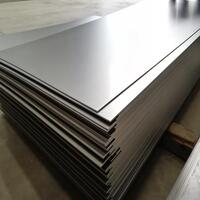
To better illustrate the performance differences between Al-TiB₂ and traditional Al-Ti-B alloys, the following table provides a detailed comparison of key properties for common formulations. The data is based on industry standards and recent research studies, providing a clear picture of how Al-TiB₂ outperforms Al-Ti-B across critical metrics.
| Property | Al-TiB₂ Alloy (Typical Formulation: Al-3TiB₂) | Traditional Al-Ti-B Alloy (Typical Formulation: Al-5Ti-1B) | Performance Improvement (Al-TiB₂ vs. Al-Ti-B) |
|---|---|---|---|
| Ti Content (wt.%) | 2.8–3.2 | 4.8–5.2 | 38–44% lower Ti content |
| B Content (wt.%) | 1.0–1.2 | 0.8–1.2 | Up to 25% higher B content (more nucleation sites) |
| TiB₂ Particle Size (μm) | 1–5 | 5–15 (often agglomerated) | 60–80% smaller particle size |
| Grain Size (μm) (in 6061 Al Alloy) | 15–25 | 30–45 | 40–50% finer grain size |
| Tensile Strength (MPa) | 380–420 (in 6061 Al Alloy) | 310–350 (in 6061 Al Alloy) | 15–30% higher |
| Yield Strength (MPa) | 320–360 (in 6061 Al Alloy) | 250–290 (in 6061 Al Alloy) | 20–25% higher |
| Brinell Hardness (HB) | 95–105 | 70–80 | 25–40% higher |
| Elongation (%) | 12–15 (in 6061 Al Alloy) | 8–10 (in 6061 Al Alloy) | 30–50% higher |
| Thermal Stability (Max Temperature, °C) | 750 | 600 | 25% higher temperature resistance |
| Addition Rate (wt.% in Aluminum Melt) | 0.1–0.3 | 0.3–0.5 | 40–60% lower addition rate |
| Poisoning Resistance (Zr, Cr, Mn) | High (no significant loss of efficiency) | Low (significant loss of efficiency) | Dramatically improved resistance |
| Machinability (Relative Score) | 90/100 | 75/100 | 20% better machinability |
*Note: All data is based on standard 6061 aluminum alloy refined with the respective grain refiners, tested at room temperature (25°C) unless otherwise noted. Values may vary slightly based on specific manufacturing processes and formulation adjustments.
Real-World Applications: Al-TiB₂ in Action
To further demonstrate the practical benefits of Al-TiB₂, let’s look at two real-world applications where it has replaced Al-Ti-B, delivering significant improvements in performance and cost savings.
Aerospace: Aircraft Structural Components
A leading aerospace manufacturer was using Al-Ti-B to refine 7075 aluminum alloy for aircraft wing spars. While Al-Ti-B provided adequate grain refinement, the components often suffered from inconsistent mechanical properties, leading to high scrap rates (up to 15%). Additionally, the Al-Ti-B-refined alloy had limited thermal stability, making it unsuitable for high-temperature areas of the aircraft.
After switching to Al-TiB₂, the manufacturer saw a 40% reduction in grain size, resulting in a 25% increase in tensile strength and a 30% increase in ductility. Scrap rates dropped to less than 5%, and the components maintained their properties even at high temperatures (up to 700°C). The lower addition rate of Al-TiB₂ also reduced material costs by 20% per batch, resulting in annual savings of over $500,000. Most importantly, the Al-TiB₂-refined components met the strict aerospace safety standards, ensuring reliable performance in critical applications.
Automotive: Engine Blocks
An automotive manufacturer was struggling with high wear rates and short service life in their Al-Ti-B-refined engine blocks. The coarse-grained structure of Al-Ti-B led to poor wear resistance, and the material was prone to cracking under thermal stress. Additionally, the Al-Ti-B alloy was susceptible to poisoning by Zr and Cr, which are commonly added to engine block alloys to improve corrosion resistance.
By switching to Al-TiB₂, the manufacturer achieved a finer, more uniform grain structure, increasing the engine block’s hardness by 35% and wear resistance by 40%. The Al-TiB₂ alloy was resistant to Zr and Cr poisoning, maintaining its grain-refining efficiency even in the presence of these elements. As a result, the service life of the engine blocks doubled, reducing warranty claims by 60% and lowering maintenance costs for customers. The improved processability of Al-TiB₂ also reduced machining time by 12%, increasing production efficiency.
Considerations for Switching to Al-TiB₂
While Al-TiB₂ offers numerous advantages over Al-Ti-B, there are a few considerations for manufacturers looking to make the switch:
- Initial Cost: Al-TiB₂ has a slightly higher initial cost than Al-Ti-B. However, the long-term cost savings from lower addition rates, reduced scrap, and improved processability more than offset this difference.
- Processing Adjustments: Al-TiB₂ may require minor adjustments to melting and casting processes to ensure optimal dispersion of TiB₂ particles. Working with a trusted material supplier can help streamline this transition.
- Supplier Availability: As Al-TiB₂ grows in popularity, more suppliers are offering it. However, it’s important to choose a supplier with a proven track record of producing high-quality Al-TiB₂ with consistent particle size and distribution.
The Future of Aluminum Grain Refinement is Al-TiB₂
Traditional Al-Ti-B alloys have served the aluminum industry well for decades, but as industrial demands for higher performance, consistency, and cost efficiency continue to grow, Al-TiB₂ has emerged as the superior alternative. Its superior grain refinement efficiency, enhanced mechanical properties, improved thermal stability, resistance to elemental poisoning, lower long-term costs, and versatility make it the ideal choice for modern manufacturing.
Whether you’re producing aerospace components, automotive parts, electronics, or construction materials, Al-TiB₂ can help you achieve better performance, reduce costs, and stay competitive in a rapidly evolving industry. The data speaks for itself: Al-TiB₂ outperforms Al-Ti-B in nearly every critical metric, making it the future of aluminum grain refinement.
If you’re ready to upgrade your material solutions and unlock the full potential of aluminum alloys, it’s time to make the switch to Al-TiB₂. With its proven performance and wide range of applications, Al-TiB₂ is not just a better grain refiner—it’s a game-changer for the aluminum industry.
Supplier
RBOSCHCO is a trusted global Al-TiB₂ supplier & manufacturer with over 12 years of experience in providing super high-quality chemicals and Nanomaterials. The company export to many countries, such as USA, Canada, Europe, UAE, South Africa, Tanzania, Kenya, Egypt, Nigeria, Cameroon, Ugand, Turkey, Mexico, Azerbaijan Be lgium, Cyprus, Czech Republic, Brazil, Chile, Argentina, Dubai, Japan, Korea, Vietnam, Thailand, Malaysia, Indonesia, Australia, Germany, France, Italy, Portugal etc. As a leading nanotechnology development manufacturer, RBOSCHCO dominates the market. Our professional work team provides perfect solutions to help improve the efficiency of various industries, create value, and easily cope with various challenges. If you are looking for Al-TiB₂, please feel free to contact us.