Professional and high-quality metal alloys, ceramic products and concrete additives | RBOSCHCO

If you’re into electric vehicles (EVs), you’ve probably heard a lot about Tesla’s big innovations—like their long-range batteries, self-driving tech, or sleek designs. But here’s a tiny component that’s making a huge difference you might not have noticed: silicon nitride (Si₃N₄) balls in their electric drive bearings. Yeah, you read that right—those tiny, hard balls inside the bearings that keep the drive system running smoothly. Tesla wasn’t the first to know about silicon nitride, but they were the first to put it in EV drive bearings at scale, and that move totally changed the game for the entire industry.
Let’s break this down simply. First, you need to understand what drive bearings do—they’re like the unsung heroes of an EV. The electric drive system is the car’s “heart,” right? It’s made up of the motor, inverter, and transmission, and bearings are the parts that hold the rotating shafts in place, reduce friction between moving parts, and make sure everything runs without grinding or breaking down. For years, everyone used steel balls in these bearings—they’re cheap, reliable, and have been around forever. But Tesla said, “Wait, steel isn’t cutting it for our EVs,” and they went with silicon nitride instead. This wasn’t a random choice; it was a smart move driven by what their EVs actually need. Let’s dive into why they did it, in plain language (no fancy engineering jargon, promise).
First: Tesla’s Drive Systems Are Different
Tesla’s electric motors aren’t like the engines in gas cars. Gas engines top out at around 2,000 to 6,000 RPM (rotations per minute), which is pretty mellow. But Tesla’s motors? They’re absolute speed demons. The ones in the Model 3, Model S, and Cybertruck often hit 18,000 RPM, and some even go up to 20,000 RPM. That’s like a Formula 1 engine’s speed, but in a family car. Now, imagine spinning a heavy steel ball that fast—centrifugal force goes through the roof. Steel is dense, so those balls get pulled outward hard, creating more friction, more heat, and wearing out way faster. It’s like trying to spin a rock on a string vs. a feather—one is way harder on the system.
Then there’s the high-voltage problem. Tesla uses 800V high-voltage platforms and silicon carbide (SiC) inverters to make their cars more efficient. But here’s the catch: those high voltages can cause tiny electrical leaks through the motor shaft and into the bearings. This is called “electrical corrosion” or “electroerosion,” and it’s a silent killer for steel bearings. Since steel conducts electricity, those leaked currents flow through the steel balls, creating tiny sparks that eat away at the bearing surface. Over time, this makes the bearings pit, wear out, and fail—sometimes in as little as 2 years of regular driving, which is terrible for a car that’s supposed to last 500,000 km or more.
And let’s not forget weight. Every single kilogram matters in an EV—less weight means more range, which is what everyone cares about. Steel bearings are heavy, and when you have multiple motors (like in Tesla’s Dual Motor or Tri Motor setups), that weight adds up fast. Tesla needed something lighter than steel but just as strong (or stronger), and silicon nitride checked that box.
Silicon Nitride: The Material That Solved All Tesla’s Problems
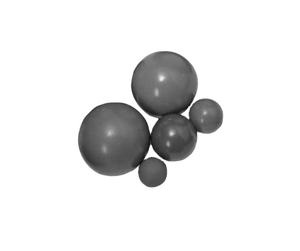
Silicon nitride is a fancy ceramic material—think of it as a super-tough, lightweight cousin of steel. It’s made by combining silicon and nitrogen at super high temperatures, and it has a set of properties that are perfect for Tesla’s drive systems. To make it easy to see why it’s better than steel, let’s throw in a quick table—no complicated numbers, just the key differences that matter:
| What Matters | Silicon Nitride Balls | Traditional Steel Balls | Why This Matters for Tesla |
| Weight (Density) | 3.2 g/cm³ (40% lighter than steel) | 7.85 g/cm³ (heavier) | Lighter = better range and less stress on the drive system |
| Hardness | Twice as hard as steel | Decent, but not as tough | Lasts 3x longer—no frequent replacements |
| Electrical Conductivity | Non-conductive (insulator) | Conductive (lets electricity flow) | No electrical corrosion—solves the high-voltage problem |
| Heat Resistance | Stable up to 1,400°C (super heat-resistant) | Stable only up to 400°C | No overheating at high speeds |
| Friction | Super low friction | Higher friction | Less energy wasted = better efficiency |
See? It’s not that steel is bad—it’s just that it’s made for gas cars, not Tesla’s high-performance EVs. Silicon nitride was basically custom-made for what Tesla needs, and they were the first to realize that. Let’s break down the biggest benefits in more detail, because they’re game-changers.
1. No More Electrical Corrosion—The Silent Killer of Bearings
We touched on this earlier, but it’s worth repeating because it’s one of the biggest reasons Tesla made the switch. Electrical corrosion is a huge problem for EVs with high-voltage systems, and steel bearings can’t handle it. Imagine your phone charger leaking a tiny bit of electricity—over time, it would damage your phone. Now imagine that on a much bigger scale, in your car’s drive system.
Silicon nitride is an insulator, which means electricity can’t flow through it. That’s like putting a rubber glove between the electrical leak and the bearing—no current gets through, so no tiny sparks, no pitting, no premature failure. Tesla tested this with the Model 3’s rear-drive motor, which uses 50 silicon nitride balls from Japan’s NSK (a top bearing supplier). The result? The bearing lifespan tripled—from around 150,000 km with steel to over 500,000 km with silicon nitride. That’s a huge deal because it means Tesla’s drive systems can last as long as the rest of the car, which is exactly what customers want.
Before silicon nitride, EV manufacturers had to use expensive insulation coatings on steel bearings (like the ones mentioned in some industrial guides) to try to prevent electrical corrosion, but those coatings wear off over time. Silicon nitride solves the problem for good—no coatings, no maintenance, just reliable performance. It’s why other EV makers are now copying Tesla’s move.
2. High Speeds? No Problem for Silicon Nitride
Tesla’s motors are fast—really fast—and steel balls just can’t keep up. As we said earlier, steel is dense, so when you spin it at 18,000 RPM, the centrifugal force is enormous. That force makes the balls rub against the bearing raceways harder, creating more friction and heat. Over time, that heat wears down the bearing, leading to costly repairs.
Silicon nitride is 40% lighter than steel, so it generates way less centrifugal force at high speeds. That means less friction, less heat, and less wear. Plus, it has a super low friction coefficient—even lower than steel with good lubrication. That translates to less energy wasted on friction, which makes the drive system more efficient. Every little bit of efficiency helps with range, and Tesla is obsessed with range. Even a 5% efficiency boost from better bearings adds kilometers to each charge, which is a big selling point.
And let’s not forget heat resistance. At 20,000 RPM, steel bearings start to overheat around 400°C, which can cause them to seize up (not good when you’re driving down the highway). Silicon nitride stays stable up to 1,400°C, so it can handle the heat from Tesla’s high-speed motors without breaking a sweat. This also helps protect other parts of the drive system, like the inverter and transmission, which don’t like extreme heat either.
3. Lighter Weight = More Range (Everyone’s Favorite Perk)
If you’ve ever owned an EV, you know range anxiety is real. Tesla’s whole thing is making EVs that can go as far as gas cars, and weight is a big factor. Every kilogram you take out of the car means the battery doesn’t have to work as hard, so you get more miles per charge.
Bearings might seem tiny, but they add up. A single steel bearing ball is heavier than a silicon nitride one, and when you have dozens of them in a multi-motor setup (like the Model S Plaid’s three motors), the weight savings add up fast. Tesla uses “hybrid” bearings—silicon nitride balls with steel raceways—which are lighter than fully steel bearings but still strong enough to handle the load. This small change makes a noticeable difference in range, and it also reduces stress on the car’s suspension and brakes (since the drive system is lighter).
Weight reduction is such a big deal for Tesla that they even use lightweight materials in other parts of the car, like aluminum frames and carbon fiber trim. Silicon nitride bearings fit right into that philosophy—lightweight, but without sacrificing strength or durability. It’s a win-win.
4. Longer Lifespan = Less Maintenance (For You and Tesla)
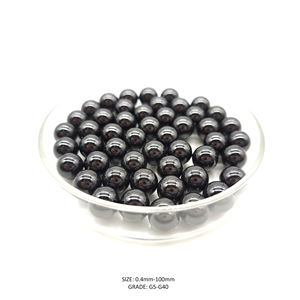
Tesla wants their cars to be low-maintenance—no oil changes, no expensive engine repairs, and bearings that last the life of the car. Silicon nitride’s hardness (twice as hard as steel) means it’s super resistant to wear and scratches. It also doesn’t rust or corrode, even in harsh weather (like snow, rain, or salt on the roads). That means the bearings last up to three times longer than steel ones—500,000 km vs. 150,000 km.
For Tesla owners, that means fewer trips to the service center and lower total cost of ownership. For Tesla, it means fewer warranty claims and happier customers. It’s especially important for fleet vehicles, like Tesla Model 3s used for ride-sharing, where downtime and maintenance costs can eat into profits. Silicon nitride bearings keep those cars on the road longer, which is a big plus.
Another bonus: silicon nitride has self-lubricating properties, which means it doesn’t need as much grease as steel bearings. That’s better for the environment and even less maintenance—win-win again.
Tesla Didn’t Just Do This for Themselves—They Set an Industry Standard
Here’s the thing: Tesla didn’t use silicon nitride just to fix their own problems. They did it because they wanted to push the EV industry forward. Before Tesla, silicon nitride was mostly used in high-end industries like aerospace (think jet engines) and semiconductors—no one thought to put it in everyday EVs. Tesla took a risk, and it paid off.
Now, other big automakers—like BMW, BYD, and Xiaomi—are starting to use silicon nitride balls in their high-performance EVs. Why? Because Tesla proved it works. They showed that the extra cost of silicon nitride (which was a concern at first) is worth it for the longer lifespan, better efficiency, and fewer repairs. Plus, as more companies start using it, the cost of silicon nitride has gone down—thanks to scaled-up production from suppliers like NSK, Schaeffler, and even Chinese manufacturers like Sinoma Advanced Materials and China Ceramics Materials, which have improved production techniques to make it more affordable.
Tesla’s vertical integration helped too. Unlike other automakers that just buy parts from suppliers, Tesla works closely with their bearing suppliers to design custom solutions. They helped suppliers figure out how to mass-produce silicon nitride balls for EVs, which made the material more accessible. It’s another example of how Tesla doesn’t just make cars—they innovate the entire supply chain.
What’s Next for Silicon Nitride in EVs?
As EVs get better and faster, silicon nitride is only going to become more important. We’re already seeing 800V and even 1000V high-voltage platforms become more common, and SiC inverters are standard in most high-performance EVs. That means electrical corrosion will be an even bigger problem for steel bearings, so more automakers will switch to silicon nitride.
The global silicon nitride ball market is projected to grow 4.7% every year from 2024 to 2030, reaching $0.48 billion by 2030. Future advancements—like 3D printing and better sintering techniques—will make silicon nitride even cheaper and more durable. We might even see it used in other EV components, like hydrogen fuel cell air compressors and battery cooling systems, since it’s so heat-resistant and lightweight.
Wrapping It Up
So, why did Tesla take the lead in using silicon nitride balls in electric drive bearings? It’s simple: they needed a material that could keep up with their high-performance EVs, and steel just wasn’t cutting it. Silicon nitride solved their biggest problems—electrical corrosion, high-speed wear, weight, and durability—and it helped them make better, more efficient cars.
This isn’t just a small component change; it’s a perfect example of Tesla’s philosophy: innovate everywhere, even in the tiny parts no one notices. They didn’t settle for “good enough”—they looked for something better, and in doing so, they set a new standard for the entire EV industry. Now, every high-performance EV on the market is following in their footsteps, and that’s a win for everyone—drivers, automakers, and the planet.
Next time you’re driving a Tesla (or any modern EV), remember: those tiny silicon nitride balls are working hard to keep your car running smoothly, efficiently, and reliably. Sometimes, the smallest innovations make the biggest difference.
Supplier
RBOSCHCO is a trusted global Silicon Nitride supplier & manufacturer with over 12 years of experience in providing super high-quality chemicals and Nanomaterials. The company export to many countries, such as USA, Canada, Europe, UAE, South Africa, Tanzania, Kenya, Egypt, Nigeria, Cameroon, Ugand, Turkey, Mexico, Azerbaijan Be lgium, Cyprus, Czech Republic, Brazil, Chile, Argentina, Dubai, Japan, Korea, Vietnam, Thailand, Malaysia, Indonesia, Australia, Germany, France, Italy, Portugal etc. As a leading nanotechnology development manufacturer, RBOSCHCO dominates the market. Our professional work team provides perfect solutions to help improve the efficiency of various industries, create value, and easily cope with various challenges. If you are looking for Silicon Nitride Bearing Balls, please feel free to contact us.
RELATED POSTS

What is boron carbide used for?

Aluminum oxynitride: a transparent ceramic that can be bulletproof
Chinas First Preparation of Ultra-high Purity Rare Earth Modified Alumina

New-Generation Superplasticizers Poised to Transform Concrete Industry
What is ZrN Coating?
