Professional and high-quality metal alloys, ceramic products and concrete additives | RBOSCHCO


PRODUCT PARAMETERS
Description
Overview of Silicon carbide refractory plate
Silicon carbide refractory plate is a kind of high-performance refractory material made of silicon carbide as the main raw material. It has the advantages of a high melting point, high strength, high wear resistance, good thermal shock stability, and erosion resistance. Silicon carbide refractory plate can maintain stable physical and chemical properties in a high-temperature environment, can effectively extend the service life of the equipment, improve production efficiency.
Features of Silicon carbide refractory plate
Silicon carbide refractory plate has the following significant features:
High refractory performance: Silicon carbide has a high melting point, can withstand high temperatures of more than 1600 ℃, in the high temperature environment can still maintain good structural stability, not easy to soften and deformation, can effectively resist the high temperature flames and slag erosion, suitable for a variety of high-temperature furnace and kiln lining materials.
High mechanical strength: the structure of silicon carbide refractory plate is dense, with high compressive strength and flexural strength, it can withstand the impact and friction of the materials in the furnace, and is not easy to appear cracks and breakage, even under frequent loading and unloading and high-temperature operating conditions, it can also maintain good integrity and reduce the frequency of maintenance and replacement.
Good thermal conductivity: Silicon carbide refractory plate has high thermal conductivity, which can quickly transfer heat and make the temperature distribution in the furnace more uniform, which is conducive to improving production efficiency and product quality, and also reduces energy consumption.
Excellent thermal shock resistance: Silicon carbide refractory plate can still maintain good performance under the cyclic conditions of rapid cooling and heating, and it is not easy to produce cracking and flaking due to thermal stress, which makes it work stably in the kiln with frequent starting and stopping, and prolongs the service life.
Chemical erosion resistance: Silicon carbide refractory plate has strong resistance,and is not easy to be eroded or corroded, and can be used in high-temperature equipment dealing with corrosive media to maintain the stability and safety of the equipment.
Specifications table of Silicon carbide refractory plate
| Items | Indicators |
| Main component | SiC ≥ 90% – 99%14 |
| Max. working temperature | 1400 – 1650 ºC14 |
| Refractoriness | ≥ 39 SK14 |
| Refractoriness under load | ≥ 1650 – 1750 ºC (2 kg/cm²)14 |
| Modulus of rupture at room temperature | ≥ 500 kg/cm²14 |
| Modulus of rupture at 1400 ºC | ≥ 100 kg/cm²14 |
| Compressive strength | ≥ 1300%14 |
| Thermal expansion at 1000 ºC | 0.42% – 0.48%14 |
| Apparent porosity | 7% – 15%124 |
| Bulk density | 2.55 – 2.75 g/cm³134 |
| Thermal conductivity at 1000 ºC | 9.1 – 14.5 kcal/m·hr·ºC |
Applications of Silicon carbide refractory plate
Silicon carbide refractory plate has a wide range of applications in many fields due to its excellent performance:
Metallurgical industry: In the blast furnace, silicon carbide refractory plates can be used in the furnace belly, furnace cylinder, and other parts, which can withstand the scouring and erosion of high-temperature molten iron and slag, and extend the service life of the blast furnace. In the steel converter, as a furnace lining material, it can resist the impact of high-temperature molten steel and the erosion of oxidizing atmosphere, and improve the operation rate of the converter. In addition, in the electric furnace steelmaking, silicon carbide refractory plates can be used in the furnace wall and roof to withstand the radiation of high-temperature arc and steel splash.
Chemical industry: in the ammonia conversion furnace, silicon carbide refractory plate can be used as a lining material to withstand high temperature, high pressure, and corrosion of hydrogen, nitrogen and other gases. In a petroleum cracking furnace, it can resist the scouring and erosion of high-temperature cracking gas and ensure the sealing and stability of the furnace body. At the same time, in a variety of chemical reactors, silicon carbide refractory plates can be used for lining protection, to meet the requirements of different chemical reactions, including high temperature, corrosion resistance and other conditions.
Building materials industry: In cement rotary kiln, silicon carbide refractory plate can be used in the transition belt and firing belt, which can withstand the abrasion of high-temperature materials and the erosion of alkaline gas, and improve the operation rate of the rotary kiln. In the glass kiln, it can be used in the pool wall, breast wall and other parts, resisting the erosion of glass liquid and the scouring of high-temperature flame, ensuring the quality of glass and the service life of the kiln.
In addition, in ceramics, electric power and other industries, silicon carbide refractory plate also plays an important role.
Company Profile
RBOSCHCO is a trusted global chemical material supplier & manufacturer with over 12 years of experience in providing super high-quality chemicals and Nanomaterials. The company exports to many countries, such as the USA, Canada, Europe, UAE, South Africa, Tanzania, Kenya, Egypt, Nigeria, Cameroon, Uganda, Turkey, Mexico, Azerbaijan, Belgium, Cyprus, Czech Republic, Brazil, Chile, Argentina, Dubai, Japan, Korea, Vietnam, Thailand, Malaysia, Indonesia, Australia, Germany, France, Italy, Portugal etc. As a leading nanotechnology development manufacturer, RBOSCHCO dominates the market. Our professional work team provides perfect solutions to help improve the efficiency of various industries, create value, and easily cope with various challenges. If you are interested, please send an email to sales1@rboschco.com
Payment Term
T/T, Western Union, Paypal, Credit Card etc.
Shipment Term
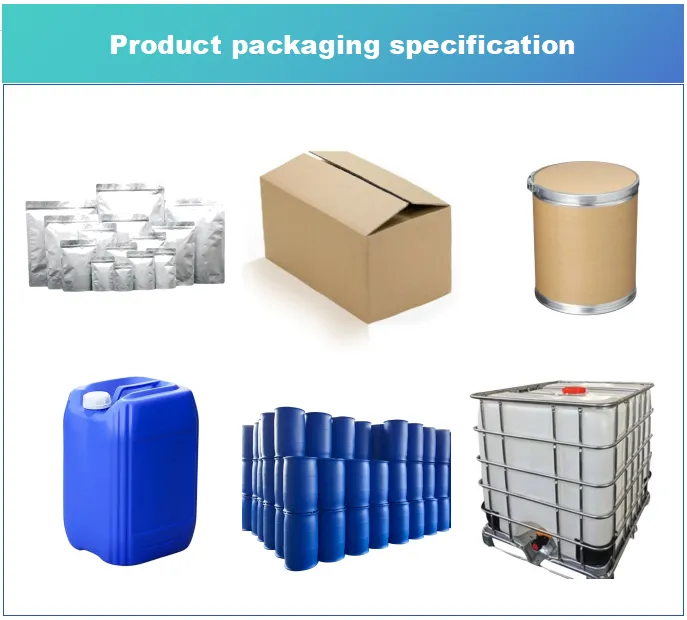
By air, by sea, by express, as customers request.
5 FAQs of Silicon Carbide Refractory Plate
Q1: What is the thermal conductivity of a silicon carbide refractory plate?
The thermal conductivity of silicon carbide is 10-14 times higher than that of clay products, and it can reach 16.3-16.7W/m・K at 350°C. This characteristic enables it to transfer heat quickly and evenly, reduce the temperature difference inside the furnace, and improve the heating efficiency. For example, using Silicon Carbide Shelter in a ceramic kiln can shorten the firing time by more than 30%.
Q2: What is the corrosion resistance of the silicon carbide refractory plate?
Silicon carbide has excellent corrosion resistance to most acids (e.g., sulfuric acid, hydrochloric acid) and neutral salts, but it is easily oxidized in strong oxidizing atmospheres (e.g., oxygen, water vapor, CO₂), resulting in the formation of a SiO₂ layer on the surface. Therefore, in oxidizing environment, it should be used with antioxidant coating (such as ZS-1021 high temperature resistant sealer), which can reduce the oxidation rate by more than 95%.
Q3:What are the specific applications of Silicon Carbide Refractory Sheet in metallurgical industry?
Blast furnace: used in the furnace belly, furnace cylinder and other parts, resistance to high temperature iron wash, life expectancy of more than 10 years, is the traditional clay brick 3-5 times. Converter: as a furnace lining material, to withstand the impact of high-temperature molten steel, Japan’s Nippon Steel & Sumitomo Metal Corporation to enhanced its service life from 200 times to 600 times. Electric Furnace: Silicon carbide plates are used for furnace walls and roofs, which can withstand high-temperature arc radiation and reduce the frequency of maintenance.
Q4: How to choose silicon carbide refractory panels for the chemical industry?
In ammonia conversion furnace, reactive sintered silicon carbide plate should be chosen for its high density and strong thermal shock resistance; while in petroleum cracking furnace, recrystallized silicon carbide plate is more suitable because of its better corrosion resistance and high temperature stability. Care should be taken to avoid use in environments containing hydrofluoric acid or molten alkali metals.
Q5: How to install a silicon carbide refractory plate?
Substrate treatment: Ensure that the installation surface is flat, free of oil and dust, and apply high-temperature-resistant binder (e.g., phosphate cement) if necessary. Fixing method: Use bolts or a mortise and tenon structure to fix; the bolts need to be matched with heat-insulating gaskets to prevent heat conduction. Seam treatment: Leave a 2-3mm expansion gap, filled with ceramic fiber wool or vermiculite powder to prevent thermal stress cracking. Modular installation: some products support quick dismantling design (such as the double-connected pillar structure), which is convenient for local replacement.
REQUEST A QUOTE
RELATED PRODUCTS

Customized high purity industrial alumina ceramic standard parts

Sintered Silicon Carbide Ceramic Seal Ring
Customized high quality high temperature resistant alumina crucible

High quality refractory alumina fiber tubes
Fire and Wear Resistant High Temperature Silicon Carbide Ceramic Rods
