Professional and high-quality metal alloys, ceramic products and concrete additives | RBOSCHCO



PRODUCT PARAMETERS
Description
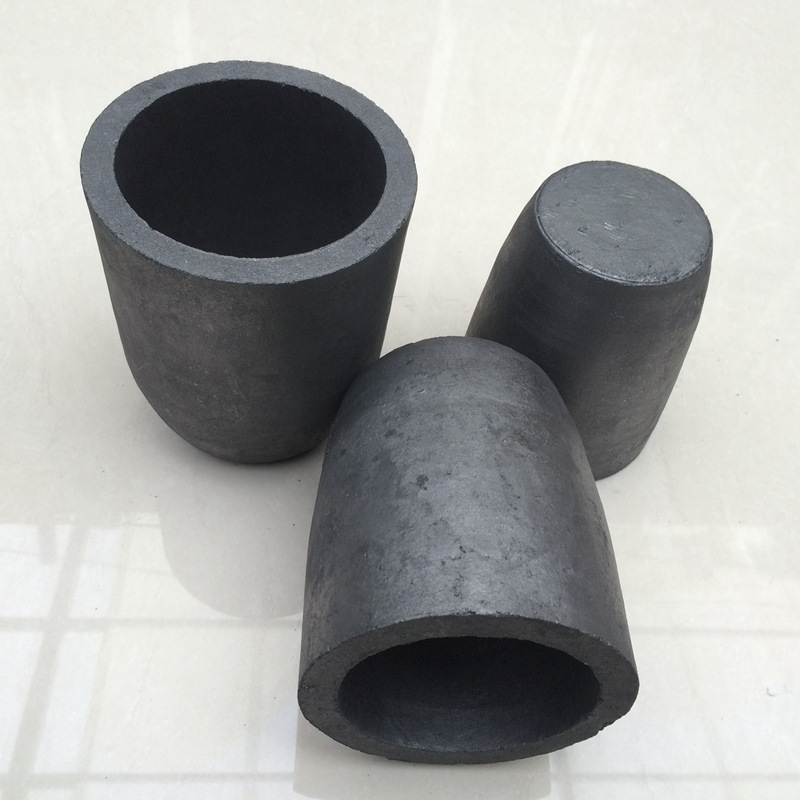
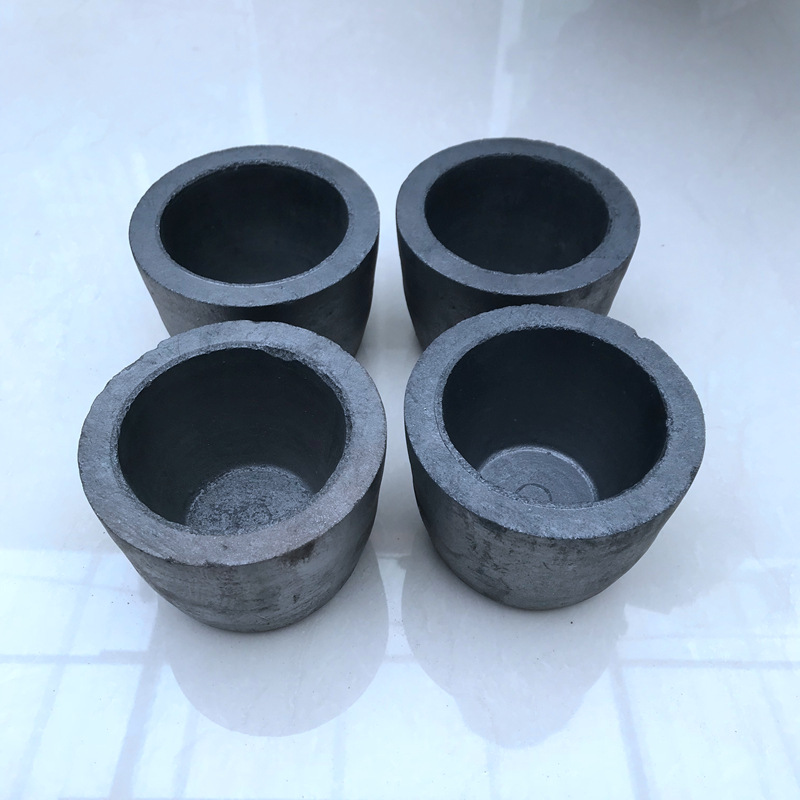
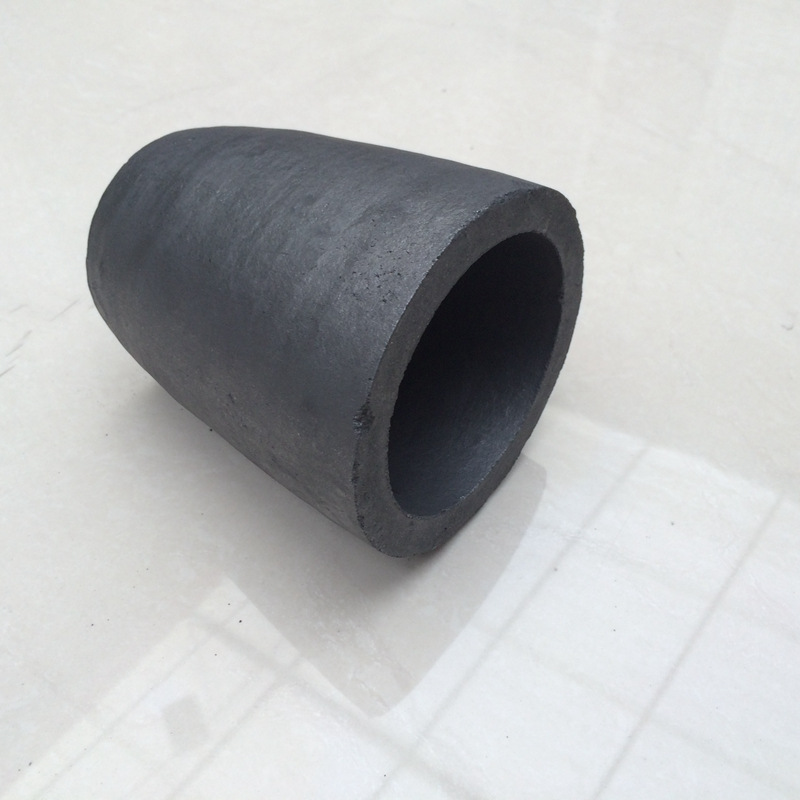
Overview of Pressureless Sintered Silicon Carbide Ceramic (PSC)
Pressureless sintered silicon carbide is an advanced ceramic material produced through high-temperature sintering without external pressure. It combines the inherent superior properties of silicon carbide with net-dimensional forming capabilities, making it a key material in numerous industrial sectors.
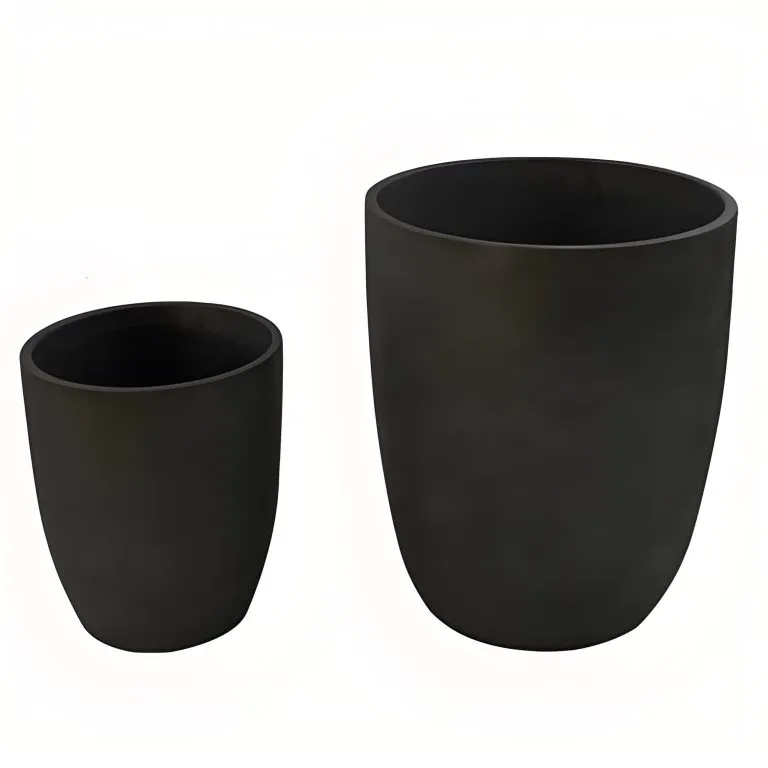
Features of Pressureless Sintered Silicon Carbide Ceramic (PSC)
- Excellent high-temperature performance: Maintains high strength, high hardness, and good creep resistance even at high temperatures.
- Superior corrosion resistance: Resistant to various acids, alkalis, and molten salts.
- High thermal conductivity and low thermal expansion: Good thermal stability and excellent thermal shock resistance.
- Outstanding wear resistance: High hardness and long wear life.
- Net-dimensional forming: The sintering process requires no pressure, enabling the manufacture of complex shapes and dimensionally precise parts.
Specifications of Pressureless Sintered Silicon Carbide Ceramic (PSC)
| Property / Parameter | Typical Value | Unit | Test Standard / Notes |
|---|---|---|---|
| General Properties | |||
| Bulk Density | 3.10 – 3.15 | g/cm³ | ASTM B311 |
| Porosity | < 0.1 | % | Essentially gas-tight |
| Color | Dark Gray / Black | – | – |
| Mechanical Properties | |||
| Hardness (Vickers, HV0.5) | 2400 – 2800 | kgf/mm² | ASTM C1327 |
| Flexural Strength (4-pt) | 350 – 500 | MPa | ASTM C1161 |
| Compressive Strength | > 2000 | MPa | ASTM C1424 |
| Fracture Toughness (K1C) | 3.5 – 4.5 | MPa·m¹/² | SEVNB, ISO 23146 |
| Elastic Modulus | 410 – 450 | GPa | ASTM C1259 |
| Thermal Properties | |||
| Maximum Use Temperature (Inert) | > 1600 | °C | Long-term stability |
| Maximum Use Temperature (Air) | up to 1400 – 1500 | °C | Surface oxidation layer forms |
| Thermal Conductivity @ 20°C | 120 – 150 | W/m·K | ASTM E1461 |
| Coefficient of Thermal Expansion (20-1000°C) | 4.3 – 4.6 | x10-6/K | ASTM E228 |
| Thermal Shock Resistance | Very High | – | ΔTc > 500°C |
| Electrical & Chemical Properties | |||
| Electrical Resistivity @ 20°C | 102 – 106 | Ω·cm | Highly dependent on temperature & doping |
| Chemical Resistance | Excellent | – | Resists acids, alkalis, and molten salts. Attacked by HF, HNO3/HF, and strong oxidizers. |
Applications of Pressureless Sintered Silicon Carbide Ceramic (PSC)
- Sealing components: Mechanical seals, bushings, for harsh operating conditions.
- Wear-resistant components: Nozzles, liners, bearings, for mining, coal preparation, and slurry conveying.
- Corrosion-resistant components: Chemical pumps, valves, heat exchangers, for the chemical industry.
- Kiln furniture and refractory materials: Kiln supports, rollers, used in ceramics, powder metallurgy, and other industries.
- Bulletproof armor: Utilizing high hardness and low density, used for personal and vehicle protection.

Company Profile
Luoyang Tongrun Nano Technology Co. Ltd. (TRUNNANO) is a trusted global chemical material supplier & manufacturer with over 12-year-experience in providing super high-quality chemicals and nanomaterials, including boride powder, nitride powder, graphite powder, ceramic products, 3D printing powder, etc.
The company has a professional technical department and Quality Supervision Department, a well-equipped laboratory, and equipped with advanced testing equipment and after-sales customer service center.
If you are looking for high-quality Ceramic Products please feel free to contact us or click on the needed products to send an inquiry.
Payment Methods
L/C, T/T, Western Union, Paypal, Credit Card etc.
Shipment
By sea, by air, by express as soon as possible once payment receipt.

FAQs of Pressureless Sintered Silicon Carbide Ceramic (PSC)
What are the differences between pressureless sintering and hot-pressed silicon carbide?
The main difference lies in the forming process. Pressureless sintering requires no external pressure, allowing for the creation of complex shapes; hot-pressing requires pressure applied at high temperatures, resulting in denser products but with limited shape options and higher costs.
What is its maximum operating temperature?
In oxidizing atmospheres (such as air), its long-term stable operating temperature can reach over 1400°C; in inert or reducing atmospheres, the operating temperature can be even higher.
How corrosion resistant is pressureless sintered silicon carbide?
It has excellent corrosion resistance to most acids (such as sulfuric acid and hydrochloric acid) and alkalis, but is not resistant to hydrofluoric acid, hot phosphoric acid, and strong oxidizing molten salts.
What are its main disadvantages?
The main disadvantages are high brittleness, sensitivity to notches, and difficult machining (usually only possible with diamond tools for grinding).
How do I choose the right type of silicon carbide ceramic for my application?
The selection of components should be based on specific working conditions (temperature, corrosive media, wear type, stress conditions) and the requirements for component shape complexity and precision. Consult a professional materials engineer for selection.
REQUEST A QUOTE
RELATED PRODUCTS
Real-time monitoring of high sensitivity oxygen sensor heating element
Inch ALN Aluminum Nitride Ceramic Wafer Disc Good thermal shock resistance High thermal conductivity
Precision Machining of High-purity Silicon Nitride Rods

Wholesale High Quality Customized Silicon Carbide Desulfurization Nozzle
Customized high quality high temperature resistant alumina crucible
