Professional and high-quality metal alloys, ceramic products and concrete additives | RBOSCHCO

Battery Materials

Biphasic layered oxideCathodeMaterialsfor Sodium IonBatteries
O3-type NFMCathodeMaterialsfor Sodium IonBatteriesNaxTMO2
Hard Carbon Anode Material TRNF-1 Hard Carbon Anode Material for Sodium-Ion Batteries
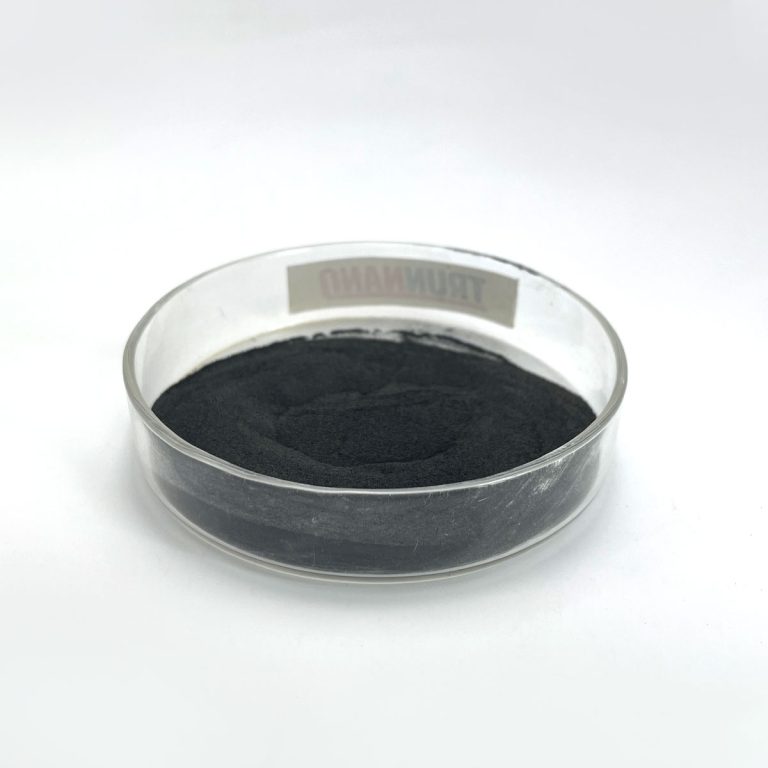
Silicon-Based Anode Material Series TRGY-3 Battery Anode Material
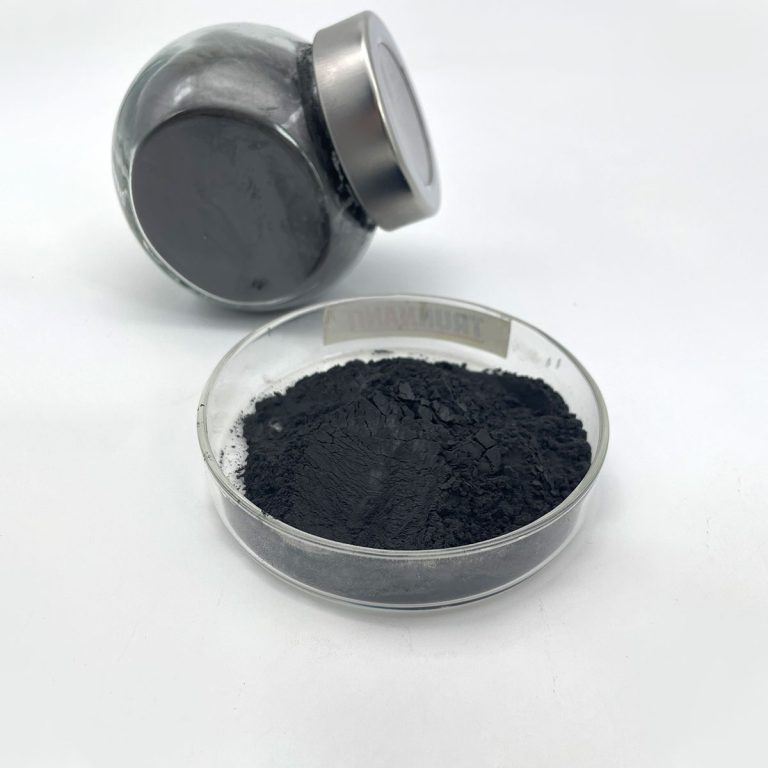
Silicon-Based Anode Material Series TRGY-2 Battery Anode Material
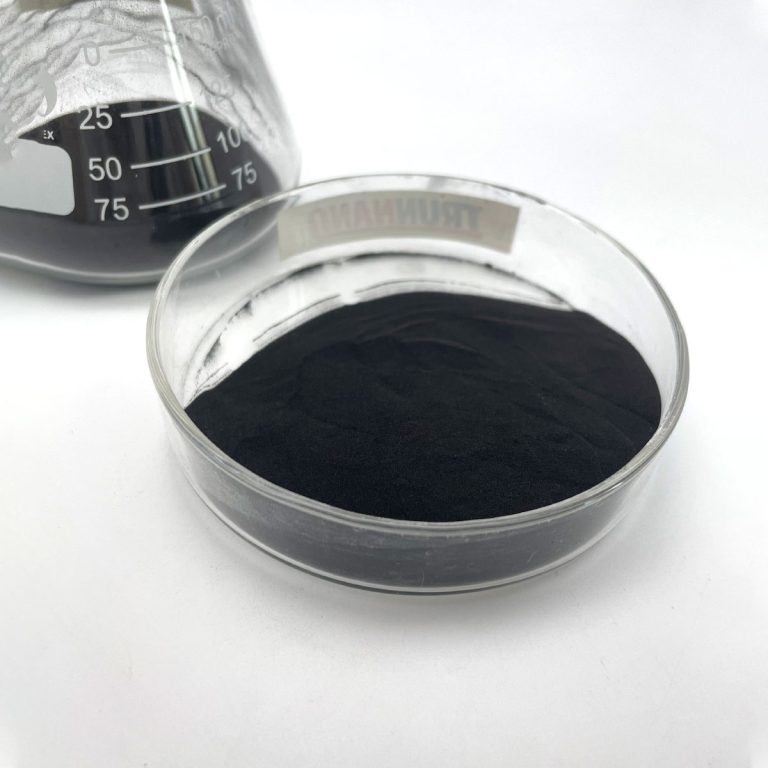
Silicon-Based Anode Material Series TRGY-1 Battery Anode Material

Silicon Carbon TRGT-200 Battery Anode Material

Silicon Carbon TRGT-800 Battery Anode Material

High Quality NaxTMO2 Anode Material for Sodium Ion Batteries
Overview of Battery Materials
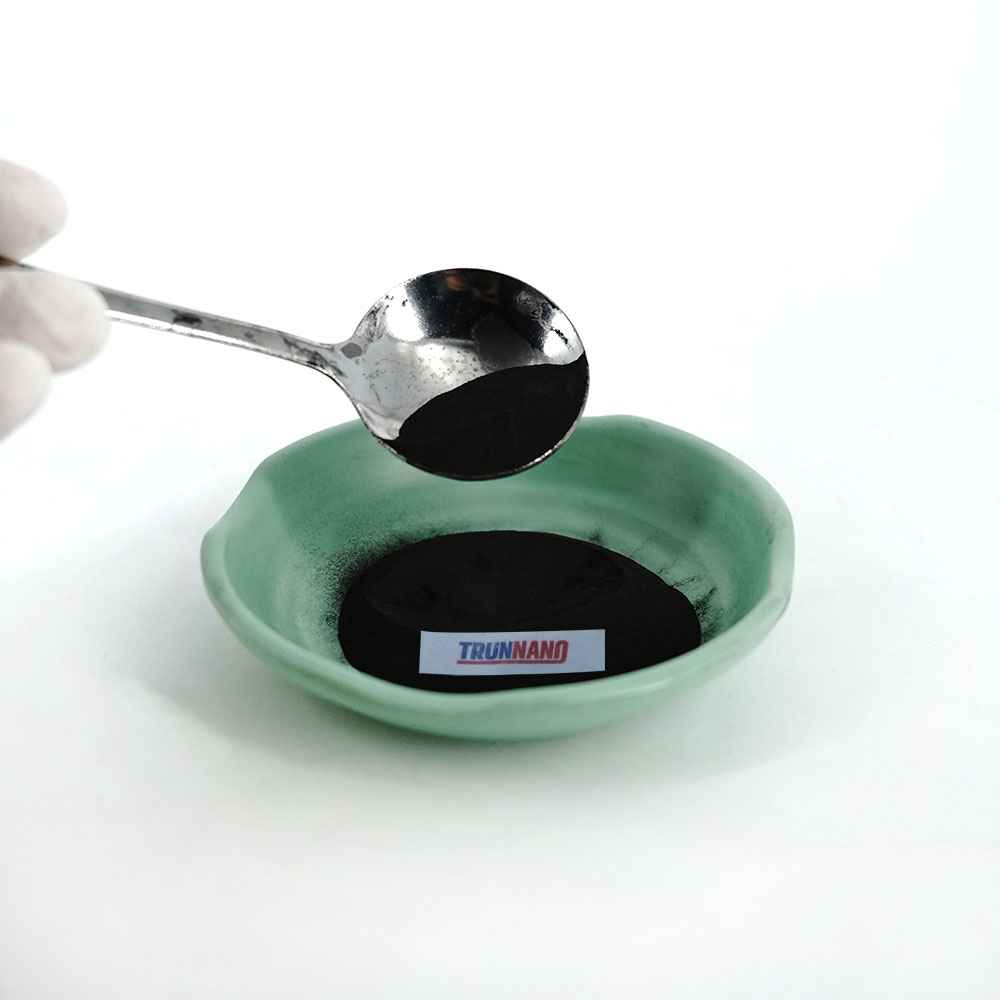
We are at the forefront of battery materials innovation, providing the essential components that power the future of energy storage. Our portfolio includes high-performance cathode and anode active materials, advanced electrolytes, and critical separators engineered for next-generation lithium-ion and beyond-lithium technologies. We empower manufacturers to build batteries with higher energy density, longer cycle life, enhanced safety, and faster charging capabilities.

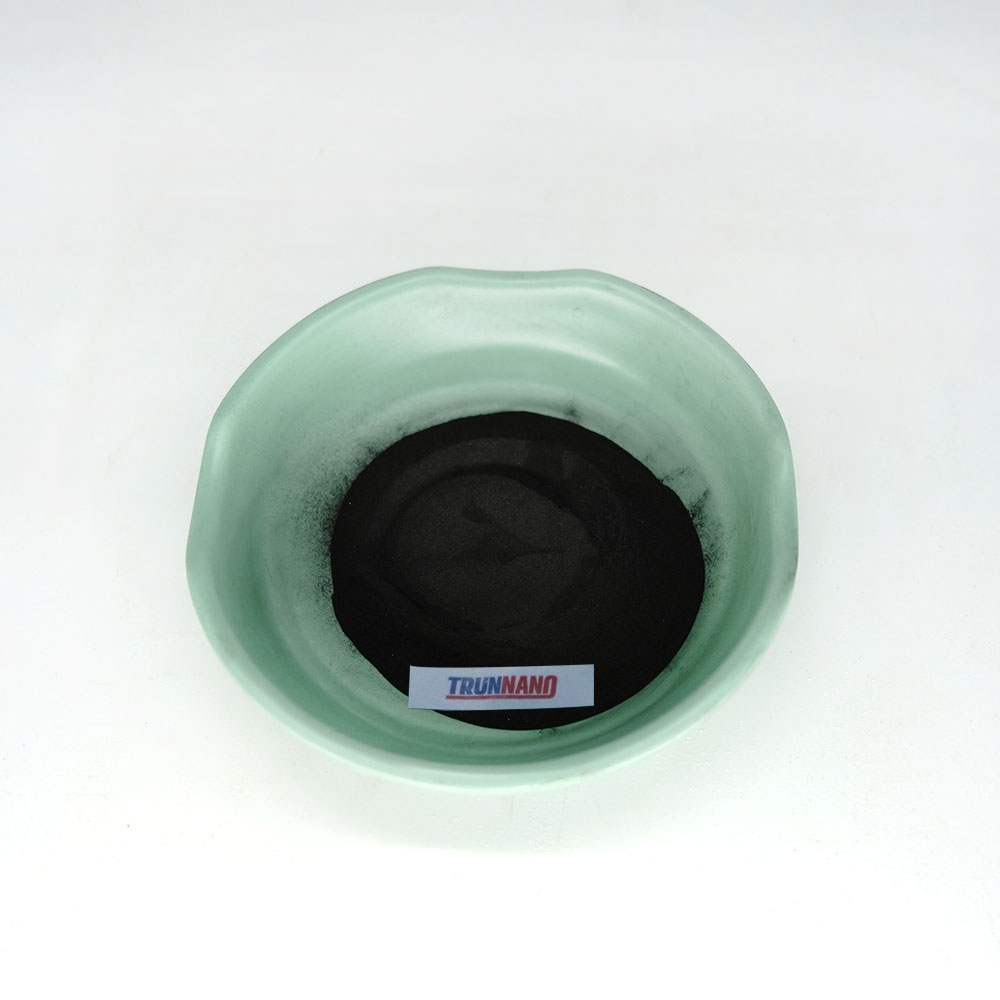


Features of Battery Materials
- High Energy Density: Engineered to maximize capacity (mAh/g) and voltage, enabling longer runtimes for devices and electric vehicles.
- Superior Cycle Life: Formulated for exceptional durability, maintaining capacity and performance over thousands of charge-discharge cycles.
- Enhanced Safety Properties: Advanced chemistries and coatings to improve thermal stability and reduce risks of thermal runaway.
- Fast-Charging Capability: Materials designed for high ionic and electrical conductivity, enabling significantly reduced charging times.
- Tailored Formulations: Customizable particle size, morphology, and surface treatments to optimize performance for specific cell designs and applications.
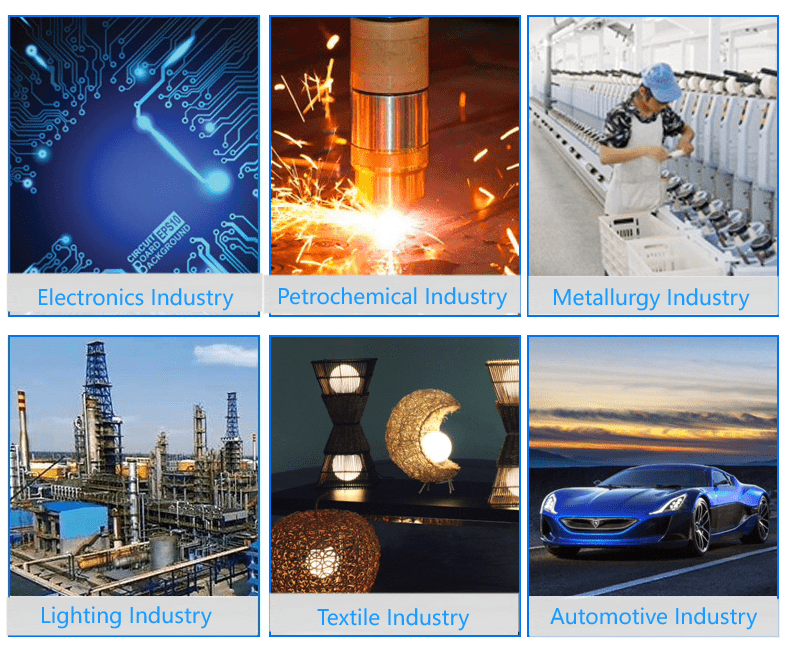
Applications of Battery Materials
- Electric Vehicles (EVs): High-nickel cathodes, silicon-based anodes, and safe electrolytes for power and range.
- Consumer Electronics: High-capacity materials for smartphones, laptops, tablets, and wearables.
- Energy Storage Systems (ESS): LFP cathodes and long-life formulations for grid storage and residential backup power.
- Power Tools & E-Mobility: High-power materials for drones, e-bikes, and tools requiring robust discharge rates.
- Medical & Industrial Devices: Reliable, high-energy materials for critical applications.
Specification Table of Battery Materials
| Material Category | Typical Compositions | Capacity (mAh/g) | Voltage vs. Li/Li+ | Key Characteristics |
|---|---|---|---|---|
| Cathode Materials | ||||
| - NMC | LiNiMnCoO₂ | 160 - 220 | ~3.8 V | High energy density, balanced performance |
| - LFP | LiFePO₄ | 150 - 170 | ~3.2 V | Excellent safety, long cycle life |
| - LCO | LiCoO₂ | 140 - 160 | ~3.9 V | High volumetric density |
| Anode Materials | ||||
| - Graphite | C | 340 - 370 | ~0.1 V | Reliable, high coulombic efficiency |
| - Silicon-Based | SiOx, Si-C | 450 - 1500+ | ~0.4 V | Very high capacity, fast-charging |
| Other Components | ||||
| - Electrolytes | LiPF₆ in Carbonates | N/A | N/A | High ionic conductivity, wide T range |
Company Profile
Rboschco is a trusted global chemical material supplier & manufacturer with over 12-year-experience in providing super high-quality chemicals and nanomaterials, including boride powder, nitride powder, graphite powder, sulfide powder, 3D printing powder, etc.
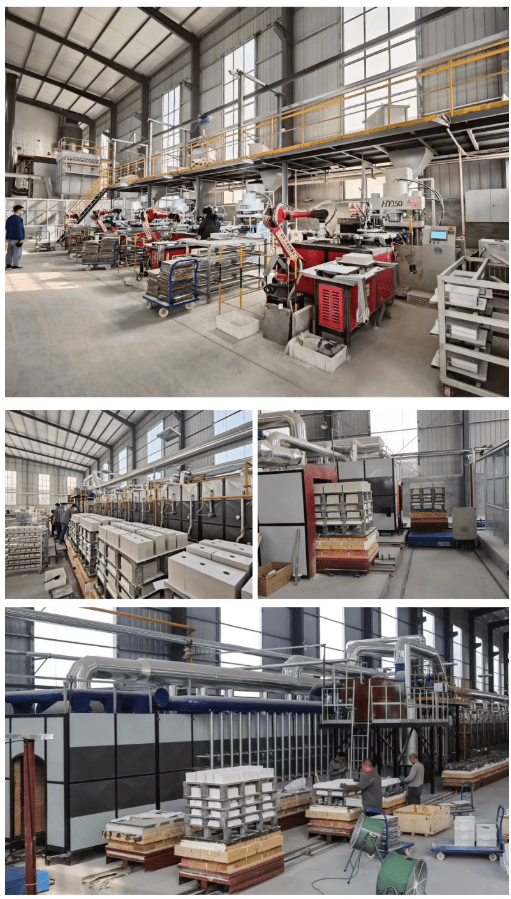
The company has a professional technical department and Quality Supervision Department, a well-equipped laboratory, and equipped with advanced testing equipment and after-sales customer service center.
If you are looking for high-quality Battery Materials, please feel free to contact us or click on the needed products to send an inquiry.
Payment Term
L/C, T/T, Western Union, Paypal, Credit Card etc.
Shipment Term
By sea, by air, by express, as customers request.
5 FAQs of Battery Materials
1. What is the difference between NMC and LFP cathode materials?
NMC offers higher energy density for maximum range, ideal for EVs. LFP provides superior safety, longer cycle life, and is cobalt-free, making it a leading choice for ESS and cost-sensitive applications.
2. How do silicon anode materials improve battery performance?
Silicon can store up to 10x more lithium than graphite, dramatically increasing energy density. This translates to longer battery life or a smaller, lighter cell for the same capacity.
3. Can you provide custom material specifications?
Yes. We specialize in tailoring particle size distribution, surface coatings, and doping elements to meet specific power, energy, and lifetime requirements for your unique cell design.
4. What are the key factors for battery material safety?
Safety is multi-faceted. We focus on the thermal stability of cathodes (e.g., LFP's P-O bond), the formation of stable SEI layers on anodes, and the use of non-flammable electrolyte additives.
5. How do your materials support fast-charging technology?
Our fast-charging solutions include engineered anode materials with high lithium diffusivity, low-tortuosity cathode structures, and electrolytes that facilitate rapid ion transport without degradation.
Tag: Battery Materials, Anode Material, Cathode Materials