Professional and high-quality metal alloys, ceramic products and concrete additives | RBOSCHCO




PRODUCT PARAMETERS
Description
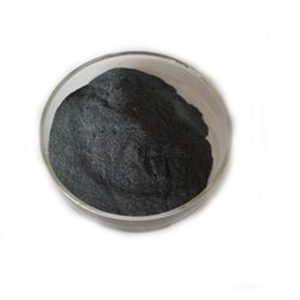
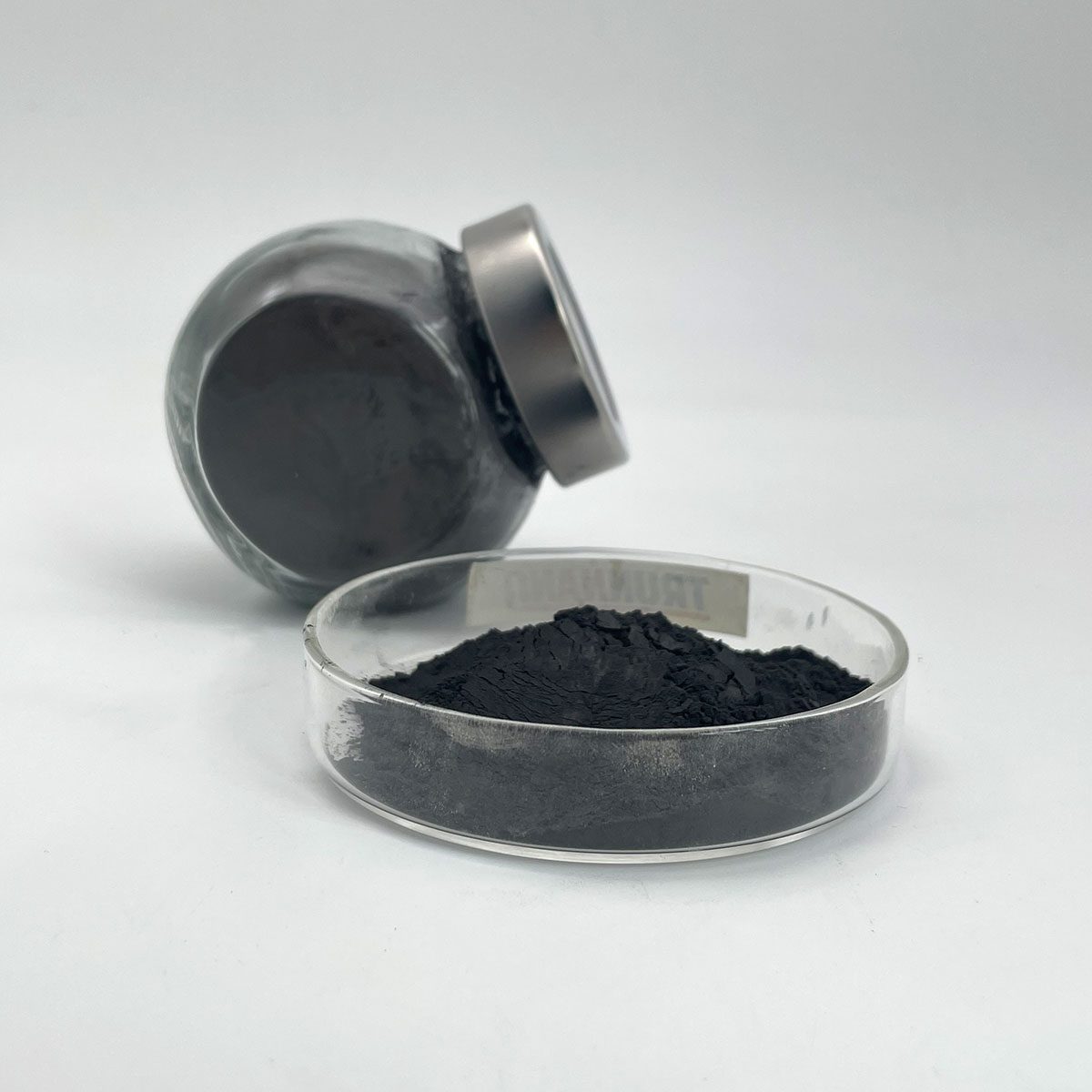
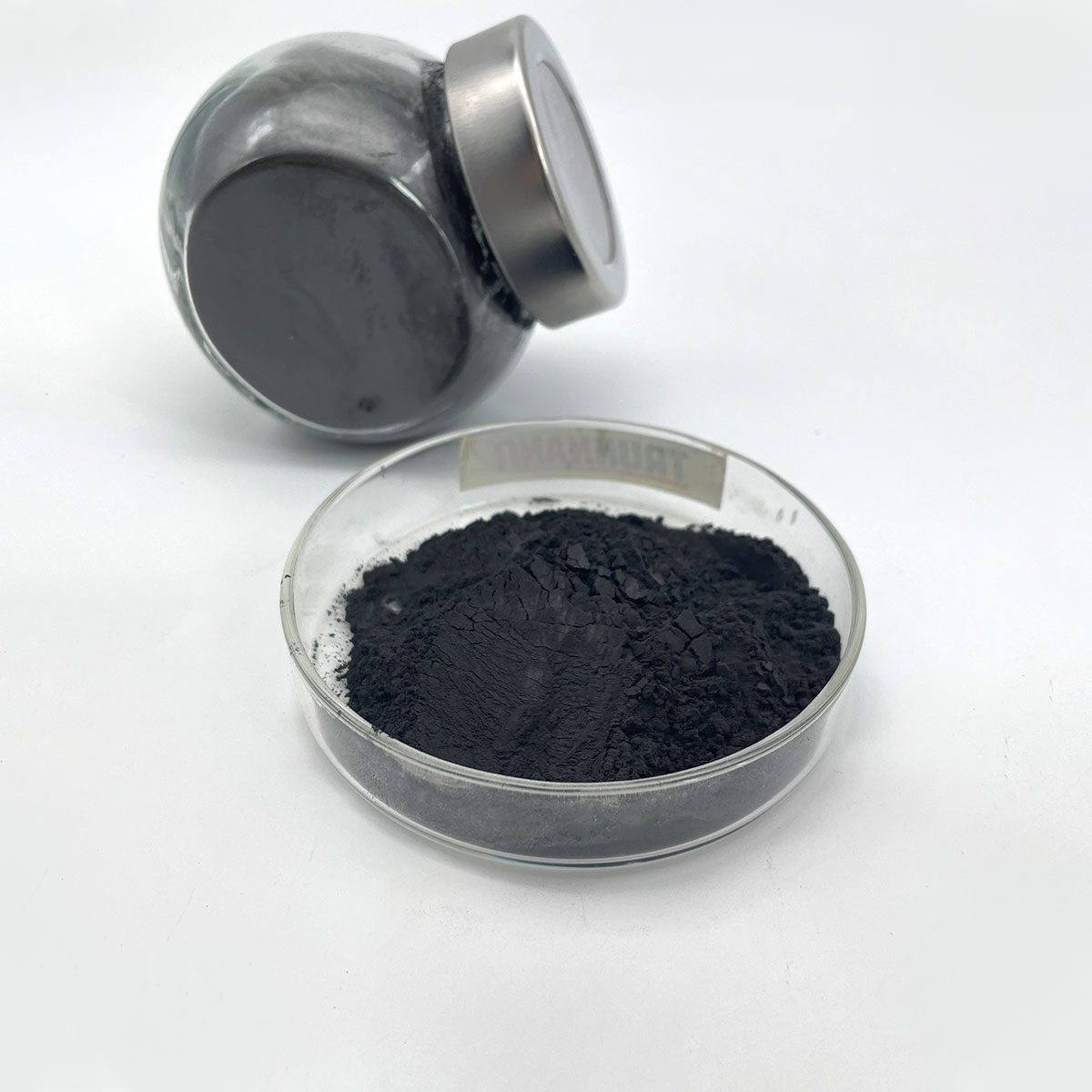
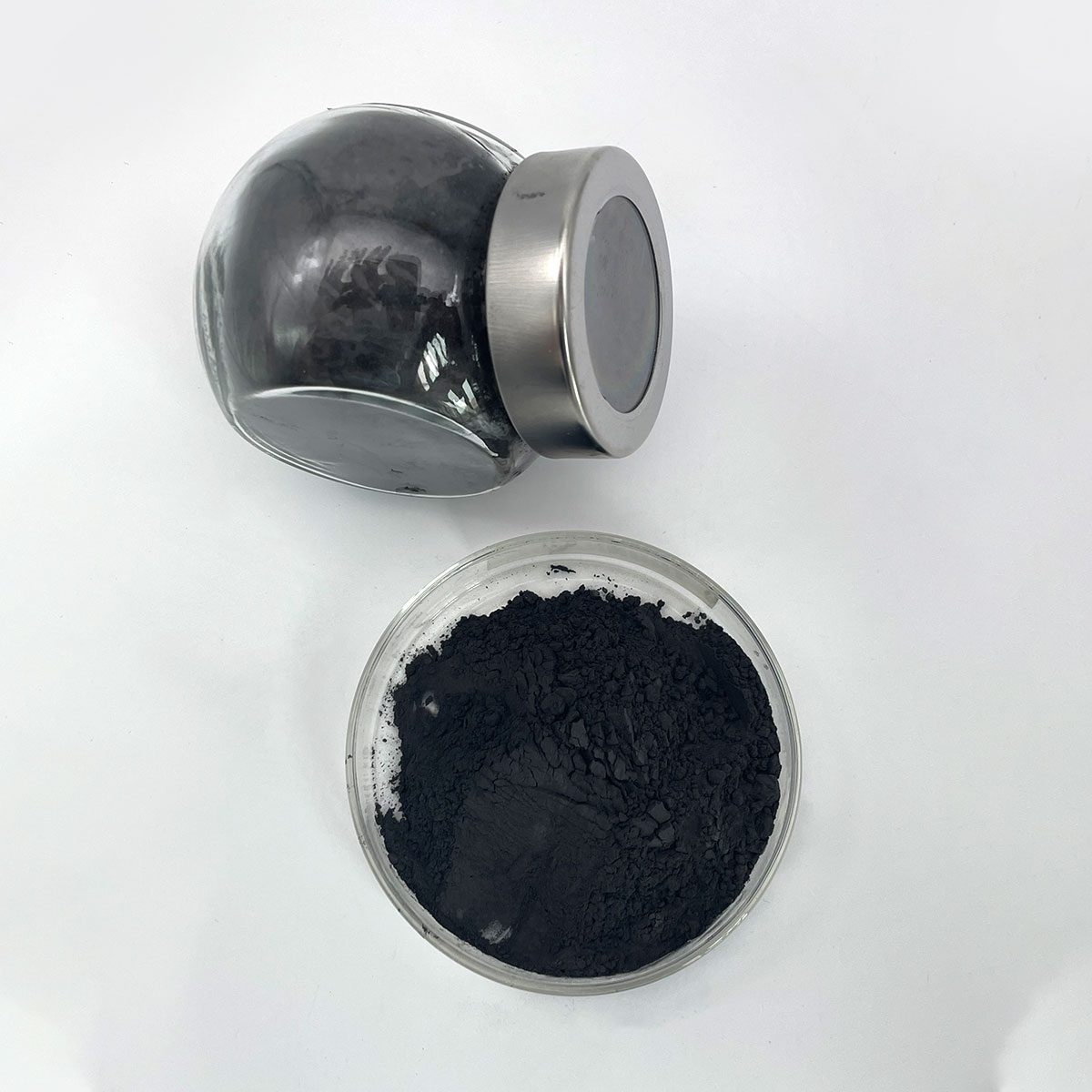
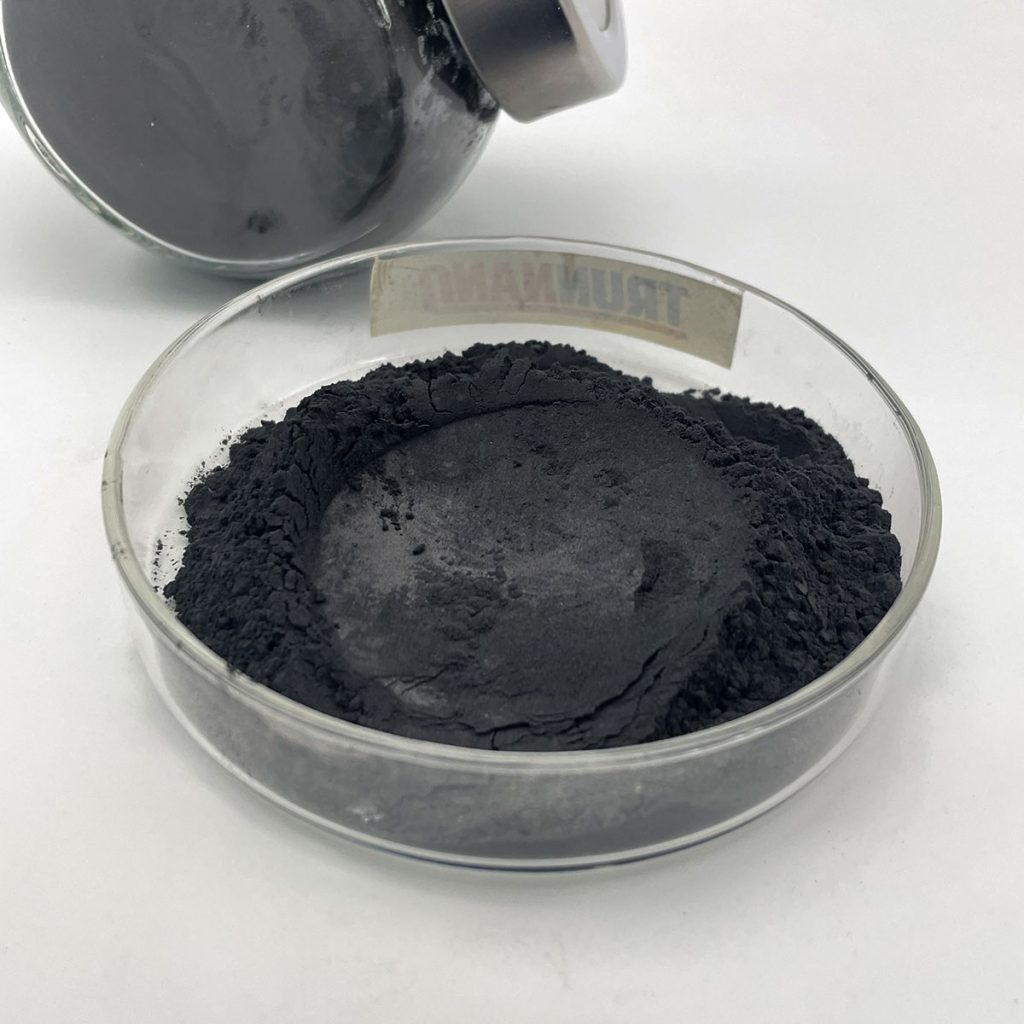
Overview of Hard Carbon Anode Material TRNF-1
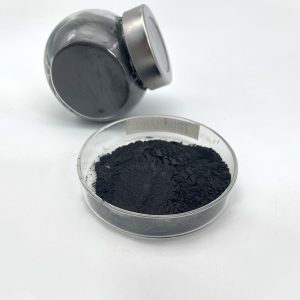
TRNF-1 is a high-performance hard carbon anode material specifically engineered for sodium-ion batteries. Sourced from optimized biomass precursors and manufactured via a unique proprietary process, it delivers an exceptional balance of high specific capacity, superior first-cycle efficiency, and excellent rate capability. TRNF-1 is designed with a granular, irregular particle morphology that promotes optimal packing density and electrode formation. Its outstanding processing characteristics ensure excellent compatibility with both organic and aqueous binder systems, making it a reliable and efficient choice for developing cost-effective, high-performance sodium-ion batteries targeted at small power and two-wheeler applications.
Features of Hard Carbon Anode Material TRNF-1
- High Specific Capacity: Delivers a typical reversible capacity of 300 mAh/g, providing a strong foundation for high-energy-density cells.
- Superior First-Cycle Efficiency: Features a high initial Coulombic efficiency of ≥90%, maximizing active sodium utilization and overall energy output.
- Excellent Rate Performance: Supports fast charging and discharging, ideal for applications requiring quick power delivery.
- Excellent Processability: Compatible with both organic (PVDF) and aqueous (CMC/SBR) binder systems, offering flexibility in electrode manufacturing.
- Optimized Particle Structure: Irregular granular particles with a controlled size distribution ensure high tap density and facilitate stable electrode coating.
Applications of Hard Carbon Anode Material TRNF-1
- Sodium-Ion Batteries for Small Power Tools
- Light Electric Vehicles (E-bikes, E-scooters)
- Energy Storage Systems for Backup Power
- Consumer Electronics powered by Sodium-ion chemistry

Specification Table of Hard Carbon Anode Material TRNF-1
| Parameter | Unit | Typical Value | Test Method / Condition |
|---|---|---|---|
| Particle Size (D50) | μm | 6.0 – 8.0 | Laser Particle Size Analyzer |
| First Charge Capacity | mAh/g | 300 ± 10 | Neware Test System, 0.1C, 0-2.5V |
| First Coulombic Efficiency | % | ≥ 90 | Neware Test System, 0.1C, 0-2.5V |
| Tap Density | g/cm³ | ≥ 0.65 | Tapping Density Tester |
| Specific Surface Area | m²/g | ≤ 5 | BET Method |
| Moisture Content | % | ≤ 0.5 | Moisture Analyzer |
| Ash Content | % | ≤ 0.2 | Muffle Furnace Method |
| pH Value | – | 7.0 – 11.0 | pH Meter |
Company Profile
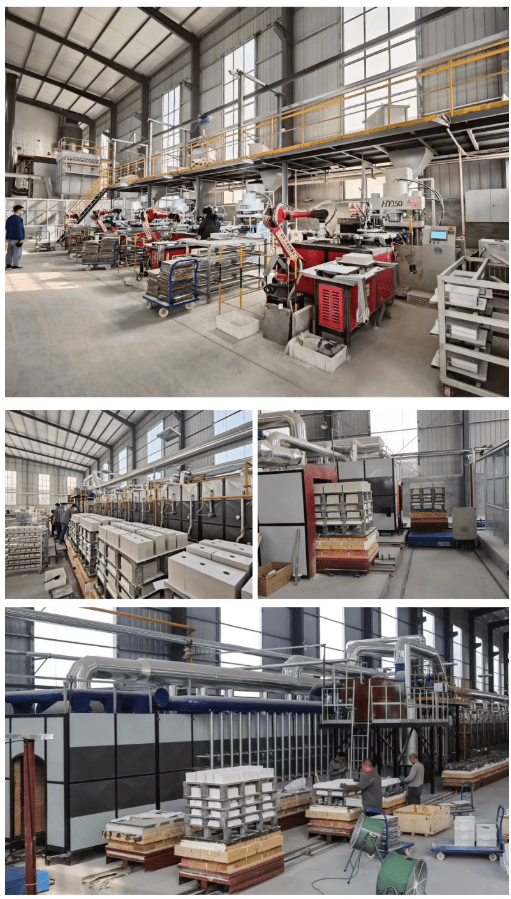
Rboschco is a trusted global chemical material supplier & manufacturer with over 12-year-experience in providing super high-quality chemicals and nanomaterials, including boride powder, nitride powder, graphite powder, sulfide powder, 3D printing powder, etc.
The company has a professional technical department and Quality Supervision Department, a well-equipped laboratory, and equipped with advanced testing equipment and after-sales customer service center.
If you are looking for high-quality Battery Materials, please feel free to contact us or click on the needed products to send an inquiry.
Payment Term
L/C, T/T, Western Union, Paypal, Credit Card etc.
Shipment Term
By sea, by air, by express, as customers request.
FAQs of Hard Carbon Anode Material TRNF-1
1. What is the primary advantage of using TRNF-1 in sodium-ion batteries?
TRNF-1 provides a highly stable and efficient sodium storage host structure, offering an optimal combination of high capacity (300 mAh/g) and excellent first-cycle efficiency (≥90%), which are critical for the performance and cost-effectiveness of sodium-ion batteries.
2. Is this material suitable for aqueous electrode processing?
Yes, TRNF-1 demonstrates excellent processing versatility. The datasheet provides a recommended aqueous slurry recipe (HC:SP:CMC:SBR=94:2:1.5:2.5), confirming its compatibility with more environmentally friendly and cost-effective water-based manufacturing.
3. What does the “irregular granular” particle morphology mean for performance?
This structure promotes better particle-to-particle contact and packing within the electrode, leading to higher electrode density, improved electronic conductivity, and enhanced structural stability during cycling.
4. How does the low specific surface area (≤5 m²/g) benefit the battery?
A low specific surface area minimizes unwanted side reactions between the electrode and the electrolyte, which enhances first-cycle efficiency, improves long-term cycle life, and contributes to better safety performance.
5. What are the recommended packaging options for TRNF-1?
To ensure product integrity and convenience, TRNF-1 is available in two packaging formats: 300kg ton bags for industrial-scale orders and 20kg cartons (containing 4x5kg inner bags) for smaller-scale or R&D purposes. Both are designed for safe, dry, and easy transport.
REQUEST A QUOTE
RELATED PRODUCTS
O3-type NFMCathodeMaterialsfor Sodium IonBatteriesNaxTMO2
Biphasic layered oxideCathodeMaterialsfor Sodium IonBatteries
Tunnel-type oxideNa0.44TMO2 Cathode Materials for Sodium Ion Batteries

Silicon-Based Anode Material Series TRGY-1 Battery Anode Material
Silicon-Based Anode Material Series TRGY-3 Battery Anode Material