Professional and high-quality metal alloys, ceramic products and concrete additives | RBOSCHCO



PRODUCT PARAMETERS
Description
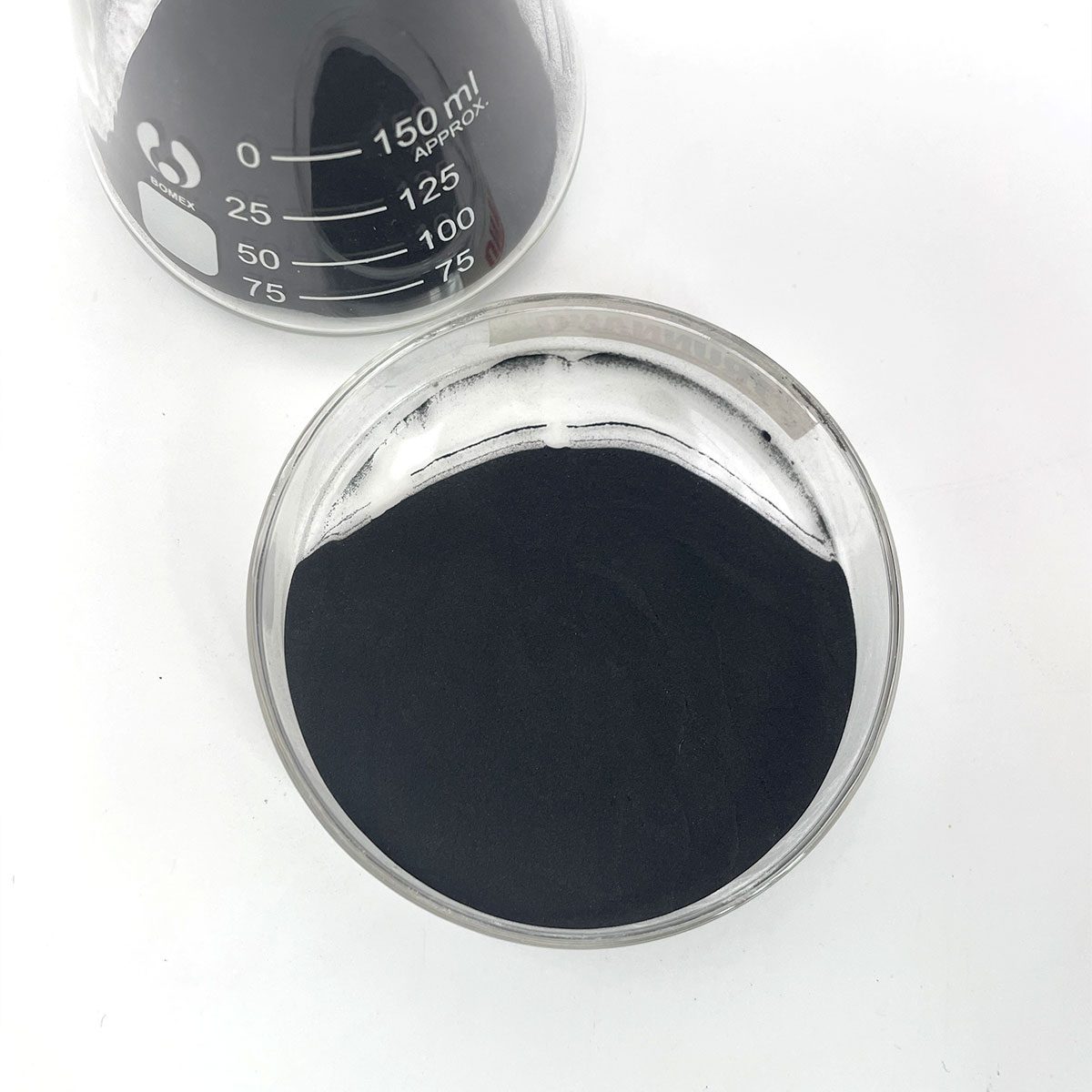
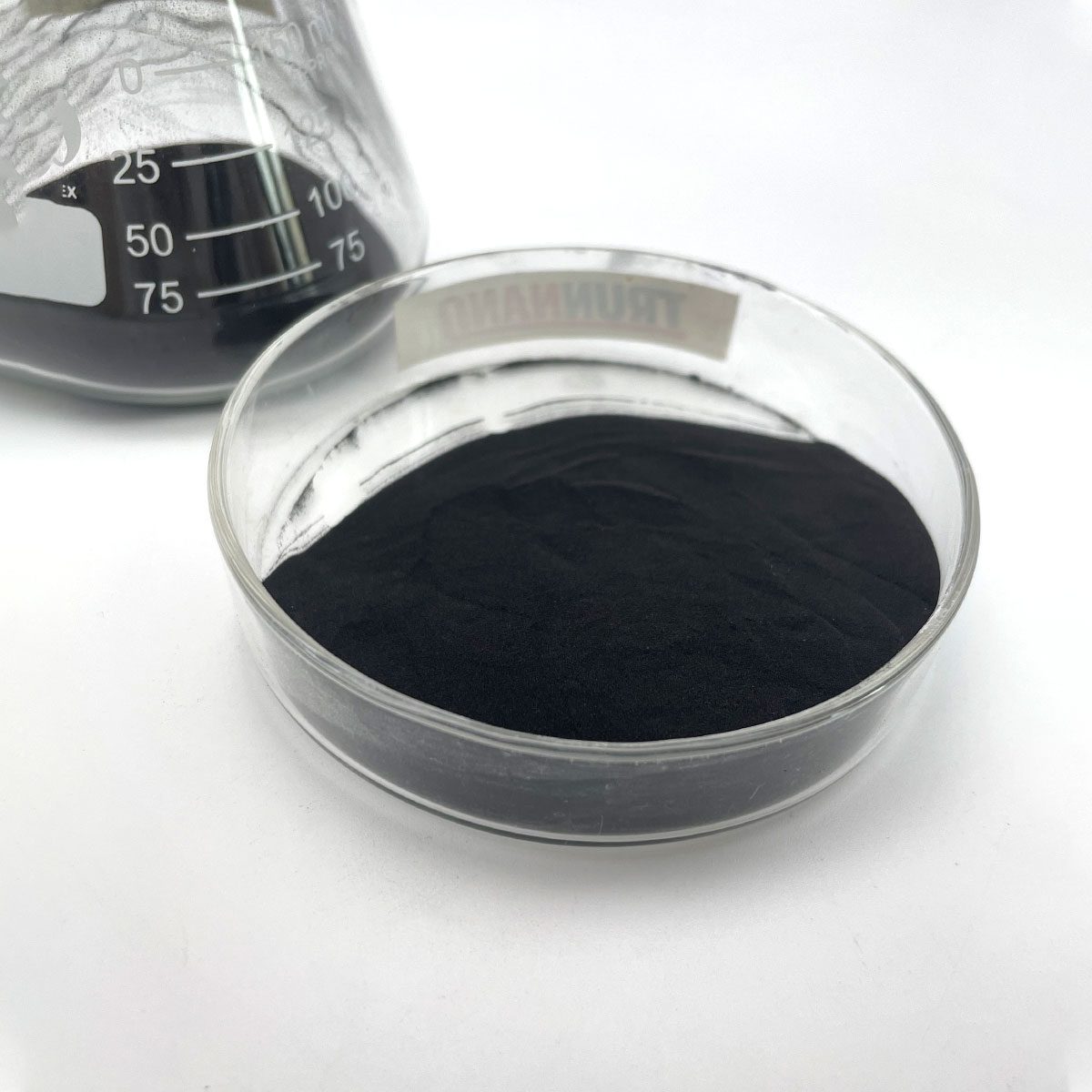
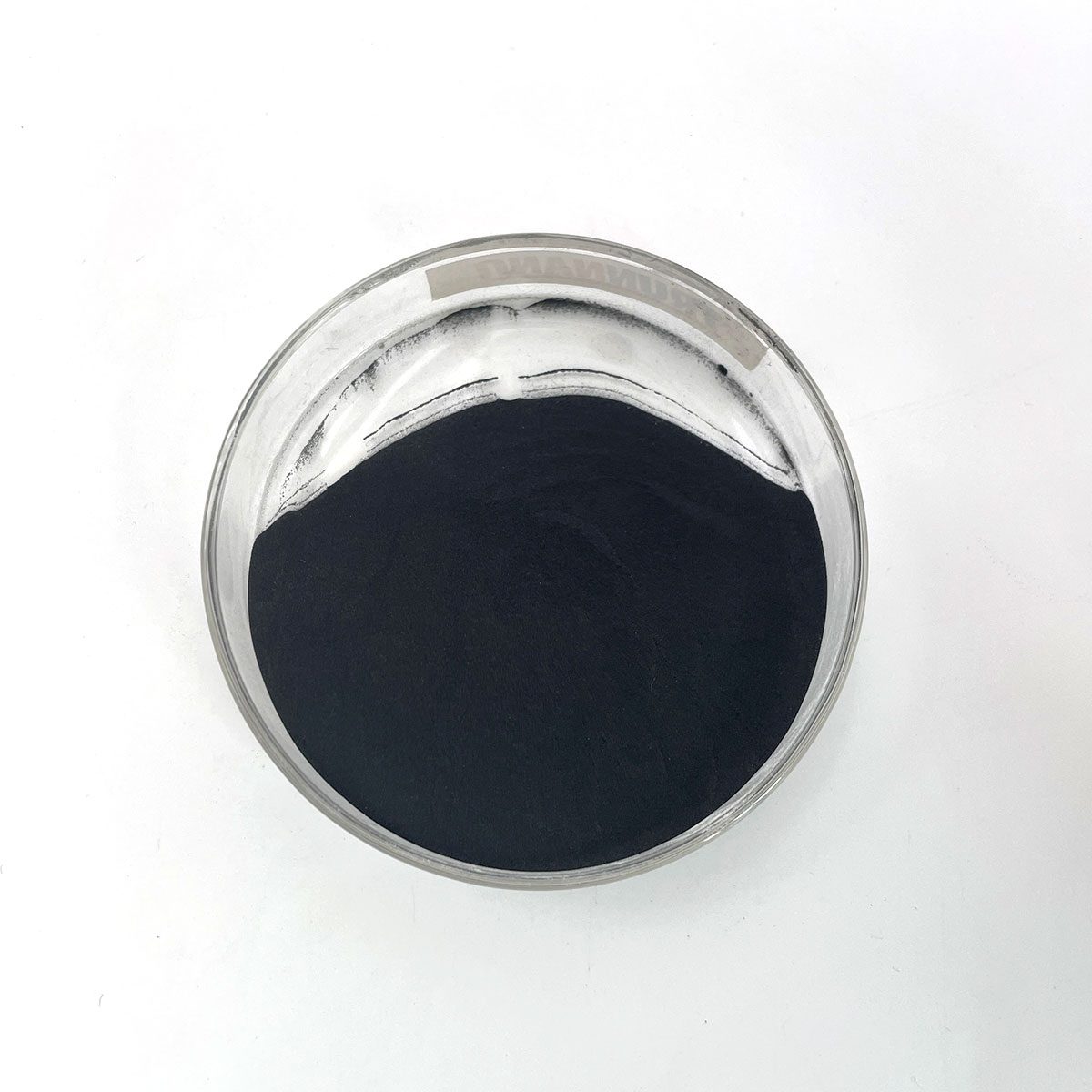
Overview of O3-type NFM Cathode Materials for Sodium Ion Batteries NaxTMO2
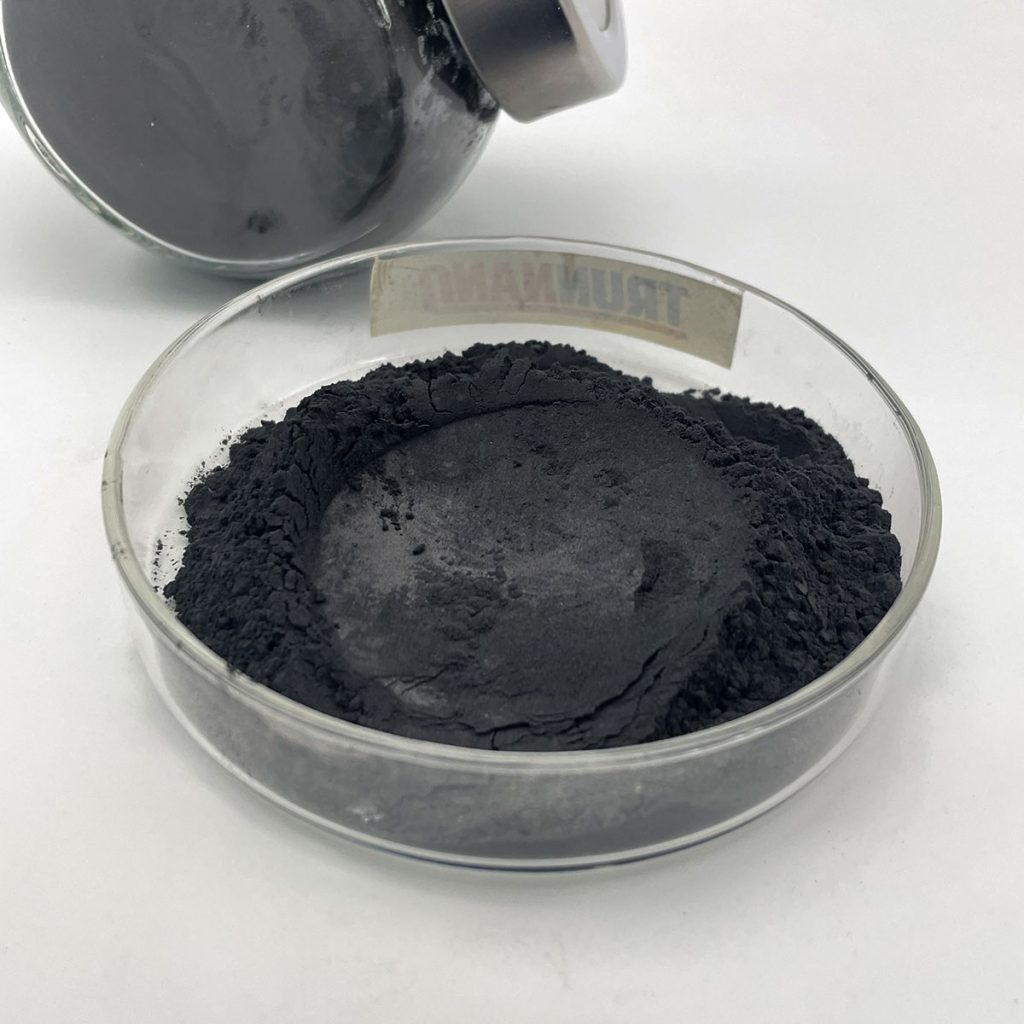
O3-type layered oxide cathode materials, represented by the general formula Na~x~TMO~2~ (where TM is a transition metal), are a leading category of high-performance cathodes for sodium-ion batteries. Our NFM series, specifically Na~x~(Ni~0.2~Fe~0.3~Mn~0.5~)O~2~, leverages a strategic combination of nickel, iron, and manganese to deliver an optimal balance of specific capacity, operating voltage, and cost-effectiveness. The “O3” designation refers to the specific stacking sequence of the oxygen layers, which provides a stable framework for reversible sodium ion (de)intercalation. Engineered with precise control over particle morphology and composition, these materials offer a reliable and powerful foundation for building the next generation of sustainable and economical energy storage systems.
Features of O3-type NFM Cathode Materials for Sodium Ion Batteries NaxTMO2
- High Specific Capacity: Delivers a robust discharge capacity of 120-140 mAh/g, providing a solid foundation for high-energy-density cells.
- Cost-Effective Composition: Utilizes a strategic blend of transition metals, minimizing cobalt content to reduce cost while maintaining performance.
- Stable Layered Structure: The O3-type crystal structure (R-3m space group) ensures stable cycling and reliable sodium ion transport.
- Optimized Physical Properties: Controlled particle size distribution, high tap density, and compaction density enable high electrode loading and manufacturing consistency.
- Balanced Electrochemical Profile: Offers a practical average voltage and wide operating voltage window, suitable for a variety of applications.
Applications of O3-type NFM Cathode Materials for Sodium Ion Batteries NaxTMO2
- Large-Scale Energy Storage Systems (ESS) for grid support and renewable energy integration.
- Light Electric Vehicles (E-bikes, E-scooters) and low-speed electric vehicles.
- Consumer Electronics requiring cost-effective and safe power solutions.
- Industrial Backup Power and uninterruptible power supplies (UPS).
- Start-Stop Systems and other automotive applications.

Specification Table of O3-type NFM Cathode Materials (Z-NNFM: Na~x~(Ni~0.2~Fe~0.3~Mn~0.5~)O~2~)
| Parameter | Unit | Typical Value (Z-NNFM) |
|---|---|---|
| Particle Size (D50) | μm | 3.5 |
| Tap Density | g/cm³ | 2.1 – 2.3 |
| Compacted Density | g/cm³ | 3.2 – 3.5 |
| Specific Surface Area | m²/g | 0.8 – 1.2 |
| Discharge Specific Capacity (0.1C) | mAh/g | 120 – 140 |
| Average Voltage | V | 3.0 – 3.2 |
| Energy Density | Wh/kg | 350 – 400 |
| Crystal Structure | – | Trigonal (R-3m) |
Company Profile
Rboschco is a trusted global chemical material supplier & manufacturer with over 12-year-experience in providing super high-quality chemicals and nanomaterials, including boride powder, nitride powder, graphite powder, sulfide powder, 3D printing powder, etc.
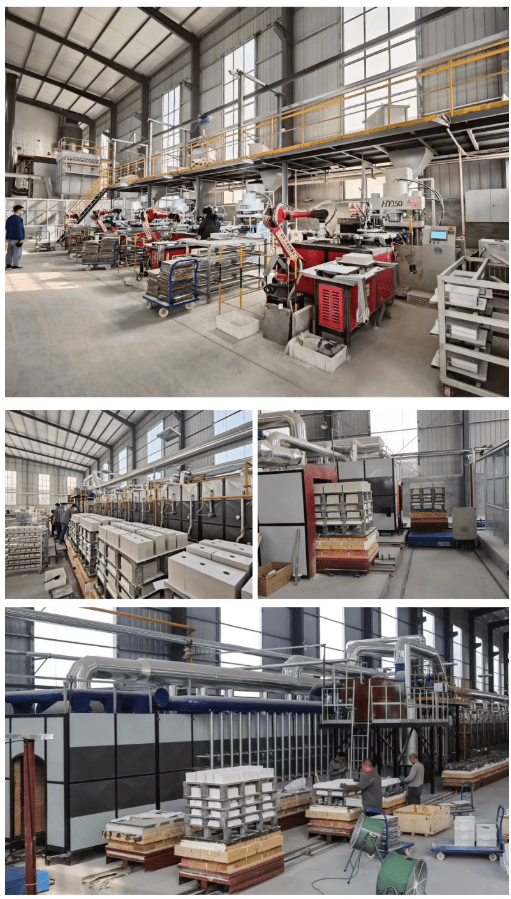
The company has a professional technical department and Quality Supervision Department, a well-equipped laboratory, and equipped with advanced testing equipment and after-sales customer service center.
If you are looking for high-quality Battery Materials, please feel free to contact us or click on the needed products to send an inquiry.
Payment Term
L/C, T/T, Western Union, Paypal, Credit Card etc.
Shipment Term
By sea, by air, by express, as customers request.
FAQs of O3-type NFM Cathode Materials for Sodium Ion Batteries NaxTMO2
1. What does the “O3” in the name signify?
The “O3” refers to the specific stacking sequence of the oxygen layers in the crystal structure. In this configuration, the sodium ions occupy octahedral sites in a specific ABCABC stacking pattern, which influences the material’s sodium storage capacity, voltage profile, and structural stability.
2. Why is the NFM composition (Ni, Fe, Mn) advantageous?
This composition creates a synergistic effect. Nickel (Ni) contributes to high capacity, Manganese (Mn) stabilizes the structure and provides a higher voltage platform, and Iron (Fe) is a low-cost and abundant element that helps reduce the overall material cost while contributing to capacity.
3. How does the energy density compare to other sodium-ion cathodes?
With an energy density of 350-400 Wh/kg, the NFM material sits at the higher end of the performance spectrum for layered oxide sodium-ion cathodes, offering a compelling balance of performance and cost, superior to Prussian blue analogues and competitive with other layered oxides.
4. What are the key considerations for manufacturing electrodes with this material?
Its well-controlled physical properties (particle size, density) make it compatible with standard electrode manufacturing processes. The slightly basic pH may require consideration for slurry stability, and pairing it with a stable electrolyte formulation is key to achieving long cycle life.
5. Can the sodium content (x in Na~x~TMO~2~) be adjusted?
Yes, the sodium content is variable (typically between 0.67 and 1.0) and is precisely controlled during synthesis. The exact stoichiometry affects the material’s specific capacity, phase transitions during cycling, and overall electrochemical performance.
REQUEST A QUOTE
RELATED PRODUCTS
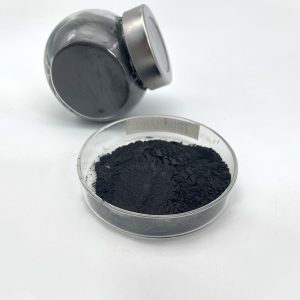
Hard Carbon Anode Material TRNF-1 Hard Carbon Anode Material for Sodium-Ion Batteries
High Quality NaxTMO2 Anode Material for Sodium Ion Batteries
Silicon-Based Anode Material Series TRGY-3 Battery Anode Material
Biphasic layered oxideCathodeMaterialsfor Sodium IonBatteries
Silicon Carbon TRGT-200 Battery Anode Material