Professional and high-quality metal alloys, ceramic products and concrete additives | RBOSCHCO





PRODUCT PARAMETERS
Description
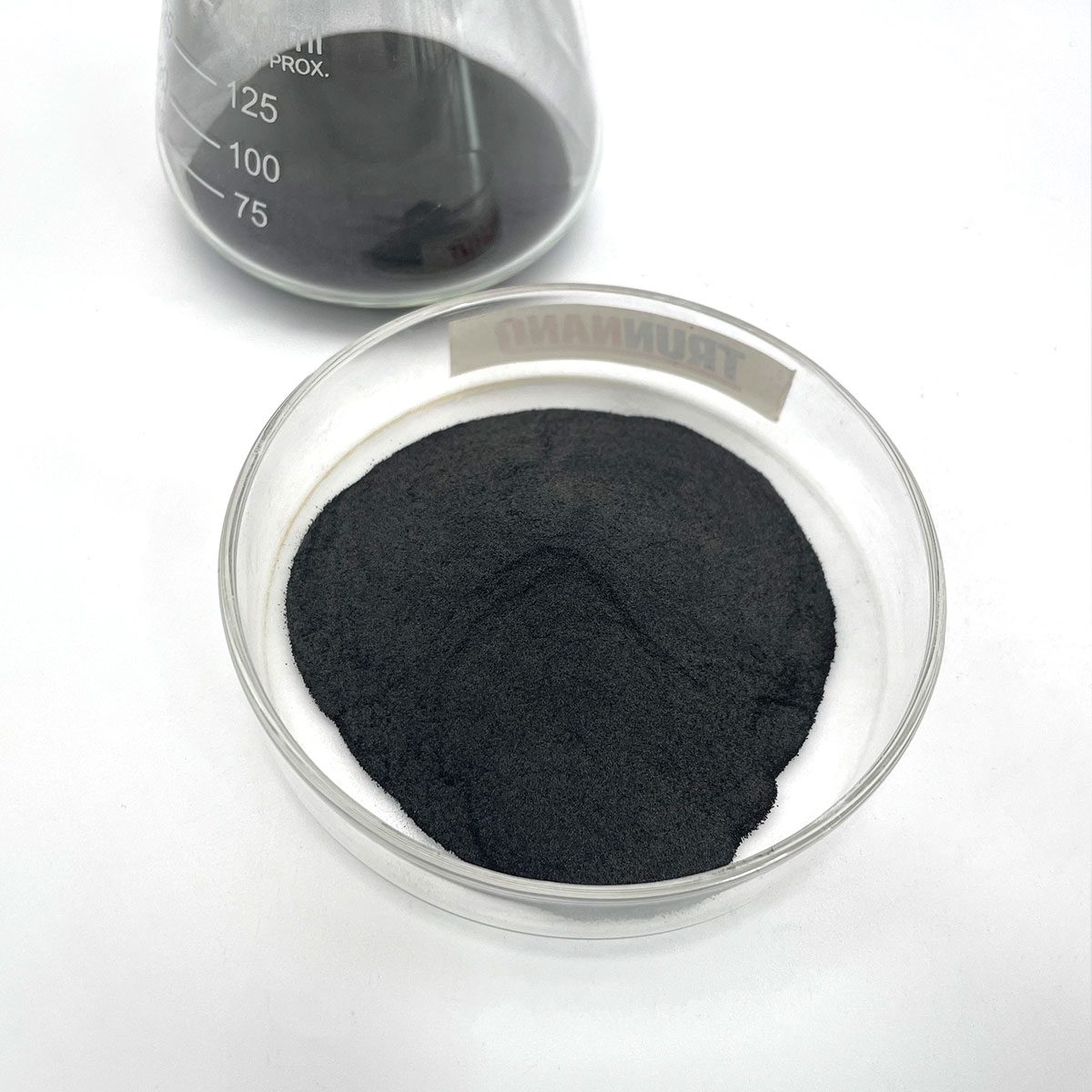
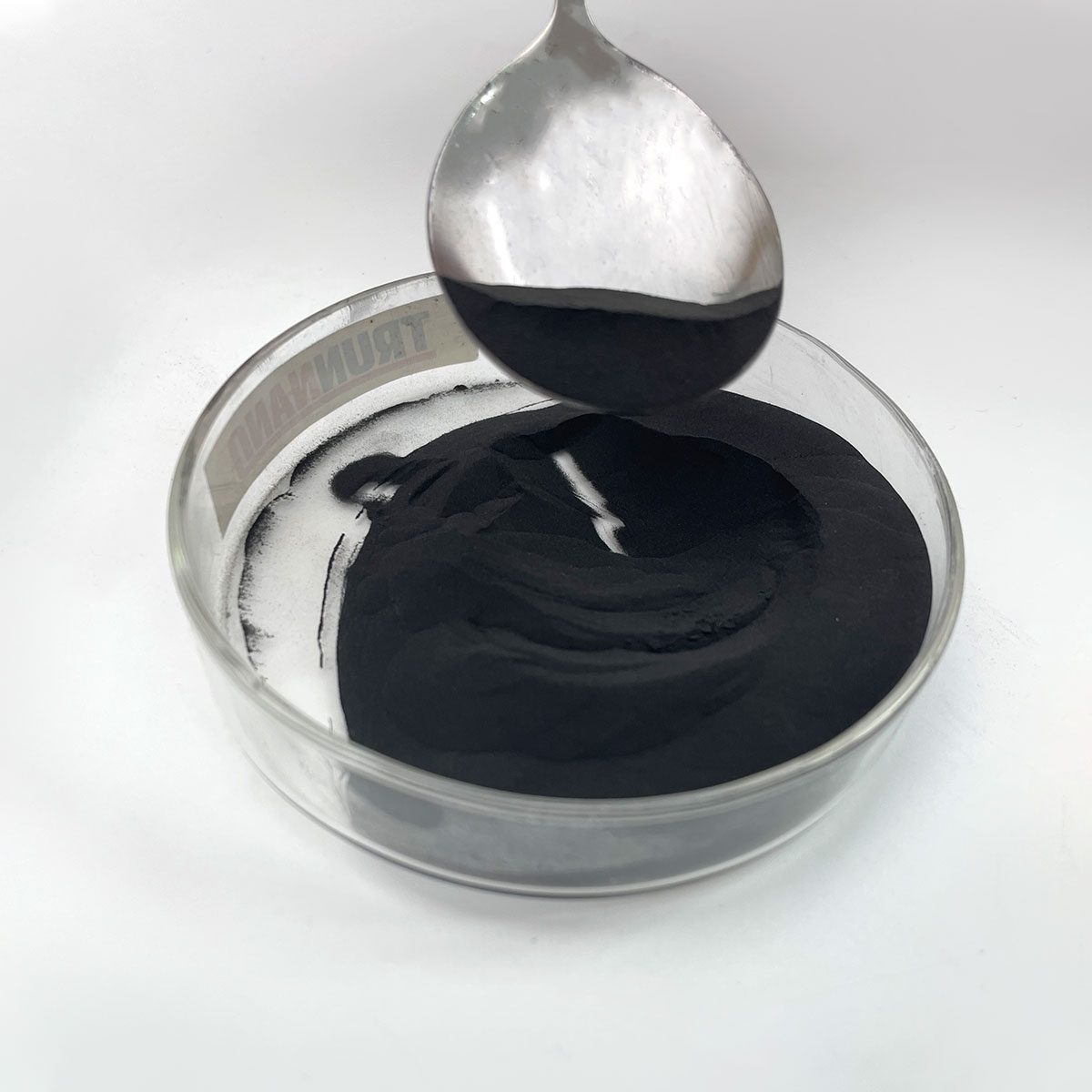
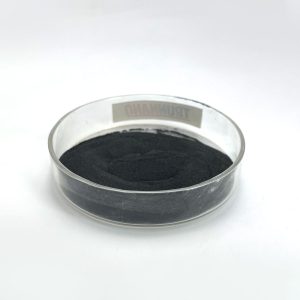
Overview of Tunnel-type Oxide Na~0.44~MnO~2~ Cathode Materials for Sodium Ion Batteries
Tunnel-type sodium manganese oxide (Na~0.44~MnO~2~) represents a unique and highly stable class of cathode materials for sodium-ion batteries. Characterized by its distinctive orthorhombic crystal structure with open S-shaped tunnels, this material provides robust, three-dimensional pathways for the rapid and stable insertion/extraction of sodium ions. Unlike layered structures, this tunnel framework experiences minimal volume change during cycling, granting it exceptional structural integrity. Our series, including titanium-doped (Z-MTO) and fluorine-doped (Z-MOF) variants, enhances the inherent properties of the base material, offering a compelling combination of good specific capacity, remarkable cycle life, and superior rate capability, making it ideal for long-life, high-power applications.
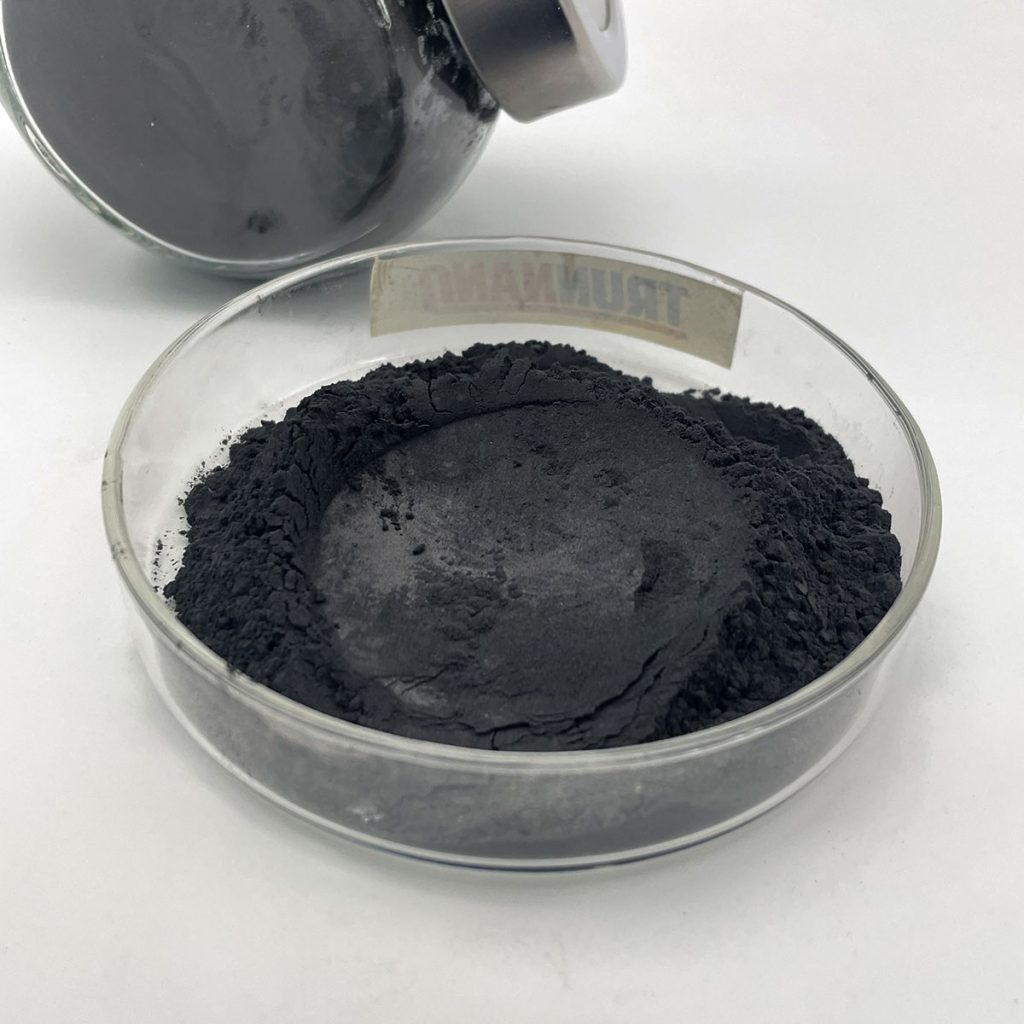
Features of Tunnel-type Oxide Na~0.44~TMO~2~ Cathode Materials
- Exceptional Structural Stability: The robust tunnel structure minimizes lattice strain during sodiation/desodiation, enabling ultra-long cycle life (e.g., >90% retention after 300 cycles for Z-MTO).
- Superior Rate Performance: The open, multi-dimensional tunnels allow for fast sodium-ion diffusion, supporting high-current charging and discharging.
- High Thermal & Safety Performance: The stable crystal structure contributes to enhanced thermal stability, improving the overall safety profile of the battery.
- Nanoscale Particle Size: Engineered with sub-micron primary particles (D50 ~0.1-0.15µm) to shorten ion diffusion paths and maximize surface area for electrochemical reactions.
- Elemental Tunability: Dopants like Titanium and Fluorine are used to stabilize the structure, increase capacity, and improve electronic conductivity.
Applications of Tunnel-type Oxide Na~0.44~TMO~2~ Cathode Materials
- Large-Scale Stationary Energy Storage (ESS) requiring decades of reliable service.
- Frequency Regulation and Grid Support applications needing fast response and high power.
- Consumer Electronics where safety and long battery lifespan are priorities.
- Power Tools and applications demanding high-rate discharge capability.
- Aqueous Sodium-Ion Batteries due to the material’s high stability in water-based electrolytes.

Specification Table of Tunnel-type Oxide Na~0.44~TMO~2~ Cathode Materials (Example: Z-MTO)
| Parameter | Unit | Typical Value (Z-MTO) |
|---|---|---|
| Particle Size (D50) | µm | 0.15 |
| Tap Density | g/cm³ | 2.0 – 2.2 |
| Compacted Density | g/cm³ | 3.0 – 3.3 |
| Specific Surface Area | m²/g | 8 – 12 |
| Discharge Specific Capacity (0.1C) | mAh/g | 145 – 155 |
| Cycle Life (Capacity Retention) | % | >90% after 300 cycles (1C) |
| Crystal Structure | – | Orthorhombic (Tunnel) |
Company Profile
Rboschco is a trusted global chemical material supplier & manufacturer with over 12-year-experience in providing super high-quality chemicals and nanomaterials, including boride powder, nitride powder, graphite powder, sulfide powder, 3D printing powder, etc.
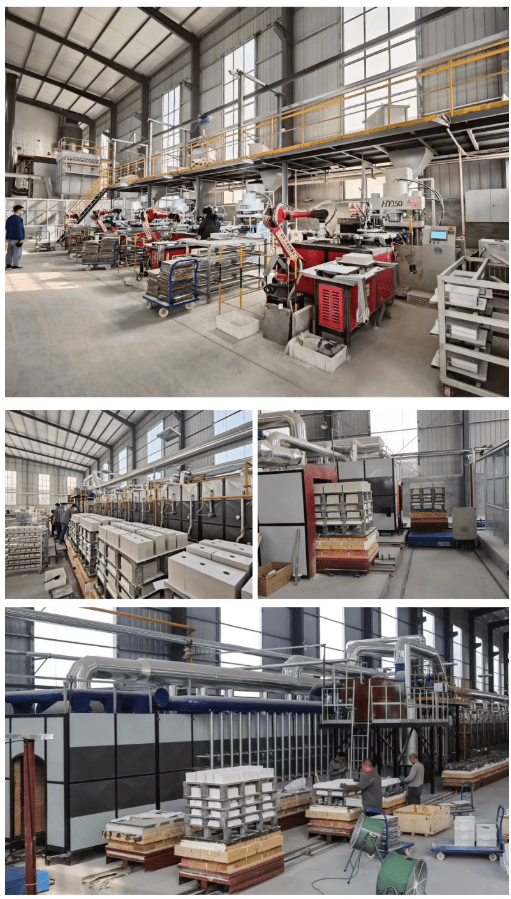
The company has a professional technical department and Quality Supervision Department, a well-equipped laboratory, and equipped with advanced testing equipment and after-sales customer service center.
If you are looking for high-quality Battery Materials, please feel free to contact us or click on the needed products to send an inquiry.
Payment Term
L/C, T/T, Western Union, Paypal, Credit Card etc.
Shipment Term
By sea, by air, by express, as customers request.
FAQs of Tunnel-type Oxide Na~0.44~TMO~2~ Cathode Materials
1. What is the “tunnel structure,” and why is it beneficial?
The tunnel structure is a rigid, cage-like framework with large, interconnected channels for sodium ions. This provides immense mechanical stability against repeated cycling, leading to a vastly longer lifespan compared to many layered materials that can suffer from layer sliding or collapse.
2. Why are the particles so small (nanoscale)?
The inherently low electronic conductivity of manganese oxide is mitigated by using nanoscale particles. This drastically shortens the distance ions and electrons must travel, enabling the high power performance and efficient utilization of the active material that this class is known for.
3. How does doping (e.g., with Ti or F) improve the base material?
Titanium (Ti) doping strengthens the Mn-O bonds in the tunnel wall, further stabilizing the structure and increasing the accessible capacity. Fluorine (F) anion doping can adjust the electronic structure and improve the ionic conductivity, leading to better rate performance.
4. What are the challenges in processing these nanomaterials?
The high surface area and nanoscale size require careful handling during electrode slurry preparation to ensure good dispersion and avoid re-agglomeration. Binder selection and mixing protocols are critical to achieving a uniform and robust electrode coating.
5. Is the fixed sodium content (0.44) a limitation?
The fixed stoichiometry defines the stable tunnel structure. While it theoretically limits the maximum capacity, our doped variants (Z-MTO, Z-MOF) optimize the electrochemical activity within this framework, delivering a highly attractive balance of capacity, longevity, and power that is competitive for target applications.
REQUEST A QUOTE
RELATED PRODUCTS
Hard Carbon Anode Material TRNF-1 Hard Carbon Anode Material for Sodium-Ion Batteries
Silicon Carbon TRGT-200 Battery Anode Material

Silicon Carbon TRGT-800 Battery Anode Material
Biphasic layered oxideCathodeMaterialsfor Sodium IonBatteries
Silicon-Based Anode Material Series TRGY-3 Battery Anode Material
