Professional and high-quality metal alloys, ceramic products and concrete additives | RBOSCHCO

Inorganic Compound Powder
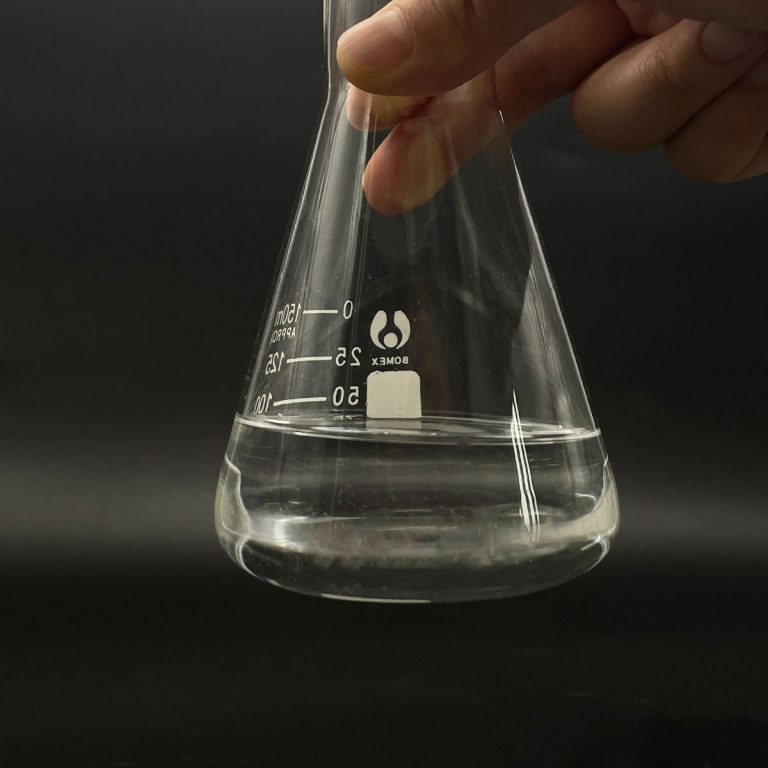
Liquid Lithium Silicate for Concrete Hardener and Dustproof Sealer

Nano Ultra Thin Aerogel Thermal Insulation Film for Electronic Components
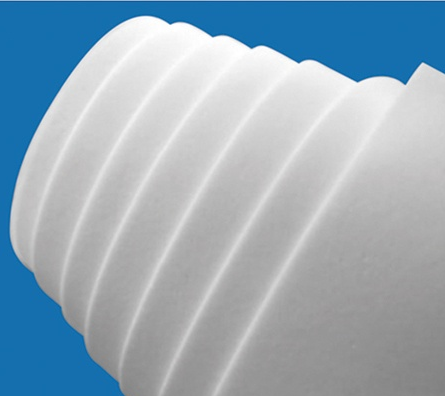
Nano Aerogel Insulation Sponge Industrial Design 10mm Thick Silica Insulation
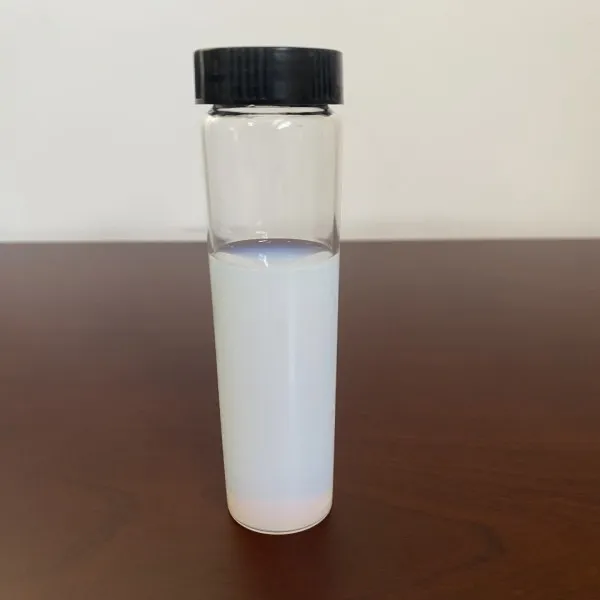
Solid Silica Dispersant TRMIBKSiOT10 High Quality Silica Nanoparticle Dispersion
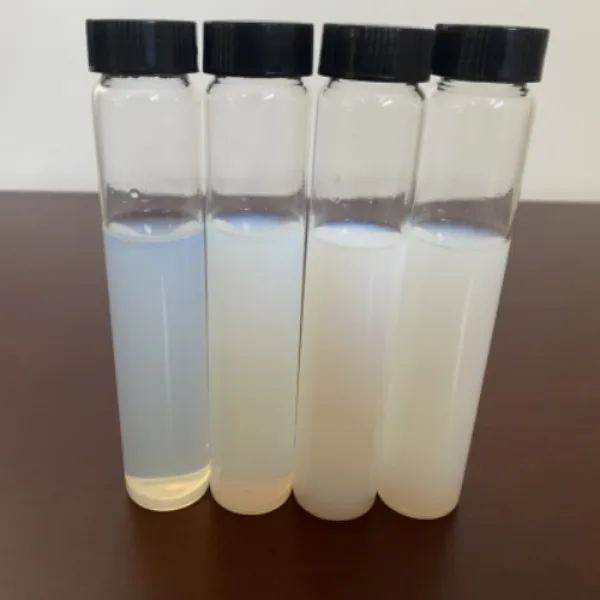
Solid Silica Dispersant TRPMSiOT30 High Quality Silica Nanoparticle Dispersion
Solid Silica Dispersant TRPMSiOT10 High Quality Silica Nanoparticle Dispersion
Solid Silica Dispersant TR-WSiOT10 Alkaline High Quality Silica Nanoparticle Dispersion
Aqueous organic solvent dispersion of nano-silicon dioxide Silica Dispersant TRWSiOT20
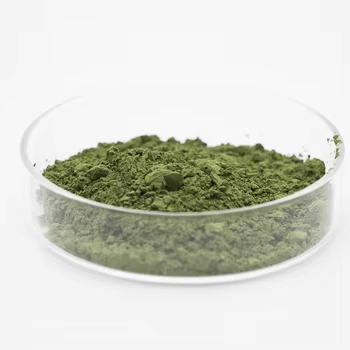
Factory Direct Sale Purity 98% Fine High Quality Synthetic Chrome Oxide Green Chromium Green Powder Cr2O3
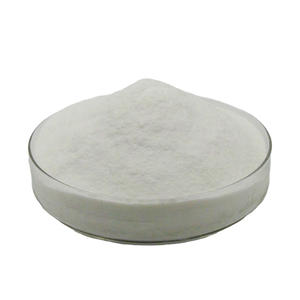
Sodium Meta Silicate Silicate De Sodium Liquide Pour Savon Powder or Liquid Price CAS 1344-09-8
High Quality Potassium Silicate Cas 1312-76-1
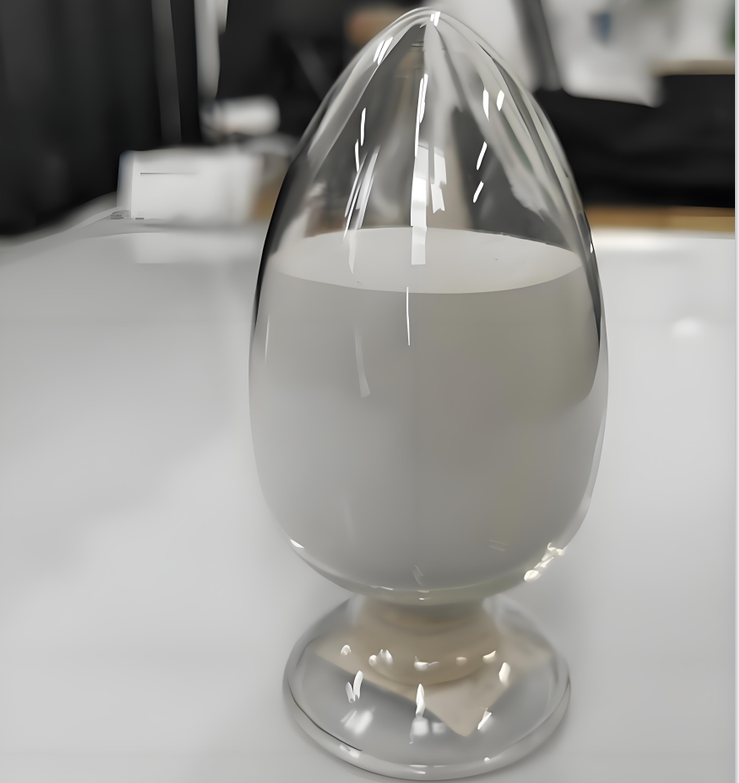
High Purity Silicon Nitride Si3n4 Powder Price CAS 12033-89-5 Silicon Nitride with Factory Price
Overview of Inorganic Compound Powder
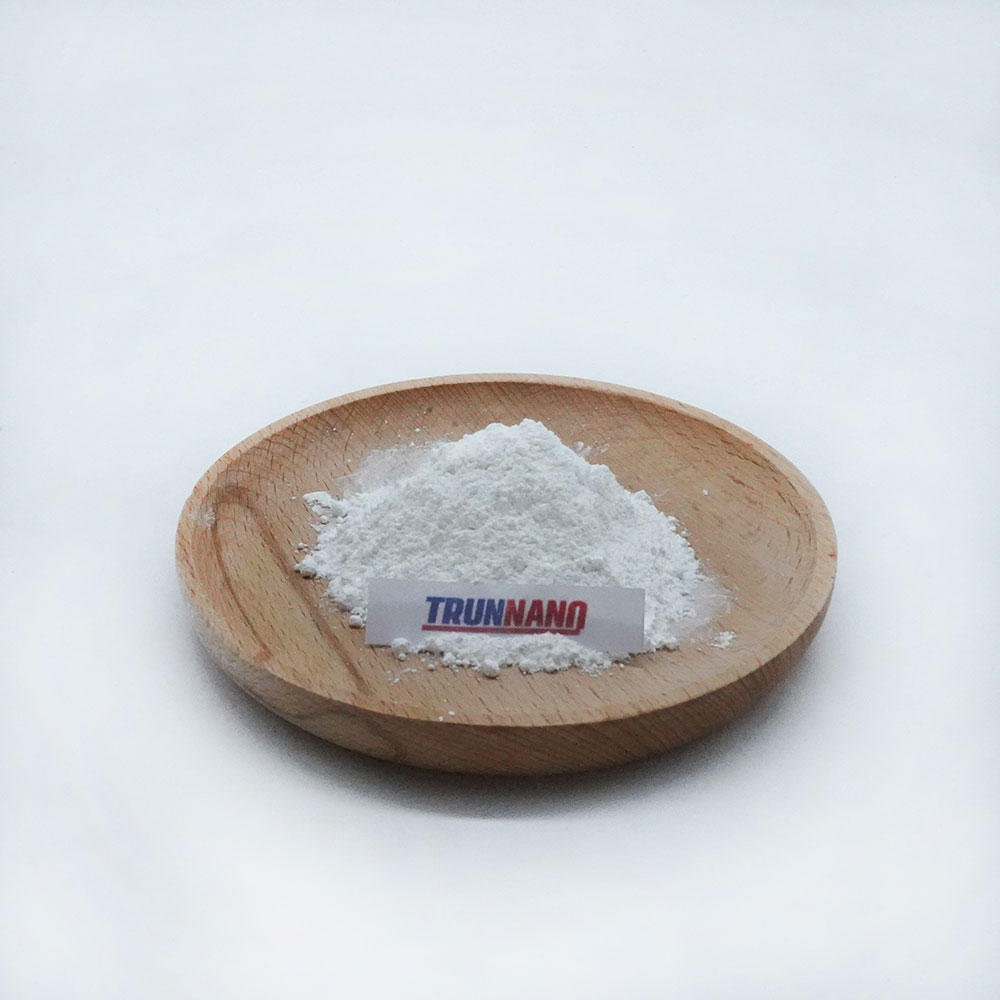
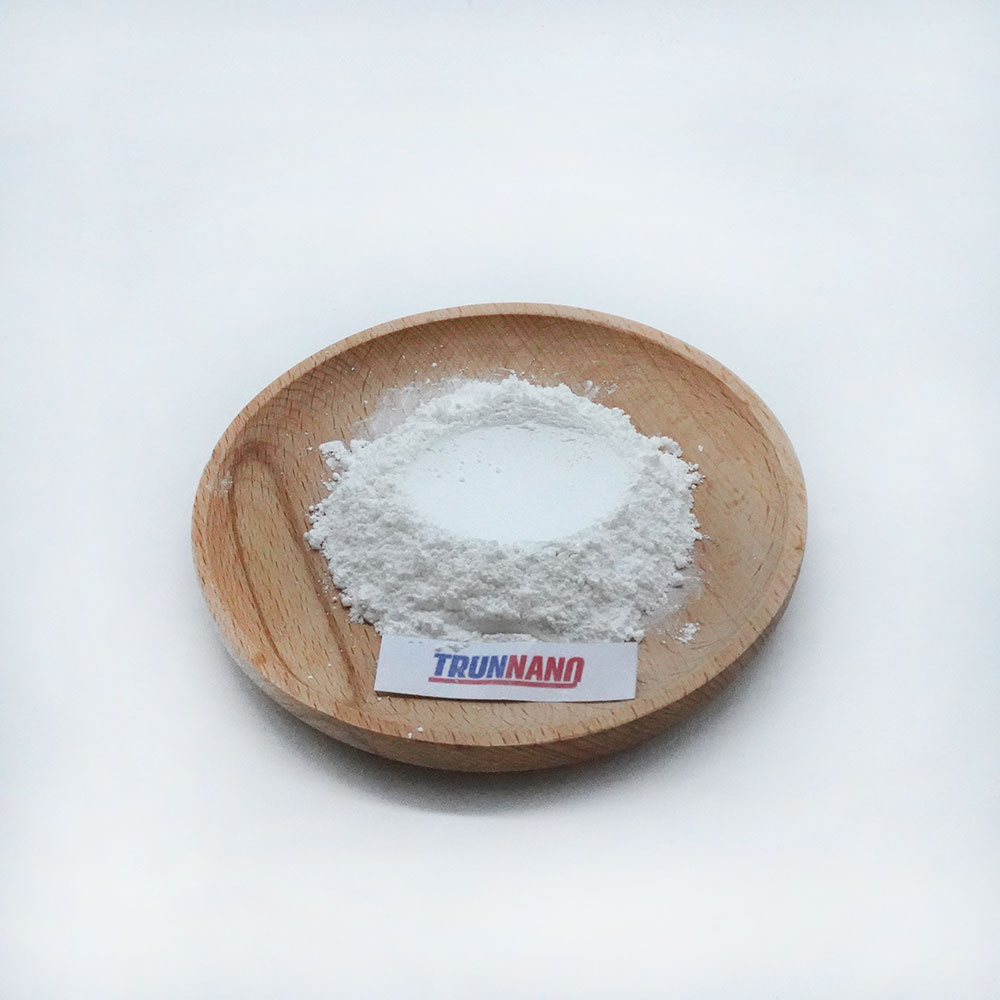
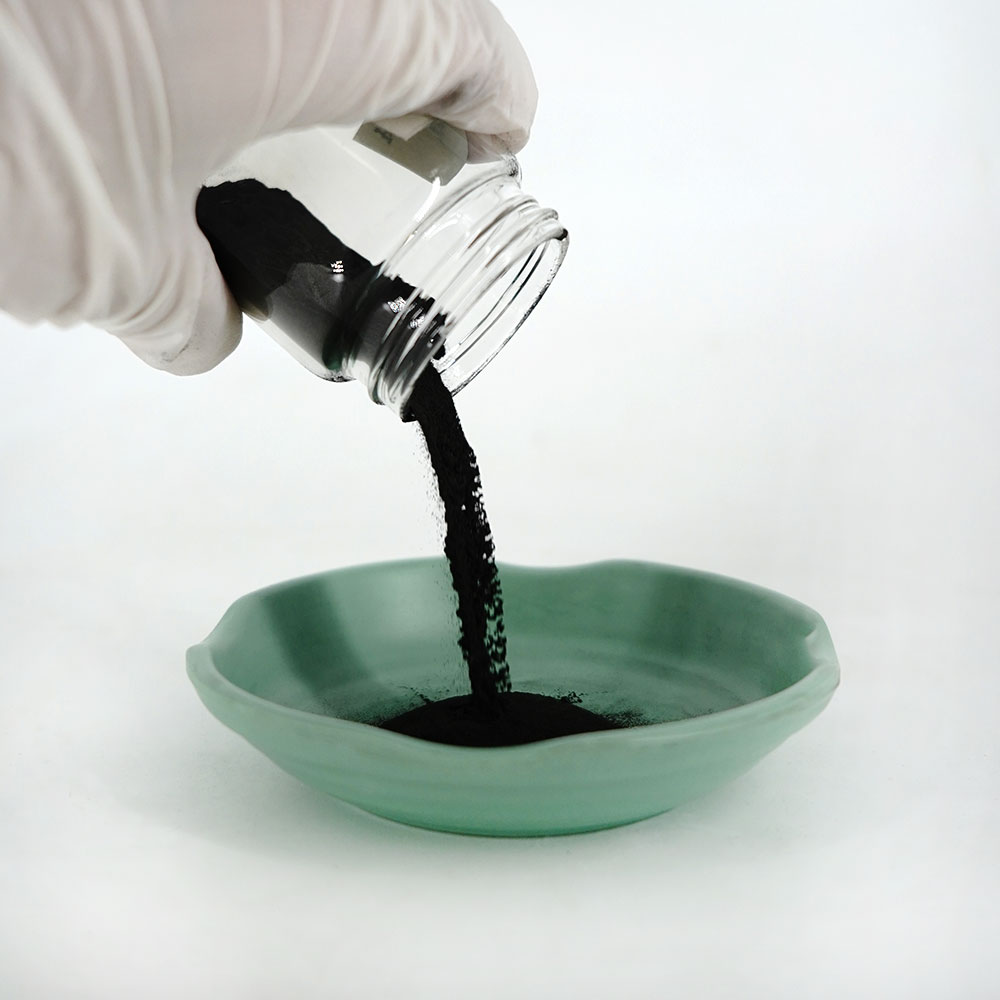
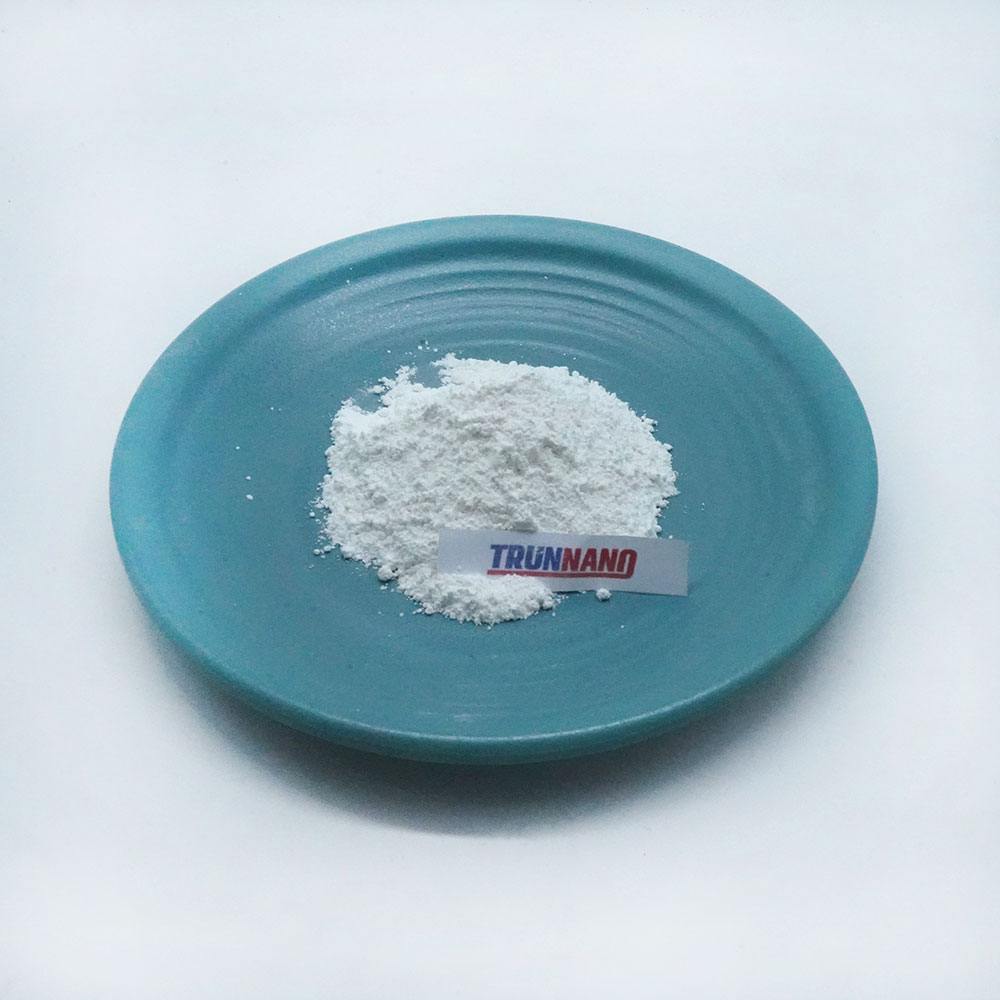
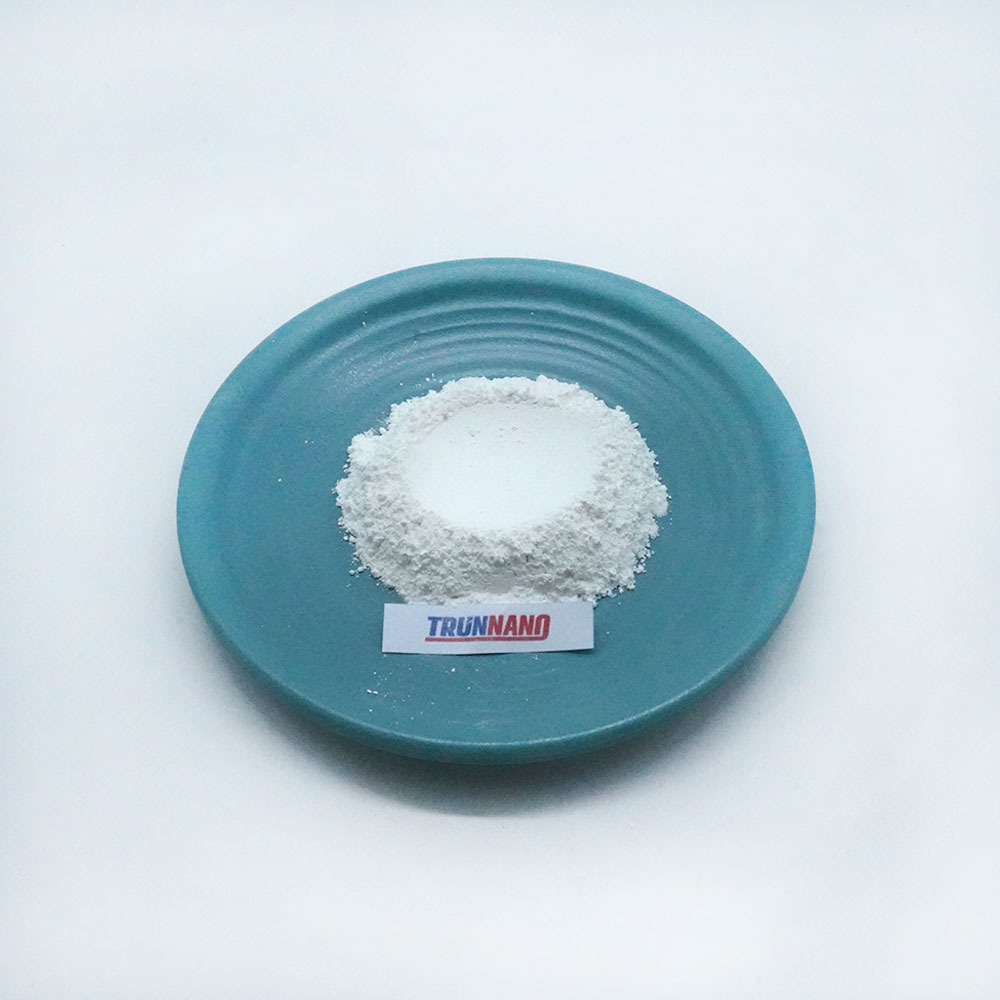
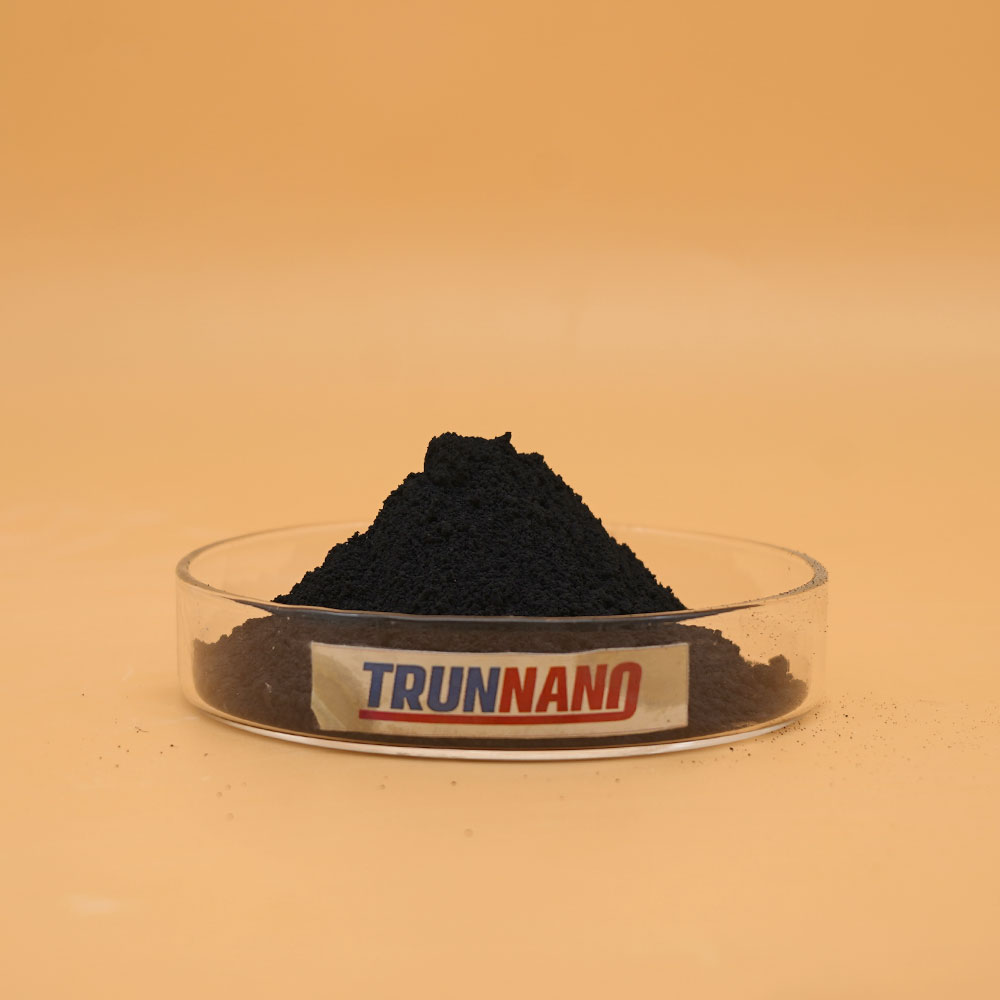
Inorganic Compound Powders are high-purity, synthetic materials that serve as the fundamental building blocks for advanced industrial applications. Engineered through precise chemical processes, these powders—including oxides, nitrides, carbides, and borides—possess controlled particle size, morphology, and chemical purity. They are the essential precursors for manufacturing advanced ceramics, composites, electronic components, and functional coatings, enabling next-generation technologies.

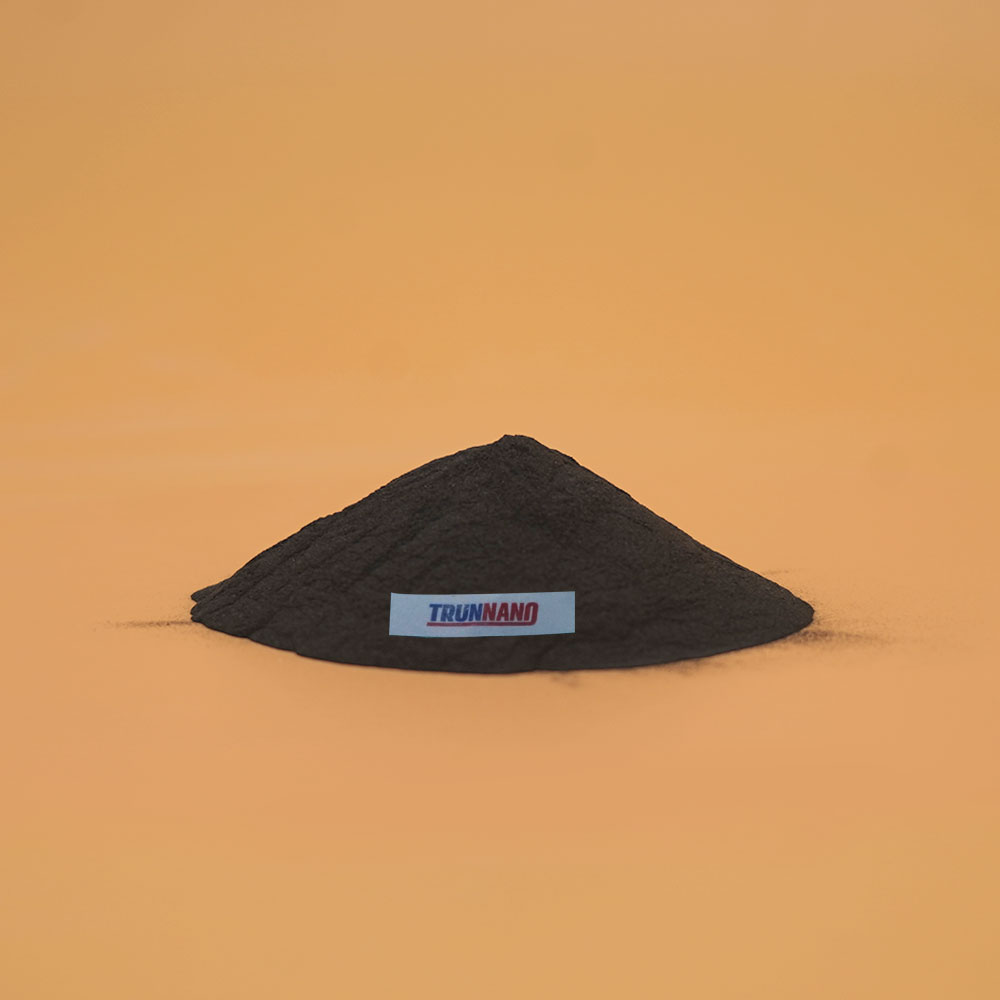
Features of Inorganic Compound Powder
- High Purity & Consistency: Produced to exacting standards (≥99% to 99.999% purity) with tightly controlled lot-to-lot consistency for reliable performance.
- Tailored Particle Morphology: Available in various shapes (spherical, granular, platelet) and sizes (from microns to nanometers) to optimize sintering, packing, and reactivity.
- Controlled Surface Chemistry: Engineered surface properties to enhance dispersion in solvents, binders, or polymer matrices for superior composite manufacturing.
- Defined Crystalline Phases: Supplied with specific crystallographic phases (e.g., Alpha-Alumina, Cubic Zirconia) to ensure the desired final material properties.
- Superior Sinterability: Precise particle size distribution (PSD) promotes high-density compaction and efficient sintering for robust ceramic components.
Applications of Inorganic Compound Powder
- Advanced Ceramics: Primary raw materials for manufacturing structural and functional ceramics like Alumina, Zirconia, and Silicon Nitride components.
- Electronics & Semiconductors: Used in dielectric pastes, conductive inks, phosphors, and as feedstock for sputtering targets and chemical vapor deposition (CVD).
- Catalysts & Catalytic Supports: Serve as active catalyst materials or high-surface-area supports (e.g., Alumina, Silica) in chemical processing and automotive exhaust systems.
- Surface Coatings & Thermal Spray: Feedstock powders for plasma spray, HVOF, and other coating processes to create wear-resistant, thermal barrier, and corrosion-resistant layers.
- Composites & Additives: Functional fillers to enhance mechanical, thermal, or electrical properties in polymer composites, abrasives, and refractories.

Specification Table of Inorganic Compound Powder
| Property | Typical Parameters | Standard Examples |
|---|---|---|
| Chemical Composition | Al₂O₃, ZrO₂, Si₃N₄, SiC, TiO₂, Y₂O₃, BN, etc. | Varies by product |
| Purity | 99.0% - 99.999% | ASTM E1616 |
| Average Particle Size (D50) | 0.1 µm (100nm) - 50 µm | ISO 13320 (Laser Diffraction) |
| Particle Size Distribution | Monomodal, Bimodal; Controlled Span | - |
| Specific Surface Area (SSA) | 1 - 100 m²/g | ISO 9277 (BET Method) |
| Primary Crystal Phase | Alpha, Gamma, Cubic, Tetragonal, etc. | XRD Analysis |
Company Profile
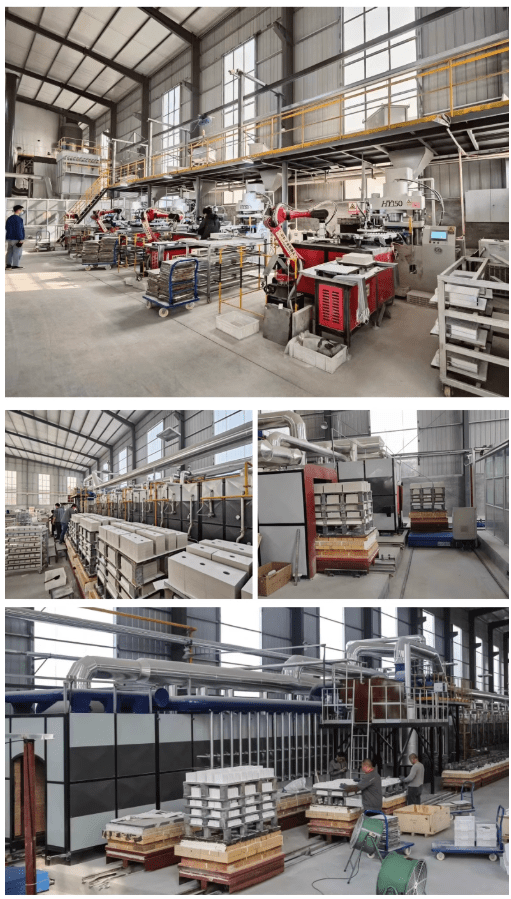
Rboschco is a trusted global chemical material supplier & manufacturer with over 12-year-experience in providing super high-quality chemicals and nanomaterials, including boride powder, nitride powder, graphite powder, sulfide powder, 3D printing powder, etc.
The company has a professional technical department and Quality Supervision Department, a well-equipped laboratory, and equipped with advanced testing equipment and after-sales customer service center.
If you are looking for high-quality Inorganic Compound Powder, please feel free to contact us or click on the needed products to send an inquiry.
Payment Term
L/C, T/T, Western Union, Paypal, Credit Card etc.
Shipment Term
By sea, by air, by express, as customers request.
5 FAQs of Inorganic Compound Powder
1. What is the difference between micron and nano-sized powders?
Nano-powders (particles <100nm) offer higher sinterability and surface reactivity, which can lower sintering temperatures but require careful handling. Micron-sized powders provide easier processing and are standard for many industrial applications.
2. How should I store these powders?
Store in a cool, dry place in sealed containers. Many powders are hygroscopic and can absorb moisture from the air, which may affect processing and performance. Some may also require inert atmosphere storage.
3. Can you provide powders with custom specifications?
Yes. We specialize in tailoring particle size, distribution, surface area, and purity to meet specific application requirements and formulation needs.
4. What safety precautions are necessary?
Always consult the Material Safety Data Sheet (MSDS/SDS). General precautions include using personal protective equipment (PPE) like gloves and dust masks to prevent inhalation or skin contact, as fine powders can be irritants.
5. How is powder purity analyzed?
Purity is verified using advanced techniques like Inductively Coupled Plasma (ICP) analysis, X-Ray Fluorescence (XRF), and combustion analysis for elements like Carbon and Oxygen.
Tags: Inorganic Compound Powder, Boride Powder, Nitride Powder