Professional and high-quality metal alloys, ceramic products and concrete additives | RBOSCHCO

Metals and Alloys

Aluminum-Based Titanium Diboriden Al-TiB2

Aluminum-based Boron Carbide (Al-B4C) Composite Material
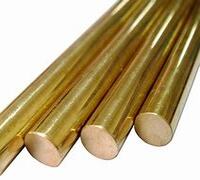
Metal Composite Materials Ti Titanium Clad Copper Rod Bars for Electrowinning Industry
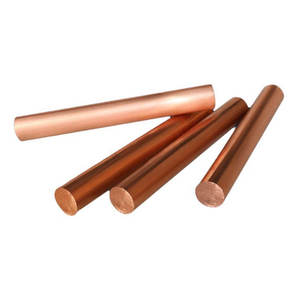
Factory Price Copper Rod Material Complete Copper Bar Tin Bronze Material Aluminum Bronze Material Copper Rod
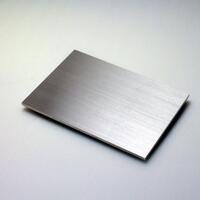
Stainless Steel/Steel Clad Platestainless steel cladding

Copper Nickel Alloy Constantan Cupro-Nickel CuNi44 Strip/Foil
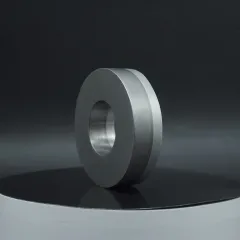
TISCO SS 304 Stainless Steel Plate Price Astm A240 316L Stainless Steel Plate
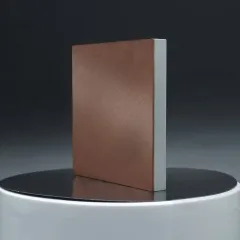
Good Quality Hot Selling Cheap Custom Exporter Copper Clad Steel Plate for Architectural Decoration
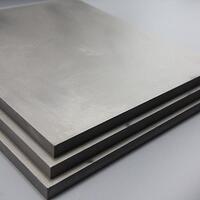
Zr/Steel refractory metal clad plate steel plate
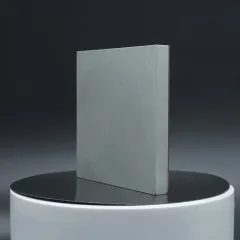
Titanium Clad Aluminum Plate Titanium Aluminum Clad Plate
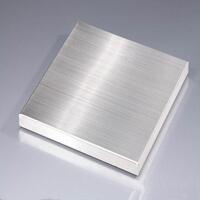
Aluminum-copper alloy forging
Titanium Copper Plate Titanium Copper Clad Sheet
Overview of Metals and Alloys
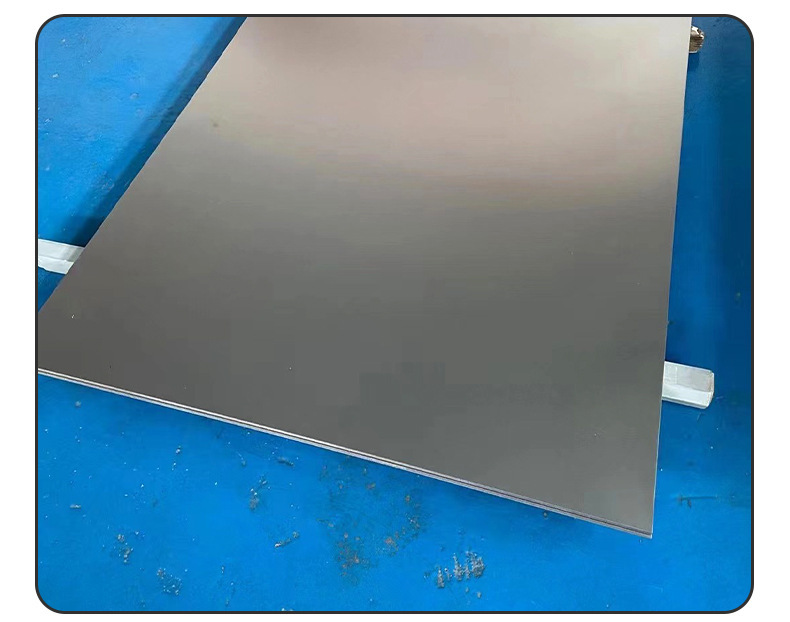
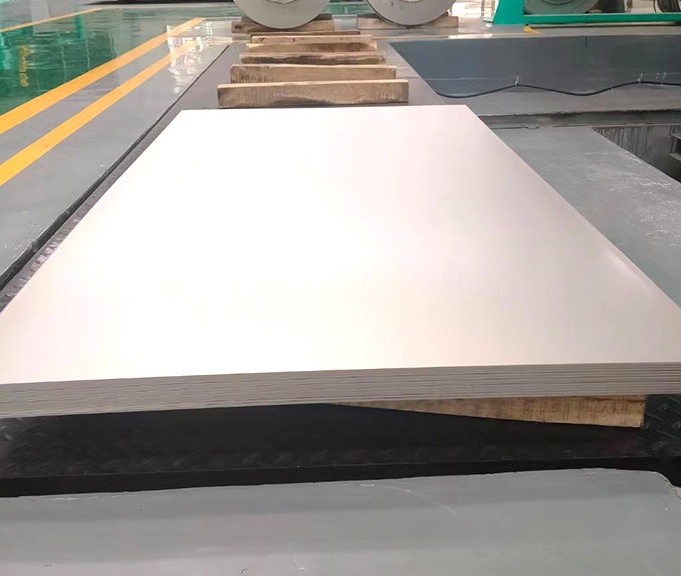
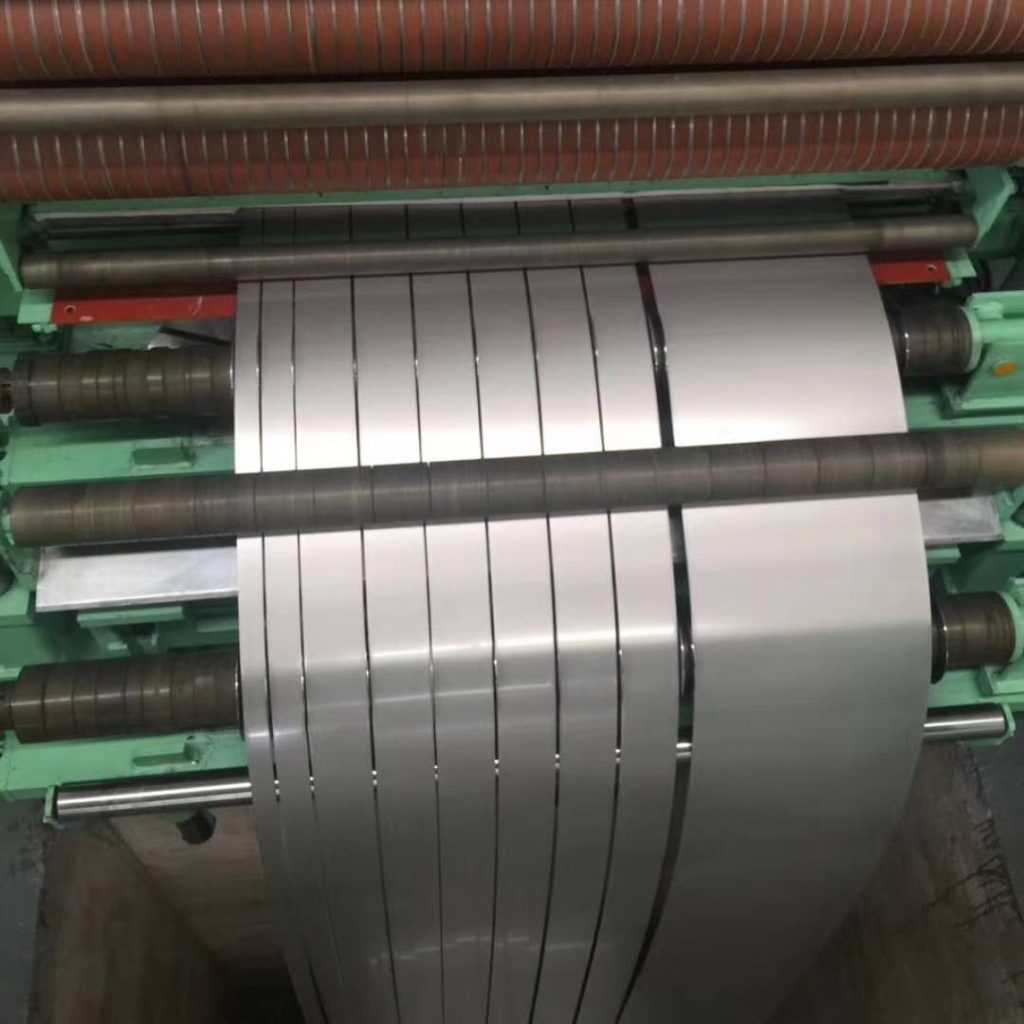
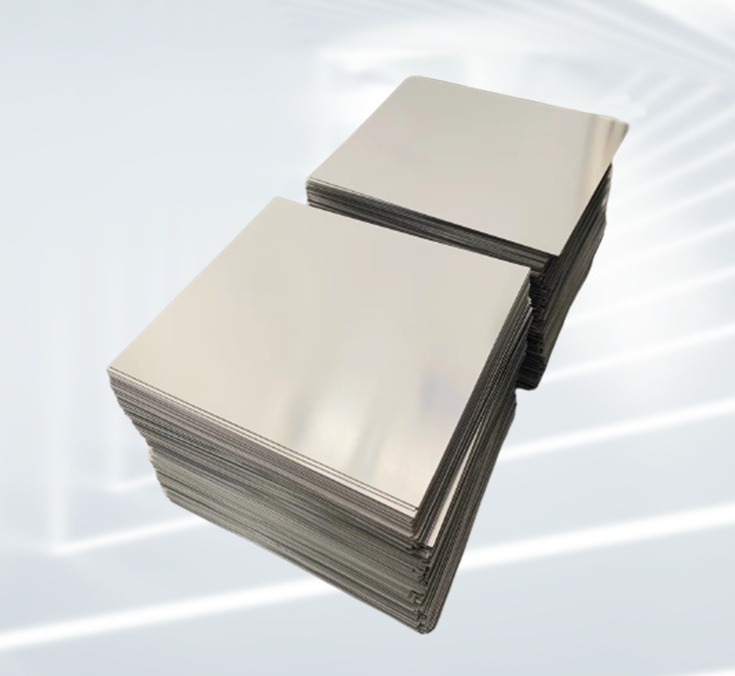
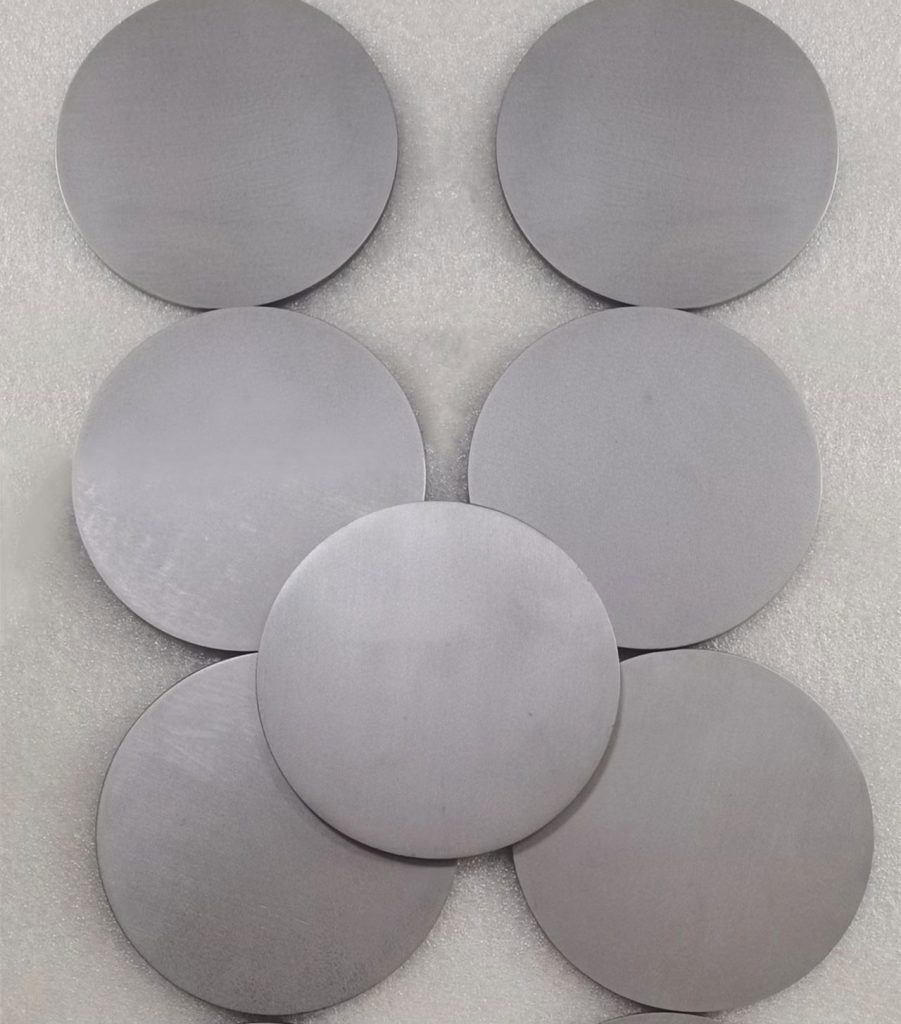
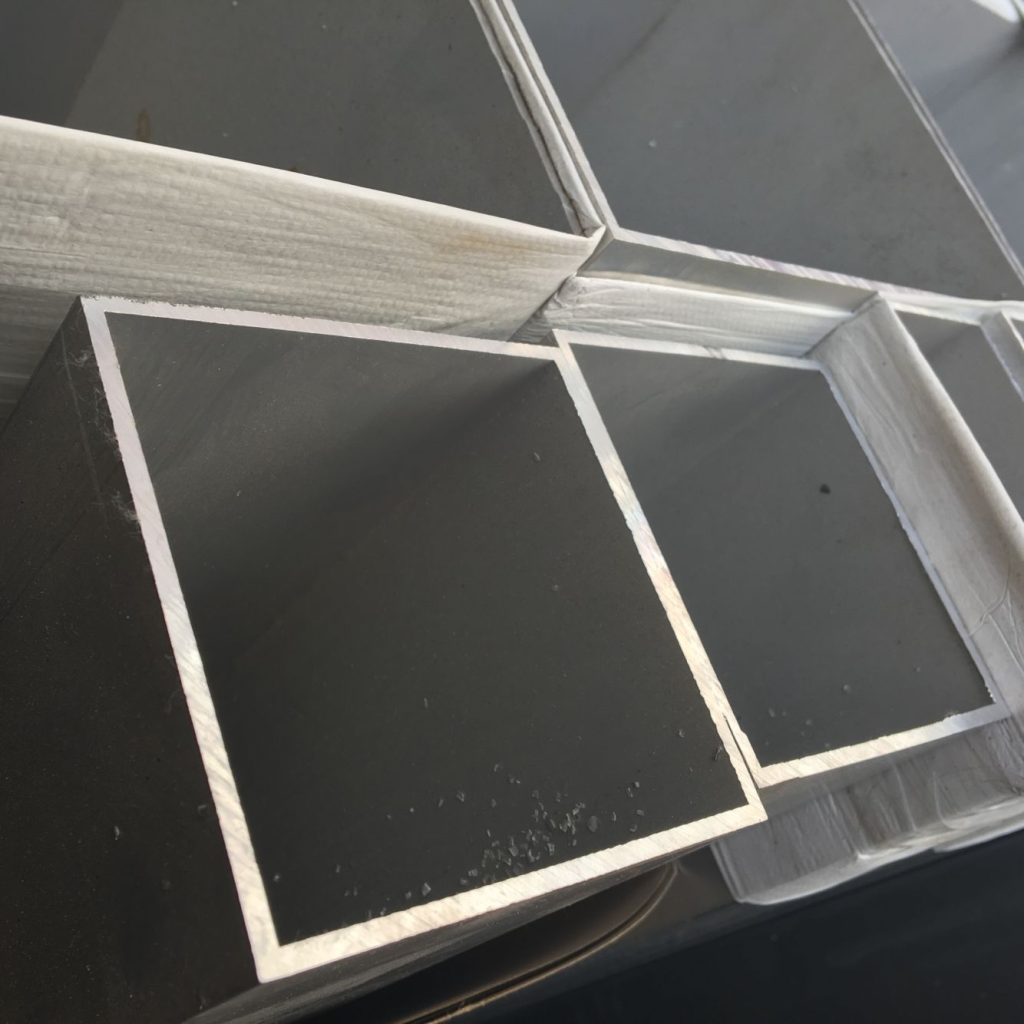
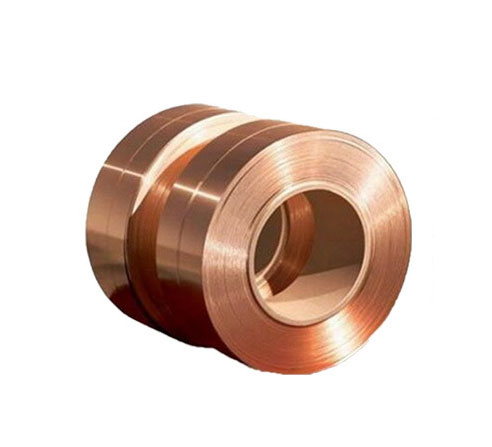
Metals and Alloys form the backbone of modern engineering, offering an unparalleled range of mechanical properties, durability, and manufacturability. From common structural steels to advanced superalloys and refractory metals, this category encompasses materials designed for strength, corrosion resistance, high-temperature performance, and electrical conductivity. We provide a comprehensive portfolio of semi-finished and finished forms to meet the precise demands of industries worldwide.

Features of Metals and Alloys
- High Strength & Toughness: Exceptional load-bearing capacity and resistance to fracture, even under extreme stress and impact.
- Superior Thermal & Electrical Conductivity: Optimal for heat exchangers, electrical wiring, and components requiring efficient energy transfer.
- Excellent Machinability & Formability: Can be easily cast, welded, machined, and formed into complex shapes using standard industrial processes.
- Outstanding Corrosion Resistance: Specific alloys offer excellent resistance to oxidation, pitting, and stress-corrosion cracking in harsh environments.
- High-Temperature Performance: Specialized alloys retain strength and resist creep at elevated temperatures where other materials fail.
Applications of Metals and Alloys
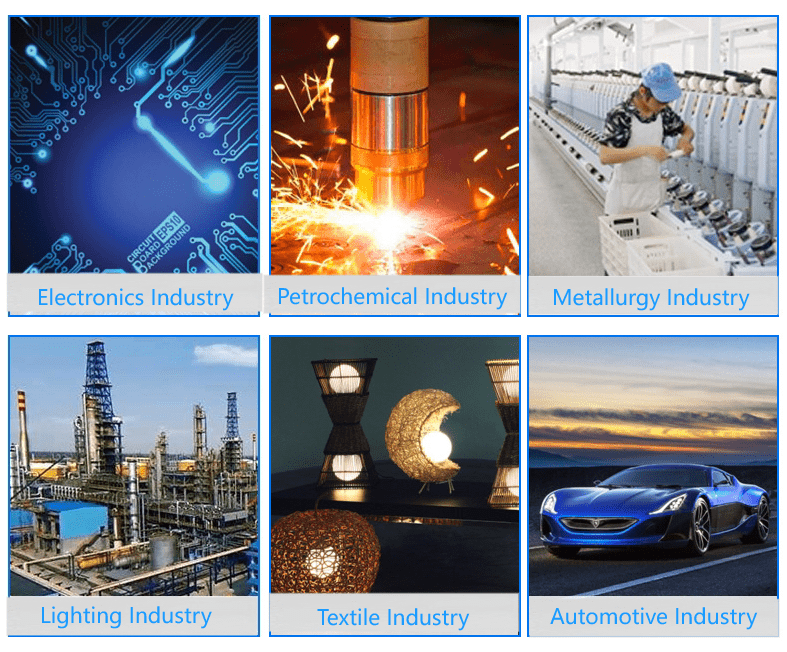
- Aerospace & Defense: Airframe structures, jet engine turbines, landing gear, and missile components.
- Automotive & Transportation: Engine blocks, chassis, exhaust systems, and lightweight structural components.
- Construction & Infrastructure: Structural beams, rebar, fasteners, and architectural cladding.
- Energy & Chemical Processing: Pressure vessels, pipelines, heat exchangers, and turbine blades for power generation.
- Medical & Electronics: Surgical implants, medical devices, conductive traces, and shielding.
Specification Table of Metals and Alloys
| Material Category | Common Grades / Types | Key Properties | Typical Applications |
|---|---|---|---|
| Stainless Steels | 304, 316, 17-4PH | Corrosion resistance, formability, strength | Chemical tanks, surgical tools, food processing |
| Tool Steels | D2, H13, M2 | Extreme hardness, wear resistance, red-hardness | Cutting tools, molds, dies |
| Aluminum Alloys | 6061, 7075, A356 | High strength-to-weight ratio, corrosion resistance | Aerospace structures, automotive parts, marine components |
| Titanium Alloys | Grade 2, Grade 5 (Ti-6Al-4V) | Biocompatibility, high strength, excellent corrosion resistance | Aerospace components, medical implants, chemical processing |
| Nickel-Based Superalloys | Inconel 718, Hastelloy C-276 | High-temperature strength, oxidation & corrosion resistance | Jet engine turbines, nuclear reactors |
| Copper Alloys | C11000 (ETP), C36000 (Brass) | High electrical/thermal conductivity, machinability | Electrical connectors, heat sinks, plumbing fixtures |
Company Profile
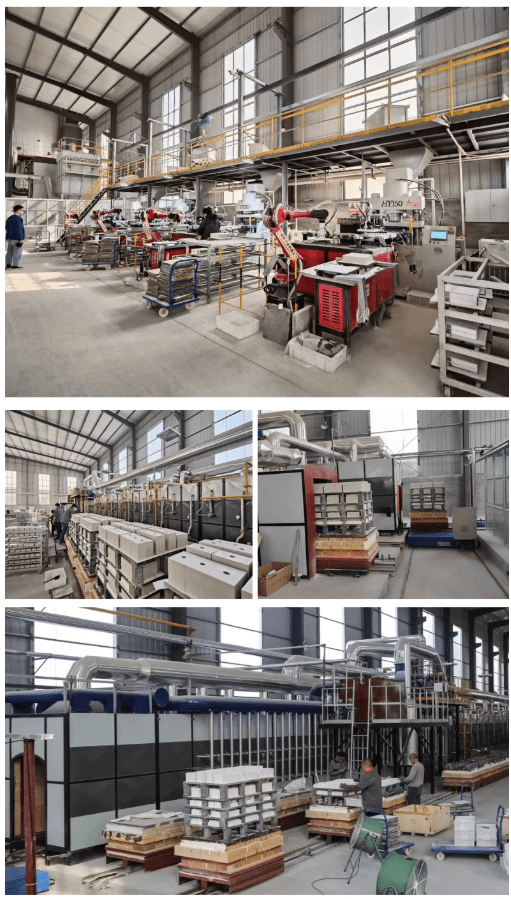
Rboschco is a trusted global chemical material supplier & manufacturer with over 12-year-experience in providing super high-quality chemicals and nanomaterials, including boride powder, nitride powder, graphite powder, sulfide powder, 3D printing powder, etc.
The company has a professional technical department and Quality Supervision Department, a well-equipped laboratory, and equipped with advanced testing equipment and after-sales customer service center.
If you are looking for high-quality Metals and Alloys, please feel free to contact us or click on the needed products to send an inquiry.
Payment Term
L/C, T/T, Western Union, Paypal, Credit Card etc.
Shipment Term
By sea, by air, by express, as customers request.
5 FAQs of Inorganic Metals and Alloys
1. What is the difference between a metal and an alloy?
A metal is a pure elemental substance (e.g., iron, aluminum). An alloy is a mixture of two or more elements, where at least one is a metal, engineered to enhance properties like strength or corrosion resistance (e.g., steel is an alloy of iron and carbon).
2. How do I select the right metal or alloy for corrosion resistance?
Selection depends on the specific environment (e.g., saltwater, acids). Stainless steels (304, 316) resist oxidation, while nickel alloys (Hastelloy) and titanium offer superior resistance to a wider range of corrosive media.
3. Which metals are best for high-temperature applications?
Nickel-based superalloys (Inconel), refractory metals (tungsten, molybdenum), and certain stainless steels (316) are designed to maintain strength and resist oxidation at temperatures exceeding 500°C.
4. Can different metals be welded together?
Yes, but it requires expertise. Differences in melting points, thermal expansion, and metallurgy can create brittle joints. Specialized techniques and filler metals are often necessary for a successful weld.
5. What does "heat treatment" do to a metal?
Heat treatment is a controlled process of heating and cooling to alter a metal's physical and mechanical properties without changing its shape. It can increase strength (precipitation hardening), improve toughness (tempering), or soften the material for machining (annealing).
Tags: Metals and Alloys, Cladding of Metals, Metal 3D Printing