Professional and high-quality metal alloys, ceramic products and concrete additives | RBOSCHCO




PRODUCT PARAMETERS
Description
Overview of Zinc Stearate Powder
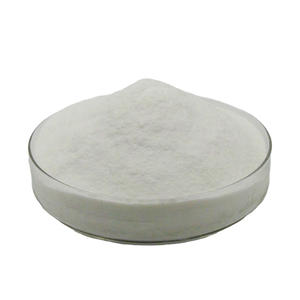
Zinc stearate powder, a white or a little superficial yellow powder, is an usual lubricating agent and anti-adhesive representative. Stemmed from the response between stearic acid and zinc oxide, it finds prevalent usage in different sectors as a result of its special residential or commercial properties. This powder is safe, odor-free, and chemically inert, making it suitable for a variety of applications.
(CAS 557-05-1 Zinc Stearate Powder)
Characteristics of Zinc Stearate Powder
Non-toxic and Odorless: Zinc stearate powder is safe for human use, with no harmful effects on health.
Excellent Lubricating Properties: It reduces friction between surfaces, enhancing the flowability of powders and granules.
Anti-adhesive Properties: It prevents materials from sticking together, improving processability.
Thermal Stability: Zinc stearate keeps its homes also under heats, making certain regular efficiency.
Compatibility: It blends well with numerous materials, creating a consistent blend.
Parameter table of Zinc Stearate Powder
| Zinc Stearate Powder Properties | |
| Other Names | N/A |
| CAS No. | 557-05-1 |
| Compound Formula | [CH3(CH2)16COO]2Zn |
| Molecular Weight | N/A |
| Appearance | White powder |
| Melting Point | 120±5℃ |
| Boiling Point | N/A |
| Density | N/A |
| Solubility in H2O | No |
| Exact Mass | N/A |
| Zinc Stearate Powder Health & Safety Information | |
| Signal Word | N/A |
| Hazard Statements | N/A |
| Hazard Codes | N/A |
| Risk Codes | N/A |
| Safety Statements | N/A |
| Transport Information | N/A |
Application of Zinc Stearate Powder
Zinc stearate powder has many uses in different industries. First, it works as a lubricant and mold release agent in plastics. It helps reduce friction between materials, making it easier to shape plastic products. It also prevents them from sticking to molds during manufacturing.
In rubber production, zinc stearate acts as a vulcanization activator. It speeds up the curing process, improving the strength and elasticity of rubber. It also serves as a dispersing agent, ensuring other additives mix evenly.
The paint and coating industry uses it to prevent pigments from settling. Adding zinc stearate keeps paints smooth and consistent. It also helps coatings dry faster and resist water.
In cosmetics, it is used in creams and lotions. It gives products a soft, smooth texture and helps them stay stable. It also acts as a thickener in some formulations.
Zinc stearate is added to adhesives and sealants to improve their adhesion and flexibility. It helps them stick better to surfaces and stay flexible over time.
It also has uses in the pharmaceutical industry. It is used as a lubricant in tablet manufacturing, making it easier to press powders into tablets.
Each application benefits from its ability to reduce friction, improve flow, and stabilize mixtures.

Plastics Industry

Rubber Industry

Cosmetics and Personal Care Products

Paints and Coatings

Pharmaceuticals
Production Method of Zinc Stearate Powder
Zinc stearate powder is made through different processes. First, direct synthesis uses zinc oxide and stearic acid. These are mixed and heated to 100–120°C. The reaction forms zinc stearate. The mixture is cooled and ground into powder. Another method is the double decomposition process. Sodium stearate solution reacts with zinc sulfate solution. This makes a precipitate of zinc stearate. The solid is filtered, washed, and dried at low heat to avoid melting. For industrial use, the melt method is common. Stearic acid is melted and mixed with zinc oxide at high temperature. The reaction happens quickly. The product is cooled and broken into small pieces. Some producers use a solvent method. Stearic acid and zinc oxide dissolve in a solvent like ethanol. The solution is heated until the reaction finishes. Solvent is removed by evaporation, leaving powder. Each method controls factors like temperature and mixing speed to get the right particle size and purity.

Company Profile
RBOSCHCO is a trusted global chemical material supplier & manufacturer with over 12-year-experience in providing super high-quality chemicals and nanomaterials, including boride powder, nitride powder, graphite powder, sulfide powder, 3D printing powder, etc.
The company has a professional technical department and Quality Supervision Department, a well-equipped laboratory, and equipped with advanced testing equipment and after-sales customer service center.
If you are looking for high-quality Zinc Stearate Powder, please feel free to contact us or click on the needed products to send an inquiry.
Storage Condition of Zinc Stearate Powder
Sealed Containers
Store it in tightly closed plastic or metal containers. This stops moisture and air from entering, preventing clumping and oxidation.
Dry Environment
Keep in a dry place with humidity below 40%. Use desiccants if needed. Moisture can make the powder sticky and change its properties.
Cool Temperatures
Store at 15–25°C. Avoid heat above 80°C to prevent melting or decomposition.
Separate from Acids/Base
Do not mix with strong acids, bases, or oxidizing agents. They can cause chemical reactions and reduce quality.
Light Protection
Store in a dark area or use opaque containers. Sunlight may slowly break down the powder over time.
Handle Properly
Wear gloves to avoid skin contact. Clean spills quickly to prevent slipping.
Payment Term
L/C, T/T, Western Union, Paypal, Credit Card etc.

Shipment Term
By sea, by air, by express, as customers request.
5 FAQs of Zinc Stearate Powder
Q1:
What is the recommended dosage of Zinc Stearate Powder in plastic applications?
Re: The recommended dosage of Zinc Stearate Powder in plastic applications varies depending on the type of plastic and the desired effect. Typically, a dosage of 0.5% to 2% by weight of the plastic is sufficient to achieve the desired lubricating and processing aid effects.
Q2:
Is Zinc Stearate Powder safe to use in food packaging materials?
Re: Yes, Zinc Stearate Powder is generally recognized as safe (GRAS) by the Food and Drug Administration (FDA) for use in food packaging materials. It does not migrate into food products and is suitable for contact with food.
Q3:
Can Zinc Stearate Powder be used in water-based systems?
Re: Zinc Stearate Powder is not soluble in water and therefore not suitable for use in water-based systems. It is primarily designed for use in organic solvents or non-aqueous systems.
Q4:
How does Zinc Stearate Powder affect the mechanical properties of plastics?
Re: Zinc Stearate Powder can slightly reduce the mechanical properties of plastics, such as tensile strength and impact resistance. However, the reduction is usually minimal and can be compensated for by adjusting the formulation or processing parameters.
Q5:
What are the storage recommendations for Zinc Stearate Powder?
Re: Zinc Stearate Powder should be stored in a cool, dry, and well-ventilated place, away from direct sunlight and moisture. It should be kept in airtight containers to prevent oxidation and maintain its properties.
REQUEST A QUOTE
RELATED PRODUCTS
Sodium Oleate Industrial Grade CAS 143-19-1 for Surface Active Agent SODIUM OLEATE Manufacturer

Pure Cas 1592-23-0 Calcium Stearate Food Grade Calcium Stearate Price Calcium Stearate
CAS 4485-12-5 Lithium Stearate
High Quality Stearamide/Stearic Acid Amide CAS 124-26-5
Factory Direct Sales Industrial Grade 99%min Sodium Laurate Power Cas 629-25-4