Professional and high-quality metal alloys, ceramic products and concrete additives | RBOSCHCO







PRODUCT PARAMETERS
Description
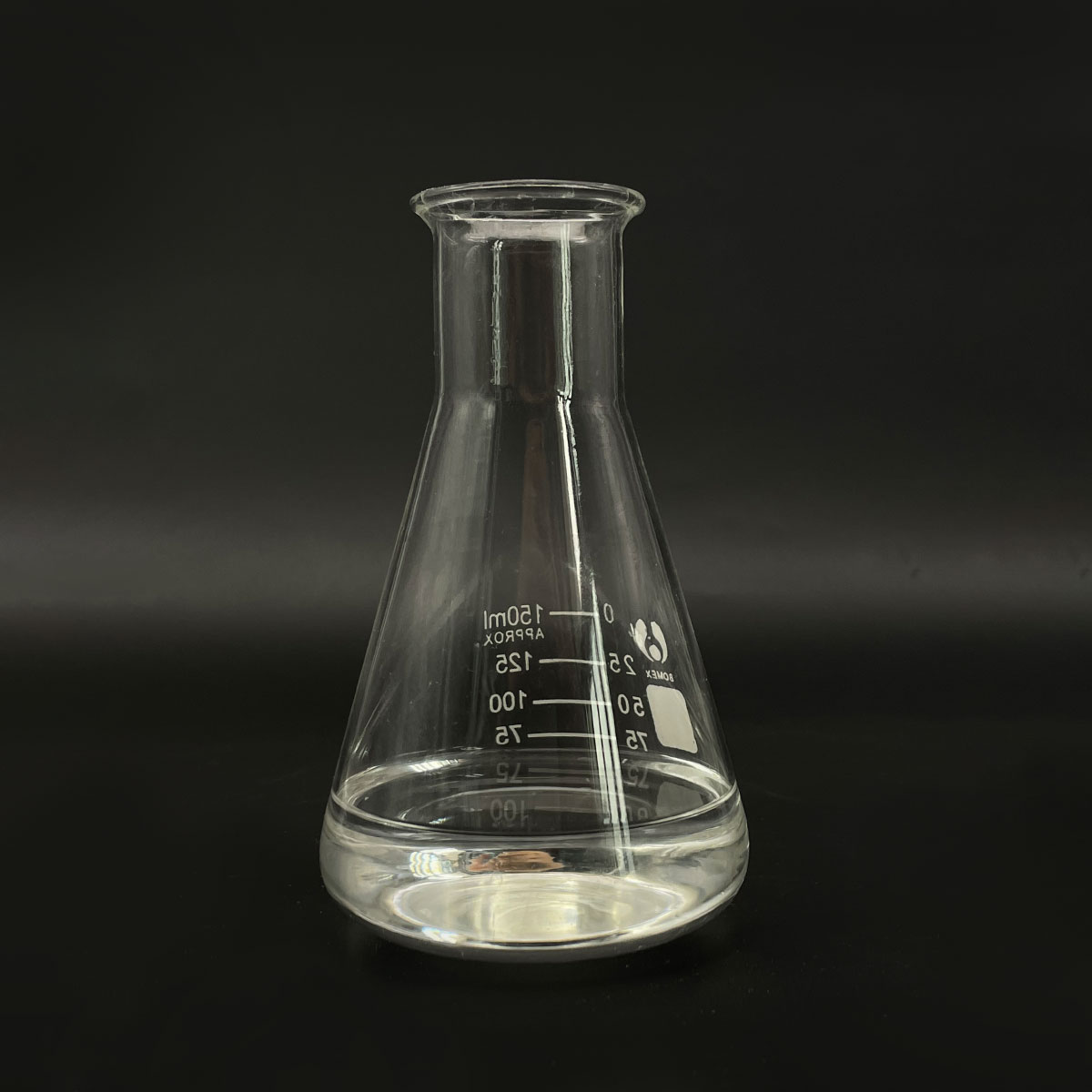
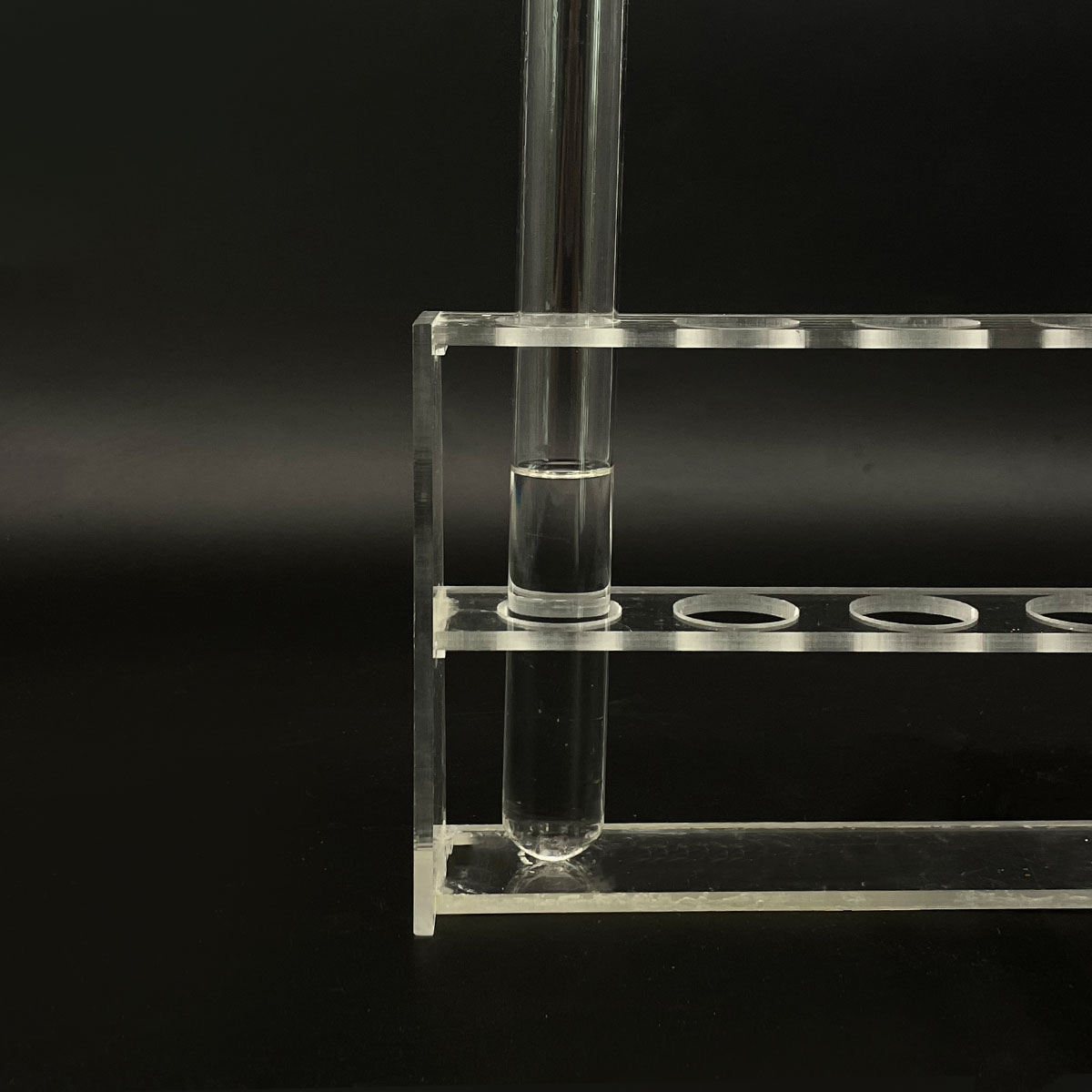
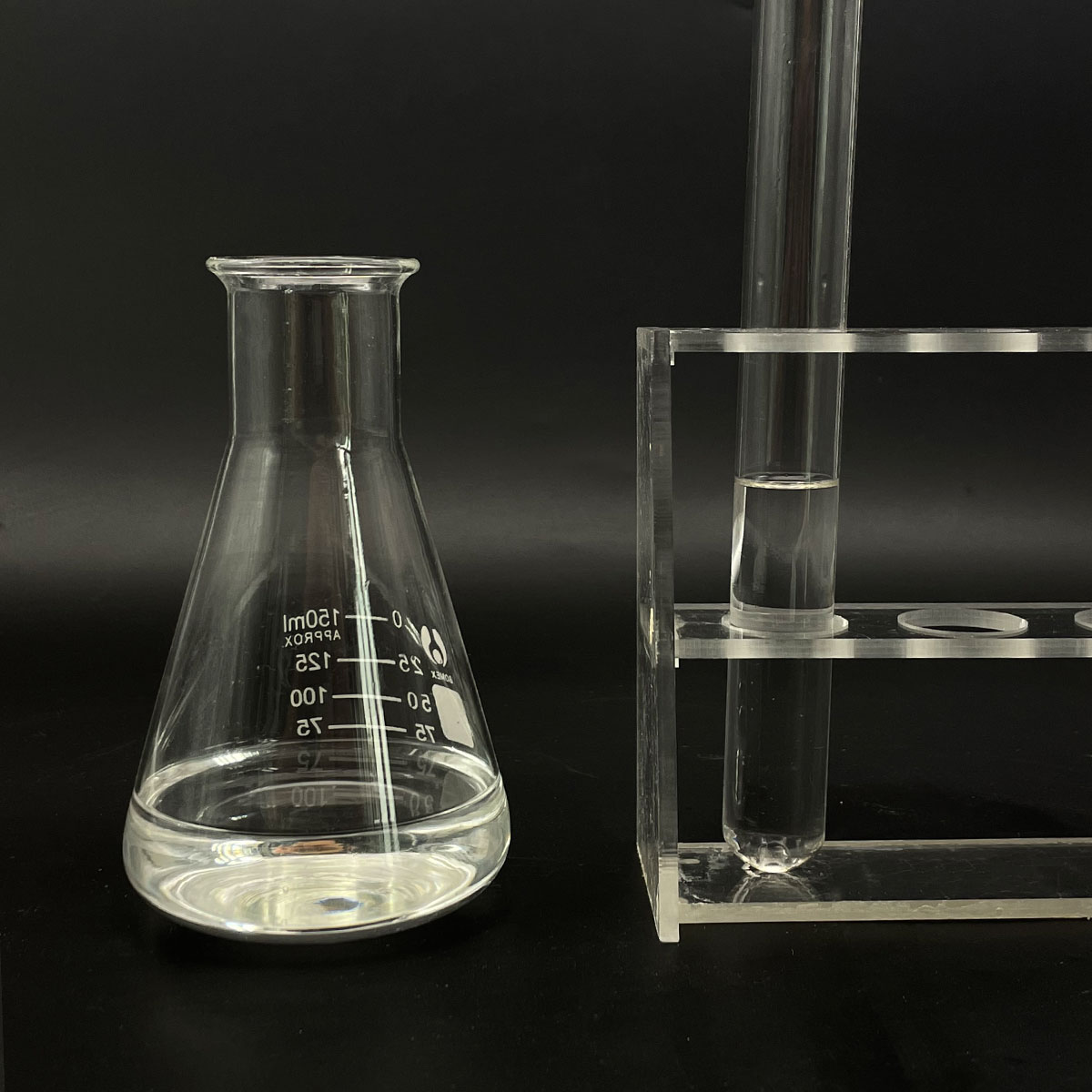
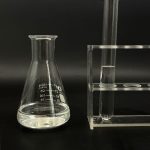
Overview of Liquid lithium silicate
Liquid lithium silicate is a type of alkali silicate solution where lithium oxide (Li₂O) is combined with silicon dioxide (SiO₂) in an aqueous medium. It is part of a broader class of alkali silicates, which also includes sodium and potassium silicates. Lithium silicate solutions are known for their unique properties, making them useful in various industrial applications.

Features of Liquid lithium silicate
- Chemical Composition:
- Typically expressed as a ratio of Li₂O:SiO₂ (e.g., 1:2 to 1:5).
- Higher SiO₂ content increases viscosity and film-forming ability.
- Lower ratios (more Li₂O) enhance solubility and reactivity.
- Alkaline Nature:
- pH is highly alkaline (typically 11–13), similar to other alkali silicates.
- Provides corrosion resistance when used in coatings.
- Film Formation & Binding Properties:
- Forms a hard, glass-like silicate matrix upon drying.
- Used as a binder in refractory materials, paints, and coatings.
- Thermal & Chemical Stability:
- Resistant to high temperatures, making it useful in fireproofing applications.
- Chemically inert to many solvents and acids once cured.
- Low Viscosity (Compared to Sodium/Potassium Silicates):
- Lithium silicates generally have lower viscosity at similar concentrations, allowing for better penetration in applications like concrete treatment.
Specifications of Liquid Lithium Silicate
| Test Item | Type | Type | Type |
| Type | TR-LI2.8 | TR-LI4.0 | TR-LI4.8 |
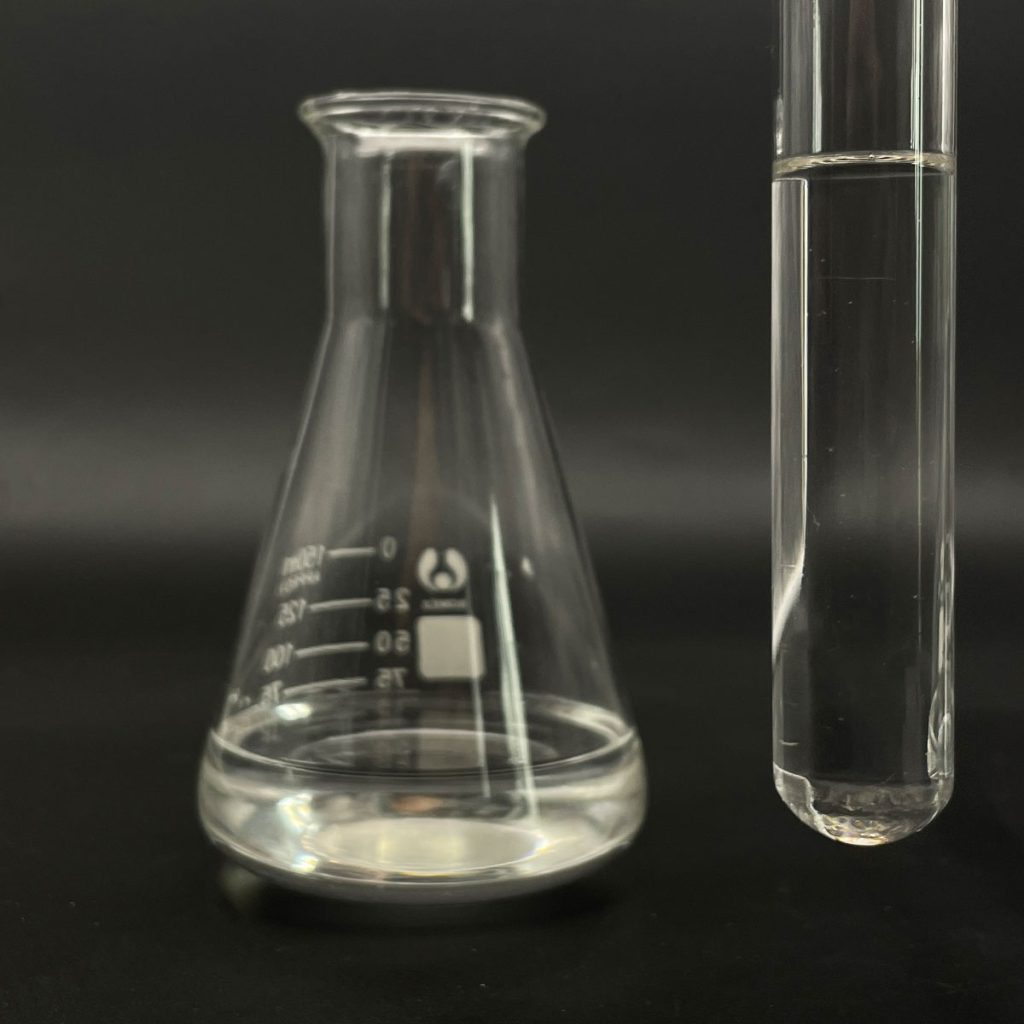
| Appearance | Transparent Liquid | Transparent Liquid | Transparent Liquid |
| SiO2% | 20.0±1.0 | 20.0±1.0 | 20.0±1.0 |
| LiO2% | 1.5-2.2 | ||
| Modulus(M) | 2.80±0.1 | 4.0±0.1 | 4.8±0.1 |
| Relative Density(20℃) | 1.200±0.01 | 1.190±0.01 | 1.180±0.01 |
| PH Value | 11.5±0.5 | 11.5±0.5 | 11.5±0.5 |
Applications of Liquid Lithium Silicate
- Concrete Hardening & Dustproofing
- Penetrates concrete surfaces, reacting with free lime to form a hardened silicate layer.
- Reduces dusting and increases abrasion resistance.
- High-Temperature Coatings
- Used in refractory coatings for metals and ceramics due to thermal stability.
- Inorganic Zinc-Rich Primers
- Acts as a binder in anti-corrosive zinc silicate paints for steel structures.
- Adhesives & Sealants
- Provides strong bonding for high-temperature-resistant applications.
- Electrolytes & Batteries
- Investigated for use in lithium-ion battery electrolytes due to lithium content.
- Foundry & Investment Casting
- Used as a binder for molds and cores in metal casting.

Company Profile
RBOSCHCO is a trusted global chemical material supplier & manufacturer with over 12-year-experience in providing super high-quality chemicals and nanomaterials, including boride powder, nitride powder, graphite powder, sulfide powder, 3D printing powder, etc.
The company has a professional technical department and Quality Supervision Department, a well-equipped laboratory, and equipped with advanced testing equipment and after-sales customer service center.If you are looking for high-quality Vanadium Powder V Powder, please feel free to contact us or click on the needed products to send an inquiry.
Storage Condition of Liquid Lithium Silicate
The Liquid Lithium Silicate should store in a dry and cool environment in a sealed place, not exposed to the air, to prevent oxidative agglomeration caused by moisture, affecting the dispersion performance and use effect;

Payment Methods of Liquid Lithium Silicate
L/C, T/T, Western Union, Paypal, Credit Card etc.
Shipment of Liquid Lithium Silicate
By sea, by air, by express as soon as possible once payment receipt.
FAQs of Liquid Lithium Silicate
1. What is liquid lithium silicate used for?
Liquid lithium silicate is primarily used for:
- Concrete hardening & dustproofing (reacts with free lime to form a durable surface).
- High-temperature coatings (refractory binders, fireproofing).
- Anti-corrosive zinc-rich paints (binder in primers for steel protection).
- Adhesives & sealants (especially where heat resistance is needed).
- Battery research (as a potential electrolyte component).
2. How does lithium silicate compare to sodium or potassium silicate?
- Lower viscosity → Better penetration into porous materials like concrete.
- Forms harder films → More abrasion-resistant coatings.
- Higher thermal stability → Better for refractory applications.
- More expensive → Used where performance justifies cost.
3. Is lithium silicate corrosive?
- Yes, in liquid form (pH ~11–13), it is alkaline and can irritate skin/eyes.
- Once cured, it forms an inert, non-corrosive glassy matrix.
- Proper handling (gloves, goggles) is recommended during application.
4. Can lithium silicate be diluted with water?
- Yes, it is water-soluble and can be diluted for specific applications (e.g., concrete treatment).
- Avoid excessive dilution, as it may reduce effectiveness.
5. How long does lithium silicate take to cure?
- Drying time: 1–4 hours (depending on temperature/humidity).
- Full curing: 24–72 hours for complete chemical reaction (e.g., with concrete).
- Faster curing than sodium/potassium silicates in some cases.
REQUEST A QUOTE
RELATED PRODUCTS
Sodium Meta Silicate Silicate De Sodium Liquide Pour Savon Powder or Liquid Price CAS 1344-09-8
Copper Silicide Cu5Si Powder CAS 12159-07-8
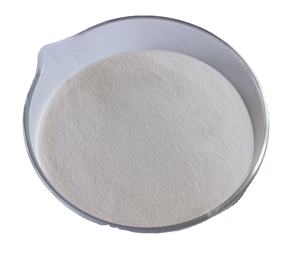
Chromium Silicide CrSi2 Powder CAS 12018-09-6
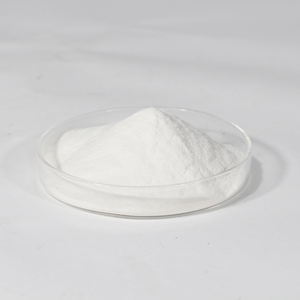
Titanium Silicide Ti5Si3 Powder CAS 12067-57-1
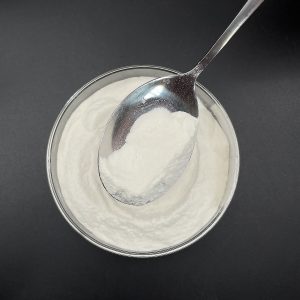
Tungsten Silicide WSi2 Powder CAS 12039-88-2