Professional and high-quality metal alloys, ceramic products and concrete additives | RBOSCHCO

Thermal Insulation and Nanotechnology

Aerogel Thermal Insulation Coating Applied for Building External Walls

Nano Ultra Thin Aerogel Thermal Insulation Film for Electronic Components
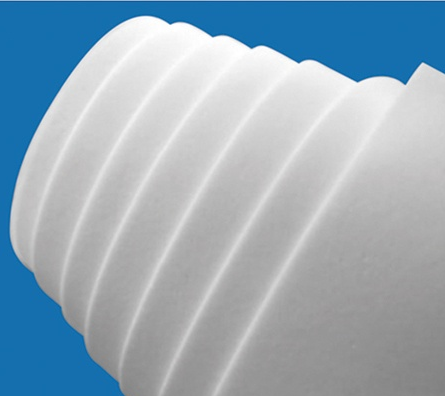
Nano Aerogel Insulation Sponge Industrial Design 10mm Thick Silica Insulation
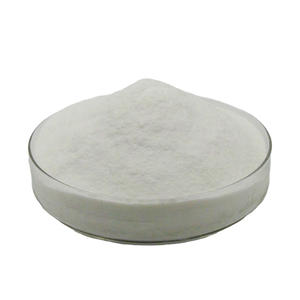
Heat Resistance, Cold Resistance, Corrosion Resistance, Wear Resistance Polytetrafluoroethylene Powder PTFE
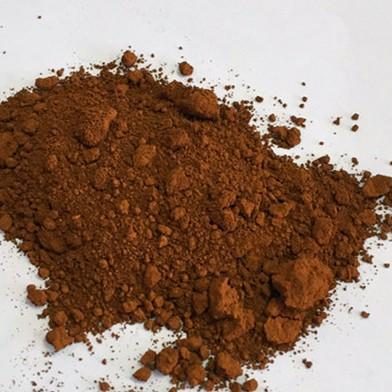
High Purity 99.9% Nano Copper powder CAS 7440-50-8 Nano Copper powder
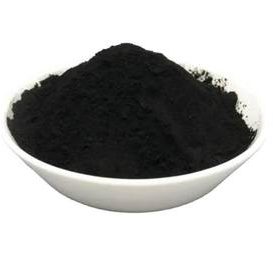
Titanium Nanoparticles Nano Ti Powder CAS 7440-32-6
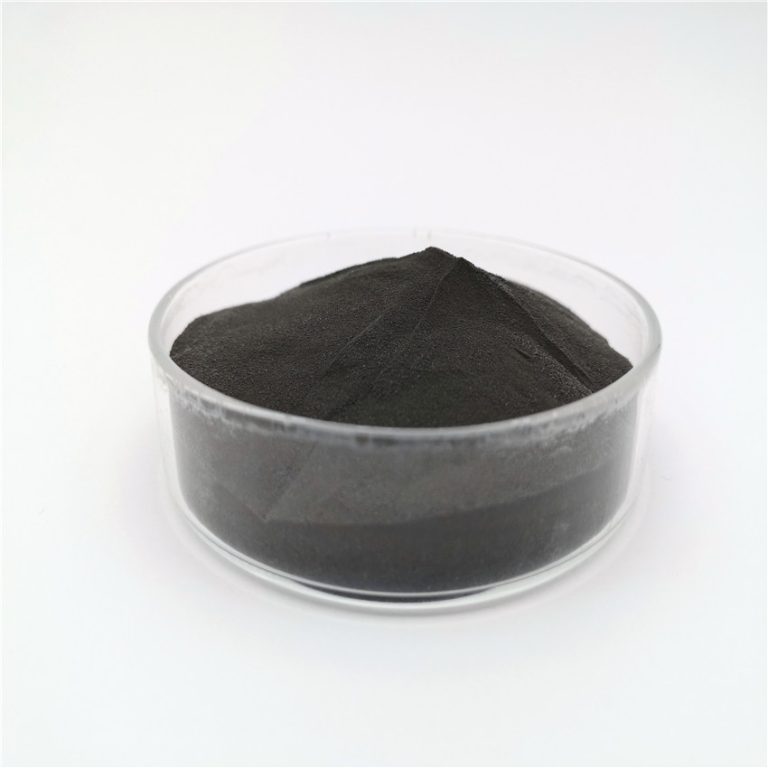
Cobalt Nanoparticles Nano Co Powder CAS 7440-48-4
99.9% Iron Element Pure Nano Iron Powder Fe Nanoparticles Price
Supply High Purity 99% Boron Powder B Nanoparticle
Metallic Materials Nano Zirconium Carbide ZrC Alloy Materials Zirconium Carbide with CAS 12070-14-3
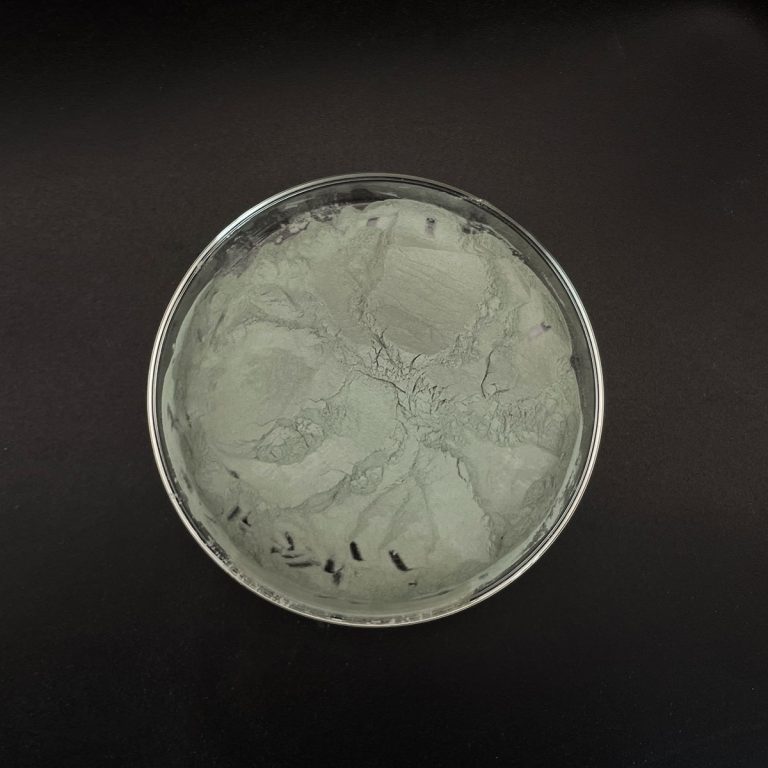
Factory Price Silicon Carbide Powder SiC Nanoparticles SiC Nanopowder
Superfine Titanium Carbide Powder CAS 12070-08-5 Nano TiC Industrial Grade Material for Advanced Applications
Overview of Thermal Insulation and Nanotechnology
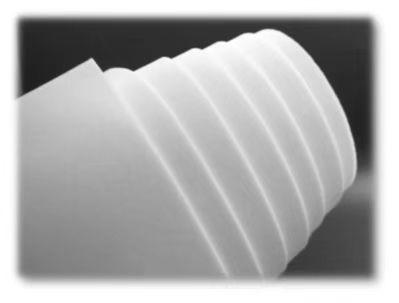
Thermal Insulation and Nanotechnology represents a paradigm shift in thermal management. By engineering materials at the molecular level, we manipulate heat transfer pathways to create solutions with unprecedented performance. Our focus on inorganic materials like Aerogels and functional Nanoparticles enables ultra-efficient, lightweight, and durable insulation capable of withstanding extreme temperatures and harsh environments, far surpassing the capabilities of traditional fibrous or foam materials.



Features of Thermal Insulation and Nanotechnology
- Ultra-Low Thermal Conductivity: Achieves exceptional thermal resistance in minimal thickness, with conductivity values as low as 0.015 W/m·K.
- Extreme Temperature Resilience: Performs reliably across a vast range, from cryogenic temperatures up to 1000°C+, without degradation.
- Superior Hydrophobicity & Chemical Stability: Inherently water-repellent and resistant to corrosion, preventing performance loss and structural damage.
- Lightweight & High Strength-to-Weight Ratio: Provides maximum insulation with minimal added mass and mechanical load.
- Nanoporous Structure: Utilizes a network of pores smaller than the mean free path of air molecules, drastically suppressing conductive and convective heat transfer.
Applications of Thermal Insulation and Nanotechnology
- Building & Construction: High-performance insulation for facades, roofs, and pipelines, enabling slimmer walls with superior R-values.
- Industrial Processing: Insulation for high-temperature furnaces, reactors, and pipelines in petrochemical and power generation facilities.
- Aerospace & Defense: Critical insulation for spacecraft, satellites, cryogenic fuel tanks, and personnel protection systems.
- Appliance & Electronics: Efficient thermal barriers in ovens, refrigerators, and battery packs for electric vehicles.
- Transportation & Logistics: Lightweight insulation for shipping containers requiring precise temperature control.

Specification Table of Thermal Insulation and Nanotechnology
| Material/Technology | Form Factor | Thermal Conductivity (W/m·K) | Temperature Range (°C) | Key Characteristics |
|---|---|---|---|---|
| Silica Aerogel | Blanket, Panel, Monolith | 0.015 - 0.020 | -200 to +650 | Best-in-class insulation, highly flexible, translucent |
| Fiber-Reinforced Aerogel | Composite Panel | 0.018 - 0.025 | -200 to +800 | Enhanced mechanical strength, rigid board |
| Nanoporous Insulation | Board, Custom Shapes | 0.020 - 0.030 | up to 1000 | Very high-temperature capability, vacuum or gas-filled |
| Nano-Enhanced Coatings | Liquid Coating | Varies with formulation | -50 to +400 | Adds insulating properties, easy application on complex shapes |
Company Profile
Rboschco is a trusted global chemical material supplier & manufacturer with over 12-year-experience in providing super high-quality chemicals and nanomaterials, including boride powder, nitride powder, graphite powder, sulfide powder, 3D printing powder, etc.
The company has a professional technical department and Quality Supervision Department, a well-equipped laboratory, and equipped with advanced testing equipment and after-sales customer service center.
If you are looking for high-quality Thermal Insulation and Nanotechnology, please feel free to contact us or click on the needed products to send an inquiry.

Payment Term
L/C, T/T, Western Union, Paypal, Credit Card etc.
Shipment Term
By sea, by air, by express, as customers request.
5 FAQs of Inorganic Thermal Insulation and Nanotechnology
1. How can nanotechnology make insulation better?
Nanotechnology creates a matrix with pores smaller than 100 nanometers. This size traps air molecules, dramatically reducing their ability to move and transfer heat, leading to significantly lower thermal conductivity than conventional materials.
2. Are aerogels fragile?
Pure aerogel monoliths are fragile. However, most commercial products are composites, like aerogel blankets (reinforced with fibers) or boards, which are robust, flexible, and suitable for demanding industrial applications.
3. What is the primary advantage over traditional fiberglass or foam?
The key advantage is achieving the same thermal resistance with a much thinner profile (high R-value per inch), along with superior performance at extreme temperatures and resistance to moisture.
4. Can these materials be used in existing buildings?
Yes. Aerogel blankets and boards are ideal for retrofitting applications where space is limited, such as insulating interior walls, historic buildings, or complex pipework without increasing the footprint.
5. How are nanoparticles used in thermal insulation?
Nanoparticles can be infused into coatings, paints, or composite matrices to create thermal barriers. They scatter infrared radiation and create complex pathways for heat, enhancing the insulating properties of the base material.
Tags: Thermal Insulation and Nanotechnology, Aerogel Insulation, Nanoparticles