Professional and high-quality metal alloys, ceramic products and concrete additives | RBOSCHCO

Spend any time in a lab or industrial workshop where sulfide powder is used, and you’ll probably hear someone say it offhand: “I don’t mind working with sulfide powder—it just smells a little bad, but it’s not harmful.” That casual comment says a lot about how misunderstood this material is. For years, people have fixated on the occasional sharp, unpleasant smell of sulfide powder, writing it off as nothing more than a minor inconvenience. But the truth is way more worrying: the smell isn’t the real danger. The actual risks lie in its hidden chemical traits, how easily it reacts with other substances, and the long-term harm it can do to our health, the environment, and industrial operations—risks that often fly under the radar until something goes seriously wrong.
Chemical Reactions That Generate Deadly Gas
To get why so many people buy into the “it’s just a bad smell” myth, we first need to clear up what sulfide powder actually is. It’s not a single substance, but a whole group of inorganic compounds made when sulfur combines with metals or non-metals. You’ve got common ones like zinc sulfide (ZnS) and iron sulfide (FeS), and more dangerous ones like cadmium sulfide (CdS) and sodium sulfide (Na₂S). Unlike pure sulfur, which has that unmistakable rotten-egg stench, most sulfide powders are completely odorless when they’re dry and stable. The smell people sometimes notice usually comes from tiny reactions with moisture or other chemicals, which produce small amounts of hydrogen sulfide (H₂S)—that’s the toxic gas with the foul smell we associate with sulfides. But here’s the key point: no smell doesn’t mean no danger, and even a faint whiff is a warning sign of a bigger issue—not the issue itself.

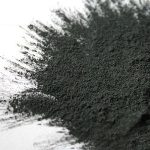
Let’s start with the biggest misunderstanding: using smell to judge whether sulfide powder is safe. A lot of people think that if it doesn’t smell, it’s harmless. That couldn’t be further from the truth. Most sulfide powders are inactive when they’re dry, but seemingly harmless things—moisture, heat, acidic environments, or even contact with other everyday chemicals—can trigger their reactivity. Take iron sulfide, for example: it’s a black, crystal-like powder used often in industrial processes and labs, and it’s totally odorless when dry. But if it comes into contact with even a small amount of acid—like hydrochloric acid, which is common in labs—it reacts violently, releasing large amounts of hydrogen sulfide gas. That gas isn’t just smelly; it’s deadly. Breathing in 1000 parts per million (ppm) can kill you instantly, and even 30 ppm can cause acute poisoning—symptoms like headaches, nausea, and trouble breathing. The danger here isn’t the powder’s smell; it’s the powder’s ability to make a toxic gas when it comes into contact with things we use every day.
Long-Term Health Damage and Carcinogenic Risks
Another hidden risk of sulfide powder is the long-term impact it can have on our health—something that’s often ignored because people are too focused on the immediate annoyance of a bad smell. Unlike the sudden poisoning from hydrogen sulfide, breathing in sulfide powder dust over time can cause permanent damage to your body. When those tiny sulfide particles are inhaled day after day, they build up in your respiratory system, leading to chronic lung diseases like pneumoconiosis. That’s a progressive, incurable condition that scars your lungs and makes it hard to breathe. Cadmium sulfide is a good example: it’s a yellowish-brown powder used in pigments and electronics, and international health organizations classify it as a carcinogen. Breathing in its dust over a long period can damage your kidneys, bones, and respiratory tract—even small amounts can cause lasting harm. What makes this risk so insidious is that symptoms usually take years to show up, and by then, the damage can’t be undone. The powder itself might not smell, but its silent buildup in your body is way more dangerous than any temporary bad odor.
To get a better grasp of the different risks each sulfide powder poses—and the myths around them—here’s a table comparing four commonly used types, their physical traits, what people usually get wrong, and their real hidden dangers:
| Type of Sulfide Powder | Physical Appearance & Odor (Dry State) | Common Misconception | Actual Hidden Dangers | Key Safety Precautions |
| Zinc Sulfide (ZnS) | White to yellow crystalline powder; odorless | Reacts with strong acids to produce toxic H₂S gas; long-term inhalation of dust causes respiratory irritation; can cause eye redness and pain on contac.t | Wear safety goggles and dust masks; store separately from acids; avoid moisture. | “It’s stable and won’t react unless heated.” |
| Iron Sulfide (FeS) | Black crystalline powder; odorless | “The powder is harmless as long as you don’t ingest it.” | Violent reaction with acids to release H₂S; can act as a “time bomb” in improper storage; dust inhalation causes coughing and lung irritation | Store in sealed, nitrogen-filled containers; keep 1.5m away from acids; use in well-ventilated areas |
| Cadmium Sulfide (CdS) | Light yellow to brown powder; odorless | “The faint smell is the only risk.” | Carcinogenic; causes kidney, bone, and respiratory damage with prolonged exposure; highly toxic to aquatic life; decomposes into toxic fumes when burned | Wear full protective gear (gloves, mask, gown); avoid environmental release; dispose of as hazardous waste |
| Sodium Sulfide (Na₂S) | White to yellowish powder; slight odor when moist | Highly corrosive; causes severe skin and eye burns; reacts with moisture to release H₂S; toxic if ingested; extremely harmful to aquatic life. | Wear corrosion-resistant gloves and eye protection; store in dry, sealed containers; avoid contact with water. | Wear corrosion-resistant gloves and eye protection; store in dry, sealed containers; avoid contact with water |
As you can see from the table, none of the main risks of sulfide powder have anything to do with its smell. Instead, the real dangers come from how it reacts chemically, its toxicity, and the long-term health effects it can have. This is especially problematic in industrial settings, where sulfide powder is used all the time—in metallurgy, electronics, materials science, and even car manufacturing. Take the automotive industry, for example: tin sulfide (SnS) is used as a solid lubricant in brake pads because it holds up well at high temperatures. The powder itself doesn’t smell, but if you handle it the wrong way—like mixing it with other chemicals or storing it in a humid place—it can cause dangerous reactions. The same goes for electronics manufacturing: zinc sulfide is used in semiconductors and infrared optical parts because of its unique optical properties, but breathing in its dust over time can irritate your lungs.
The Overlooked Environmental Pollution
The environmental risks of sulfide powder are another big part of the “real problem”—one that’s often overshadowed by the focus on smell. A lot of sulfide powders are really toxic to aquatic life—even small amounts dumped into waterways can kill fish, plants, and other organisms. Sodium sulfide, for instance, is extremely harmful to aquatic ecosystems, and cadmium sulfide is considered a severe marine pollutant. If sulfide powder isn’t disposed of properly—like being thrown in landfills or washed down drains—it can seep into groundwater, contaminating drinking water and causing long-term environmental damage. Unlike a bad smell, which fades quickly, environmental contamination from sulfide powder can last for decades, hurting entire ecosystems and the communities that depend on them.
Incident Warnings: Painful Lessons from Lab to Factory
Industrial accidents involving sulfide powder really drive home what happens when we ignore these hidden risks. A few years ago, a chemical plant in Asia had a major incident during a routine cleaning. Iron sulfide powder was accidentally mixed with a dilute acid solution, and the reaction released a huge amount of hydrogen sulfide gas that spread through the workshop. Several workers were hospitalized with acute poisoning, and the plant had to shut down for weeks to clean up the contamination. What made this even sadder is that the workers had been told to “ignore the smell” of sulfide powder, thinking it was just a minor bother. They had no idea that the odorless powder they were handling could react so violently to make a deadly gas.
Labs aren’t immune to these mistakes either. A university lab in Europe had a small emergency a while back when cadmium sulfide powder spilled on a lab bench. The researcher thought the powder was harmless because it didn’t smell, so they cleaned it up without wearing gloves. A few days later, they developed skin irritation and kidney pain, which doctors later linked to cadmium exposure. This incident shows just how dangerous it is to equate “no smell” with “no risk”—a mistake that can have serious health consequences, even in small labs.
So why do we keep fixating on the smell of sulfide powder? Part of it is human nature: we notice and react to things we can sense right away, like a bad smell, more than hidden, long-term risks. But misinformation and poor training also play a role. A lot of workers—even some professionals—are taught that the main thing to worry about with sulfide powder is its smell, not how it reacts or how toxic it is. This lack of education makes people complacent, and that complacency leads to more accidents.
No Smell ≠ No Risk — Vigilance Is the Bottom Line
Fixing this problem means changing how we think—stopping our focus on the smell and starting to understand the real risks of sulfide powder. It starts with proper education and training. Workers and lab staff need to learn that a sulfide powder’s smell (or lack of it) isn’t a reliable way to tell if it’s safe. They should be trained to handle all sulfide powders carefully, no matter if they smell or not, and to follow strict safety rules: wearing the right personal protective equipment (PPE) like dust masks, goggles, and gloves; storing powders in dry, sealed containers away from acids and moisture; and disposing of waste properly, following local rules.
Manufacturers also have a responsibility to provide clear, accurate safety information about sulfide powders. Safety Data Sheets (SDS) should highlight the hidden risks—like how they react with acids, their long-term health impacts, and their environmental toxicity—instead of just focusing on the smell. Companies should also invest in better storage and handling equipment: sealed containers, ventilation systems, and gas detectors to lower the risk of accidents. For example, labs that use iron sulfide should have hydrogen sulfide detectors to alert workers to dangerous gas levels before they start feeling symptoms.
It’s also important to bust the myth that “low toxicity” means “safe.” While some sulfide powders, like zinc sulfide, are less toxic than others, they still pose risks if you handle them incorrectly. Even low-toxicity sulfides can irritate your lungs if you breathe in a lot of their dust, and they can still react with other chemicals to make toxic gases. The main takeaway is: no sulfide powder should be considered “harmless” just because it doesn’t smell or is thought to be low-toxic.
In the end, the next time you come across sulfide powder—whether in a lab, a factory, or even a classroom—remember this: the smell (or lack of it) isn’t the real problem. The real dangers are hidden in its chemical makeup, how it reacts with common substances, the long-term harm it can do to your health, and its potential to hurt the environment. By shifting our focus from the minor annoyance of a bad smell to these much more serious risks, we can prevent accidents, protect our health, and make sure sulfide powder is used safely and responsibly.
Supplier
RBOSCHCO is a trusted global sulfide powder supplier & manufacturer with over 12 years of experience in providing super high-quality chemicals and Nanomaterials. The company export to many countries, such as USA, Canada, Europe, UAE, South Africa, Tanzania, Kenya, Egypt, Nigeria, Cameroon, Ugand, Turkey, Mexico, Azerbaijan Be lgium, Cyprus, Czech Republic, Brazil, Chile, Argentina, Dubai, Japan, Korea, Vietnam, Thailand, Malaysia, Indonesia, Australia, Germany, France, Italy, Portugal etc. As a leading nanotechnology development manufacturer, RBOSCHCO dominates the market. Our professional work team provides perfect solutions to help improve the efficiency of various industries, create value, and easily cope with various challenges. If you are looking for sulfide powder, please feel free to contact us.
RELATED POSTS

Stainless steel cladding: revolutionizing architectural design and structural integrity

Performance Principle and Construction Application of Liquid Lithium Silicate Concrete Curing and Dustproof Agent

Market Prospect Analysis of Aluminum Nitride Ceramic Products

Aluminum Nitride vs Silicon Carbide Plates: Properties, Applications & Key Differences
How Can Foaming Agents Improve the Performance of Foam Concrete?
