Professional and high-quality metal alloys, ceramic products and concrete additives | RBOSCHCO

In the intricate globe of high-performance materials, substances are as vital yet as disparate as silica powders. For industrial buyers, formulators, and engineers browsing the international market, the choice between fumed silica and precipitated silica is not just a technicality– it is an extremely important decision that dictates the success, cost-efficiency, and efficiency of plenty of products. This exhaustive treatise looks into the mysterious ins and outs of these two producing behemoths, equipping you to make an astutely educated purchase decision. Understanding their genesis, features, and optimal applications is the cornerstone of critical sourcing and product advancement.
1. The Genesis of Granules: A Story of 2 Production Philosophies
The trip of silica powder begins with its synthesis. The chosen technique of development is not just a step in a process; it is the really DNA that specifies the powder’s soul, its intrinsic nature, and its utmost fate within your applications. The vapor stage and rainfall methods stand for two profoundly divergent paths from raw materials to refined products.
1.1 The Vapor Phase Technique: An Alchemical Dance at Blistering Temperatures
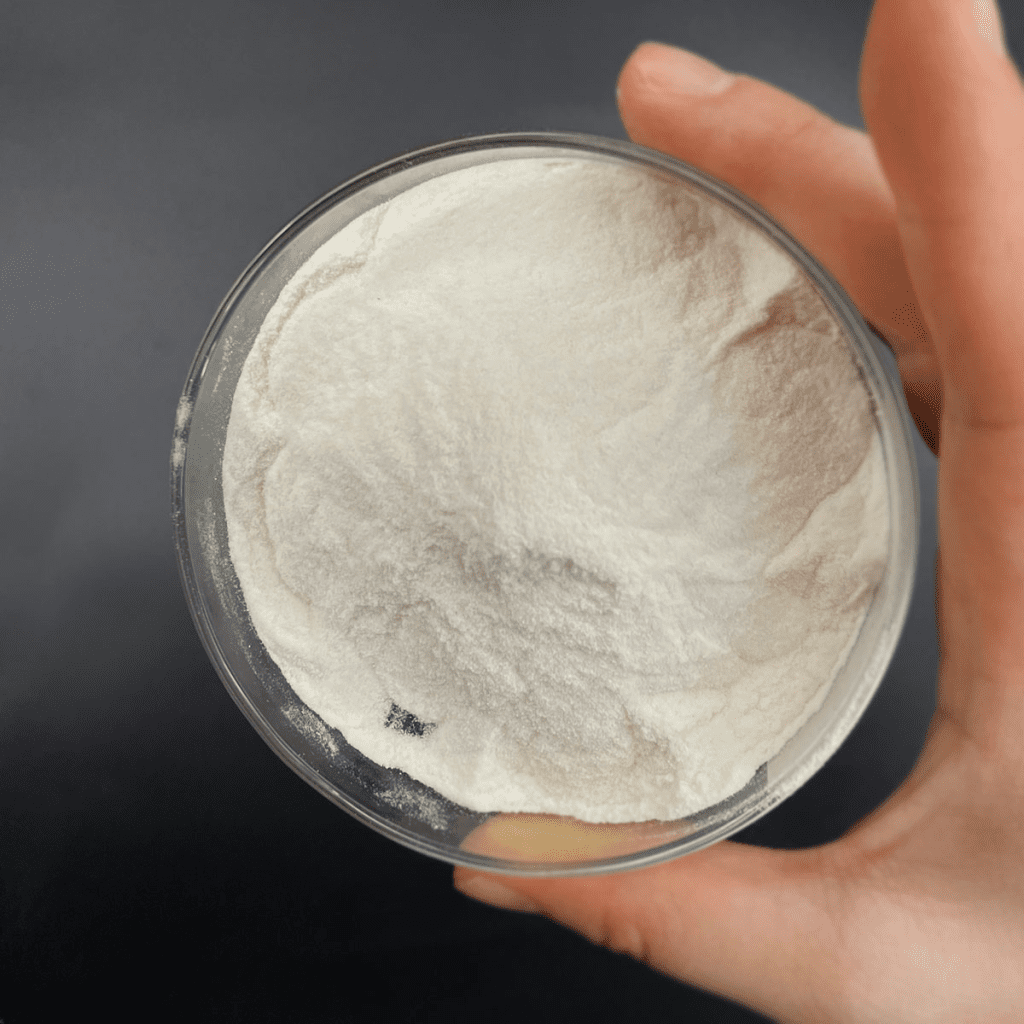
This process, typically called “pyrogenic” or “fumed” silica production, is a spectacle of extreme chemistry. It involves the awe-inspiring hydrolysis of silicon tetrachloride (SiCl4) in an oxygen-hydrogen flame, which burns at temperatures exceeding 1000 °C. In this veritable snake pit, gaseous SiCl ₄ reacts with water vapor to develop liquid rounds of excellent silica and gaseous hydrochloric acid. These inceptive, incandescent rounds collide and fuse in the gas stream, developing complex, three-dimensional, chainlike accumulations. As the stream cools, the outcome is an ultrapure, amorphous silica powder with a framework as ethereal as smoke.
1.2 The Precipitation Method: A Controlled Aquatic Formation
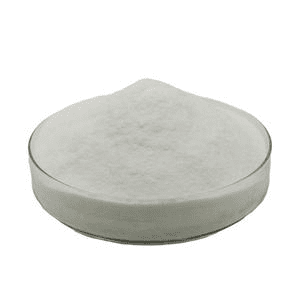
In plain comparison, the precipitation method is a testament to regulated, aqueous-phase chemistry. It begins with a service of salt silicate, which is then acidified, generally with sulfuric acid. This response carefully coaxes silica nanoparticles out of the option, triggering them to “precipitate” in a carefully kept an eye on setting. By controlling aspects like temperature level, pH, concentration, and anxiety, manufacturers can orchestrate the growth and gathering of these key particles. The resulting slurry is then filtered, cleaned, dried, and grated to produce the final precipitated silica powder, a process that permits considerable tailoring of the end product’s homes.
2. A Relative Dissection of Ultimate Qualities
When selecting a silica powder, one should look beyond the datasheet and comprehend the performance implications of its basic physical properties. The distinctions right here are not step-by-step; they are specific.
2.1 The Pureness and Architectural Integrity Problem
Fumed silica, born from an aeriform response at extreme temperatures, is unrivaled in its purity. The process properly volatilizes most metal impurities, causing the SiO2 content to often go beyond 99.8%. Its structure is identified by an impermeable surface area and the lack of micropores, adding to its exceptional efficiency as a rheological additive. Precipitated silica, while very fine-tuned, may keep trace amounts of sulfate or salt ions from its liquid synthesis. Its framework is more intricate, typically including intraaggregate porosity, which can influence liquid absorption and support in different ways.
2.2 The Enchanting Difference in Area and Porosity
This is where both powders truly diverge. Fumed silica has a stupendously high specific surface (usually 50400 m ²/ g )occurring from its primary nanoparticle dimension (550 nm). This substantial surface area is greatly exterior and nonporous, making it incredibly effective for surface-dependent communications, such as enlarging through hydrogen bonding. Precipitated silica also flaunts high surface (usually 50300 m ²/ g), but a significant section can be inner, within its aggregated framework. This internal porosity makes it a remarkable agent for absorption and matting, where its spongelike structure can catch fluids and scatter light effectively.

3. The Performance Prominence in Diverse Industrial Applications
The theoretical distinctions take shape into tangible performance advantages across industries. Selecting the correct silica is associated with achieving application bliss.
3.1 Rheological Proficiency: Thixotropy and Antisag Preeminence
For applications requiring specific control over circulation and sag resistance– such as in high-performance adhesives, sealants, silicone resins, and gel layers– fumed silica is the unbeatable champ. Its impermeable, high-surface-area particles develop a robust, relatively easy-to-fix hydrogen-bonding network throughout the system. This network grants splendid thixotropy: the item moves quickly under shear, however, reclaims its structure and resists sagging on vertical surfaces the minute the shear is removed. Sped up silica can supply thickening, but it usually uses a lower level of thixotropy and is much more prone to syneresis (liquid separation) in demanding systems.
3.2 The Reinforcement Paradigm: Strength Versus Cost-Efficiency
In the world of elastomer support, particularly for silicone rubber, both silicas play crucial but distinctive roles. Fumed silica supplies unmatched support, providing vulcanizates with the greatest tensile strength, tear resistance, and transparency. It is the unquestionable choice for premium, high-strength applications. Sped up silica, on the other hand, supplies an exceptional equilibrium of performance and cost. It provides exceptional reinforcement for a wide array of rubber items at a much more cost-effective price point, making it the workhorse of the rubber market.
3.3 The Cosmetic and Finishing Facet: Matting and Sensory Sophistication
In finishes, inks, and cosmetics, the choice depends upon the preferred aesthetic and tactile sensation. Precipitated silica, with its microporous framework, is a master of light scattering, making it an incredibly reliable matting agent for wood, natural leather, and industrial finishes. In aesthetic solutions, such as structures and powders, it regulates shine and gives a smooth, silky feel. Fumed silica is less utilized for matting but stands out as an antisettling and anticaking representative in powder systems and suspensions, ensuring long-term stability and a perfect coating.
4. An Erudite Procurement Guide: Browsing the CostPerformance Maze
The utmost selection is a tactical calculus, weighing performance quandaries against financial constraints.
4.1 The Unavoidable Financial Calculus
There is no preventing the cost differential. The vapor stage technique is an energy-intensive procedure needing a sophisticated and expensive framework, which provides fumed silica as a premium product. The rainfall technique is a more scalable and cost-effective set process, making precipitated silica an even more budgetfriendly alternative. The purchase concern hence comes to be: Does your application demand the straight-out performance zenith of fumed silica, or can the highly competent, cost-optimized efficiency of precipitated silica satisfy your needs?
4.2 Strategic Sourcing for Unassailable Value
For MissionCritical, HighValue Products: If your formulation’s success depends upon maximum rheological control, best reinforcement, or extreme purity, fumed silica is a nonnegotiable, value-adding financial investment.
For HighVolume, CostSensitive Applications: For items where quantity and price are key drivers– such as general rubber products, toothpaste abrasives, or industrial paints– precipitated silica delivers prodigious worth and performance, making it the sharp industrial choice.
The Crossbreed Technique: Do not neglect the potential of using both. A tactical blend can occasionally achieve a specific performance profile that neither silica can accomplish alone, possibly optimizing overall formulation cost.
5. The Judgment: Coordinating a Symphony of Material Science
The narrative of “vapor stage versus precipitation” is not a simple tale of good versus wicked or exceptional versus substandard. It is a magnificent harmony of material scientific research, where each powder plays a distinctive and vital role. Fumed silica is the virtuoso soloist, supplying unrivaled efficiency in pureness, enlarging, and reinforcement where concession is not an option. Precipitated silica is a powerful and functional band, providing durable, versatile, and economically sound performance throughout a substantial spectrum of industrial applications.
As a discerning participant in the global market, your empowerment depends on moving beyond seeing silica as a mere commodity. See it as a critical element. By understanding the profound heritage of its manufacturing process and its direct relationship to efficiency, you can transcend a straightforward purchase. You become a companion in development, capable of defining the ideal silica powder to raise your products, thrill your consumers, and safeguard a powerful competitive advantage. The understanding contained herein is your undisputable compass in this endeavor.
Supplier
RBOSCHCO is a trusted global Silica Powders supplier & manufacturer with over 12 years experience in providing super high-quality chemicals and Nanomaterials. The company export to many countries, such as USA, Canada, Europe, UAE, South Africa,Tanzania,Kenya,Egypt,Nigeria,Cameroon,Uganda,Turkey,Mexico,Azerbaijan,Belgium,Cyprus,Czech Republic, Brazil, Chile, Argentina, Dubai, Japan, Korea, Vietnam, Thailand, Malaysia, Indonesia, Australia,Germany, France, Italy, Portugal etc. As a leading nanotechnology development manufacturer, RBOSCHCO dominates the market. Our professional work team provides perfect solutions to help improve the efficiency of various industries, create value, and easily cope with various challenges. If you are looking for Silica Powders, please feel free to contact us.
Tags:fumed silica,silica gel powder,silicon dioxide powder
RELATED POSTS
Stainless steel cladding: revolutionizing architectural design and structural integrity

Bismuth Sulfide Revolution: How This Unsung Mineral Compound is Redefining Ethical Global Commerce

Why Is High-Purity Antimony-Doped Tin Oxide (ATO) So Popular?
Titanium Nitride Powder Shatters Boundaries: A Revolutionary Force in Global Industrial Supply Chains

Ti₃AlC₂ Powder: Study On Antioxidant Properties