Professional and high-quality metal alloys, ceramic products and concrete additives | RBOSCHCO

Adjustable temperature soldering iron heater is the cornerstone of modern electronic manufacturing, repair, and DIY projects, offering unparalleled control over heating performance that fixed-temperature alternatives simply cannot match. As global demand for high-precision soldering solutions grows—driven by the miniaturization of electronic components, the adoption of lead-free solder standards, and the need for consistent results in large-scale production—businesses and professionals are increasingly turning to adjustable temperature soldering iron heaters to solve the pain points of inconsistent heating, material damage, and wasted energy. Unlike fixed-temperature models that force users to adapt their workflow to the tool, adjustable heaters put control back in the hands of the operator, making them an indispensable asset in any setting where soldering precision matters.
What Is an Adjustable Temperature Soldering Iron Heater?
Before delving into its technical strengths, let’s first clarify what an adjustable temperature soldering iron heater is and how it differs from conventional soldering tools. At its core, a soldering iron heater is the component that generates and transfers heat to the soldering tip, enabling the melting of solder to join two or more metal surfaces—a process critical to forming strong, conductive connections in electronics and metalwork. Unlike fixed-temperature soldering iron heaters, which operate at a single, unchangeable temperature (typically between 300°C and 400°C), an adjustable temperature soldering iron heater allows users to precisely regulate the heating temperature within a wide range—usually from 150°C to 480°C or higher—according to the specific requirements of the soldering task.
Our adjustable temperature soldering iron heater integrates advanced heating elements, intelligent temperature control circuits, and high-quality heat conduction materials, ensuring that the temperature remains stable even during long hours of continuous operation—often up to 8 hours or more in industrial settings. This level of control is not just a “nice-to-have” feature; it is a necessity for modern soldering work, where different materials (such as copper, aluminum, stainless steel, and even delicate alloys), solder types (lead-free solder, leaded solder, high-temperature solder, and silver-bearing solder), and component sizes (microchips as small as 0.1mm, large terminals, and thick-gauge wires) require precise temperature matching to achieve strong, reliable joints without damaging sensitive parts. For example, soldering a tiny surface-mount component (SMC) on a smartphone PCB demands a lower, more stable temperature than joining heavy copper wires in an automotive wiring harness—and an adjustable heater seamlessly accommodates both.

Core Technical Advantages of Our Adjustable Temperature Soldering Iron Heater
Our adjustable temperature soldering iron heater stands out in the global market due to its cutting-edge technical design, which addresses the key pain points of traditional soldering heaters—including inconsistent temperature, slow heat-up times, short lifespan, and high energy consumption. Below are the most prominent technical advantages that set our product apart from competitors, backed by rigorous testing and real-world application data.
1. Precision Temperature Control: ±2℃ Accuracy for Consistent Soldering
The most critical advantage of an adjustable temperature soldering iron heater is its ability to maintain precise temperature control—and our product takes this to the next level. Equipped with a high-sensitivity NTC (Negative Temperature Coefficient) thermistor sensor embedded directly near the soldering tip, combined with an intelligent PID (Proportional-Integral-Derivative) control system, our heater achieves a temperature accuracy of ±2℃, far exceeding the industry average of ±5℃. This means that once you set your desired temperature, the heater will automatically adjust its power output in real time to keep the temperature stable—even when the soldering tip comes into contact with cold components, the ambient temperature fluctuates (e.g., in a busy factory or drafty workshop), or the tool is used continuously for hours.
Why does this level of precision matter? In precision soldering tasks—such as soldering microchips, LEDs, CMOS circuits, or medical device components—even a small temperature fluctuation (as little as 5℃) can lead to serious problems. Overheating can burn sensitive components, cause solder to oxidize (forming weak, brittle joints), or damage the soldering tip itself. Underheating, on the other hand, can leave solder unmelted or improperly flowed, leading to poor electrical conductivity, intermittent connections, and potential product failure—costing businesses time, money, and reputation. With our ±2℃ precision control, you can ensure consistent soldering quality across every joint, reducing rework rates by up to 30% and improving overall production efficiency.
Additionally, our heater features a fast temperature response time—reaching the set temperature in just 25-30 seconds. For professionals working on tight deadlines or high-volume production lines, this time savings adds up quickly—saving valuable minutes every hour and boosting productivity throughout the workday. The fast response also means less idle time, reducing energy waste and extending the life of the heating element.
2. Wide Temperature Range: Versatility for All Soldering Scenarios
150℃-250℃: This low-temperature range is ideal for soldering small, sensitive components such as microchips, resistors, capacitors, LEDs, and surface-mount devices (SMDs). It is also suitable for soldering delicate materials like thin copper wires (0.1-0.5mm) and heat-sensitive plastics (e.g., in automotive interior electronics). This range prevents damage to fragile parts and works seamlessly with low-melting-point solder—such as lead-free solder (melting point 183℃) and silver-bearing solder (melting point 217℃), which are increasingly used in consumer electronics to meet environmental standards.
250℃-350℃: This is the most common temperature range for general-purpose soldering, making it perfect for everyday tasks in repair shops, manufacturing plants, and DIY workshops. It is widely used for PCB (Printed Circuit Board) assembly, wire soldering (0.5-1.5mm), electronic repair work (e.g., fixing smartphones, laptops, and game consoles), and soldering connectors and terminals. This range works well with most standard solders, including leaded solder (melting point 183℃) and lead-free solder blends, making it the go-to setting for most professionals.
350℃-480℃: Designed for heavy-duty soldering tasks, this high-temperature range is ideal for soldering large copper wires (1.5mm+), automotive terminals, metal pipes, industrial components, and stainless steel parts. It is also suitable for use with high-melting-point solder—such as leaded solder with a melting point of 327℃ and industrial-grade high-temperature solder (melting point 450℃+)—and for soldering materials with poor heat conductivity, which require more heat to achieve proper solder flow. This range is particularly valuable in the automotive, aerospace, and industrial maintenance industries, where heavy-duty soldering is a daily requirement.
Unlike traditional fixed-temperature heaters, which are limited to a single range (e.g., 300℃-350℃), our adjustable heater eliminates the need to purchase multiple tools for different tasks. Whether you are soldering a tiny microchip in a smartphone, a PCB for a wearable device, or a large copper terminal in a car, our heater can be easily adjusted to the perfect temperature with a simple turn of a dial or press of a button. This versatility not only saves money but also saves space in workshops and toolkits, making it a cost-effective and practical solution for businesses and professionals alike.
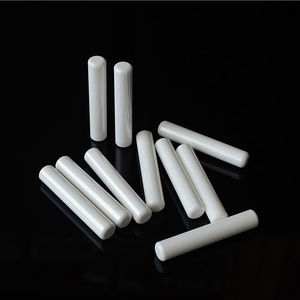
3. High-Quality Heating Element: Durability and Energy Efficiency
The heating element is the heart of any soldering iron heater, and its quality directly impacts performance, lifespan, and energy efficiency. Our product uses a premium ceramic heating element—far superior to the nickel-chromium (Ni-Cr) wire heating elements used in most traditional and low-cost adjustable heaters. Below is a detailed comparison of ceramic heating elements vs. Ni-Cr wire elements, highlighting why our choice of materials sets us apart:
Ceramic heating elements are made from high-purity alumina ceramic, which offers excellent heat conductivity, stability, and durability. They heat up faster (contributing to our 25-30 second preheat time), maintain temperature more consistently, and have a longer lifespan—typically 5,000+ hours of continuous use—compared to Ni-Cr wire elements, which usually last only 1,000-2,000 hours.
In contrast, Ni-Cr wire elements are made from a metal alloy that oxidizes easily at high temperatures, leading to wire breakage and reduced heat output over time. They heat up more slowly, lose heat quickly when in contact with cold components, and require more power to maintain temperature—wasting energy and increasing operating costs. Ni-Cr wire elements also tend to have inconsistent temperature distribution, leading to hot spots that can damage components and soldering tips. For professionals who rely on their tools daily, the difference in durability and performance between ceramic and Ni-Cr wire elements is significant—our ceramic heating element ensures that our heater remains reliable and efficient, even in high-volume, long-hour use.
To further enhance durability, our heating element is encased in a heat-resistant stainless steel sleeve, which protects it from physical damage, dust, and debris. The sleeve also improves heat transfer to the soldering tip, ensuring that heat is distributed evenly and efficiently—reducing tip wear and extending its lifespan as well.
4. Safety and User-Friendly Design of Soldering Iron Heater
In addition to technical performance, our adjustable temperature soldering iron heater prioritizes safety and user comfort—critical factors for professionals who use the tool for hours at a time. Our heater is equipped with multiple safety features to protect users, their equipment, and their workpieces. These include over-temperature protection, which automatically shuts off the heater if the temperature exceeds the maximum safe limit (500℃), preventing overheating, fires, and damage to the tool. We also include an idle power-off feature, which reduces power consumption to 10% after 10 minutes of inactivity—saving energy and reducing the risk of accidental burns or damage.
In terms of ergonomics, our heater is lightweight (only 150g) and features an ergonomic handle design that fits comfortably in the hand, reducing fatigue during extended use. The handle has a non-slip grip, ensuring that the tool stays secure even when hands are sweaty or oily. The power cord is flexible and 1.8 meters long, providing ample reach without being cumbersome—allowing users to move freely around their workspace.
| Parameter | Description |
| Type | Soldering Iron Heater |
| Power Supply | 220V AC / 110V AC (depending on model) |
| Power Consumption | 50W – 100W |
| Heating Element | Ceramic or Coil-based |
| Temperature Range | 200°C – 450°C (392°F – 842°F) |
| Heating Time | < 30 seconds to reach operating temperature |
| Tip Compatibility | Interchangeable tips (e.g., conical, chisel, bevel) |
| Duty Cycle | Continuous use (100%) |
| Dimensions | Length: 200mm – 300mm, Diameter: 8mm – 12mm |
| Weight | 100g – 200g |
| Stand Included | Yes / No (depending on model) |
| Safety Features | Overheat protection, auto shut-off (optional) |
| Warranty | 1 year limited warranty |
Application Scenarios of Adjustable Temperature Electric Soldering Iron Heater
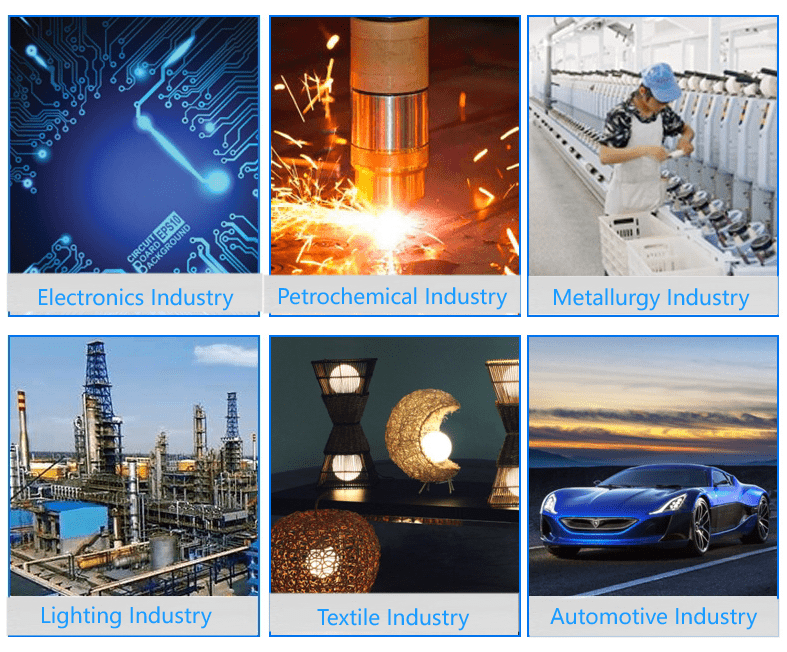
Our adjustable temperature soldering iron heater is designed to adapt to a wide range of industries and applications, from high-precision manufacturing to DIY hobbies. Its versatility, precision, and durability make it suitable for the following scenarios, among others:
1. Electronic Manufacturing of Soldering Iron Heater
In consumer electronics manufacturing (e.g., smartphones, laptops, tablets, TVs, and wearables), our heater is used for soldering PCBs, microchips, resistors, capacitors, LEDs, and other components. The precision temperature control ensures that sensitive electronic parts are not damaged, while the wide temperature range adapts to different solder types and component sizes. It is also widely used in the production of electronic toys, home appliances (e.g., refrigerators, washing machines), and industrial control systems. In large-scale manufacturing plants, our heaters are integrated into assembly lines, where their fast preheat time and consistent performance help boost production efficiency and reduce defects.
2. Automotive Industry of Soldering Iron Heater
The automotive industry requires soldering for a variety of components, including wiring harnesses, sensors, connectors, circuit boards, and ECUs (Electronic Control Units). Our heater’s high-temperature range (up to 480℃) is ideal for soldering large copper wires and heavy-duty terminals, while the ESD protection prevents damage to sensitive automotive electronics (e.g., ECUs, GPS systems, and infotainment systems). It is also used in automotive repair shops for fixing wiring issues, replacing electronic components, and soldering damaged terminals. In electric vehicles (EVs), our heater is particularly valuable for soldering battery components and high-voltage wiring, where precision and reliability are critical.
3. Aerospace and Defense (Non-Military)
In the aerospace industry, soldering quality is critical for ensuring the safety and reliability of aircraft components—even a single faulty joint can have catastrophic consequences. Our adjustable temperature soldering iron heater is used for soldering avionics, wiring, small metal components, and sensors, where precision and durability are non-negotiable. The high-quality ceramic heating element and stable temperature control meet the strict standards of the aerospace industry, including ISO 9001 and AS9100 certifications. It is also used in the production of drones and satellite components, where miniaturization and precision demand a high-performance soldering tool.
4. DIY and Hobbyist Projects of Soldering Iron Heater
For DIY enthusiasts, students, and hobbyists, our heater is a perfect tool for a variety of projects, thanks to its easy-to-use design and professional-grade performance. Common DIY applications include building custom PCBs for Arduino or Raspberry Pi projects, repairing broken electronics (e.g., smartphones, game consoles, radios, and headphones), crafting jewelry and metal art (soldering small metal pieces), and model building (soldering plastic or metal model kits). The easy-to-adjust temperature dial and lightweight design make it accessible for beginners, while the ±2℃ precision ensures that even complex projects turn out well. It is also a popular tool for electronics students, who use it to learn soldering techniques and complete classroom projects.
5. Industrial Maintenance and Repair of Soldering Iron Heater
In factories and industrial settings, our heater is used for maintaining and repairing machinery, electrical equipment, and industrial control systems. Maintenance technicians often need to solder a wide range of components—from delicate sensors to heavy-duty wires—and our heater’s versatility makes it a valuable tool. It is used to repair motors, transformers, circuit breakers, and other industrial equipment, where reliable soldering is essential to prevent downtime. The durable ceramic heating element and long lifespan make it suitable for use in harsh industrial environments, where tools are exposed to dust, debris, and frequent use.
How to Choose the Right Adjustable Temperature Soldering Iron Heater?
With so many options on the market, choosing the right adjustable temperature soldering iron heater can be overwhelming—especially for beginners or professionals looking to upgrade their tools. Below are the key factors to consider to ensure you select the best tool for your needs, based on industry expertise and real-world application:
1. Temperature Range
Choose a heater with a temperature range that covers your typical soldering tasks. For most professionals and hobbyists, a range of 150℃-480℃ is sufficient, as it accommodates everything from delicate SMD soldering to heavy-duty wire joining. If you primarily work with delicate components (e.g., microchips, LEDs), look for a heater with precise low-temperature control (down to 150℃) and stable performance at lower settings. If you handle heavy-duty tasks (e.g., automotive wiring, industrial components), ensure the heater can reach 450℃+ and maintain temperature consistently at high settings.
2. Temperature Accuracy
Opt for a heater with a temperature accuracy of ±3℃ or better. This is critical for precision soldering and reducing rework, especially in industries like electronics manufacturing and aerospace. Our heater’s ±2℃ accuracy ensures consistent results every time, even in demanding environments. Avoid heaters with accuracy worse than ±5℃, as they will lead to inconsistent joints and potential component damage.
3. Heating Element
Choose a heater with a ceramic heating element over Ni-Cr wire. As discussed earlier, ceramic elements are more durable, energy-efficient, and stable, making them ideal for long-term use. They heat up faster, maintain temperature better, and last up to 5 times longer than Ni-Cr wire elements. Avoid heaters with low-quality heating elements, as they will need frequent replacement—costing you time and money in the long run. Look for heaters with heating elements encased in heat-resistant materials for added protection.
4. Safety Features
Look for heaters with over-temperature protection, idle power-off, and ESD protection—especially if you work with sensitive electronics. These features protect you (from burns and fires), your equipment (from damage), and your workpieces (from overheating or static damage). Over-temperature protection is a must for preventing the heater from overheating if the temperature control fails, while idle power-off saves energy and reduces risk. ESD protection is critical for anyone working with microchips, ECUs, or other static-sensitive components.
Supplier
RBOSCHCO is a trusted global Soldering Iron Heater supplier & manufacturer with over 12 years of experience in providing super high-quality chemicals and Nanomaterials. The company export to many countries, such as USA, Canada, Europe, UAE, South Africa, Tanzania, Kenya, Egypt, Nigeria, Cameroon, Ugand, Turkey, Mexico, Azerbaijan Be lgium, Cyprus, Czech Republic, Brazil, Chile, Argentina, Dubai, Japan, Korea, Vietnam, Thailand, Malaysia, Indonesia, Australia, Germany, France, Italy, Portugal etc. As a leading nanotechnology development manufacturer, RBOSCHCO dominates the market. Our professional work team provides perfect solutions to help improve the efficiency of various industries, create value, and easily cope with various challenges. If you are looking for a Soldering Iron Heater, please feel free to contact us.
RELATED POSTS
Recrystallised Silicon Carbide: The Ultimate Choose in High-Temperature Industrial

Silicon Nitride Ceramics: A Deep Analysis of the Cutting-Edge Material Revolution and Future Prospects Under the Global Market Wave
Silicon Nitride vs. Boron Nitride Ceramic Shafts: A Comprehensive Comparison and Applications Overview

Why Is The Thermal Stability Of Ultrafine Zinc Stearate Emulsion Excellent When Used In PVC Products?
Application of Nano-Silicon Powder in Solar Cells: Potential Products for Price Reduction and Efficiency Enhancement