Professional and high-quality metal alloys, ceramic products and concrete additives | RBOSCHCO

The global shift toward electrification, renewable energy, and high-efficiency electronic systems has created an urgent demand for materials that can deliver superior performance under extreme conditions. Traditional semiconductor materials and engineering components are facing increasing challenges as industries require higher power density, faster switching speeds, improved thermal management, and longer service life. In this rapidly developing environment, Silicon Carbide has emerged as one of the most valuable advanced materials driving innovation across multiple industries.
As a wide-bandgap semiconductor material and high-performance ceramic, Silicon Carbide combines excellent thermal conductivity, high-temperature stability, superior hardness, and outstanding electrical properties. These characteristics make it highly suitable for applications ranging from electric vehicles (EVs) and power electronics to renewable energy systems, aerospace equipment, and industrial machinery.
Among its many applications, the use of Silicon Carbide in electric vehicle power systems and semiconductor devices has become one of the fastest-growing markets. Automotive manufacturers and electronic component producers are increasingly adopting Silicon Carbide-based solutions to improve energy efficiency, reduce system weight, and extend battery range.
Compared with traditional silicon-based materials, Silicon Carbide allows electronic devices to operate at higher temperatures, higher voltages, and higher frequencies. This provides significant advantages for modern energy systems where efficiency and reliability are critical.
For global buyers, distributors, and industrial manufacturers, understanding the unique advantages and market potential of Silicon Carbide is essential for selecting advanced materials that meet future technology requirements.
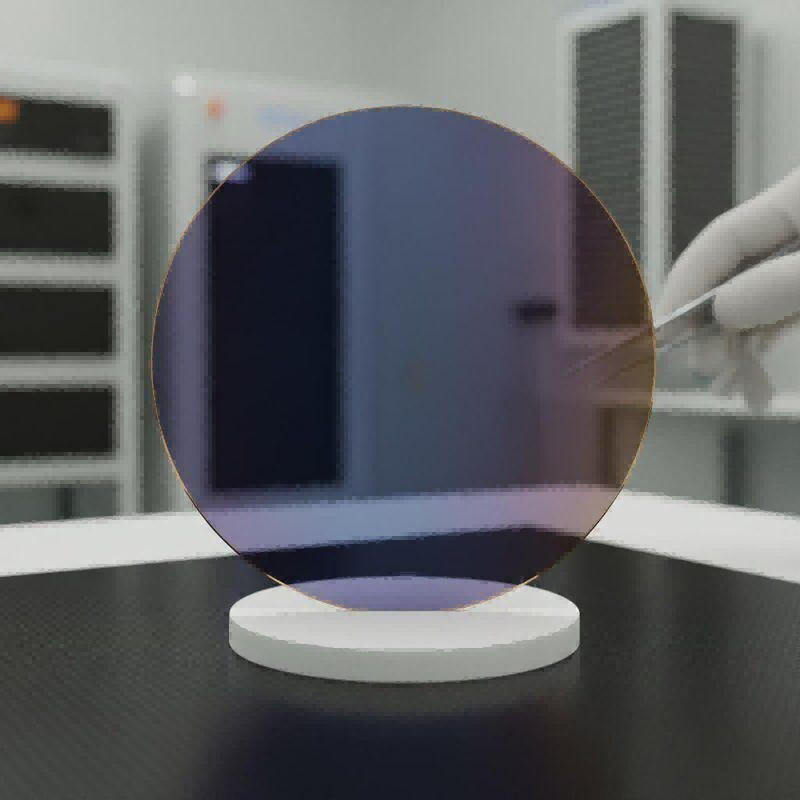
Why Silicon Carbide Is Transforming Electric Vehicle and Power Electronics Industries
The rapid growth of electric vehicles has created new challenges for automotive engineers. EV systems require power components that can handle high electrical loads while minimizing energy loss. Traditional silicon-based semiconductor devices have supported the electronics industry for decades, but they are approaching performance limitations in high-power applications.
Silicon Carbide provides a new solution because of its wide bandgap characteristics and exceptional physical properties. Compared with conventional silicon materials, Silicon Carbide devices can operate at higher temperatures and voltages while maintaining excellent efficiency.
One of the most important advantages of Silicon Carbide is its superior energy conversion capability. In electric vehicles, power inverters are responsible for converting electricity between the battery and electric motor. The efficiency of this process directly affects driving range, battery performance, and overall vehicle energy consumption.
Silicon Carbide power devices help improve EV performance through:
Higher electrical efficiency:Silicon Carbide components reduce energy losses during power conversion, allowing electric vehicles to use battery energy more effectively.
Faster switching performance:The high-frequency switching ability of Silicon Carbide enables smaller and lighter power systems, reducing the overall weight of vehicle components.
Better thermal management:Electric vehicle systems generate significant heat during operation. Silicon Carbide’s excellent thermal conductivity helps dissipate heat more efficiently, improving system reliability.
Longer operating lifespan:Due to its high-temperature resistance and chemical stability, Silicon Carbide components maintain stable performance over extended operating periods.
Beyond electric vehicles, Silicon Carbide is also becoming increasingly important in renewable energy applications. Solar inverters, wind power converters, and energy storage systems require efficient power management technologies, creating additional demand for Silicon Carbide-based solutions.
As countries worldwide accelerate clean energy development, Silicon Carbide will continue playing a key role in improving the efficiency of future energy systems.
Silicon Carbide Ceramic Applications in High-Temperature and Industrial Environments
In addition to semiconductor applications, Silicon Carbide ceramic has become a preferred material for industries requiring extreme temperature resistance, mechanical strength, and corrosion protection.
Traditional metals and ceramics often experience performance degradation when exposed to high temperatures, chemical environments, or mechanical stress. Silicon Carbide ceramics overcome many of these limitations due to their unique material structure.
One major application area is high-temperature industrial equipment. Industries such as metallurgy, chemical processing, semiconductor manufacturing, and aerospace require components that can operate reliably under harsh conditions.
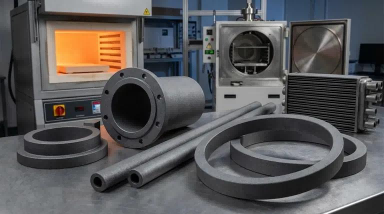
Silicon Carbide ceramics are widely used in:
- Furnace components
- Heat exchangers
- Semiconductor processing equipment
- Protective tubes and structural parts
- Wear-resistant mechanical components
The excellent thermal conductivity of Silicon Carbide allows efficient heat transfer, making it valuable in thermal management applications. At the same time, its low thermal expansion coefficient helps prevent cracking caused by rapid temperature changes.
Another important advantage is corrosion resistance. In chemical processing environments, components may be exposed to aggressive gases, acids, or molten materials. Silicon Carbide maintains excellent chemical stability, reducing replacement frequency and improving equipment reliability.
For industrial users, adopting Silicon Carbide components can significantly improve production efficiency. Although the initial investment may be higher compared with conventional materials, the extended service life and reduced maintenance requirements often provide better long-term economic benefits.
The Key Advantages of Silicon Carbide Compared with Traditional Materials
The increasing adoption of Silicon Carbide is closely related to its outstanding combination of electrical, thermal, and mechanical properties. Compared with conventional materials such as silicon, aluminum oxide, and metal alloys, Silicon Carbide provides unique advantages for advanced applications.
Exceptional hardness and wear resistance:Silicon Carbide is one of the hardest ceramic materials available. This makes it highly suitable for applications involving friction, abrasion, and mechanical impact. Components made from Silicon Carbide can maintain their structural integrity even under demanding operating conditions.
Excellent thermal conductivity:Efficient heat management is becoming increasingly important in modern electronics and industrial equipment. Silicon Carbide transfers heat effectively, helping prevent overheating and improving system stability.
High-temperature performance:Many industrial materials lose strength when exposed to extreme temperatures. Silicon Carbide maintains excellent mechanical properties at elevated temperatures, making it ideal for furnaces, aerospace systems, and thermal processing equipment.
Chemical corrosion resistance:Silicon Carbide demonstrates strong resistance against many corrosive substances. This allows it to perform reliably in chemical industries and harsh manufacturing environments.
Lightweight performance:Compared with many traditional high-strength materials, Silicon Carbide offers a favorable strength-to-weight ratio. This is particularly valuable in aerospace and electric vehicle applications where reducing weight improves efficiency.
These advantages explain why Silicon Carbide has become a strategic material in advanced manufacturing industries. From energy systems to precision equipment, its unique characteristics enable technologies that were previously difficult to achieve.
How to Select a Reliable Silicon Carbide Supplier for International Markets
With the rapid expansion of Silicon Carbide applications, global demand for high-quality Silicon Carbide materials and components continues to increase. For international buyers, selecting a reliable supplier is an important step in ensuring product performance and long-term cooperation.
A professional Silicon Carbide supplier should provide consistent material quality, advanced manufacturing capabilities, and technical support.
When evaluating suppliers, buyers should consider several important factors:
Material quality and specifications:High-quality Silicon Carbide products should have stable chemical composition, controlled particle size, excellent purity, and reliable physical properties.
Manufacturing technology:Advanced production processes directly influence product performance. Experienced manufacturers usually have professional equipment for powder preparation, ceramic forming, sintering, machining, and quality inspection.
Customization capability:Different industries require different Silicon Carbide solutions. A reliable supplier should provide customized products according to application requirements, including size, shape, density, and surface treatment.
International export experience:For global customers, suppliers with export experience can provide better communication, documentation support, packaging solutions, and logistics coordination.
As industries continue adopting advanced materials, cooperation with professional Silicon Carbide manufacturers can help companies access competitive technologies and expand their business opportunities.

Future Market Trends of Silicon Carbide in Advanced Technology Industries
The future growth potential of Silicon Carbide is closely connected with several major industrial trends, including electric mobility, renewable energy development, semiconductor innovation, and intelligent manufacturing.
The electric vehicle market is expected to remain one of the strongest drivers of Silicon Carbide demand. As EV manufacturers compete for longer driving ranges and faster charging capabilities, more efficient power electronics will become increasingly important.
The renewable energy sector will also create new opportunities. Solar power systems, energy storage solutions, and smart grids require advanced power conversion technologies where Silicon Carbide offers significant efficiency advantages.
In semiconductor manufacturing, the demand for higher-performance chips and electronic systems will further increase the importance of Silicon Carbide substrates and components.
Future Silicon Carbide technologies will focus on:
- Higher material purity
- Improved production efficiency
- Larger wafer sizes
- More cost-effective manufacturing
- Expanded industrial applications
For international traders, distributors, and industrial users, Silicon Carbide represents a high-growth opportunity within the advanced materials market. Its combination of electrical performance, thermal stability, and mechanical durability makes it one of the most promising materials supporting future technological development.
Supplier
RBOSCHCO is a trusted global Silicon Carbide ceramic supplier & manufacturer with over 12 years experience in providing super high-quality chemicals and Nanomaterials. The company export to many countries, such as USA, Canada, Europe, UAE, South Africa,Tanzania,Kenya,Egypt,Nigeria,Cameroon,Uganda,Turkey,Mexico,Azerbaijan,Belgium,Cyprus,Czech Republic, Brazil, Chile, Argentina, Dubai, Japan, Korea, Vietnam, Thailand, Malaysia, Indonesia, Australia,Germany, France, Italy, Portugal etc. As a leading nanotechnology development manufacturer, RBOSCHCO dominates the market. Our professional work team provides perfect solutions to help improve the efficiency of various industries, create value, and easily cope with various challenges. If you are looking for Silicon Carbide ceramic, please feel free to contact us.
RELATED POSTS

A Comprehensive Comparison Of Silica Powders: Vapor Phase Method Vs. Precipitation Method

Comparison Of Comprehensive Performance Of Mainstream Aerogel Powders: SiO₂ Vs. Carbon-Based Vs. Others
9 Ceramic Crucibles: An Engineer’s Guide to Processability, Failure Modes & Service Life

Market Prospects Analysis of Boron Nitride Industrial Ceramics: Growth Drivers and Trend Forecasts Towards 2030

Polycarboxylate Superplasticizer Powder vs. Traditional Water Reducer: A Performance Revolution in Building Admixtures