Professional and high-quality metal alloys, ceramic products and concrete additives | RBOSCHCO

The rapid transformation of the global energy industry has created a strong demand for materials that can operate under higher temperatures, greater electrical loads, and more challenging working conditions. Electric vehicles, renewable energy systems, charging infrastructure, and next-generation power electronics are developing at an unprecedented speed, bringing new challenges in thermal management, energy efficiency, and component reliability.
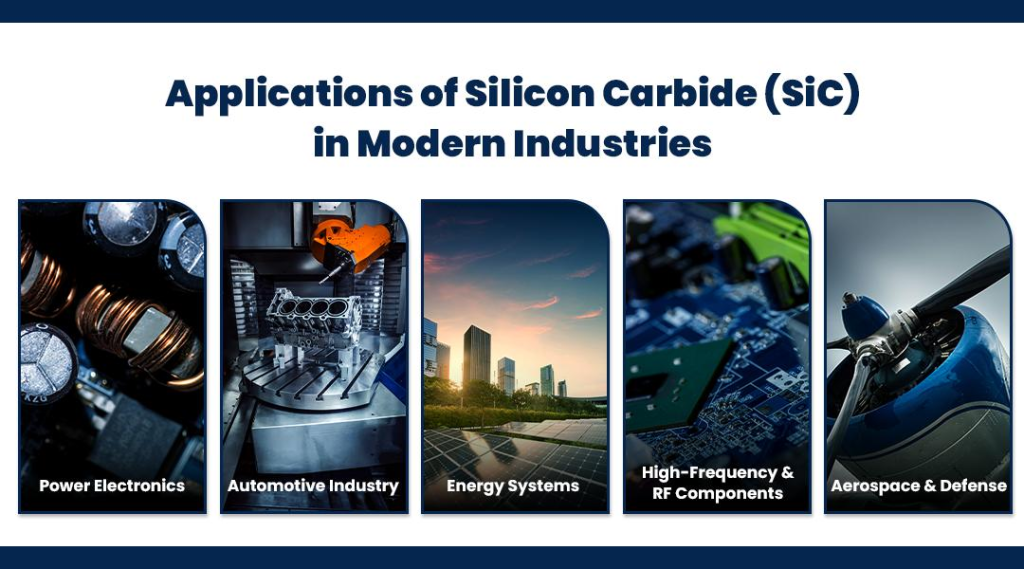
Among advanced engineering materials, Silicon Carbide (SiC) has become one of the most important semiconductor and industrial materials driving this technological revolution. With exceptional thermal conductivity, high breakdown voltage, superior hardness, excellent chemical stability, and outstanding high-temperature performance, Silicon Carbide provides a powerful alternative to traditional silicon-based materials.
The increasing adoption of electric vehicles and clean energy systems has accelerated the demand for Silicon Carbide products worldwide. Unlike conventional silicon materials, Silicon Carbide enables electronic devices to operate at higher voltages, higher frequencies, and higher temperatures while reducing energy losses. This makes it especially valuable in applications where efficiency and reliability are critical.
Beyond semiconductor applications, Silicon Carbide is also widely used in abrasive materials, ceramic components, furnace equipment, aerospace parts, and industrial wear-resistant products. Its unique physical properties allow manufacturers to improve product performance and extend service life in demanding environments.
For global buyers, distributors, and industrial users, understanding the advantages and application potential of Silicon Carbide is essential for selecting the right material solutions and maintaining competitiveness in rapidly evolving markets.
Silicon Carbide in Electric Vehicles: Improving Efficiency and Driving Performance Innovation
The electric vehicle industry has become one of the fastest-growing application fields for Silicon Carbide. As automobile manufacturers continue improving driving range, charging speed, and energy efficiency, traditional silicon-based power devices are facing increasing limitations.
Electric vehicles rely heavily on power electronic systems, including inverters, converters, and charging modules. These components control energy flow between batteries, motors, and charging systems. During operation, significant electrical losses generate heat, which can reduce efficiency and shorten component lifespan.
Silicon Carbide-based power devices provide important advantages because of their ability to handle higher voltage and temperature levels with lower energy loss. Compared with traditional silicon components, SiC devices can improve power conversion efficiency, allowing electric vehicles to achieve longer driving ranges and faster charging performance.
One of the key advantages of Silicon Carbide is its excellent thermal conductivity. Efficient heat dissipation reduces the need for large cooling systems, helping manufacturers design lighter and more compact vehicle structures.
In addition, Silicon Carbide components support higher switching frequencies. This allows engineers to develop smaller and more efficient power systems while maintaining reliable operation.
Typical automotive applications include:
- Electric vehicle inverters
- Fast charging systems
- Battery management systems
- Motor control units
- Power conversion modules
As global governments continue promoting electric mobility, demand for Silicon Carbide materials will continue increasing. Automotive manufacturers and suppliers are investing heavily in SiC technology to achieve better performance and meet future energy efficiency standards.
Why Silicon Carbide Is Becoming Essential for Renewable Energy and Power Electronics
The global transition toward renewable energy has created new challenges for power management systems. Solar power stations, wind energy equipment, and energy storage systems require highly efficient electronic components capable of operating continuously under demanding conditions.
Silicon Carbide plays an important role in solving these challenges. Its superior electrical characteristics allow power devices to manage higher energy levels while reducing transmission losses.
In solar energy systems, inverters convert electricity generated by photovoltaic panels into usable power. The efficiency of these inverters directly affects overall energy output. Silicon Carbide-based components improve conversion efficiency by reducing switching losses and heat generation.
Wind energy systems also benefit from SiC technology. Large wind turbines require reliable power conversion equipment that can operate under variable environmental conditions. Silicon Carbide provides excellent durability and stability, supporting long-term operation.
Energy storage systems represent another important application area. As battery storage capacity increases, power management systems require materials that can handle higher electrical loads. Silicon Carbide helps improve system efficiency and reliability.
The major advantages of Silicon Carbide in renewable energy include:
- Higher energy conversion efficiency
- Reduced power loss
- Better thermal management
- Longer equipment lifespan
- Improved system reliability
With increasing global investment in clean energy infrastructure, Silicon Carbide is becoming a key material supporting the development of a more efficient energy future.

Silicon Carbide Ceramic Applications in High-Temperature and Industrial Environments
Although Silicon Carbide is widely recognized for semiconductor applications, its ceramic forms are also highly valuable in industrial environments requiring extreme performance.
Silicon Carbide Ceramic is known for its excellent hardness, wear resistance, and temperature stability. These properties make it suitable for applications where conventional metals and ceramics may fail.
In high-temperature industries, equipment components are exposed to continuous thermal stress, oxidation, and chemical corrosion. Silicon Carbide Ceramic maintains structural integrity even under severe operating conditions, making it an ideal material for furnace components, heat exchangers, and protective structures.
The metallurgical industry uses Silicon Carbide products because of their resistance to thermal shock and molten materials. Furnace linings, heating elements, and support components made from SiC can operate for extended periods without significant degradation.
The chemical industry also benefits from Silicon Carbide due to its corrosion resistance. Components exposed to aggressive chemicals require materials that can maintain performance over time.
Common industrial applications include:
- High-temperature furnace components
- Heat exchanger tubes
- Mechanical seals
- Wear-resistant parts
- Semiconductor processing equipment
The combination of mechanical strength, thermal stability, and chemical resistance makes Silicon Carbide one of the most versatile advanced materials available today.
Silicon Carbide Manufacturing Technologies and Quality Considerations for Global Buyers
For international customers, choosing the right Silicon Carbide supplier requires understanding manufacturing processes and quality standards. Different applications require different SiC grades, structures, and performance characteristics.
Silicon Carbide products can be manufactured through various processes, including sintering, reaction bonding, and recrystallization. Each manufacturing method provides different advantages depending on the application.
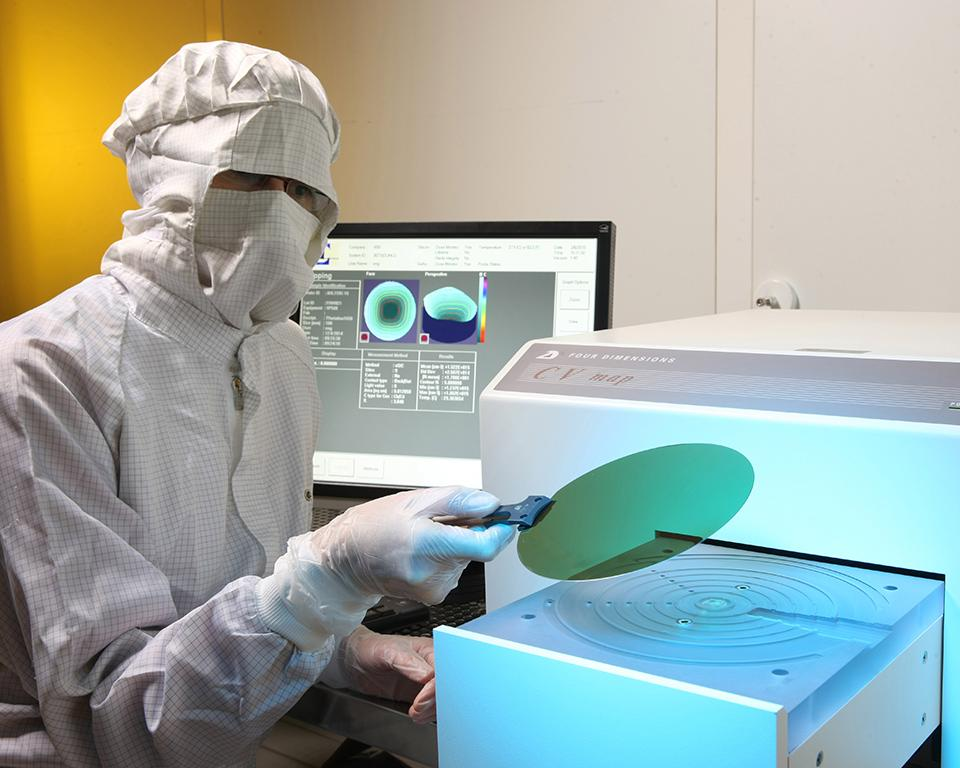
For semiconductor-grade Silicon Carbide, material purity and crystal quality are extremely important. Even small defects can affect electronic performance, making strict production control necessary.
For industrial ceramic applications, factors such as density, mechanical strength, thermal conductivity, and dimensional accuracy determine product reliability.
Professional Silicon Carbide manufacturers usually conduct comprehensive quality testing, including:
- Chemical composition analysis
- Crystal structure inspection
- Thermal conductivity testing
- Mechanical strength evaluation
- Surface quality inspection
Customized production is also becoming increasingly important. Different industries require specific shapes, sizes, and performance characteristics.
Reliable suppliers provide technical support, customization services, and international export experience to help customers achieve the best application results.
For distributors and industrial companies, working with experienced Silicon Carbide manufacturers ensures stable supply, consistent quality, and long-term business value.
Future Market Opportunities for Silicon Carbide in Advanced Technologies
The future development of Silicon Carbide is closely connected with major global technology trends, including electrification, artificial intelligence, renewable energy, and advanced manufacturing.
The expansion of electric vehicles will remain one of the strongest growth drivers. As manufacturers seek faster charging, longer battery life, and higher efficiency, Silicon Carbide technology will become increasingly important.
The semiconductor industry is also accelerating SiC adoption because advanced electronic systems require materials capable of supporting higher power density and improved energy efficiency.
Industrial applications will continue growing as companies look for materials that can withstand extreme temperatures, mechanical wear, and chemical exposure.
Future Silicon Carbide development will focus on:
- Higher material purity
- Improved manufacturing efficiency
- Lower production costs
- Larger-scale industrial adoption
- Customized application solutions
For global companies involved in electronics, automotive, energy, and industrial manufacturing, Silicon Carbide represents a strategic material opportunity. Its unique combination of electrical, thermal, and mechanical properties makes it one of the most promising materials for future high-performance technologies.
Supplier
RBOSCHCO is a trusted global Silicon Carbide ceramic supplier & manufacturer with over 12 years experience in providing super high-quality chemicals and Nanomaterials. The company export to many countries, such as USA, Canada, Europe, UAE, South Africa,Tanzania,Kenya,Egypt,Nigeria,Cameroon,Uganda,Turkey,Mexico,Azerbaijan,Belgium,Cyprus,Czech Republic, Brazil, Chile, Argentina, Dubai, Japan, Korea, Vietnam, Thailand, Malaysia, Indonesia, Australia,Germany, France, Italy, Portugal etc. As a leading nanotechnology development manufacturer, RBOSCHCO dominates the market. Our professional work team provides perfect solutions to help improve the efficiency of various industries, create value, and easily cope with various challenges. If you are looking for Silicon Carbide ceramic, please feel free to contact us.
Tags:Silicon Carbide ceramic components supplier for high temperature industries,Industrial Silicon Carbide material supplier for renewable energy systems
RELATED POSTS
Research on the Structural Characteristics and Thickening Application of Hydrophobic Modified Hydroxyethyl Cellulose

How to Improve Conductivity & Corrosion Resistance? Try Titanium Copper Clad Plate
Silicon Carbide Ceramic vs. Silicon Nitride: A Comprehensive Comparison for Industrial Applications

Lithium Nitride Powder Ignites Global Energy Revolution: Why Li₃N Is Redefining Industrial Priorities

Copper Nickel vs Stainless Steel: Which is Better for Saltwater?
