Professional and high-quality metal alloys, ceramic products and concrete additives | RBOSCHCO

Hydrophobic Modified Hydroxyethyl Cellulose (HMHEC) is a new type of associative polymer additive that undergoes hydrophobic group grafting modification on ordinary hydroxyethyl cellulose. It is also one of the mainstream associative thickeners at present. Ordinary hydroxyethyl cellulose relies solely on molecular chain winding to achieve thickening, with single performance, poor water resistance, and limited rheological properties, making it difficult to meet the high standard requirements of high-end coatings, cosmetics, and fine chemicals. And hydrophobic modified hydroxyethyl cellulose introduces hydrophobic groups, relying on a unique associative thickeners mechanism, which combines the dual effects of polymer thickening and interfacial association, effectively filling the performance gap of traditional cellulose thickeners. At present, this material is not only widely used in water-based industrial coatings and architectural coatings, but also as the core raw material for high-end formulations of hydroxyethyl cellulose in cosmetics.
Molecular structural characteristics of hydrophobic modified hydroxyethyl cellulose
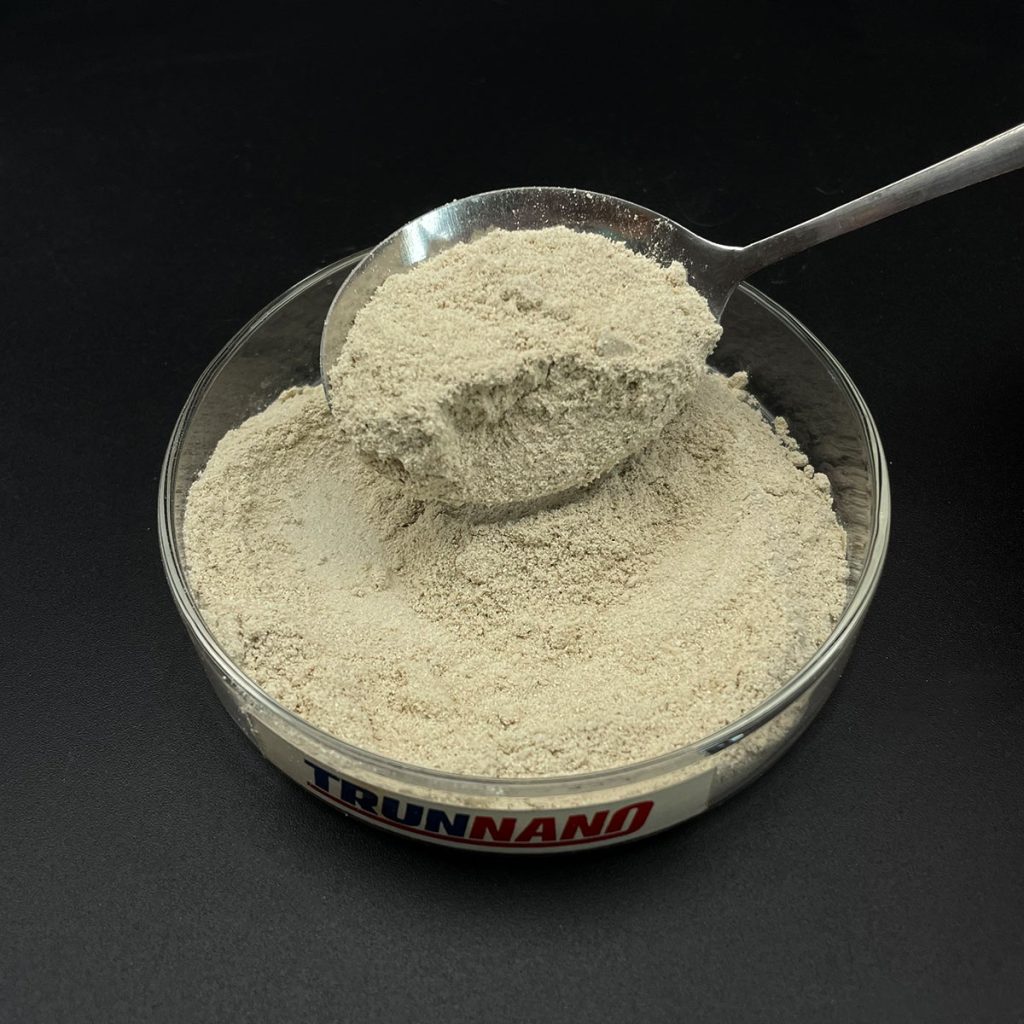
HMHEC is a water-soluble polymer compound synthesized by a dual modification process of hydroxyethyl etherification and hydrophobic group grafting using natural cellulose as the skeleton. Its structure is different from ordinary hydroxyethyl cellulose, and it has both hydrophilic main chains and hydrophobic side chains, which is the core foundation for achieving high-performance thickening through association.
1. Hydrophilic main chain structure
HMHEC retains the hydrophilic hydroxyethyl groups of traditional hydroxyethyl cellulose, and its main chain has strong water solubility. It can quickly swell, disperse, and dissolve in room temperature water without the need for high temperature heating, and its dissolution efficiency is much better than that of traditional cellulose. The hydrophilic main chain can fully stretch in aqueous systems, forming a network-like molecular structure, achieving basic thickening, water retention, and suspension effects, ensuring the stability of the system foundation, and adapting to the vast majority of water-based industrial systems and daily chemical formulas.
2. Hydrophobic side chain modified structure
Compared with ordinary hydroxyethyl cellulose, the biggest structural feature of HMHEC is the grafting of trace long-chain hydrophobic alkyl groups on the molecular chain. These hydrophobic groups are distributed on both sides of the polymer chain segment and spontaneously aggregate and associate with each other in aqueous systems, forming a physical network structure. The dual parent structure of “hydrophilic main chain+hydrophobic side chain” allows HMHEC to overcome the limitations of simple molecular entanglement thickening and truly possess the core structural characteristics of associative thickeners, which is also the fundamental reason for its superior rheological properties.
3. Stable three-dimensional network structure
When HMHEC is fully dissolved in the aqueous system, the hydrophilic chains of the molecules stretch and disperse, and the hydrophobic groups overlap and bind with each other, constructing a stable three-dimensional network structure. This structure has high strength and good stability, which can effectively lock in the moisture and powder particles of the system, greatly improve the viscosity and suspension stability of the system, and is not prone to problems such as layering, settling, and sagging. The structural stability far exceeds that of ordinary cellulose thickeners.
Core performance advantages of hydrophobic modified hydroxyethyl cellulose
Based on its unique parental molecular structure, HMHEC outperforms conventional hydroxyethyl cellulose in terms of thickening stability, rheological control, water resistance, and adaptability, making it suitable for high-end industrial and daily chemical scenarios.
1. Efficient combination thickening, low dosage and high efficiency
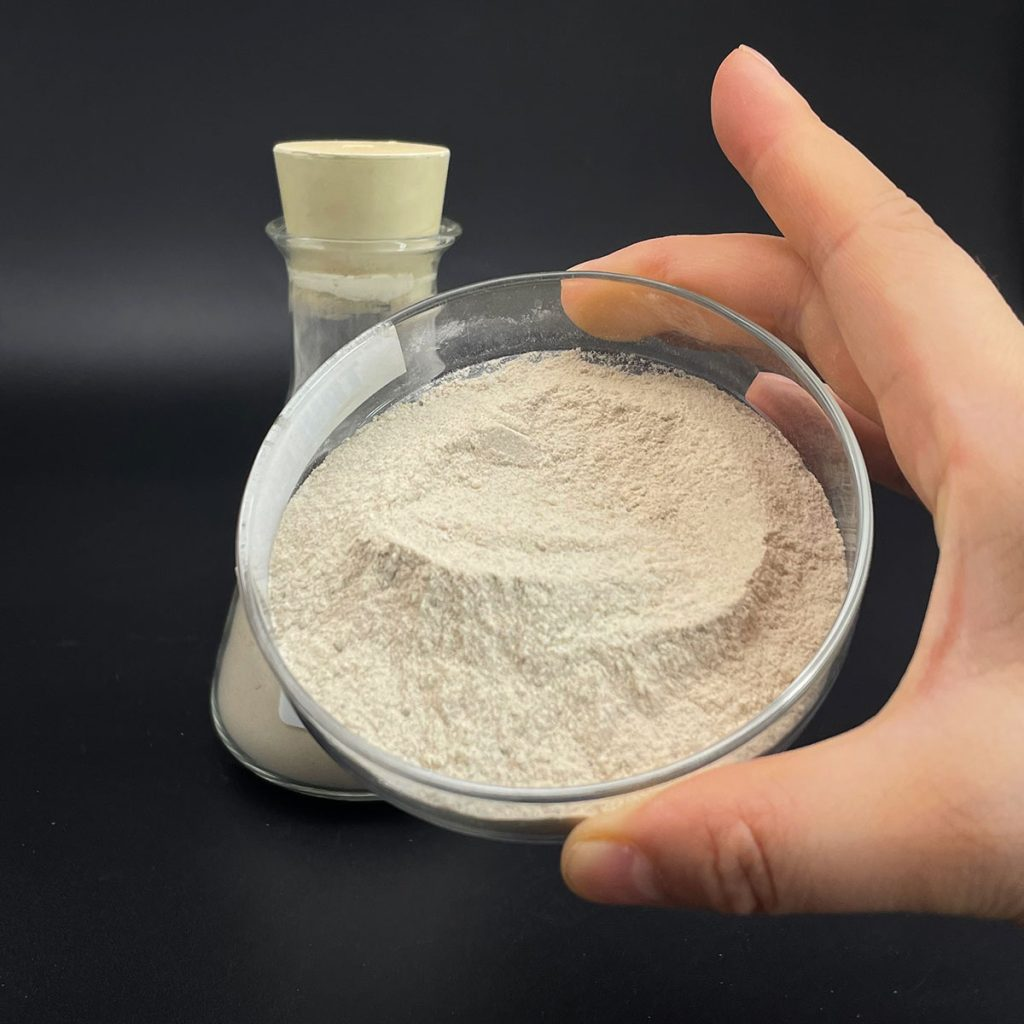
By relying on the associative thickening mechanism, HMHEC can achieve significant thickening effects at extremely low dosages. Ordinary hydroxyethyl cellulose relies on molecular physical winding for thickening, with low thickening efficiency and large dosage; HMHEC forms a three-dimensional network through intermolecular hydrophobic association, with a higher thickening ratio and more stable system viscosity, effectively reducing the amount of formula added and saving production costs. At the same time, the viscosity of the thickened system is even, without local agglomeration and gel particles, and the texture of the finished product is more delicate.
2. Excellent rheological properties and strong resistance to sagging
HMHEC has excellent thixotropy and shear-thinning properties, a stable molecular binding structure in a static state, high system viscosity, and can effectively prevent coating and slurry from sagging and settling. Under the action of construction shear, the binding structure temporarily stretches, the viscosity decreases, and the coating is smooth and has good leveling properties. After the construction is completed, the structure quickly recovers, effectively solving the industry pain points of traditional thickeners, such as “easy accumulation of leveling differences and weak sagging”, and perfectly adapting to various construction processes, such as spraying, roller coating, and brush coating.
3. Improved water and temperature resistance, high system stability
Ordinary hydroxyethyl cellulose has too many hydrophilic groups, resulting in poor water resistance of the finished product. It is prone to sticking, whitening, and peeling when exposed to water. After introducing hydrophobic groups into HMHEC, the water resistance and weather resistance of the system are significantly improved. After film formation, hydrophobic groups accumulate on the surface of the coating, effectively blocking water vapor penetration. At the same time, it has excellent temperature stability, low viscosity attenuation in high and low temperature environments, and is not prone to high temperature thinning and low temperature gel problems. It is suitable for production and use under complex conditions.
4. Strong compatibility, compatible with multiple formulas
HMHEC has stable chemical properties, excellent compatibility with various water-based resins, lotions, pigments and fillers, and surfactants, and will not have adverse reactions with formula raw materials. At the same time, it is compatible with acid-base neutral full pH systems and can be widely used with coating additives and daily chemical raw materials. It does not break the emulsion, does not flocculate, and does not affect the color of the system. The formula has a very high fault tolerance rate.
Deep analysis of the mechanism of agglomeration thickening
The core value of hydrophobic modified hydroxyethyl cellulose lies in its associative thickening mechanism, which differs from the physical thickening of traditional cellulose and belongs to a dual thickening mode of physical association and structural enhancement. In aqueous systems, HMHEC hydrophobic groups spontaneously undergo intermolecular and intramolecular binding, forming reversible physical network structures. In a static state, the binding structure is intact, the system viscosity is high, and the stability is strong. When subjected to shear external forces, the binding structure temporarily dissociates, the viscosity of the system decreases, and the construction fluidity is improved. After the external force disappears, the structure quickly reassembles and recovers, achieving excellent thixotropy and anti-sagging performance. This reversible binding mechanism is the core principle of HMHEC that balances workability and storage stability.
The mainstream industrial application of hydrophobic modified hydroxyethyl cellulose
1. Industrial application of water-based coatings
In architectural latex paint, water-based industrial paint, and anti-corrosion coatings, HMHEC serves as the main thickener and rheological agent, effectively improving the storage stability of the coating, preventing pigment settling and layering, optimizing the brushing feel and leveling effect, and enhancing the smoothness, scrub resistance, and water resistance of the paint film. It is the core additive of high-end, environmentally friendly water-based coatings.
2. Application of Cosmetics Formulas
As a high-quality cosmetic raw material, HMHEC can be used in lotion, face cream, toner and other products to thicken, stabilize foam, moisturize, suspend and improve skin feel. Compared to ordinary hydroxyethyl cellulose, its paste is finer, more stable, and has no sticky residue. It is gentle, safe, and non-irritating, meeting the needs of high-end daily chemical formulas.
3. Fine Chemicals and Other Fields
HMHEC can also be applied in the fields of water-based slurries, adhesives, water-based inks, building materials, insulation mortar, etc., playing a role in thickening and retaining water, preventing settlement, and improving molding stability, effectively optimizing product process performance and finished product quality.
Supplier
RBOSCHCO is a trusted global Hydrophobic Modified Hydroxyethyl Cellulose supplier & manufacturer with over 12 years of experience in providing super high-quality chemicals and Nanomaterials. The company export to many countries, such as USA, Canada, Europe, UAE, South Africa, Tanzania, Kenya, Egypt, Nigeria, Cameroon, Ugand, Turkey, Mexico, Azerbaijan Be lgium, Cyprus, Czech Republic, Brazil, Chile, Argentina, Dubai, Japan, Korea, Vietnam, Thailand, Malaysia, Indonesia, Australia, Germany, France, Italy, Portugal etc. As a leading nanotechnology development manufacturer, RBOSCHCO dominates the market. Our professional work team provides perfect solutions to help improve the efficiency of various industries, create value, and easily cope with various challenges. If you are looking for Hydrophobic Modified Hydroxyethyl Cellulose, please feel free to contact us.
RELATED POSTS
Ceramic Plates: Features, Applications, Price, and Supplier Information

Technical Guide: How To Choose The Particle Size Of Boron Carbide Podwer According To The Application?

Aluminum Nitride vs Silicon Carbide Plates: Properties, Applications & Key Differences

α Phase Silicon Carbide and β Phase Silicon Carbide: From Crystal Framework to Efficiency Distinctions
Lithium Nitride Powder Ignites Global Energy Revolution: Why Li₃N Is Redefining Industrial Priorities