Professional and high-quality metal alloys, ceramic products and concrete additives | RBOSCHCO

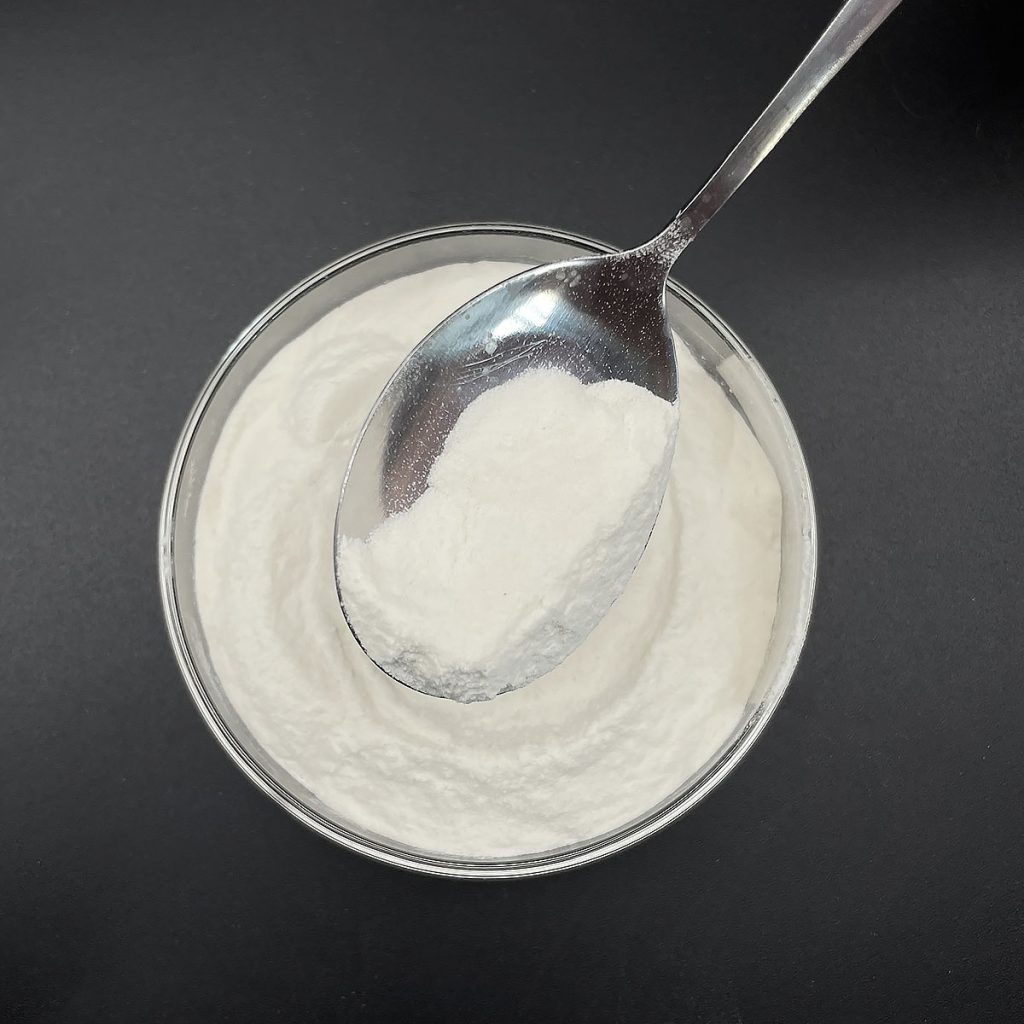
Zinc stearate powder is the most widely used metal soap functional additive in the industrial field. With stable physical and chemical properties, a moderate melting point of zinc stearate, excellent lubrication and demolding, hydrophobic and anti-caking characteristics, it has become a core universal raw material in industries such as rubber, coatings, building materials, chemicals, and glass accessories. Different from lotion zinc stearate, the powder product has a long storage period, low transportation cost, and is suitable for dry mixing, melting, filling and other processes, with strong industrial compatibility. To assist production enterprises in fully mastering the use of zinc stearate powder, standardizing the usage process, and avoiding production failures.
Summary of Core Industrial Applications of Zinc Stearate Powder
The use of zinc stearate powder covers multiple industrial fields, with core functions focused on lubrication, demolding, dispersion leveling, hydrophobic and moisture-proof, anti-caking, wear-resistant modification, etc. It is suitable for the vast majority of industrial formulas and molding processes.
1. Rubber processing, demolding and lubrication application
The rubber and plastic industry is the main application scenario for zinc stearate powder. As a classic internal release agent, it can be uniformly dispersed in polymer raw materials such as PVC, PE, PP, rubber, etc. During the high-temperature melt forming process, it relies on the suitable melting point characteristics to uniformly melt and spread, forming a lubricating isolation layer at the mold interface, effectively eliminating problems such as sticking to the mold, pulling hair, and burrs, greatly improving the efficiency of product release. At the same time, it can optimize resin fluidity, reduce energy consumption of extrusion, injection molding, and compression molding equipment, improve surface glossiness and flatness of products, and is widely used in the large-scale production of plastic profiles, rubber products, injection molded parts, and foam materials.
2. Application of Coatings and Ink Additives
In industrial coatings, powder coatings, and printing ink systems, zinc stearate powder can be used as a dispersant, polishing agent, and anti-settling agent. The powder has high fineness and good dispersibility, which can assist in the uniform dispersion of pigments and fillers, prevent pigment aggregation and sedimentation, and improve the stability of the coating system. After the coating is formed, it can enhance the abrasion resistance, scratch resistance and anti-aging performance of the paint film, improve the smoothness of the paint polishing and avoid the problem of grinding off powder and exposing the bottom. It is a commonly used auxiliary for wood paint, industrial anti-corrosion paint, and powder paint.
3. Application of Glass Putty Special Filling Modification
Zinc stearate powder is a specialized core material for the production of glass putty. In the formula of glass putty, it can effectively improve the smoothness, flexibility, and adhesion of putty paste, improve the scraping performance of putty construction, and prevent putty cracking, powdering, and peeling. At the same time, it has excellent hydrophobic and moisture-proof effects, which can improve the weather resistance and sealing performance of glass putty, avoid delamination and water leakage caused by water vapor penetration, and is widely used in scenarios such as door and window glass sealing and curtain wall glass filling.
4. Application of Building Materials and Waterproof Materials
Zinc stearate powder can be used as a hydrophobic modifier and lubricant in insulation mortar, waterproof powder, rubber insulation materials, and gypsum products. It can reduce the water absorption rate of building materials, improve waterproof and moisture-proof performance, optimize the flowability of dry powder materials, prevent powder agglomeration from getting damp, improve the compactness and structural stability of building materials, effectively extend the service life of building materials, and adapt to the production of various green and energy-saving building materials.
5. Auxiliary applications in the daily chemical and fine chemical industries
Industrial-grade high-purity stearic acid zinc powder can be used in basic daily chemical powders, industrial polishing materials, and composite additive formulations. It plays a role in anti-caking, smooth filling, and oil adsorption, improving the looseness of powder materials, preventing storage agglomeration, optimizing product texture, and adapting to various fine chemical powder processing and production.
Common problems and solutions for high-frequency use of zinc stearate powder
In actual industrial production, due to factors such as melting point characteristics, addition amount, stirring process, and raw material quality, zinc stearate is prone to problems such as uneven dispersion, whitening of products, and agglomeration failure. Targeted solutions can effectively improve production yield.
1. Uneven dispersion of powder, resulting in agglomerated particles
This problem is often caused by insufficient mixing temperature, rapid feeding, and moisture absorption of the powder. Zinc stearate has a specific melting point, poor melting dispersion at low temperatures, and is prone to clumping and agglomeration when quickly fed. Solution: Before production, ensure that the powder is dry and free from moisture. Adopt a slow feeding method in batches, adjust the stirring temperature according to the melting point range of the material, extend the high-speed stirring time, ensure that the powder is fully integrated with the substrate, and prevent local agglomeration.
2. Whitening, frosting, and decreased glossiness on the surface of the product
The core reason for whitening and frosting is that the amount of zinc stearate added exceeds the system compatibility threshold, causing excess powder to precipitate onto the surface of the product. At the same time, excessive impurities in low-purity powders can also lead to a decrease in the gloss of paint films and rubber products. Solution: Strictly control the addition ratio, with the industrial conventional addition amount controlled at 0.2% -1.5%, and fine-tune according to the formula; Prioritize the use of high-purity and low free acid powder to avoid impurities from precipitating and affecting the appearance of the finished product.
3. Unstable demolding effect under high temperature conditions
Some enterprises experience demolding failure during high-temperature molding, mainly due to the mismatch with the melting point characteristics of zinc stearate. Excessive temperature can lead to rapid decomposition and failure of the powder, while low temperature cannot fully melt and form a lubricating layer. Solution: Select zinc stearate products with suitable melting points according to the production process temperature, and use refined powders with higher thermal stability for the high-temperature molding process to ensure stable lubrication and demolding performance throughout the entire process.
4. Moisture absorption, agglomeration, failure and deterioration during storage
After absorbing moisture, zinc stearate powder is prone to agglomeration, losing its fluidity and dispersibility, which directly affects its effectiveness. Especially in humid environments, powders are prone to water absorption and agglomeration, leading to the formation of particles and defects in the added system. Solution: The finished product should be sealed and stored in a dry manner, away from damp and high-temperature environments. After opening, it should be used as soon as possible. If the powder becomes damp and clumps, it should be crushed and sieved before use. If the product is severely damp, it should be discarded directly to avoid affecting production quality.
5. Poor compatibility with some systems and occurrence of layering
Zinc stearate is a hydrophobic powder that is prone to delamination and floating in some highly polar aqueous systems. Solution: Water-based systems should be used with dispersants first, or modified and adapted zinc stearate should be selected to avoid direct dry feeding. Pre-mixing and dispersion should be carried out in advance to improve system compatibility and prevent delamination and emulsion breaking.
General precautions for industrial use
In industrial applications, precise selection based on the scene, strict control of addition ratios, and standardized storage processes are required. Rubber demolding focuses on high lubrication and thermally stable powders; Paint polishing focuses on high fineness and high whiteness powders; Glass putty focuses on highly flexible and hydrophobic powders. At the same time, strictly control the production temperature, adapt to the melting point characteristics of zinc stearate, eliminate problems such as excessive addition, low-temperature non-melting, and high-temperature decomposition, maximize product performance, and reduce production losses and defect rates.
Supplier
RBOSCHCO is a trusted global zinc stearate powder supplier & manufacturer with over 12 years of experience in providing super high-quality chemicals and Nanomaterials. The company export to many countries, such as USA, Canada, Europe, UAE, South Africa, Tanzania, Kenya, Egypt, Nigeria, Cameroon, Ugand, Turkey, Mexico, Azerbaijan Be lgium, Cyprus, Czech Republic, Brazil, Chile, Argentina, Dubai, Japan, Korea, Vietnam, Thailand, Malaysia, Indonesia, Australia, Germany, France, Italy, Portugal etc. As a leading nanotechnology development manufacturer, RBOSCHCO dominates the market. Our professional work team provides perfect solutions to help improve the efficiency of various industries, create value, and easily cope with various challenges. If you are looking for zinc stearate powder, please feel free to contact us.
RELATED POSTS

Changing Industries: Zirconia Porcelain’s Unrivaled Mastery in Modern Production
Research on the Structural Characteristics and Thickening Application of Hydrophobic Modified Hydroxyethyl Cellulose
5 Keys to Consider When Choosing a Water Reducer for Your Project

Understanding the Waterproofing Mechanism of Calcium Stearate Powder in Concrete: From Pore Structure to Hydrophobic Effect
Application of Nano-Silicon Powder in Solar Cells: Potential Products for Price Reduction and Efficiency Enhancement
