Professional and high-quality metal alloys, ceramic products and concrete additives | RBOSCHCO

In today’s busy industrial setting, the demand for high-performance materials is at an all-time high. Engineers and suppliers are looking for products that can hold up against extreme conditions, improve performance, and lower functional costs. Two materials that have gotten considerable interest as a result of their unique properties and advantages are Silicon Nitride (Si3N4) and Silicon Carbide (SiC). Both of these sophisticated porcelains are renowned for their phenomenal mechanical toughness, thermal stability, and chemical resistance, yet they master different applications and settings.
In this post, we will certainly supply an extensive contrast of Silicon Nitride and Silicon Carbide, concentrating on their homes, performance, and applications. By comprehending the strengths and restrictions of both materials, you can make even more informed choices when choosing the best product for your service needs. This contrast will certainly aid you comprehend how these products compare to each other in various commercial industries and allow you to choose one of the most appropriate product for your certain application.
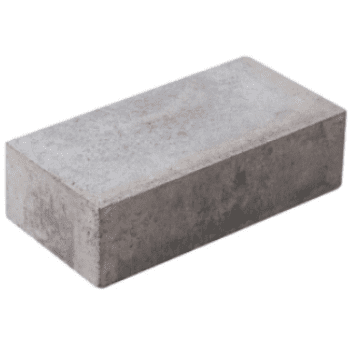
What is Silicon Nitride?
Silicon Nitride (Si3N4) is a non-oxide ceramic product made up of silicon and nitrogen. It is among the most innovative and extensively utilized ceramic materials, providing exceptional mechanical buildings, high fracture sturdiness, and superb thermal shock resistance. Silicon Nitride is typically generated with a high-temperature sintering process, that makes it suitable for use in demanding applications where stamina and resilience are paramount.
Trick Quality of Silicon Nitride:
High Strength and Toughness: Silicon Nitride has an one-of-a-kind microstructure that gives exceptional crack sturdiness and bending strength, making it an optimal choice for high-stress applications.
Superb Thermal Stability: Si3N4 can hold up against extreme temperatures and thermal biking without degrading, making it suitable for applications that call for warmth resistance.
Low Thermal Growth: Silicon Nitride has a reduced coefficient of thermal development, allowing it to preserve its structural integrity when based on rapid temperature modifications.
Deterioration and Wear Resistance: Silicon Nitride is extremely resistant to chemical corrosion and wear, making it suitable for rough operating settings.
Electrical Insulation: As an insulating product, Silicon Nitride is extensively made use of in electronic components where electrical insulation is needed.
| Category | Unit | Reaction-sintered silicon carbide | Recrystallized silicon carbide | Silicon nitride and silicon carbide composites |
| Content | % | 90 | 99 | 75 |
| Density | kg/dm3 | 3.02 | 2.7 | 2.75 |
| Porosity | Vol% | ≤0.1 | 15 | 11 |
| Hardness | Kg/mm2 | 2400 | 1800 – 2000 | 2500 |
| Flexural Strength (point) – 20°C | Mpa | 250 | 80 – 100 | 165 |
| Flexural Strength (point) – 1200°C | Mpa | 280 | 90 – 110 | 175 |
| Elastic Modulus | GPa | 330 | 280 | 250 |
| Fracture Toughness | MPa/m1/2 | 3.3 | 1.8 – 2.0 | 4 |
| Thermal Conductivity – 20°C | W/(m∗K) | 120 | 100 | 38 |
| Thermal Conductivity – 1200°C | W/(m∗K) | 45 | 35 | 20 |
| Operating Temperature (Air) | ∘C | 1380 | 1650 | 1500 |
| Coefficient of Thermal Expansion (20 – 1200°C) | K−1∗10−6 | 4.5 | 4.6 | 4.7 |
What is Silicon Carbide?
Silicon Carbide (SiC), additionally referred to as carborundum, is a substance made from silicon and carbon. It is a very durable product understood for its firmness, high thermal conductivity, and resistance to put on and rust. Silicon Carbide is generated via a high-temperature reaction of silicon and carbon, making it a highly versatile material for a range of industrial applications.
Secret Quality of Silicon Carbide:
Severe Hardness: Silicon Carbide is one of the hardest recognized products, exceeding numerous metals and porcelains in regards to solidity. This makes it perfect for abrasive applications and reducing devices.
Superior Thermal Conductivity: SiC has excellent thermal conductivity, making it an outstanding product for high-heat applications such as warmth exchangers and semiconductor devices.
High Temperature Resistance: Silicon Carbide is able to endure very high temperatures without substantial deterioration, making it suitable for usage in heater linings and aerospace applications.
Chemical Resistance: SiC is extremely resistant to chemical rust, particularly in high-temperature and chemically aggressive environments.
Electric Conductivity: Unlike Silicon Nitride, Silicon Carbide can show some level of electrical conductivity under specific conditions, making it suitable for certain electronic applications.
Contrasting Silicon Nitride and Silicon Carbide
While both Silicon Nitride and Silicon Carbide are utilized in a variety of commercial applications, they each have unique advantages depending on the details needs of the application. Let’s compare these two sophisticated materials in terms of a number of vital residential or commercial properties and performance variables.
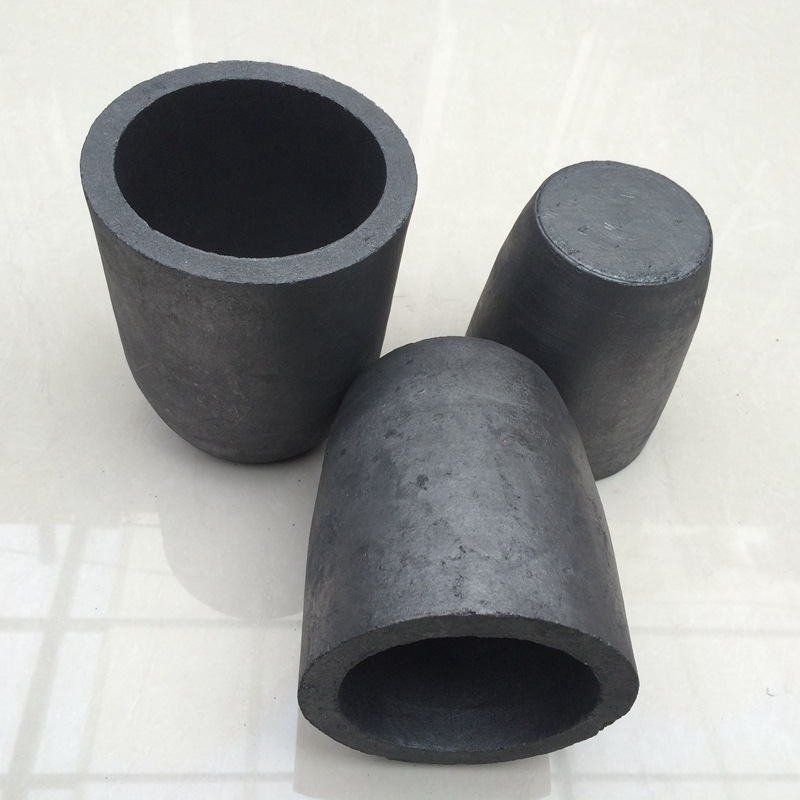
1. Mechanical Properties
Both products offer superior mechanical buildings, but they master various locations. Silicon Nitride is especially recognized for its high crack durability and bending toughness, that make it a superb choice for applications where impact resistance is necessary. It is also more immune to fracturing under stress, making it suitable for components subjected to high mechanical forces.
On the other hand, Silicon Carbide is one of the hardest recognized materials, with a hardness score of concerning 9.0 on the Mohs range. This makes it the perfect option for unpleasant applications such as grinding wheels, cutting devices, and wear-resistant coverings. However, its firmness likewise makes it a lot more fragile, indicating it is much less immune to fracture under high-impact problems contrasted to Silicon Nitride.
2. Thermal Features
Both materials have excellent thermal residential or commercial properties, however their efficiency differs depending on the application. Silicon Nitride has a reduced coefficient of thermal development compared to Silicon Carbide, meaning it broadens and acquires less with temperature fluctuations. This makes Si3N4 perfect for applications where thermal shock resistance is important, such as in engine parts and turbine blades.
Silicon Carbide, nonetheless, flaunts premium thermal conductivity, making it much better fit for high-heat settings where efficient warmth dissipation is needed. This makes SiC an exceptional material for applications such as warm exchangers, high-power semiconductor devices, and electronics that call for rapid warm transfer.
3. Use and Corrosion Resistance
When it involves put on and rust resistance, both Silicon Nitride and Silicon Carbide execute well, however there are distinctions. Silicon Nitride’s wear resistance is boosted by its high strength and fracture toughness, making it excellent for components based on high wear, such as bearings, seals, and mechanical parts in severe conditions.
Silicon Carbide, as a result of its severe solidity, also uses excellent wear resistance, specifically in unpleasant environments. In addition, its corrosion resistance is specifically noteworthy in high-temperature and chemically hostile environments, making it suitable for applications in chemical handling, furnace linings, and rough blasting.
4. Electrical Qualities
Silicon Nitride is an outstanding electric insulator, that makes it a prominent choice for use in digital components that require high levels of insulation, such as substrates for integrated circuits and insulators for power transmission lines.
Silicon Carbide, on the other hand, exhibits some level of electrical conductivity, which is beneficial in certain electronic applications, such as in semiconductor tools. SiC’s ability to withstand high voltages and currents makes it optimal for usage in power digital devices, such as diodes, transistors, and high-frequency tools.
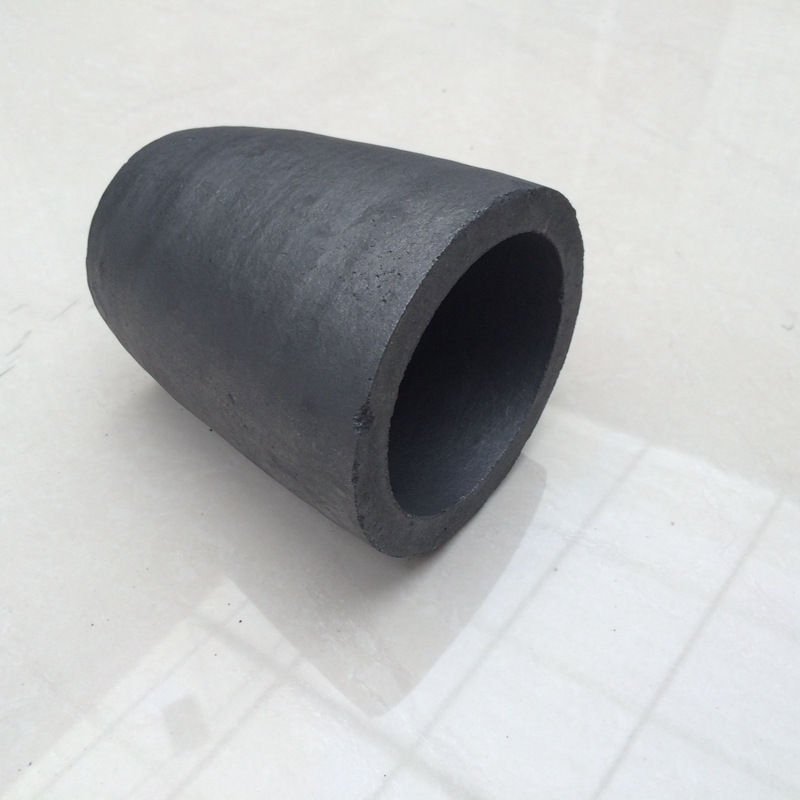
5. Price and Schedule
In terms of price, Silicon Carbide is normally more expensive to create due to the high-energy needed to manufacture it. It is frequently utilized in even more customized applications where its extreme firmness and thermal properties justify the greater price.
Silicon Nitride, while still a costs product, is typically less expensive than Silicon Carbide and provides a much better equilibrium of mechanical properties, thermal stability, and electric insulation. This makes it a more economical choice for applications that do not need the severe firmness of SiC however still demand high stamina and resistance to thermal shock.
Applications of Silicon Nitride and Silicon Carbide
Both Silicon Nitride and Silicon Carbide are utilized in various industries, but their unique homes make them much better fit for particular applications.
Silicon Nitride Applications:
1. Aerospace: Used in generator blades, rocket engines, and other high-temperature elements.
2. Automotive: Suitable for engine components, bearings, and seals.
3. Electronics: Utilized as substrates for electronic tools and insulators for power electronic devices.
4. Medical: Used in orthopedic implants, dental tools, and wear-resistant parts.
5. Industrial: Bearings, reducing tools, and wear-resistant components in extreme environments.
Silicon Carbide Applications:
1. Semiconductors: Used in power electronic tools, such as diodes and transistors, because of its high-temperature tolerance and electric conductivity.
2. Aerospace: Used in high-temperature applications such as heat shields, rocket nozzles, and turbine blades.
3. Production: Grinding wheels, cutting tools, and wear-resistant linings for commercial machines.
4. Power: High-power electric systems and tools, consisting of inverters and transformers.
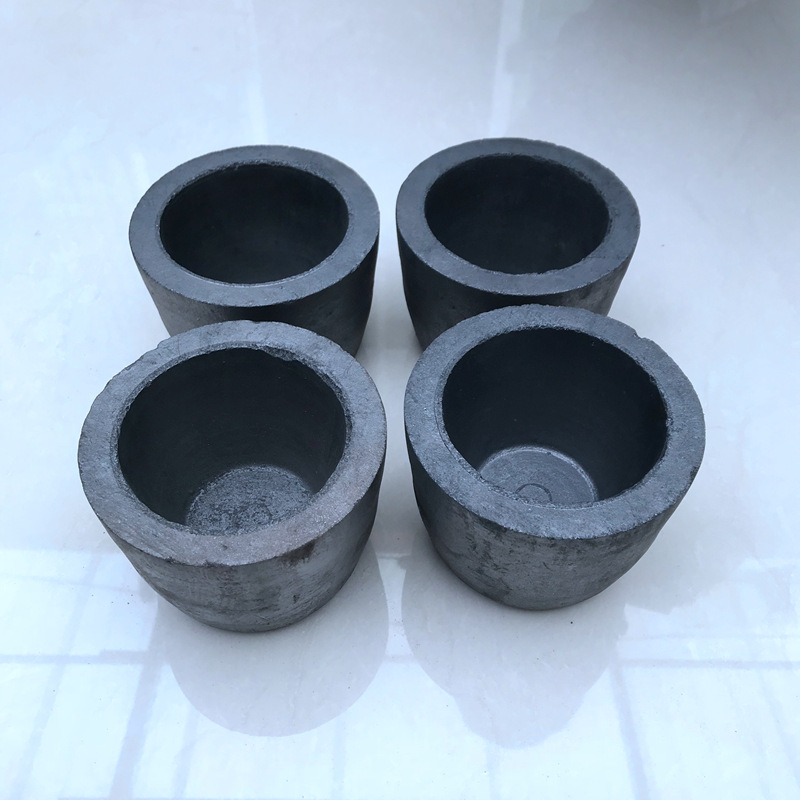
5. Automotive: Brake discs and other high-performance components.
Silicon Nitride and Silicon Carbide each offer distinct benefits depending upon the specific demands of your application. Silicon Nitride is suitable for applications where high fracture durability, reduced thermal growth, and electrical insulation are critical. It masters environments needing mechanical stamina and resistance to thermal shock. Silicon Carbide, on the other hand, is the material of choice for applications requiring severe solidity, superior thermal conductivity, and high-temperature resistance, specifically in industries such as electronic devices, aerospace, and energy.
By comprehending the strengths and constraints of both products, you can make an informed decision on which one is best matched for your needs. Whether you remain in the semiconductor industry, aerospace, vehicle, or production, both Silicon Nitride and Silicon Carbide offer dependable solutions that can improve the efficiency and sturdiness of your products.
Supplier
RBOSCHCO is a trusted global Silicon Nitride supplier & manufacturer with over 12 years experience in providing super high-quality chemicals and Nanomaterials. The company export to many countries, such as USA, Canada, Europe, UAE, South Africa,Tanzania,Kenya,Egypt,Nigeria,Cameroon,Uganda,Turkey,Mexico,Azerbaijan,Belgium,Cyprus,Czech Republic, Brazil, Chile, Argentina, Dubai, Japan, Korea, Vietnam, Thailand, Malaysia, Indonesia, Australia,Germany, France, Italy, Portugal etc. As a leading nanotechnology development manufacturer, RBOSCHCO dominates the market. Our professional work team provides perfect solutions to help improve the efficiency of various industries, create value, and easily cope with various challenges. If you are looking for Silicon Nitride , please feel free to contact us.
Tags:silicon nitride,si3n4,nitride bonded silicon carbide
RELATED POSTS
Silicon Nitride vs. Boron Nitride Ceramic Shafts: A Comprehensive Comparison and Applications Overview

Understanding the Waterproofing Mechanism of Calcium Stearate Powder in Concrete: From Pore Structure to Hydrophobic Effect

Copper Nickel vs Stainless Steel: Which is Better for Saltwater?

Silicon Nitride Ceramics: A Deep Analysis of the Cutting-Edge Material Revolution and Future Prospects Under the Global Market Wave

How Concrete Fibers Prevent Cracks and Increase Durability