Professional and high-quality metal alloys, ceramic products and concrete additives | RBOSCHCO

1. Chemical Structure of Titanium Dioxide
1.1 What is Titanium Dioxide?
Titanium dioxide (TiO₂), a name that resonates in both scientific and industrial circles, is a versatile inorganic compound with a storied history of innovation. Often hailed as the “king of white pigments,” it is a semiconductor material that has transcended its traditional role in paints and cosmetics to become a revolutionary photocatalyst for environmental remediation. But what exactly is TiO₂? At its core, it is a metal oxide derived from titanium, a transition metal renowned for its strength and corrosion resistance.
The term titanium dioxide might evoke images of paint tubes or sunscreen bottles, but its essence lies in its ability to harness light energy to drive chemical reactions. This dual identity—as both a pigment and a photocatalyst—has made TiO₂ a cornerstone of modern environmental technology. From purifying air in bustling cities to detoxifying water in remote villages, TiO₂ is quietly transforming the world.

1.2 What is the chemical structure of Titanium Dioxide?
The molecular structure of titanium dioxide is a masterclass in crystalline engineering. Its formula, TiO₂, reveals a tetrahedral coordination of oxygen atoms around a titanium ion, forming a lattice that is both stable and reactive. This structure exists in three main polymorphic forms: anatase, rutile, and brookite, each with distinct properties.
Anatase (tetragonal crystal system): Known for its high photocatalytic activity, anatase is ideal for applications requiring strong oxidation capabilities.
Rutile (tetragonal crystal system): The most thermodynamically stable form, rutile boasts superior mechanical strength and refractive index, making it the goto choice for pigments and coatings.
Brookite (orthorhombic crystal system): Less common and less studied, brookite’s unique structure offers niche applications in niche catalytic processes.
This crystalline versatility is not just a scientific curiosity—it’s the engine behind TiO₂’s transformative potential in environmental purification. By tailoring the crystal form and surface properties, engineers can optimize TiO₂ for specific tasks, from degrading pollutants to splitting water into hydrogen.
2. Core Features of Titanium Dioxide
2.1 What are the physical and chemical properties of Titanium Dioxide?
Titanium dioxide possesses a remarkable set of physical and chemical properties that justify its dominance in multiple industries:
High Refractive Index: Rutile TiO₂ has a refractive index of 2.76, making it the most effective white pigment for hiding surfaces.
Thermal Stability: With a melting point of 1840°C, TiO₂ remains inert under extreme conditions, ideal for hightemperature industrial processes.
Chemical Inertness: In its pure form, TiO₂ is nonreactive in neutral environments, ensuring longevity in coatings and materials.
Photocatalytic Activity: Under UV or visible light (depending on doping), TiO₂ generates hydroxyl radicals (•OH) and superoxide ions (O₂⁻), which oxidize organic pollutants and kill pathogens.
Chemically, TiO₂ is amphoteric, capable of reacting with both acids and bases. For instance, it dissolves in hydrofluoric acid (HF) to form titanium tetrafluoride (TiF₄) and in concentrated sodium hydroxide (NaOH) to produce sodium titanate (Na₂TiO₃). These properties make it a multifunctional material in chemical synthesis and material science.
2.2 What are the functional characteristics of Titanium Dioxide?
Beyond its basic properties, TiO₂ serves as a multifunctional workhorse in advanced applications:
SelfCleaning Surfaces: When coated on glass or concrete, TiO₂ breaks down dirt and bacteria under sunlight, reducing maintenance costs.
Antimicrobial Agent: Its photocatalytic action destroys bacteria like E. coli and Staphylococcus aureus, making it ideal for hospitals and foodprocessing facilities.
Solar Energy Conversion: Doped TiO₂ is used in dyesensitized solar cells (DSSCs) to harvest sunlight efficiently.
Environmental Remediation: TiO₂ nanoparticles degrade pollutants like benzene, formaldehyde, and even pharmaceutical residues in water.
These functional attributes make TiO₂ not just a material, but a problemsolving ally for engineers and environmentalists.
| Titanium Oxide TiO2 powder Properties | |
| Other Names | Dioxotitanium, Titanium dioxide, Titania, Titanium(IV) dioxide, Titanic oxide, Titanium peroxide, Titanium oxide powder |
| CAS No. | 13464-67-7 |
| Compound Formula | TiO2 |
| Molecular Weight | 79.9378 g/mol |
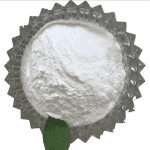
| Appearance | White crystalline powder |
| Melting Point | 1,843° C (3,349° F) |
| Solubility in water | N/A |
| Density | 4.23 g/cm3 |
| Purity | 99.50% |
| Particle Size | 5nm-50nm |
| Boling point | 2,972° C (5,382° F) |
| Specific Heat | N/A |
| Thermal Conductivity | N/A |
| Thermal Expansion | N/A |
| Young’s Modulus | N/A |
| Exact Mass | 79.9378 g/mol |
| Monoisotopic Mass | 79.937776 Da |
| Titanium Oxide TiO2 powder Health & Safety Information | |
| Safety Warning | N/A |
| Hazard Statements | N/A |
| Flashing point | N/A |
| Hazard Codes | N/A |
| Risk Codes | N/A |
| Safety Statements | N/A |
| RTECS Number | XR2275000 |
| Transport Information | NONH for all modes of transport |
| WGK Germany | nwg |
3. Advantages and disadvantages of Titanium Dioxide
3.1 What are the advantages of Titanium Dioxide?
Unmatched White Pigment: TiO₂ is the gold standard for whiteness, opacity, and durability in paints, plastics, and cosmetics.
CostEffective: Its abundance and scalable production make it an economical choice for industrial applications.
Thermal and Chemical Stability: TiO₂ withstands harsh environments, from acidic soils to hightemperature furnaces.
Photocatalytic Efficiency: Its ability to generate reactive species under light makes it a powerhouse for pollution control.
3.2 What are the drawbacks of Titanium Dioxide?
UV Dependency: Most TiO₂ systems require ultraviolet light to activate, limiting their efficacy in lowlight conditions.
Toxicity Concerns: Nanoparticles may pose health risks if inhaled or ingested, though regulatory bodies affirm its safety in approved applications.
Surface Recombination: Electronhole recombination in TiO₂ reduces its quantum efficiency, necessitating surface modifications (e.g., doping with nitrogen or carbon).

4. The Other Side Of Titanium Dioxide: A Photocatalyst For Purifying Air And Water
Titanium dioxide’s photocatalytic prowess is its most transformative attribute. When illuminated by UV or visible light, TiO₂ generates highly reactive free radicals that oxidize organic pollutants, degrade pathogens, and split water into hydrogen. This capability has sparked a green revolution in environmental science.
4.1 Air Purification
In urban areas plagued by smog and vehicular emissions, TiO₂coated road surfaces and building materials act as silent air filters. For example, Japan’s TiO₂painted roads in Tokyo have reduced NOₓ levels by 30%, while photocatalytic concrete in Europe breaks down volatile organic compounds (VOCs) in real time.
4.2 Water Treatment
In regions where clean water is scarce, TiO₂based systems offer lowcost, scalable solutions. Solarpowered TiO₂ reactors degrade pesticides, pharmaceuticals, and heavy metals in contaminated water, producing only CO₂ and H₂O as byproducts. Hospitals and industrial facilities use TiO₂coated membranes to disinfect wastewater without chemical additives.
4.3 RealWorld Impact
Case Study 1: In India, TiO₂coated air filters in textile factories reduced airborne PM2.5 by 75%, improving worker health.
Case Study 2: A TiO₂based water purification system in rural Kenya provided safe drinking water to 500 families, slashing waterborne disease rates by 90%.
5. Environmental and safety performance of Titanium Dioxide
Titanium dioxide’s ecofriendly credentials are both its strength and its challenge. On one hand, it is nontoxic, biodegradable, and abundant, aligning with circular economy principles. On the other, its nanoparticle form raises ethical and regulatory questions.
5.1 Environmental Benefits
Carbon Neutrality: TiO₂ systems rely on sunlight, eliminating energy costs and CO₂ emissions.
Waste Reduction: Unlike chemical treatments, TiO₂ does not produce harmful byproducts—only water and mineral salts.
Renewable Feedstock: TiO₂ is sourced from titanium ores, which are abundant and recyclable.
5.2 Safety Considerations
Regulatory Compliance: TiO₂ is approved by the FDA and EU for foodgrade and medical applications, though nanoparticles require strict quality control.
Worker Protection: Inhalation of TiO₂ dust in industrial settings necessitates respiratory safeguards to prevent lung irritation.
Ecological Impact: Studies show TiO₂ nanoparticles are nontoxic to aquatic life at low concentrations, but longterm effects remain under investigation.
6.Conclusion
Titanium dioxide is a doubleedged sword—a marvel of material science with unparalleled benefits and complex challenges. For the vast majority of applications, it remains a reliable and transformative material when used responsibly. However, its limitations underscore the need for innovative alternatives and stricter industry standards.
Supplier
RBOSCHCO is a trusted global Titanium Dioxide supplier & manufacturer with over 12 years experience in providing super high-quality chemicals and Nanomaterials. The company export to many countries, such as USA, Canada, Europe, UAE, South Africa,Tanzania,Kenya,Egypt,Nigeria,Cameroon,Uganda,Turkey,Mexico,Azerbaijan,Belgium,Cyprus,Czech Republic, Brazil, Chile, Argentina, Dubai, Japan, Korea, Vietnam, Thailand, Malaysia, Indonesia, Australia,Germany, France, Italy, Portugal etc. As a leading nanotechnology development manufacturer, RBOSCHCO dominates the market. Our professional work team provides perfect solutions to help improve the efficiency of various industries, create value, and easily cope with various challenges. If you are looking for Titanium Dioxide, please send an email to: sales1@rboschco.com
Tags: tio2,titanium dioxide price,titanium dioxide in food
RELATED POSTS

Aluminum-Copper Alloy Forging: The Ultimate Choice for High-Performance Industrial Components

Lithium Nitride Powder Ignites Global Energy Revolution: Why Li₃N Is Redefining Industrial Priorities

Bismuth Sulfide Revolution: How This Unsung Mineral Compound is Redefining Ethical Global Commerce
Revolutionizing Industrial Lubrication: The Quiet Power of Tungsten Disulfide
Hard Carbon Anode Product: A High-Performance Remedy Powering the Future Generation of Energy Storage Space
