Professional and high-quality metal alloys, ceramic products and concrete additives | RBOSCHCO

Boron carbide, as a high-performance inorganic non-metallic material, has become an indispensable key material in many fields such as modern industry, national defense, electronics, etc., due to its core advantages of ultra-high hardness, excellent high temperature resistance, good chemical stability, and wear and corrosion resistance.
Core characteristics of boron carbide (laying the foundation for multi-field applications)
The multi-field application of boron carbide relies on its unique material properties, which enable it to meet the demanding requirements of different industries. These properties are also the core advantages that distinguish it from other non-metallic materials, and provide a good foundation for its sintering, processing, and application.
1. Ultra-high hardness and wear resistance
The Mohs hardness of boron carbide is as high as 9.3, second only to diamond and cubic boron nitride, making it one of the materials with the highest known hardness. Its wear resistance far exceeds that of ordinary metals and ceramic materials. Even under high-frequency friction and high-pressure impact conditions, it can maintain structural integrity and is not easily worn or deformed. This characteristic makes it the core raw material for boron carbide abrasives and provides a guarantee for its use in the manufacturing of wear-resistant components. Meanwhile, by optimizing the boron carbide sintering process, its hardness and wear resistance can be further improved to meet the demands of high-end scenarios.
2. High temperature resistance and chemical stability
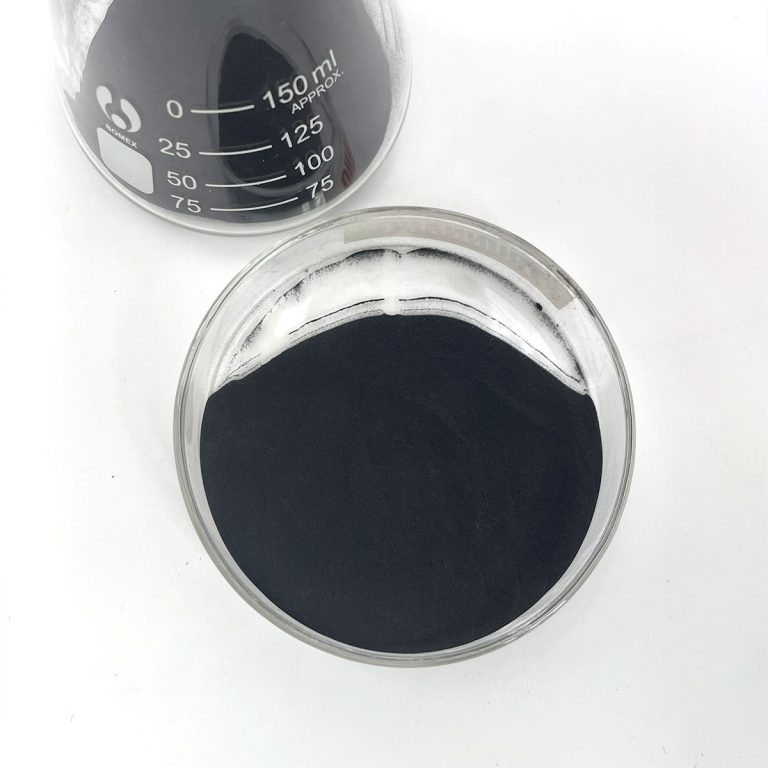
The melting point of boron carbide is as high as 2450 ℃, which can maintain structural stability in high-temperature environments without softening or decomposition, and can adapt to various high-temperature working conditions. At the same time, its chemical properties are stable and do not easily react with acids, bases, salts, and other substances. It has strong corrosion resistance and can stably perform in humid environments, chemical corrosive environments, and complex industrial media. This is also a key prerequisite for its long-term application in multiple fields.
3. Lightweight and Insulation
The density of boron carbide is only 2.52g/cm ³, far lower than that of metal materials, and it has the advantage of being lightweight, suitable for scenarios with strict weight requirements (such as aerospace). At the same time, it has excellent insulation performance, is non-conductive and non thermally conductive (thermal conductivity can be adjusted as needed), and can be used in fields such as electronics and electrical, where insulation requirements are high. Combined with the hot-pressed boron carbide process, it can further enhance its insulation and structural stability.
4. Easy Processing and Compatibility
Boron carbide can be processed and formed through various sintering processes, such as hot-pressed boron carbide and reaction-bonded boron carbide. It can be made into various forms, such as powder, sheet, and parts, which are suitable for the application needs of different industries. At the same time, it has good compatibility with materials such as metals and ceramics, and can be combined with other materials to expand its application boundaries.
Detailed explanation of multi-field applications of boron carbide
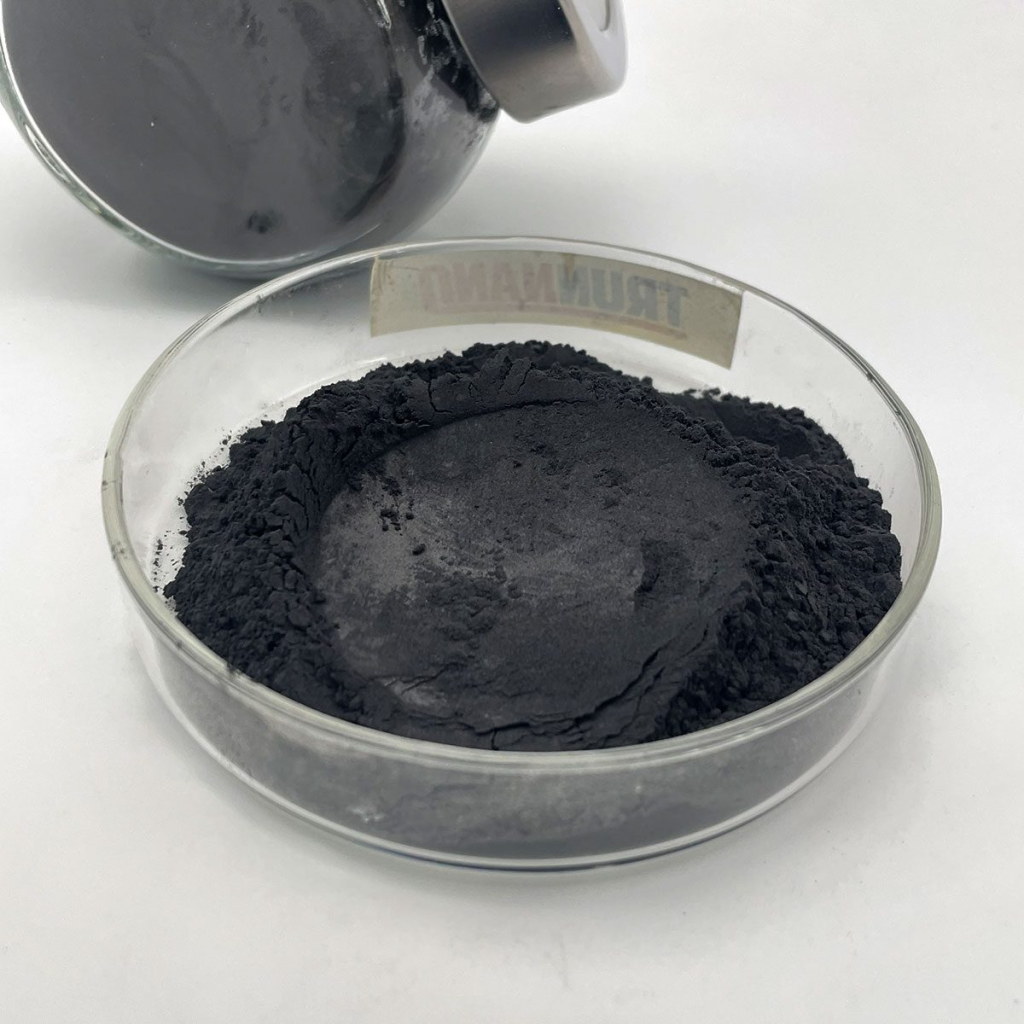
Based on the above core characteristics, boron carbide has been widely used in various fields such as national defense and military industry, industrial manufacturing, electronics and electrical, and new energy. Its advantages can be fully utilized in different application scenarios. Among them, hot-pressed boron carbide and reaction-bonded boron carbide have superior performance and are particularly widely used in high-end fields.
1. National Defense and Military Industry Field (Core Application Scenarios)
In the aerospace field, components made of hot-pressed boron carbide can be used for high-temperature parts of spacecraft and engine components, and can withstand extreme high temperatures and pressures to ensure the stable operation of spacecraft. At the same time, its insulation can avoid circuit interference and improve the reliability of aerospace equipment. In addition, boron carbide can also be used in the nuclear industry as a neutron-absorbing material, providing radiation protection.
2. Industrial manufacturing field
In industrial manufacturing, boron carbide has a wide range of application scenarios, with a focus on wear resistance, grinding, sealing, and other aspects. As a boron carbide abrasive, its ultra-high hardness makes it a high-end grinding material that can be used for precision grinding and polishing of hard materials such as metals and ceramics. It has high grinding efficiency and good results, and is widely used in industries such as mechanical processing and mold manufacturing. In the manufacturing of mechanical components, wear-resistant lining plates and seals made by boron carbide sintering can be used in severely worn scenarios, such as mining and chemical industries, to extend the service life of equipment. Components made from reaction-bonded boron carbide, due to their dense structure and high strength, can be used as core components in high-end machinery. In addition, boron carbide can also be used for lining high-temperature furnaces and protecting high-temperature pipelines. With its high temperature resistance, it ensures the long-term stable operation of equipment.
3. Electronic and Electrical Field
The field of electronics and electrical engineering requires extremely high insulation and stability of materials, and boron carbide has become an ideal material due to its excellent insulation performance and chemical stability. In the semiconductor field, boron carbide can be used as a doping material to optimize the electrical properties of semiconductors and enhance the stability and service life of chips. Meanwhile, insulation components made of hot-pressed boron carbide can be used in high-voltage electrical appliances to resist high-voltage impacts and ensure equipment safety.
4. Other characteristic application areas
In addition to the core areas mentioned above, boron carbide also plays an important role in multiple characteristic fields. In the field of new energy, electrode material additives can be used for lithium batteries to improve the hardness and wear resistance of electrodes, and extend the service life of batteries; In the field of environmental protection, boron carbide powder can be used for wastewater treatment, adsorbing heavy metal ions in water and purifying water quality; In the medical field, it can be used to produce wear-resistant components for medical devices and grinding materials for surgical instruments, ensuring the accuracy and service life of the instruments. In addition, boron carbide can also be used as refractory materials, antioxidant materials, and applied in industries such as metallurgy and building materials.
Core application advantages of boron carbide (compared with similar materials)
Compared to other non-metallic materials such as alumina and zirconia, the application advantages of boron carbide are particularly prominent, which is also the core reason why it can be widely used in multiple fields. At the same time, boron carbide with different processing techniques also has its own advantages.
1. Hardness and wear resistance have more advantages
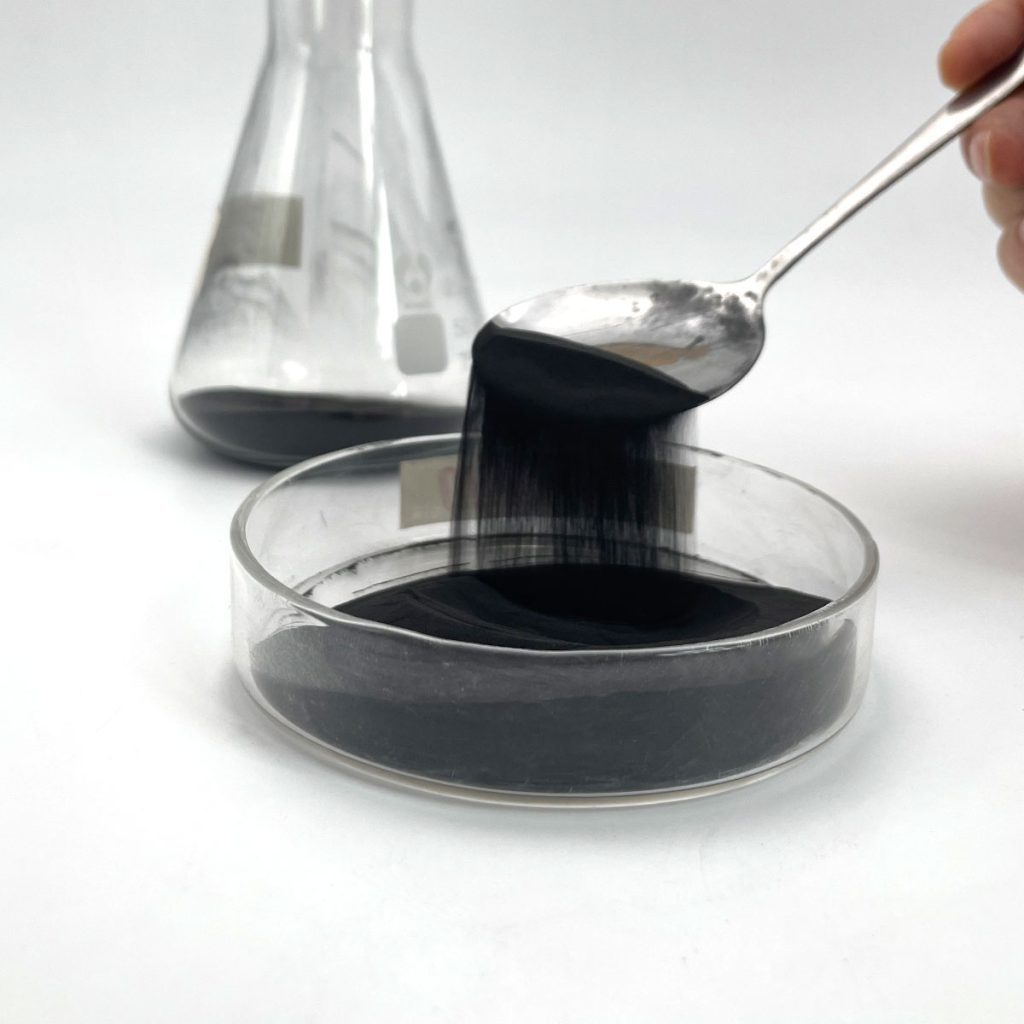
The hardness of boron carbide far exceeds that of materials such as alumina and zirconia, and its wear resistance is even better. In high-frequency friction and high-pressure impact scenarios, it has a longer service life and does not require frequent replacement, which can reduce the cost of use. Among them, hot-pressed boron carbide has better hardness and wear resistance than ordinary sintered boron carbide, making it more suitable for high-end scenarios.
2. Balancing Lightweight and High Temperature Resistance
Boron carbide has both lightweight and high-temperature resistance characteristics, making it suitable for weight-sensitive scenarios such as aerospace, as well as high-temperature working conditions. This is an advantage that most non-metallic materials find difficult to possess simultaneously. Reaction-bonded boron carbide has advantages in terms of lightweight and cost control, making it suitable for large-scale applications.
3. Stronger chemical stability and wider adaptability range
The chemical stability of boron carbide far exceeds that of similar materials, and it can work stably in complex environments such as acidity, alkalinity, humidity, and high temperature, making it suitable for harsh scenarios in chemical and nuclear industries; At the same time, it has good compatibility with various materials and can be processed into multiple forms through different sintering processes (boron carbide sintering) to meet the personalized needs of different industries.
Usage precautions (suitable for multi-scenario applications)
To fully utilize the application advantages of boron carbide and extend its service life, combined with its material characteristics and processing technology, the following points should be noted when using it:
Boron carbide powder and products should be stored in a sealed and ventilated environment, avoiding moisture and direct sunlight, and preventing powder agglomeration and product moisture. Avoid severe collisions during transportation to prevent product damage, especially for hot-pressed boron carbide products, which have a dense structure and are prone to cracking during collisions.
For high-end scenarios such as national defense and aerospace, it is recommended to use hot-pressed boron carbide products for more stable performance; Reaction-bonded boron carbide products can be selected for ordinary industrial scenarios, with higher cost-effectiveness. For grinding scenarios, boron carbide abrasive is preferred to improve grinding efficiency.
Supplier
RBOSCHCO is a trusted global boron carbide supplier & manufacturer with over 12 years of experience in providing super high-quality chemicals and Nanomaterials. The company export to many countries, such as USA, Canada, Europe, UAE, South Africa, Tanzania, Kenya, Egypt, Nigeria, Cameroon, Ugand, Turkey, Mexico, Azerbaijan Be lgium, Cyprus, Czech Republic, Brazil, Chile, Argentina, Dubai, Japan, Korea, Vietnam, Thailand, Malaysia, Indonesia, Australia, Germany, France, Italy, Portugal etc. As a leading nanotechnology development manufacturer, RBOSCHCO dominates the market. Our professional work team provides perfect solutions to help improve the efficiency of various industries, create value, and easily cope with various challenges. If you are looking for boron carbide, please feel free to contact us.