Professional and high-quality metal alloys, ceramic products and concrete additives | RBOSCHCO

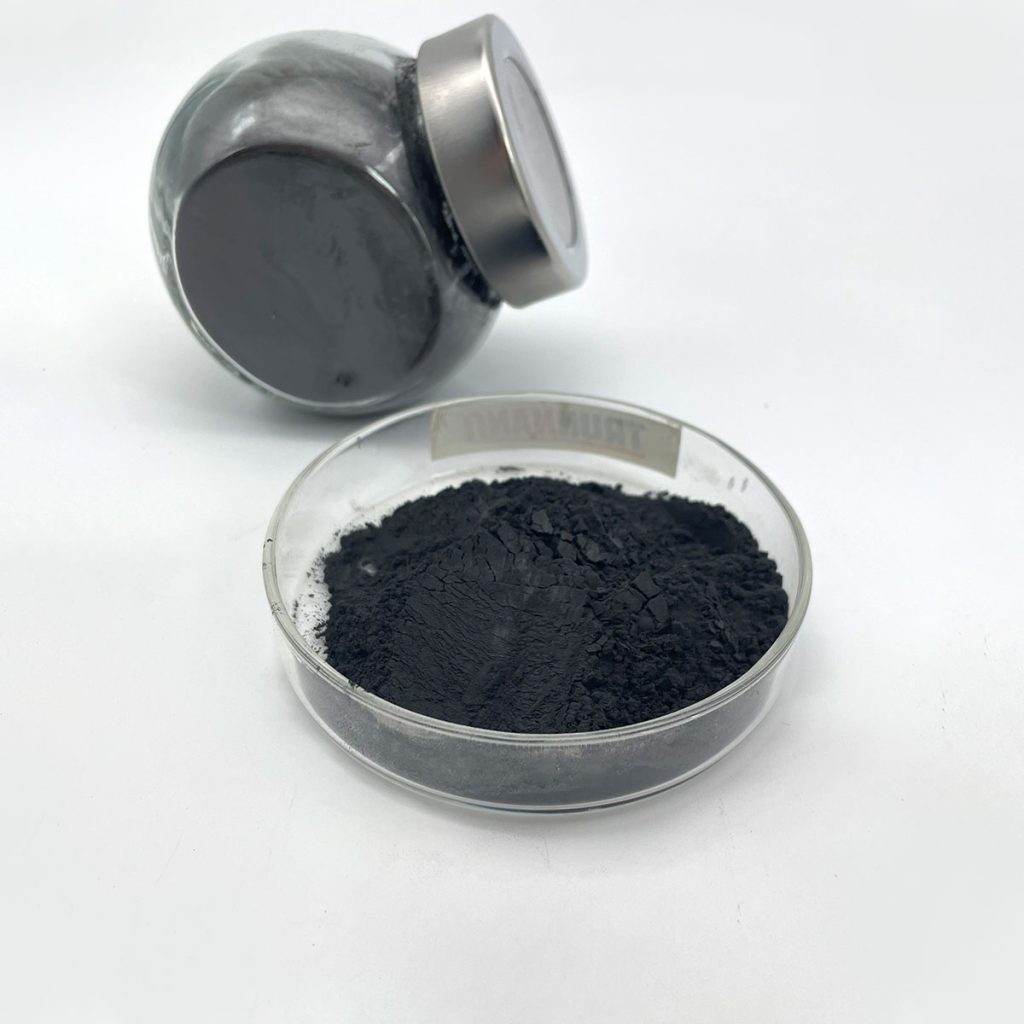
As a strong candidate for next-generation energy storage technology, the selection and optimization of cathode materials directly impact the overall performance of sodium-ion batteries. Tunnel-type oxide materials have attracted significant attention due to their unique structural characteristics, among whichNa₀.₄₄(FeyMn₁y)O₂ has become a research hotspot owing to its excellent electrochemical performance and physical stability. This paper will delve into the characteristics of this material and its application potential in sodium-ion batteries from the perspectives of both electrochemical and physical properties.


I. Introduction
With the rapid development of fields such as electric vehicles and renewable energy grid integration, the demand for efficient and low-cost energy storage technologies is growing. Sodium-ion batteries, due to their rich sodium resources, low cost and similar working principles to lithium-ion batteries, are regarded as a powerful supplement to lithium-ion batteries, especially in the field of large-scale energy storage. As a core component of sodium-ion batteries, cathode materials directly affect the energy density, cycle life and safety of the battery. Tunnel-type Na. MnO2-based materials have become one of the hot spots in cathode materials research due to their stable structure and good sodium ion transport capabilities. In particular, Na₀.₄₄(FeyMn₁₋y)O₂, formed by partial substitution of manganese (Mn) with iron (Fe), demonstrates superior comprehensive performance in terms of electrochemical and physical properties.
II. Analysis of Physical Properties
(1) Structural Stability:
Na₀.₄₄(FeyMn₁₋y)O₂ has a unique tunnel-type crystal structure, which provides a channel for the rapid migration of sodium ions while maintaining the high structural stability of the material. The introduction of Fe effectively reduces the lattice distortion caused by the Jahn-Teller effect by adjusting the oxidation state of Mn, and further enhances the structural toughness of the material.
(2) Thermal and Chemical Stability:
The material exhibits good thermal stability and is able to maintain structural integrity over a wide temperature range, reducing the risk of thermal runaway. Additionally, Fe doping improves the material’s chemical stability towards the electrolyte, minimizing side reactions and extending battery lifespan.
(3) Mechanical Properties:
The tunnel structure gives Na₀.₄₄(FeyMn₁₋y)O₂ good mechanical strength, which can effectively resist the stress caused by volume changes during the charge and discharge process, prevent material from powdering, thereby maintaining the integrity of the electrode.
III. Discussion on Electrochemical Performance
(1) Capacity and Energy Density:
The doping of Fe not only optimizes the electronic structure of the material, but also improves the diffusion coefficient of sodium ions, allowing Na₀.₄₄(FeyMn₁₋y)O₂ to exhibit high reversible capacity and energy density while maintaining high structural stability. By adjusting the ratio of Fe to Mn, the electrochemical properties of the material can be further optimized to meet the needs of different application scenarios.
(2) Cycling Performance and Rate Capability:
Benefiting from its stable tunnel structure and optimized electron transport pathways, this material shows excellent performance during long-term cycling, with high capacity retention and long cycle life. Simultaneously, its good sodium-ion diffusion capability provides excellent rate performance, enabling fast charge/discharge and suitability for high-power applications.
(3) Voltage Plateau and Polarization:
Na₀.₄₄(FeyMn₁₋y)O₂ exhibits a flat voltage platform during charge and discharge, which facilitates accurate monitoring of battery status by the battery management system. In addition, smaller polarization means lower energy losses and higher energy conversion efficiency.
The comparison before and after Fe element doping is shown in the table below:
Performance TypeParameter/IndicatorValue/DescriptionImpact on Performance
Physical Performance Crystal Structure Tunnel-type, S-shaped channels. Allows rapid sodium ion insertion/extraction, maintains a stable structure
Mechanical Strength High Mitigates stress from volume expansion during cycling
Thermal Stability Excellent: Reduces thermal runaway risk, improves safety
Air/Moisture Tolerance Enhanced (after Fe doping) reduces surface residual alkali, prevents slurry gelation
Chemical Performance Redox Couples Fe²⁺/Fe³⁺, Mn³⁺/Mn⁴⁺ Provides multiple voltage plateaus, increases specific energy
Cycling Stability High (structure inhibits phase transitions). Maintains high capacity retention during long-term cycling
Rate Capability Excellent (Fe doping accelerates Na⁺ diffusion) Suitable for fast-charging applications
Sodium Stoichiometry Low requires pre-sodiation treatment to match the hard carbon anode
IV. Future Prospects and Challenges
Although Na₀.₄₄(FeyMn₁₋y)O₂ has shown many advantages as a cathode material for sodium-ion batteries, its commercial application still faces some challenges, such as how to further increase energy density, reduce costs, and optimize large-scale production processes. Future research can focus on the following aspects:
(1) Element Doping and Surface Modification: Exploring the effects of doping other elements to further optimize the material’s electronic structure and ion transport properties; simultaneously, surface modification techniques can be used to enhance the material’s interfacial stability and electrolyte compatibility.
(2) Structural Design: Designing novel tunnel or composite structures to improve sodium-ion storage and transport efficiency.
(3) Scalable Production: Developing efficient, low-cost preparation processes is key to realizing the commercial application of this material.
V. Conclusion
As a cathode material for sodium-ion batteries, tunnel-type Na₀.₄₄(FeyMn₁₋y)O₂ shows broad application prospects in the energy storage field due to its unique structural characteristics, excellent physical properties, and electrochemical performance. With continuous in-depth research and technological advancements, it is believed that this material will play a significant role in the future energy storage market, promoting the commercialization of sodium-ion battery technology.
Tags: Sodium-ion battery; Tunnel-type oxide; Na₀.₄₄(Feyn₁₋y)O₂; Electrochemical performance; Fe-Mn based cathode material; Cathode material
RELATED POSTS

The Applications of Graphite Powder
What is aluminum nitride ceramic?

Breakthrough Applications of Indium Selenide In2Se3 Powder in Optoelectronics and Energy Conversion
The Application of Silicon Nitride Ceramics
Properties and Applications of Ti6Al4V TC4 Powder
