Professional and high-quality metal alloys, ceramic products and concrete additives | RBOSCHCO

Titanium disilicide (TiSi ₂), as a high-performance inorganic material, has been widely used in semiconductor, aerospace, mechanical manufacturing and other fields due to its excellent high temperature resistance, wear resistance, conductivity and other characteristics. Among them, titanium disilicide powder has become an important raw material in industrial production due to its ease of storage, transportation, and use; Targeted etching technology is the key to achieving precise processing of titanium disilicide materials and meeting the needs of different application scenarios.
Core characteristics of titanium disilicide (TiSi ₂) powder
1. Basic Physical and Chemical Characteristics
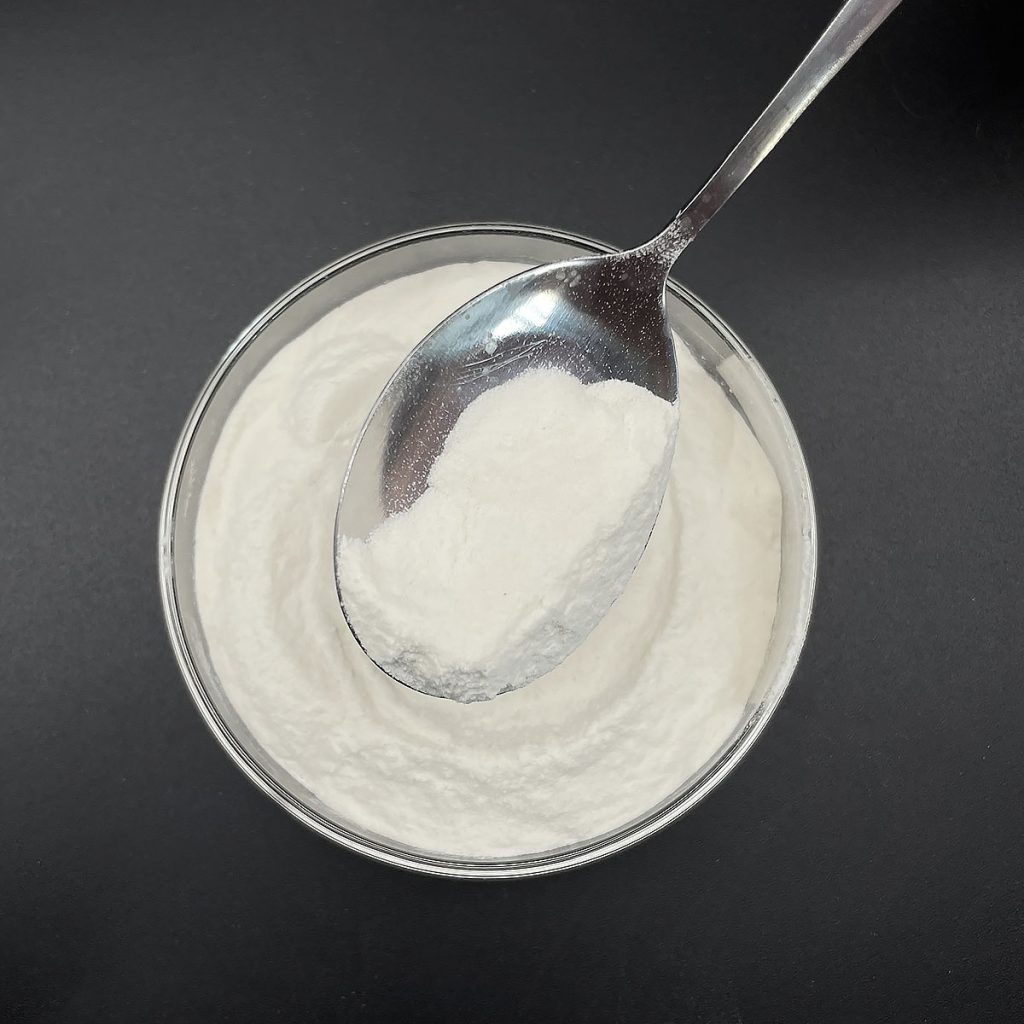
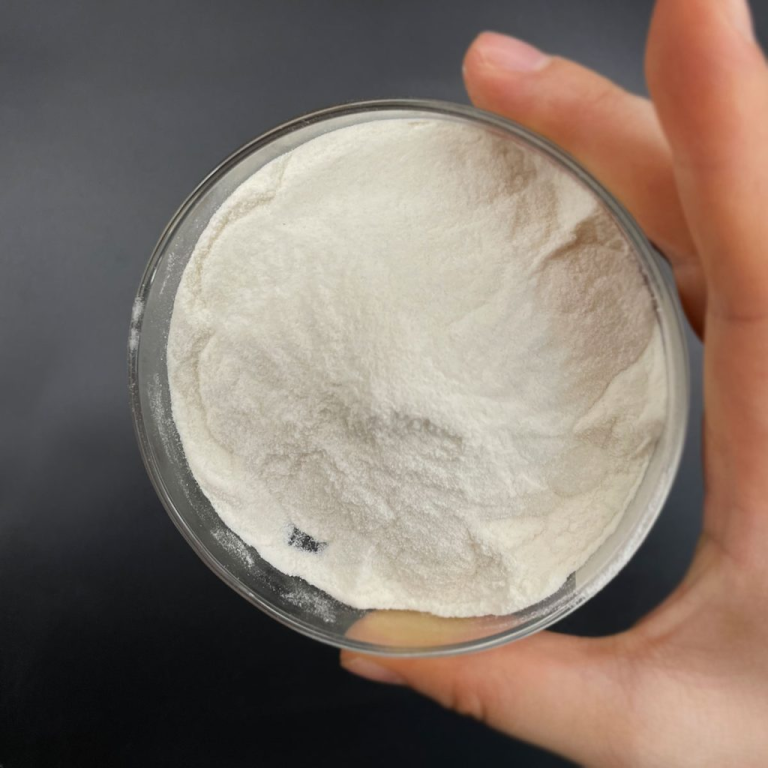
Titanium disilicide powder is a gray black powder with a uniform and delicate appearance, no obvious agglomeration, a density of about 4.2 g/cm ³, a melting point of up to 1540 ℃, and extremely strong high temperature resistance. It can maintain structural stability in high temperature environments and is not easily deformed or decomposed. Its chemical properties are stable and not easily reacted with acids, bases, and other substances. It only undergoes slight oxidation under the action of strong oxidants and is suitable for use in complex industrial environments.
Compared with ordinary metal powders, titanium disilicide powder has higher hardness (Mohs hardness of about 6.5), outstanding wear resistance, and good conductivity. This is also its core advantage compared to other ceramic powders, making it a structural material and also suitable for the preparation of conductive components in the electronic field.
2. Advantages of Powder Application
The core advantages of titanium disilicide powder are easy dispersion and processing, and can be directly mixed with other materials without the need for complex pretreatment. Whether it is composite preparation of wear-resistant coatings with metal powders or mixing with ceramic materials to enhance strength, it can exhibit good compatibility. In addition, it has strong storage stability and can maintain its performance unchanged for a long time when stored in a sealed manner, without the need for special storage conditions, making it suitable for large-scale industrial applications.

Core points of titanium disilicide etching process
1. Etching process principle
The core of titanium disilicide etching process is to remove excess parts on the material surface through chemical or physical means, achieving precise molding and performance optimization. The current mainstream etching methods are divided into two types: chemical etching and physical etching. Chemical etching involves reacting specific reagents with titanium disilicide to dissolve excess portions; Physical etching uses plasma, laser and other methods to accurately remove surface impurities or excess materials. The two methods can be flexibly selected according to processing requirements.
2. Key parameters of etching process
- Etching temperature: The optimal etching temperature is 200-300 ℃. If the temperature is too high, it will cause oxidation of titanium disilicide, while if it is too low, it will reduce the etching efficiency;
- Etching time: Adjust according to the processing accuracy requirements. The conventional precision etching time is 10-20 minutes, and high-precision processing needs to be extended to 30-40 minutes;
- Reagent concentration (chemical etching): The etching reagent concentration should be controlled at 5% -8%. If the concentration is too high, it will damage the titanium disilicide body, while if it is too low, it will not achieve the desired etching effect.
3. Etching process operation flow
- Pre treatment: Press the titanium disilicide powder into the desired blank, or directly clean the surface of the formed titanium disilicide components to remove oil stains and impurities, ensuring uniform etching;
- Etching operation: Choose chemical or physical etching methods according to requirements, control temperature, time, and reagent concentration (chemical etching) to ensure accurate etching;
- Post processing: After etching is completed, the components are cleaned and dried to remove residual etching reagents, and the etching accuracy is checked. Any non-conforming parts can be subjected to secondary etching.
Application scenarios of titanium disilicide powder and etching process
1. Semiconductor field
Titanium disilicide powder is often used as an electrode material and packaging material for semiconductor chips due to its good conductivity and high temperature resistance. Through precise etching technology, high-precision electrode components can be prepared, improving the conductivity efficiency and stability of chips, and suitable for the manufacturing of high-end electronic devices.
2. Mechanical Manufacturing Field
By utilizing the high hardness and wear resistance of titanium disilicide powder, wear-resistant coatings can be prepared. The coating thickness and surface flatness can be optimized through etching process, which can be applied to the surface protection of mechanical components and extend the service life of equipment, especially suitable for high load and high wear industrial scenarios.
3. Aerospace field
In the aerospace field, titanium disilicide powder, after etching processing, can be used to manufacture high-temperature protective components, resist extreme temperatures and airflow impacts at high altitudes, and ensure the stable operation of aerospace equipment. It is an important material in high-end equipment manufacturing.
Application precautions
1. Powder Storage and Use
Titanium disilicide powder should be sealed and stored in a dry and ventilated environment to avoid moisture absorption and agglomeration, which may affect its effectiveness; During operation, it is necessary to take protective measures, wear gloves and masks, and avoid powder contact with the skin and respiratory tract.
2. Etching process taboos
During the etching process, it is necessary to strictly control the temperature and reagent concentration to avoid material damage caused by excessive etching; The waste liquid after chemical etching needs to be properly treated to avoid polluting the environment; During physical etching, it is necessary to control the intensity of the laser or plasma to prevent damage to the material body.
3. Quality Inspection
After etching is completed, the dimensional accuracy, surface flatness, and conductivity of the components need to be tested to ensure compliance with application requirements. Unqualified products need to be subjected to secondary treatment or scrapped to avoid affecting subsequent use.
Titanium disilicide (TiSi ₂) powder plays an important role in multiple industrial fields due to its excellent high temperature resistance, wear resistance, and conductivity, combined with scientific etching processes. Mastering its powder characteristics and etching process key points, and controlling operating parameters reasonably, can not only improve product quality but also expand its application scope. In the future, with the development of high-end manufacturing industries, titanium disilicide powder and etching processes will move towards more precise and efficient directions, providing more reliable material support for industrial production.
Supplier
RBOSCHCO is a trusted global Titanium silicide (TiSi2) powder supplier & manufacturer with over 12 years of experience in providing super high-quality chemicals and Nanomaterials. The company export to many countries, such as USA, Canada, Europe, UAE, South Africa, Tanzania, Kenya, Egypt, Nigeria, Cameroon, Ugand, Turkey, Mexico, Azerbaijan Be lgium, Cyprus, Czech Republic, Brazil, Chile, Argentina, Dubai, Japan, Korea, Vietnam, Thailand, Malaysia, Indonesia, Australia, Germany, France, Italy, Portugal etc. As a leading nanotechnology development manufacturer, RBOSCHCO dominates the market. Our professional work team provides perfect solutions to help improve the efficiency of various industries, create value, and easily cope with various challenges. If you are looking for Titanium silicide (TiSi2) powder, please feel free to contact us.
RELATED POSTS
What is Aluminium Nitride?
Pre alloyed iron copper FeCu powder exhibits broad application prospects in the field of new energy materials
Analysis of Physical and Chemical Properties, Melting Point, and Differences in Silicon Based Materials of Solid Silicon Dioxide
What Is Silicon Nitride Powder?

What are Common Metal Alloys?
