Professional and high-quality metal alloys, ceramic products and concrete additives | RBOSCHCO

If you’ve ever looked at a product label and seen “titanium dioxide” listed, you probably assumed it’s just one thing. But titanium dioxide isn’t a single material—it’s a family of materials, and the differences between its two main crystal phases matter a lot more than you might think.
The two phases are rutile and anatase. Both have the same chemical formula (TiO₂). Both are white powders. But their crystal structures are different—and that difference determines everything from how they perform in coatings to how they behave in batteries and ceramics.
Titanium dioxide occurs in three natural polymorphs: rutile, anatase, and brookite. Rutile is the most common form found in nature, followed by anatase. The fundamental difference between them isn’t chemical—it’s structural. The arrangement of titanium and oxygen ions in the crystal lattice differs between the two phases, leading to distinct differences in density, hardness, refractive index, thermal stability, and even photocatalytic activity.
As industries from construction to energy storage push for better performance, understanding which phase to use and when is becoming a critical decision.
Crystal Structure: Where the Differences Begin
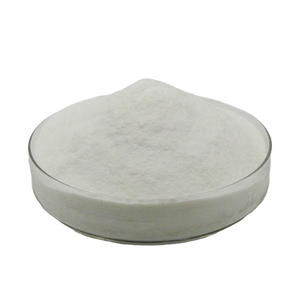
Both rutile and anatase belong to the tetragonal crystal system, but their atomic arrangements are fundamentally different. Rutile has a dense, close-packed structure with lattice parameters a = 0.4594 nm and c = 0.2958 nm. Its density ranges from 4.23 to 4.28 g/cm³, and its Mohs hardness is 5.5–6.5. Anatase, while also tetragonal, has a more open crystal structure with different lattice parameters. Its density is lower (approximately 3.8–3.9 g/cm³), and its hardness is slightly lower as well.
These structural differences translate directly into performance:
Refractive index. Rutile has one of the highest refractive indices of any known mineral (approximately 2.90), making it an exceptional white pigment and UV-blocking material. Anatase has a lower refractive index (approximately 2.56), which reduces its light-scattering ability but makes it more effective in photocatalytic applications.
Thermal stability. Rutile is the thermodynamically stable phase of titanium dioxide at high temperatures and pressures. Anatase undergoes an irreversible transformation to rutile when heated to approximately 800–1000°C. This makes rutile the preferred choice for ceramic and refractory applications that require high-temperature processing.
Band gap and photocatalytic activity. Anatase has a slightly wider band gap (approximately 3.2 eV) compared to rutile (approximately 3.0 eV). Its conduction band edge is more negative, giving photogenerated electrons stronger reducing power. As a result, anatase exhibits significantly higher photocatalytic activity—roughly 10 times that of rutile—making it the preferred choice for environmental purification and self-cleaning applications.
Performance Comparison: Rutile vs. Anatase
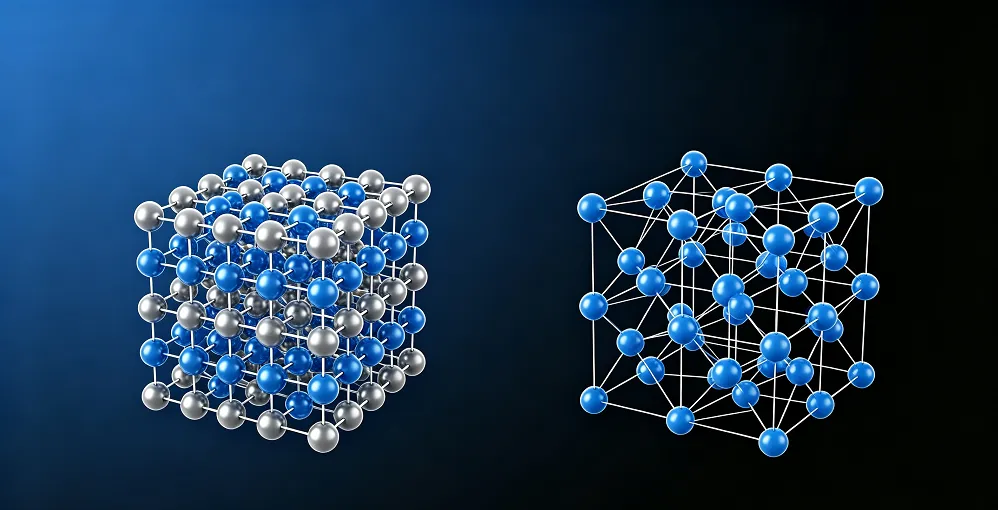
| Crystal System | Tetragonal | Tetragonal |
| Density | 4.23–4.28 g/cm³ | 3.8–3.9 g/cm³ |
| Mohs Hardness | 5.5–6.5 | 5.5–6 |
| Refractive Index | ~2.90 | ~2.56 |
| Thermal Stability | Stable up to ~1840°C | Transforms to rutile at 800–1000°C |
| Band Gap | ~3.0 eV | ~3.2 eV |
| Photocatalytic Activity | Lower | ~10× higher than rutile |
| UV Absorption | Excellent | Moderate |
| Chemical Stability | Excellent | Good, but less than rutile |
| Primary Applications | Pigments, coatings, ceramics, sunscreens | Photocatalysis, self-cleaning surfaces, battery materials |
Applications in Ceramics and Refractories
The thermal stability and chemical inertness of rutile make it the preferred choice for high-temperature ceramic applications. At temperatures exceeding 1000°C, anatase converts to rutile—so if you’re firing ceramics at high temperatures, you’re essentially working with rutile whether you start with it or not.
Glazes and ceramic colors. Rutile TiO₂ is widely used in ceramic glazes to achieve high whiteness and opacity. Its high refractive index contributes to excellent gloss and brightness in finished ceramic surfaces. When combined with other oxides such as chromium, antimony, or vanadium, rutile-based formulations produce a range of ceramic pigments in yellow, orange, and brown hues.
Refractory materials. The high melting point of rutile (approximately 1840°C) and its chemical stability make it a valuable component in refractory products. Alumina-titania refractories are used in high-temperature industrial applications where both thermal shock resistance and chemical durability are required.
Low-temperature photocatalytic ceramics. Anatase, despite its lower thermal stability, finds application in functional ceramic coatings applied at low temperatures. Self-cleaning ceramic tiles, antibacterial surfaces, and air-purifying wall panels all rely on the photocatalytic activity of anatase TiO₂ to break down organic contaminants under UV or visible light.
Applications in Paints, Coatings, and Pigments
The pigment industry is the largest consumer of titanium dioxide, and rutile dominates this space for good reason.
White pigment. Rutile’s high refractive index gives it exceptional light-scattering ability, which translates to superior hiding power and whiteness. A coating formulated with rutile TiO₂ achieves the same opacity with significantly less pigment than alternatives. This efficiency makes rutile the preferred white pigment for paints, coatings, plastics, and paper.
UV protection. The strong UV absorption of rutile makes it an effective ultraviolet blocker. In exterior coatings, it protects the underlying substrate from UV degradation. In personal care products, it serves as a physical sunscreen agent.
Weather resistance. Rutile’s chemical stability and low photocatalytic activity mean it doesn’t break down under prolonged UV exposure. Anatase, by contrast, is more photochemically active, which can accelerate the degradation of organic binders in exterior paints. For outdoor applications, rutile is the clear choice.
Applications in Energy Storage: Anatase’s Emerging Role
In recent years, anatase titanium dioxide has gained significant attention in the energy storage field. Its open crystal structure and excellent lithium intercalation properties make it a promising material for battery applications.
Lithium titanate (Li₄Ti₅O₁₂) synthesis. Anatase TiO₂ serves as the primary precursor for synthesizing lithium titanate anodes. LTO anodes are known for their “zero-strain” characteristics—they experience minimal volume change during charge and discharge, resulting in exceptional cycling stability. Batteries with LTO anodes can achieve thousands of cycles with minimal capacity loss.
Cathode additive. Both rutile and anatase TiO₂ are used as cathode additives to improve electrochemical performance. The TiO₂ coating layer acts as a protective barrier, reducing side reactions between the cathode material and the electrolyte. This extends cycle life and improves safety.
Anode modification. Nano-TiO₂ can be used as a buffer layer on silicon anodes to accommodate the massive volume expansion (up to 300%) that occurs during lithiation. The TiO₂ layer improves structural integrity and extends cycle life.
The table below summarizes the performance of rutile and anatase TiO₂ in battery applications:
| LTO Anode Precursor | Not suitable | Preferred precursor |
| Cathode Additive | Enhances electrochemical stability | Enhances capacity and cycling stability |
| Specific Surface Area | 20–50 m²/g | 60–90 m²/g (higher reactivity) |
| Primary Battery Role | Stability and protection | Capacity and rate capability |
Practical Examples: Where to Use Which
Example 1: Architectural paint. If you’re formulating a white exterior paint for a building, rutile TiO₂ is the obvious choice. Its high hiding power means you need less pigment to achieve full coverage. Its UV stability ensures the paint won’t chalk or degrade over time. And its low photocatalytic activity prevents the binder from breaking down—something that would happen with anatase.
Example 2: Self-cleaning ceramic tiles. If you’re producing ceramic tiles that need to stay clean with minimal maintenance, anatase TiO₂ is the better option. When exposed to light, the photocatalytic activity of anatase breaks down organic dirt and kills bacteria. The tiles stay clean and hygienic, reducing cleaning costs.
Example 3: Refractory bricks for high-temperature furnaces. If you’re manufacturing refractory bricks that need to withstand temperatures above 1200°C, you need rutile—not because it’s better in general, but because anatase would transform to rutile anyway during firing. Starting with rutile ensures consistent, predictable performance.
Example 4: Lithium-ion batteries for electric vehicles. If you’re developing battery anodes that need to last thousands of cycles, anatase is the key precursor for lithium titanate (LTO) anodes. The structural stability of LTO at high charge/discharge rates makes it suitable for fast-charging applications where safety and longevity are critical.
Summary: Choosing the Right Phase
The choice between rutile and anatase titanium dioxide isn’t about which one is “better”—it’s about which one fits your application.
| Primary requirement | Hiding power, whiteness, UV protection | Photocatalytic activity, self-cleaning |
| Thermal exposure | High-temperature processing (>1000°C) | Low-temperature or ambient conditions |
| Application type | Paints, coatings, plastics, ceramics | Self-cleaning surfaces, air/water purification, batteries |
| Chemical environment | Outdoor exposure, chemical resistance | Photocatalytic reactions, solar cells |
| Cost consideration | Standard industrial grades available | Specialty grades for advanced applications |
Understanding the science behind the two crystal phases lets you make better material choices. Whether you’re formulating paint, firing ceramics, or building batteries, the right TiO₂ phase makes all the difference.

Supplier
RBOSCHCO is a globally recognized chemical material supplier and manufacturer with over 12 years of expertise in providing super high-quality chemicals and nanomaterials. The company supplies a wide range of products including titanium dioxide (both rutile and anatase grades), ceramic materials, and specialty powders for industrial and advanced technology applications. RBOSCHCO maintains a professional technical team and quality supervision department, supported by a well-equipped laboratory and comprehensive after-sales service. If you are looking for high-quality titanium dioxide or other advanced materials, please feel free to contact us.
RELATED POSTS

Luminescent Zinc Sulfide: Revolutionizing Global Trade with Sustainable Brilliance
Properties and Application of Lithium Stearate Powder in Grease
What are Ni-Ti Alloys?

Tungsten Boride and Boron Boron Nitride (WBN) Structures

The Difference in Production Methods Between Green Silicon Carbide and Black Silicon Carbide