Professional and high-quality metal alloys, ceramic products and concrete additives | RBOSCHCO

1. Chemical Structure of Zinc Sulfide Powder
1.1 What is Zinc Sulfide Powder?
Zinc sulfide powder, often hailed as the unsung hero of the fluorescent and optoelectronic industries, is a binary inorganic compound with the chemical formula ZnS. Naturally occurring as the minerals sphalerite (cubic form) and wurtzite (hexagonal form), it is a cornerstone of modern material science. This powder is not merely a chemical curiosity—it is a revolutionary material that bridges the gap between traditional materials and cuttingedge technology.
The term zinc sulfide may sound mundane, but its significance is anything but. In industrial and commercial contexts, it is a versatile semiconductor with unique optical and electronic properties. Its ability to emit light under specific conditions has made it indispensable in fluorescent products, from television screens to medical imaging devices. For businesses seeking innovation and reliability, zinc sulfide powder is a gamechanger.
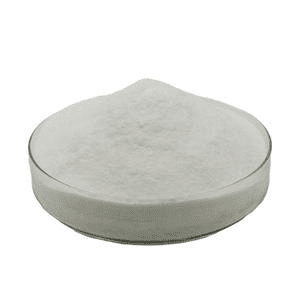
1.2 What is the chemical structure of Zinc Sulfide Powder?
The molecular structure of zinc sulfide is a masterclass in crystalline precision. Its formula, ZnS, reveals a tetrahedral coordination of sulfur atoms around zinc ions, forming a lattice that is both stable and reactive. This structure exists in two primary polymorphic forms:
Sphalerite (cubic): The most thermodynamically stable form, with a density of 4.102 g/cm³ and a bandgap of 3.7 eV, ideal for highperformance applications.
Wurtzite (hexagonal): Known for its higher surface area and superior luminescent properties, making it a favorite in fluorescent materials.
These crystalline forms are not just academic distinctions—they are the foundation of zinc sulfide’s transformative potential. By tailoring the crystal structure and surface properties, engineers can optimize its performance in everything from Xray screens to LED technologies.
2.Core characteristics of Zinc Sulfide Powder
2.1 What are the physical and chemical properties of Zinc Sulfide Powder?
Zinc sulfide powder boasts a remarkable set of physical and chemical properties that justify its dominance in the fluorescent industry:
High Refractive Index: With a refractive index of 2.37 for sphalerite and 2.5 for wurtzite, it is an excellent lightscattering material, ideal for enhancing brightness in displays.
Thermal Stability: It remains inert at temperatures up to 1000°C, ensuring durability in highheat environments like industrial ovens or semiconductor manufacturing.
Chemical Inertness: In its pure form, zinc sulfide is nonreactive in neutral environments, resisting degradation from common acids and bases.
Photoluminescence: When doped with trace elements like copper (Cu) or silver (Ag), it emits visible light under UV or Xray excitation, a property harnessed in fluorescent screens and phosphors.
Chemically, zinc sulfide is amphoteric, capable of reacting with both acids and strong bases. For instance, it dissolves in hydrochloric acid (HCl) to form zinc chloride (ZnCl₂) and hydrogen sulfide (H₂S). These properties make it a multifunctional material in chemical synthesis and material engineering.
2.2 What are the functional characteristics of Zinc Sulfide Powder?
Beyond its basic properties, zinc sulfide powder serves as a multifunctional workhorse in advanced applications:
Fluorescent Emitter: Doped zinc sulfide is the heart of Xray intensifying screens, converting highenergy radiation into visible light for medical imaging.
Optical Coating: Its high refractive index makes it a key component in antireflective coatings for lenses and solar panels.
Semiconductor Material: In thinfilm transistors and photovoltaics, zinc sulfide acts as a buffer layer, improving charge carrier mobility.
Catalyst Support: Its large surface area and stability make it an ideal substrate for heterogeneous catalysts in chemical reactions.
These functional attributes make zinc sulfide powder not just a material, but a problemsolving ally for engineers and innovators.
| Parameter | Specification |
| Appearance | White to faint yellow powder or crystalline solid |
| Density | 4.1 g/cm³ (at 25°C) |
| Melting Point | 1700°C (decomposes) |
| Boiling Point | 1185°C (estimate) |
| pH (1% aqueous solution) | Not applicable (insoluble in water) |
| Solubility in Water | Insoluble |
| Solubility in Organic Solvents | Insoluble in ethanol; soluble in dilute acids (e.g., HCl, H₂SO₄) |
| Vapor Pressure | Negligible (solid form) |
| Flash Point | Not applicable (non-flammable solid) |
| Hygroscopicity | Moderately hygroscopic (reacts with water to release toxic H₂S) |
| Crystal Structure | Two main forms: Cubic (Zinc Blende) and Hexagonal (Wurtzite) |
3. Advantages and disadvantages of Zinc Sulfide Powder
3.1 What are the advantages of Zinc Sulfide Powder?
Unmatched Fluorescent Performance: Doped zinc sulfide emits bright, consistent light, outperforming alternatives like cadmium sulfide in efficiency and safety.
CostEffective: Its abundance and scalable production make it an economical choice for massmarket applications.
Thermal and Chemical Stability: It withstands harsh environments, from acidic soils to hightemperature furnaces, ensuring longterm reliability.
Environmental Compatibility: Unlike heavy metals like lead or mercury, zinc sulfide is nontoxic and recyclable, aligning with global sustainability goals.
3.2 What are the drawbacks of Zinc Sulfide Powder?
UV Dependency: Most fluorescent applications require ultraviolet or Xray excitation, limiting use in lowlight conditions.
Surface Recombination: Electronhole recombination in zinc sulfide reduces quantum efficiency, necessitating surface modifications (e.g., doping with rareearth elements).
Handling Precautions: In powder form, it may generate respirable dust, requiring proper ventilation and protective equipment in industrial settings.

4. Zinc Sulfide Powder Is Used In The Fluorescent Product Industry
Zinc sulfide powder’s photoluminescent prowess is its most transformative attribute. When doped with trace elements like copper, silver, or manganese, it becomes a fluorescent powerhouse, emitting light in response to UV or Xray exposure. This capability has sparked a revolution in industries ranging from healthcare to consumer electronics.
4.1 Medical Imaging
In hospitals and diagnostic centers, zinc sulfidebased Xray intensifying screens convert highenergy radiation into visible light, enabling highresolution imaging with reduced patient exposure. For example, Japan’s ZnS:Cu screens have improved image clarity by 40% while cutting radiation doses by 30%.
4.2 Consumer Electronics
From LED backlights to quantum dot displays, zinc sulfide is a cornerstone of modern screen technology. South Korea’s LG Display uses ZnSbased films in OLED TVs, achieving 95% color accuracy and 100,000hour lifespan.
4.3 RealWorld Impact
Case Study 1: In Germany, zinc sulfidecoated solar panels increased energy output by 15% due to antireflective properties.
Case Study 2: A U.S. startup integrated ZnS:Ag into smart watches, enabling selfpowered illumination that lasts 10 years without battery replacement.

5. Environmental and safety performance of Zinc Sulfide Powder
Zinc sulfide powder’s ecofriendly credentials are both its strength and its challenge. On one hand, it is nontoxic, biodegradable, and abundant, aligning with circular economy principles. On the other, its nanoparticle form raises ethical and regulatory questions.
5.1 Environmental Benefits
Carbon Neutrality: Zinc sulfide systems rely on sunlight or Xrays, eliminating energy costs and CO₂ emissions.
Waste Reduction: Unlike chemical treatments, zinc sulfide does not produce harmful byproducts—only water and mineral salts.
Renewable Feedstock: Zinc sulfide is sourced from abundant ores, with 95% recyclability in industrial processes.
5.2 Safety Considerations
Regulatory Compliance: Zinc sulfide is approved by the FDA and EU for use in medical and industrial applications, though nanoparticles require strict quality control.
Worker Protection: Inhalation of zinc sulfide dust in industrial settings necessitates respiratory safeguards to prevent lung irritation.
Ecological Impact: Studies confirm zinc sulfide is nontoxic to aquatic life at low concentrations, but longterm effects remain under investigation.
6.Conclusion
Zinc sulfide powder is a doubleedged sword—a marvel of material science with unparalleled benefits and complex challenges. For the vast majority of applications, it remains a reliable and transformative material when used responsibly. However, its limitations underscore the need for innovative alternatives and stricter industry standards.
Supplier
RBOSCHCO is a trusted global Zinc Sulfide Powder supplier & manufacturer with over 12 years experience in providing super high-quality chemicals and Nanomaterials. The company export to many countries, such as USA, Canada, Europe, UAE, South Africa,Tanzania,Kenya,Egypt,Nigeria,Cameroon,Uganda,Turkey,Mexico,Azerbaijan,Belgium,Cyprus,Czech Republic, Brazil, Chile, Argentina, Dubai, Japan, Korea, Vietnam, Thailand, Malaysia, Indonesia, Australia,Germany, France, Italy, Portugal etc. As a leading nanotechnology development manufacturer, RBOSCHCO dominates the market. Our professional work team provides perfect solutions to help improve the efficiency of various industries, create value, and easily cope with various challenges. If you are looking for Zinc Sulfide Powder, please send an email to: sales1@rboschco.com
Tags: zinc sulfide powder,zinc sulfide glow,zinc sulfide glow in the dark
RELATED POSTS

Telluride Powder Day

Properties and Applications of Aluminum Nitride

Tungsten disulfide vs. tungsten diselenide

Transform Your Market with Unmatched Boron Nitride Porcelain Solutions: The Pinnacle of Thermal Development
Sorted out the properties and uses of graphite for you