Professional and high-quality metal alloys, ceramic products and concrete additives | RBOSCHCO



PRODUCT PARAMETERS
Description
Overview of Alumina ceramic block
Alumina ceramic blocks are a type of ceramic material with aluminum oxide (Al₂O₃) as the main component. Alumina ceramic blocks usually have high hardness, high wear resistance, high corrosion resistance and excellent insulation properties, as well as good thermal stability and mechanical strength.
The production of alumina ceramic blocks generally requires batching, molding, sintering and other process flows. They are widely used in industry. For example, in the mechanical field, they can be used as various high-precision, high-strength parts, such as bearings, seals, etc.; in the electronics industry, they are used for insulating parts, substrates, etc.; in the chemical industry, they can be used as corrosion-resistant parts, etc., which plays a key supporting role in the development of related industries, but some factors need to be considered comprehensively, such as greater brittleness.
Features of Alumina ceramic block
Alumina ceramic block is a ceramic material with excellent performance. Alumina ceramic block has extremely high hardness, second only to diamond, and has strong wear resistance, and can withstand various forms of wear tests.
Alumina ceramic block has excellent chemical stability, can resist the erosion of most acids and alkalis, is not prone to chemical reactions, and can work in harsh chemical environments for a long time.
Alumina ceramic block has high mechanical strength, good compression and bending resistance, and can withstand large mechanical loads. At the same time, alumina ceramic block also has excellent electrical insulation and can maintain a stable and reliable insulation effect under complex electric fields such as high frequency and high voltage.
In addition, alumina ceramic blocks have good thermal stability and can maintain stable performance over a wide temperature range. They are not easily deformed or damaged by temperature changes. This makes them widely used in many industrial fields and some special scenarios with stringent requirements on material performance, providing key high-performance material support for modern manufacturing.
Specifications table of Alumina ceramic block
| Specification | Details |
| Material Composition | High-purity alumina (Al₂O₃) with typical content >99.5% |
| Density | 3.95–4.00 g/cm³ |
| Hardness | Mohs hardness: 9; Vickers hardness: 1800–2000 HV |
| Flexural Strength | 350–450 MPa |
| Compressive Strength | >2500 MPa |
| Tensile Strength | 100–150 MPa |
| Thermal Conductivity | 20–30 W/m·K |
| Thermal Expansion | 7.5–8.0 x 10⁻⁶ /°C (20–1000°C) |
| Dielectric Strength | >15 kV/mm |
| Dielectric Constant | 9–10 (1 MHz) |
| Loss Tangent | <0.0002 (1 MHz) |
| Chemical Resistance | Excellent resistance to acids and alkalis except hydrofluoric acid (HF) |
| Operating Temperature | -50°C to 1800°C (intermittent); continuous use up to 1500°C |
| Surface Finish | Available in polished, ground, or as-sintered finishes |
| Tolerance | ±0.1 mm (standard); tighter tolerances available upon request |
| Applications | Bearings, wear parts, insulators, cutting tools, chemical processing parts |
| Color | White or off-white |
| Customization | Available in various sizes and shapes; custom machining services provided |
Applications of Alumina ceramic block
Alumina ceramic blocks are widely used in many fields due to their excellent physical and chemical properties. In the industrial field, it is often used as mechanical parts, such as high-precision, high-strength bearings, seals cutting tools, etc., because of its high hardness and wear resistance, it can effectively extend the service life of the equipment.
In the electronics industry, alumina ceramic blocks are used to manufacture insulating parts, circuit substrates and electronic component packaging due to their excellent electrical insulation. In the chemical industry, the corrosion resistance of alumina ceramic blocks makes it an ideal material for various corrosion-resistant pipes, valves, and pump components. In the medical industry, alumina ceramic blocks can be used to manufacture implantable medical devices and surgical tools due to their biocompatibility and corrosion resistance.
In addition, alumina ceramic blocks also play an important role in aerospace, automobile manufacturing and other fields. For example, they are used to manufacture high-temperature parts, engine components, etc., meeting the requirements of use in extreme environments such as high temperature and high pressure, and providing key support for the development of modern industry and technology.
Company Profile
RBOSCHCO is a trusted global chemical material supplier & manufacturer with over 12 years of experience in providing super high-quality chemicals and Nanomaterials. The company exports to many countries, such as the USA, Canada, Europe, UAE, South Africa, Tanzania, Kenya, Egypt, Nigeria, Cameroon, Uganda, Turkey, Mexico, Azerbaijan, Belgium, Cyprus, Czech Republic, Brazil, Chile, Argentina, Dubai, Japan, Korea, Vietnam, Thailand, Malaysia, Indonesia, Australia, Germany, France, Italy, Portugal etc. As a leading nanotechnology development manufacturer, RBOSCHCO dominates the market. Our professional work team provides perfect solutions to help improve the efficiency of various industries, create value, and easily cope with various challenges. If you are interested, please send an email to sales1@rboschco.com
Payment Term
T/T, Western Union, Paypal, Credit Card etc.
Shipment Term
By air, by sea, by express, as customers request.
5 FAQs of Alumina ceramic block
Q1:Why do alumina ceramic blocks have spots, color spots and color differences?
During the production process of alumina ceramics, due to the frequent contact between materials and machinery, equipment, tools, utensils, and the environment, pollution and ceramic quality problems are prone to occur. Common color quality problems include spots on the surface of the ceramic, patches on the surface, color differences, and light yellow.
Among them, spots are mainly caused by mechanical iron particles mixed in the raw materials and production process, and pink spots may be caused by fine particles of stainless steel materials; the generation of dark spots is related to the ceramic formula, production process and technology; bright spots are usually caused by thin concave parts on the surface of the ceramic and high light transmittance, which are mostly caused by mechanical damage; color differences are mainly caused by impurity pollution introduced during the production process.
Q2:Why do alumina ceramic blocks turn yellow?
Under normal circumstances, alumina ceramics should be white after firing. Still, in many cases, they will show a light yellow color, and this phenomenon will be more obvious as the alumina content is higher. The density of the ceramic piece is higher. It will also change color after being exposed to sunlight, and the color will become darker as the exposure time increases. The possible reasons currently believed include irreversible changes in its internal components after exposure to sunlight or deliquesce of alumina ceramics to produce hydrated aluminum oxide.
Q3:Is it difficult to process alumina ceramic blocks?
Alumina ceramic blocks are relatively difficult to process. Their high hardness makes it difficult to process them effectively with traditional processing tools and methods. Special grinding and cutting tools, such as diamond tools, are required, and the processing cost is high.
Alumina ceramics are highly brittle and prone to cracks and breakage during processing. Therefore, special attention should be paid to controlling processing parameters and process conditions during processing to avoid excessive stress and impact.
Due to the hardness and brittleness of alumina ceramic blocks, as well as deformation and dimensional deviation that are prone to occur during processing, it is relatively difficult to achieve high-precision processing, and advanced processing technology and equipment, such as precision grinding, polishing, etc., are required.
Q4:How hard is the alumina ceramic block? What are its characteristics?
Alumina ceramic blocks have very high hardness, second only to diamond, with a Mohs hardness of 9 and a Vickers hardness of around 1800-2000HV. This property makes them excellent in wear resistance and able to withstand a great degree of wear and scratching.
Q5:How is the corrosion resistance of alumina ceramic blocks?
Alumina ceramic blocks have good corrosion resistance. It has strong resistance to most inorganic acids, alkalis and organic solvents, can remain stable in harsh chemical environments, and is not easily corroded. Therefore, it is widely used in fields such as chemical industry and electronics that require corrosion-resistant materials.
REQUEST A QUOTE
RELATED PRODUCTS
Fire-resistant Insulating Fast Heat Dissipating Silicon Nitride Nozzles
High Quality Precision Aluminum Nitride Ultra-thin Substrate
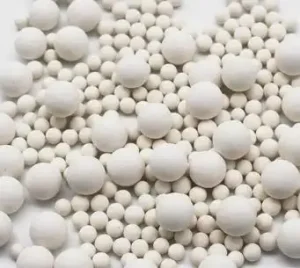
99% high alumina ceramic ball high temperature resistant packing ball reaction tower support material industrial ceramic ball packing
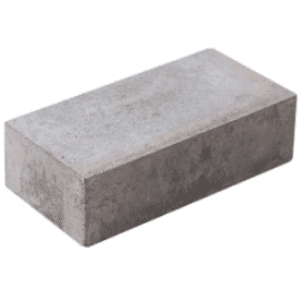
Silicon Nitride Bonded Silicon Carbide Si3N4-SiC Ceramic Product Silicon Nitride Brick Crucible Plate

Multifunctional high-quality high-precision ceramic cutting blades