Professional and high-quality metal alloys, ceramic products and concrete additives | RBOSCHCO

Advanced Ceramics and Special Materials

Silicon Nitride Bonded Silicon Carbide Si3N4-SiC Ceramic Product Silicon Nitride Brick Crucible Plate

Silicon Carbide Crucibles for Battery Anode Material Use for High Temperature Use and Alkali Resistant
Pressureless Sintered Silicon Carbide Ceramic PSC Ceramic SiC Industry Ceramic

Recrystallized Silicon Carbide RSiC Ceramic Product
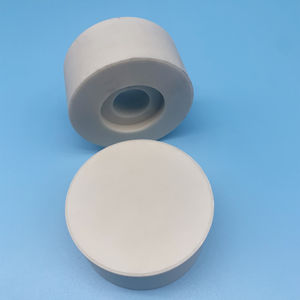
Customized high-quality, high-quality multi-type heating elements
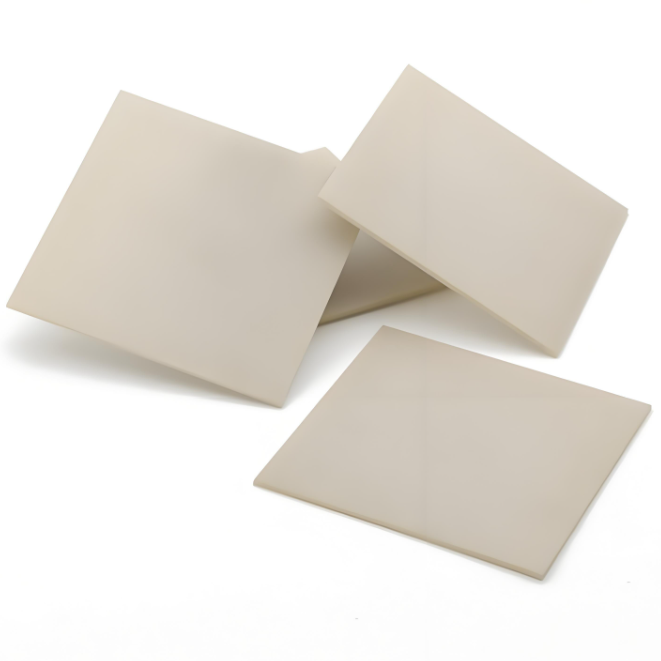
Long-term stability, durability, high quality and processing of glass and ceramics

Customized industrialized high quality metallized ceramic insulators
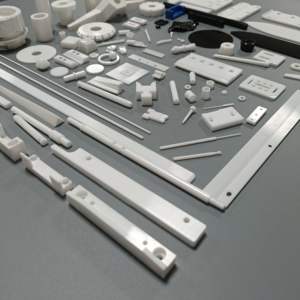
Real-time monitoring of high sensitivity oxygen sensor heating element

New high quality adjustable temperature soldering iron heater

High thermal conductivity customizable for direct bonding to copper substrates
High quality, high thermal conductivity and high temperature resistant direct copper plated substrate

Durable and efficient customizable ceramic resistor cores
Overview of Advanced Ceramics and Special Materials
Advanced Ceramics and Special Materials are high-performance, non-metallic inorganic materials engineered for extreme operational demands. Moving beyond traditional clay-based ceramics, this category encompasses a diverse portfolio—including oxide, nitride, and carbide-based compositions—tailored for superior thermal management, exceptional wear resistance, and reliable performance in corrosive or high-stress environments where metals and polymers fail.
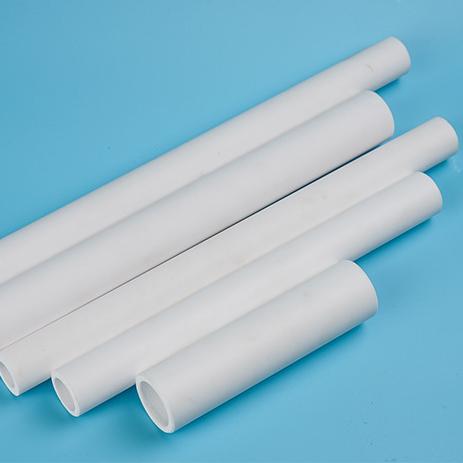
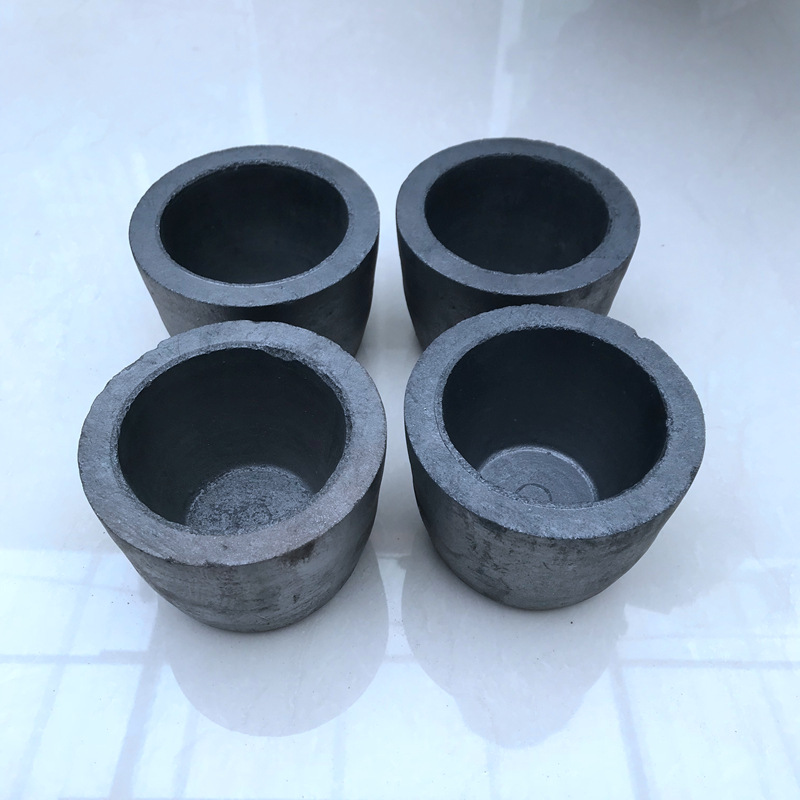
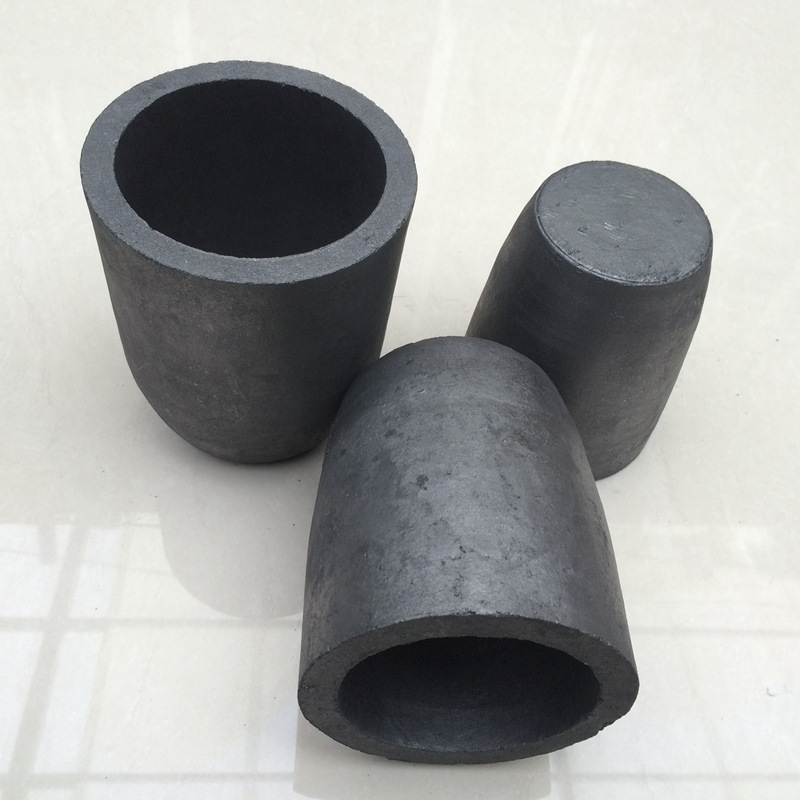
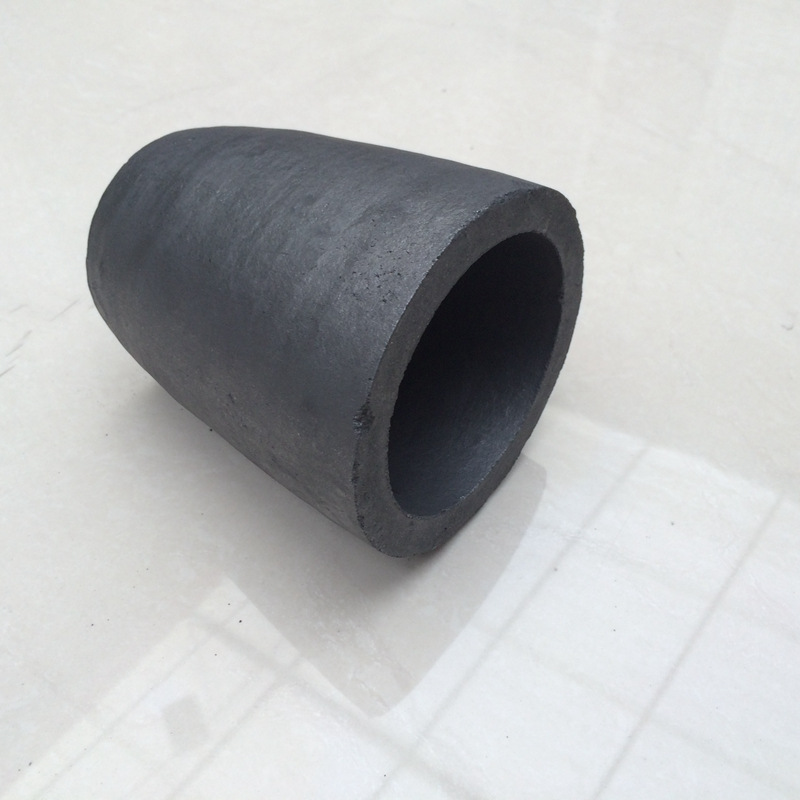


Features of Advanced Ceramics and Special Materials
- Extreme Hardness & Wear Resistance: Significantly outperform tool steels and carbides, providing unmatched longevity in abrasive and erosive applications.
- High-Temperature Prowess: Maintain mechanical strength and dimensional stability at temperatures from 1,000°C to over 1,700°C, with minimal thermal creep.
- Tailored Electrical Properties: From superior insulators to specialized semiconductors, offering solutions for a vast range of electrical and electronic applications.
- Outstanding Chemical Inertness: Resistant to degradation from acids, alkalis, and molten metals, ensuring reliability in harsh chemical processes.
- Lightweight & Stiff: High specific strength (strength-to-weight ratio) makes them ideal for demanding aerospace and automotive applications.
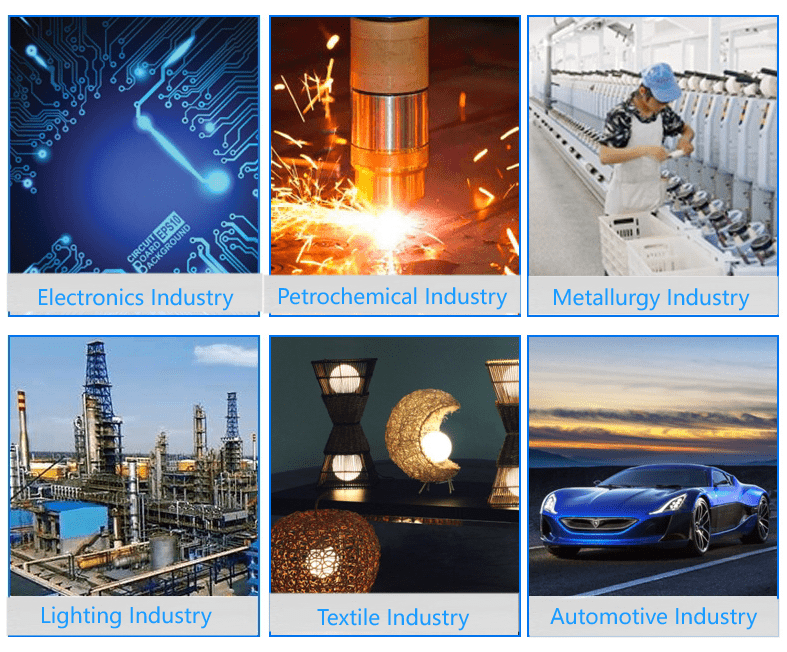
Applications of Advanced Ceramics and Special Materials
- Semiconductor & Electronics: Wafer handling arms, electrostatic chucks, ceramic substrates, and insulators for chip manufacturing.
- Aerospace & Defense: Radomes, turbine engine components, thermal protection systems, and advanced armor solutions.
- Industrial & Automotive: High-performance seals, bearings, cutting tools, and wear liners for pumps and machinery.
- Energy & Environment: Components for fuel cells, solar thermal receivers, nuclear reactors, and catalyst supports.
- Medical Technology: Biocompatible implants (hips, dental), surgical tools, and components for diagnostic equipment.
Specification Table of Advanced Ceramics and Special Materials
| Material Family | Key Compositions | Flexural Strength (MPa) | Max. Use Temp. (°C, Air) | Key Characteristics |
|---|---|---|---|---|
| Alumina (Al₂O₃) | 96% - 99.8% Al₂O₃ | 300 - 550 | 1,500 - 1,700 | Excellent wear resistance, high hardness, cost-effective |
| Zirconia (ZrO₂) | Y-TZP, Mg-PSZ | 800 - 1,400 | 800 - 1,100 | Highest toughness, wear resistance, good insulation |
| Silicon Nitride (Si₃N₄) | Reaction-Bonded, Sintered | 600 - 1,000 | 1,200 - 1,400 | Exceptional thermal shock resistance, high strength, low density |
| Aluminum Nitride (AlN) | >99% AlN | 300 - 400 | 1,200 - 1,400 | Very high thermal conductivity, electrical insulator |
| Boron Nitride (BN) | Hot-Pressed BN | 60 - 100 | 900 - 3,000* | Easily machinable, thermal shock resistant, non-wetting |
| Silicon Carbide (SiC) | Sintered, Reaction-Bonded | 400 - 800 | 1,500 - 1,650 | Extreme hardness, high thermal conductivity, chemical inertness |
Company Profile
Rboschco is a trusted global chemical material supplier & manufacturer with over 12-year-experience in providing super high-quality chemicals and nanomaterials, including boride powder, nitride powder, graphite powder, sulfide powder, 3D printing powder, etc.
The company has a professional technical department and Quality Supervision Department, a well-equipped laboratory, and equipped with advanced testing equipment and after-sales customer service center.
If you are looking for high-quality Advanced Ceramics and Special Materials, please feel free to contact us or click on the needed products to send an inquiry.
Payment Term
L/C, T/T, Western Union, Paypal, Credit Card etc.
Shipment Term
By sea, by air, by express, as customers request.
5 FAQs of Advanced Ceramics and Special Materials
1. How do I choose the right advanced ceramic for my application?
Selection depends on the primary requirement: temperature (Alumina, SiC), toughness (Zirconia), thermal shock (Si₃N₄, BN), or thermal conductivity (AlN, SiC). Our engineers can guide you.
2. Can these materials be machined into complex shapes?
Yes. We use a combination of near-net-shape forming and advanced, precision diamond grinding to achieve complex geometries and tight tolerances. Boron Nitride is uniquely machinable with standard tools.
3. What are the main limitations of advanced ceramics?
The primary limitations are brittleness (low fracture toughness compared to metals) and higher cost for complex shapes. These are mitigated through robust design and leveraging their superior lifetime.
4. Are advanced ceramics electrically conductive?
Most are excellent electrical insulators. However, specific materials like Silicon Carbide can be formulated as semiconductors, and some Zirconia compositions can be made into ionic conductors.
5. How does the cost compare to traditional metals?
While the initial unit cost is often higher, the Total Cost of Ownership (TCO) is frequently lower due to vastly extended service life, reduced downtime, and improved process efficiency.
Tags: Advanced Ceramics and Special Materials, Advanced Ceramics, Special Materials