Professional and high-quality metal alloys, ceramic products and concrete additives | RBOSCHCO



PRODUCT PARAMETERS
Description
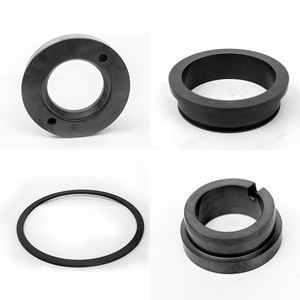
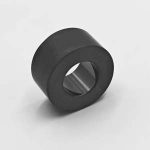
Overview of Silicon Carbide Mechanically Sintered Seal Ring
Silicon Carbide Mechanically Sintered Seal Ring is a high-performance sealing element. It is made of silicon carbide powder through the sintering process, and has the advantages of high hardness, good abrasion resistance, high temperature resistance and strong corrosion resistance. Silicon Carbide Mechanical Sintered Seal Ring has a compact structure and can maintain good sealing performance under high speed, high pressure and other severe working conditions. It is widely used in pumps, compressors, and other equipment in the petroleum, chemical industry, machinery, and other fields, which can effectively prevent the leakage of the medium and improve the reliability and stability of the operation of the equipment.
Features of Silicon Carbide Mechanically Sintered Seal Ring
Silicon Carbide Mechanically Sintered Seal Ring has the following significant features:
High hardness and wear resistance: Silicon carbide itself is extremely hard, second only to diamond. The sintered seal ring has excellent abrasion resistance and can withstand high-speed friction and particle scouring, which significantly extends the service life of the seal ring and reduces the number of repairs and downtimes caused by seal wear.
Good high temperature resistance: Silicon carbide mechanical sintered sealing ring has a high melting point and thermal stability, can maintain structural stability and reliable performance in high temperature environments, can withstand high temperatures of hundreds of degrees, suitable for a variety of high temperature conditions of the equipment, such as high temperature furnaces, heat exchangers and so on.
Excellent corrosion resistance: Silicon carbide mechanical sintered sealing ring has good corrosion resistance to most acids, alkalis, salts and other chemical media, is not easy to be eroded by corrosive media, to ensure that in harsh chemical environments can still maintain good sealing performance, is widely used in chemical industry, electroplating and other corrosive industries.
High thermal conductivity: Silicon carbide mechanical sintered sealing ring has good thermal conductivity, which can quickly dissipate the heat generated by friction, avoiding high sealing surface temperature due to heat accumulation, thus ensuring the stable performance of the sealing ring, and reducing the sealing failure caused by thermal deformation.
Low coefficient of friction: Silicon Carbide mechanical sintered sealing rings have a low coefficient of friction, which reduces the energy consumption of the equipment during operation, and at the same time reduces the abrasion of the sealing surfaces, thus improving the reliability and efficiency of the seals.
Specifications Table of Silicon Carbide Mechanically Sintered Seal Ring
| Property | Typical Value | Unit |
| Material | Sintered silicon carbide (SSiC), reaction – bonded silicon carbide (RBSiC) | – |
| Density | 3.0 – 3.21 | g/cm³ |
| Hardness | Mohs hardness 9.5, Vickers hardness 2500 – 3500 | kg/mm² |
| Thermal Conductivity | 120 – 270 | W/m·K |
| Coefficient of Thermal Expansion | 4.0 – 4.5×10⁻⁶ (20 – 1000℃) | /℃ |
| Operating Temperature | Up to 1600 | ℃ |
| Bending Strength | 300 – 700 | MPa |
| Tensile Strength | 300 – 600 | MPa |
| Chemical Resistance | Excellent resistance to most acids, bases, and salts | – |
| Electrical Resistivity | >10¹² | Ω·cm |
| Thermal Shock Resistance | Able to withstand rapid temperature changes up to 1000℃ | – |
| Porosity | Very low, typically less than 1% | % |
| Crystal Structure | α – SiC (hexagonal), β – SiC (cubic) | – |
| Impurity Content | Depends on application; high – purity grades available | – |
| Dimensional Tolerance | ±0.05 mm or tighter, depending on precision requirements | mm |
| Color | Typically black or dark gray | – |
| Shape | Circular, can be customized according to requirements | – |
| Surface Finish | Rough, polished, or other treatments available | – |
Applications of Silicon Carbide Mechanically Sintered Seal Ring
Petrochemical field: The medium in this field is corrosive, flammable, and explosive. Silicon carbide mechanical sintered sealing ring corrosion resistance, and at the same time can withstand high temperatures and high pressures, to ensure that in the process of petroleum refining, chemical raw materials production, pumps, reactors and other equipment sealing safety, to prevent the leakage of media caused by safety accidents and environmental pollution.
Power industry: In the boiler feed pumps, circulating water pumps of thermal power generation, and hydraulic turbines of hydroelectric power generation, the silicon carbide mechanical sintered sealing ring plays an important role. It can adapt to high-speed rotation and high-pressure difference working conditions, has good wear resistance and sealing, can ensure the long-term stable operation of the equipment, reduce the downtime maintenance caused by sealing problems, and improve the efficiency of power generation.
Mechanical manufacturing field: in various machine tools, compressors, and other equipment, silicon carbide mechanical sintered sealing rings can effectively seal lubricating oil, hydraulic oil and other media. Its low coefficient of friction can reduce energy consumption, and high hardness and wear resistance can be adapted to frequent starting and stopping, as well as different workloads, to extend the overall service life of the equipment.
Aerospace field: In key components such as aviation engines, SIC mechanical sintered sealing rings can maintain good sealing performance under extreme conditions such as high temperature, high speed and high pressure.
Company Profile
RBOSCHCO is a trusted global chemical material supplier & manufacturer with over 12 years of experience in providing super high-quality chemicals and Nanomaterials. The company exports to many countries, such as the USA, Canada, Europe, UAE, South Africa, Tanzania, Kenya, Egypt, Nigeria, Cameroon, Uganda, Turkey, Mexico, Azerbaijan, Belgium, Cyprus, Czech Republic, Brazil, Chile, Argentina, Dubai, Japan, Korea, Vietnam, Thailand, Malaysia, Indonesia, Australia, Germany, France, Italy, Portugal etc. As a leading nanotechnology development manufacturer, RBOSCHCO dominates the market. Our professional work team provides perfect solutions to help improve the efficiency of various industries, create value, and easily cope with various challenges. If you are interested, please send an email to sales1@rboschco.com
Payment Term
T/T, Western Union, Paypal, Credit Card etc.
Shipment Term
By air, by sea, by express, as customers request.

5 FAQs of Silicon Carbide Mechanically Sintered Seal Ring
Q1: What is the difference between pressureless sintering and reaction sintering of silicon carbide?
Pressureless sintering: high purity (≥99%), high density (3.1g/cm³), excellent corrosion resistance, suitable for strong acids, alkalis, and high purity media (e.g., semiconductor etching equipment). Reaction sintering: Containing free silicon, lower cost, but weaker corrosion resistance, suitable for medium corrosive environments (such as ordinary chemical pumps).
Q2: How to customize the silicon carbide sealing ring?
We can customize the size (e.g., diameter over 500mm), shape (e.g., shaped ring), and add graphite particles (to enhance self-lubrication) according to the requirements of working conditions. For example, unpressurized sintered silicon carbide with graphite can be used in dry friction or hard-hard pairing scenarios.
Q3: What are the advantages of silicon carbide over other materials (e.g., ceramics, tungsten carbide)?
Ceramics: low hardness (HRA85-90), brittle, Silicon Carbide has twice the flexural strength (300-400 MPa). Tungsten carbide: high density (15-16g/cm³), poor thermal conductivity, silicon carbide light weight (3.1g/cm³) and thermal conductivity is 3 times higher, more suitable for high-speed rotating equipment.
Q4:What do I need to pay attention to when installing silicon carbide sealing ring?
Avoid over-tightening: Install the ring according to the manufacturer’s recommended torque (e.g., M10 bolt torque ≤15N・m) to prevent ring rupture. Prevent lateral load: Ensure the deviation of perpendicularity between the shaft and sealing ring is <0.05mm to avoid sealing surface bias abrasion. Temperature control: Reserve expansion gap (e.g., 0.04mm/m for every 100℃ expansion) for high temperature working conditions.
Q5:How to maintain the silicon carbide sealing ring?
Regular cleaning: Use neutral cleaner (e.g., distilled water) and a soft cloth to wipe, avoiding acidic or alkaline solvents. Check wear: Measure the thickness of the sealing surface with a micrometer; wear > 0.1mm needs to be replaced. Lubrication management: choose a high-temperature resistant lubricant (such as silicone oil), and avoid dry friction.
REQUEST A QUOTE
RELATED PRODUCTS

Hot sale high temperature resistant high quality silicon carbide refractory plate
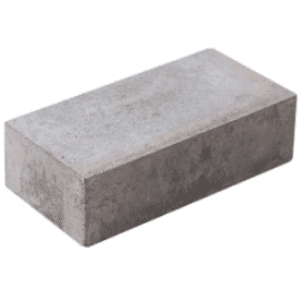
Silicon Nitride Bonded Silicon Carbide Si3N4-SiC Ceramic Product Silicon Nitride Brick Crucible Plate

High quality wear-resistant aluminum oxide components
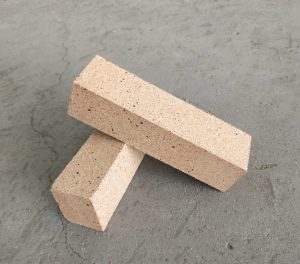
Wear-resistant refractory brick manufacturers custom production boiler high temperature kiln lining masonry clay refractory brick high alumina brick

High quality customizable aluminum nitride isostatic ceramics