Professional and high-quality metal alloys, ceramic products and concrete additives | RBOSCHCO

Cathode Materials

Biphasic layered oxideCathodeMaterialsfor Sodium IonBatteries
O3-type NFMCathodeMaterialsfor Sodium IonBatteriesNaxTMO2
Overview of Battery Cathode Material
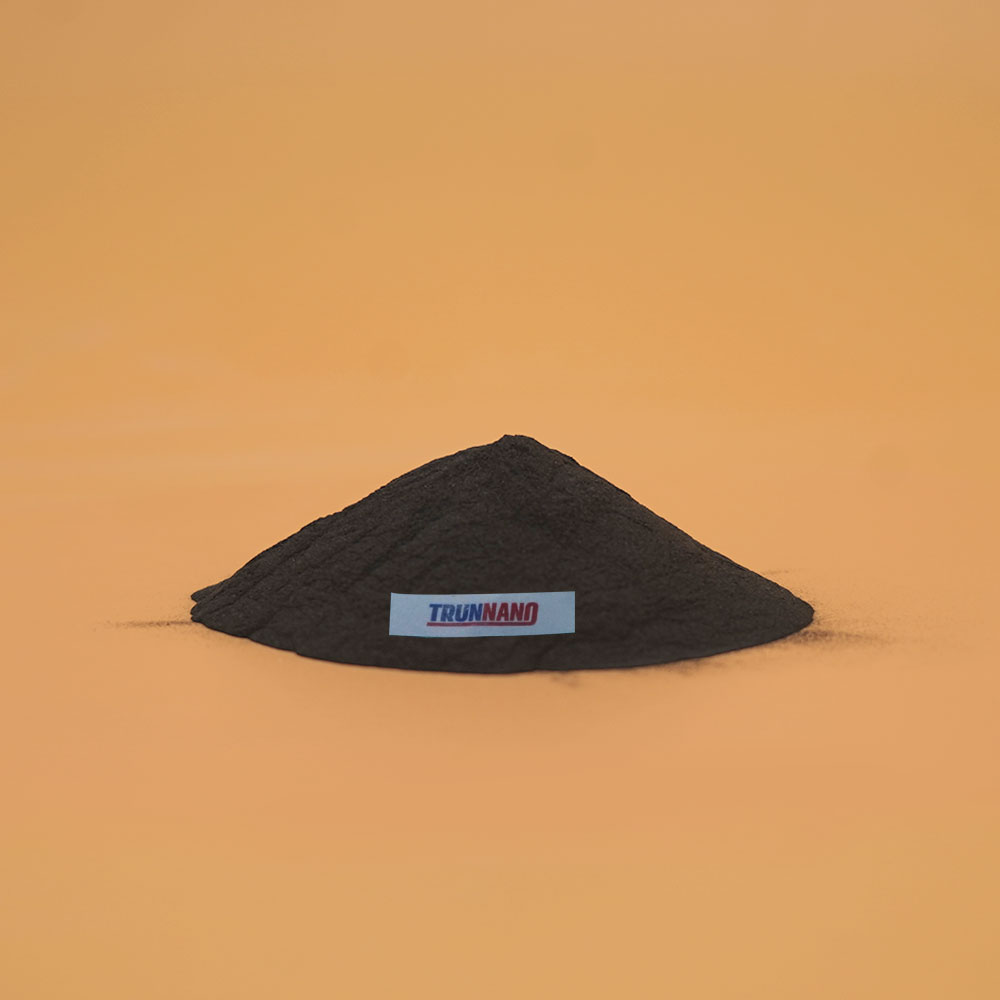
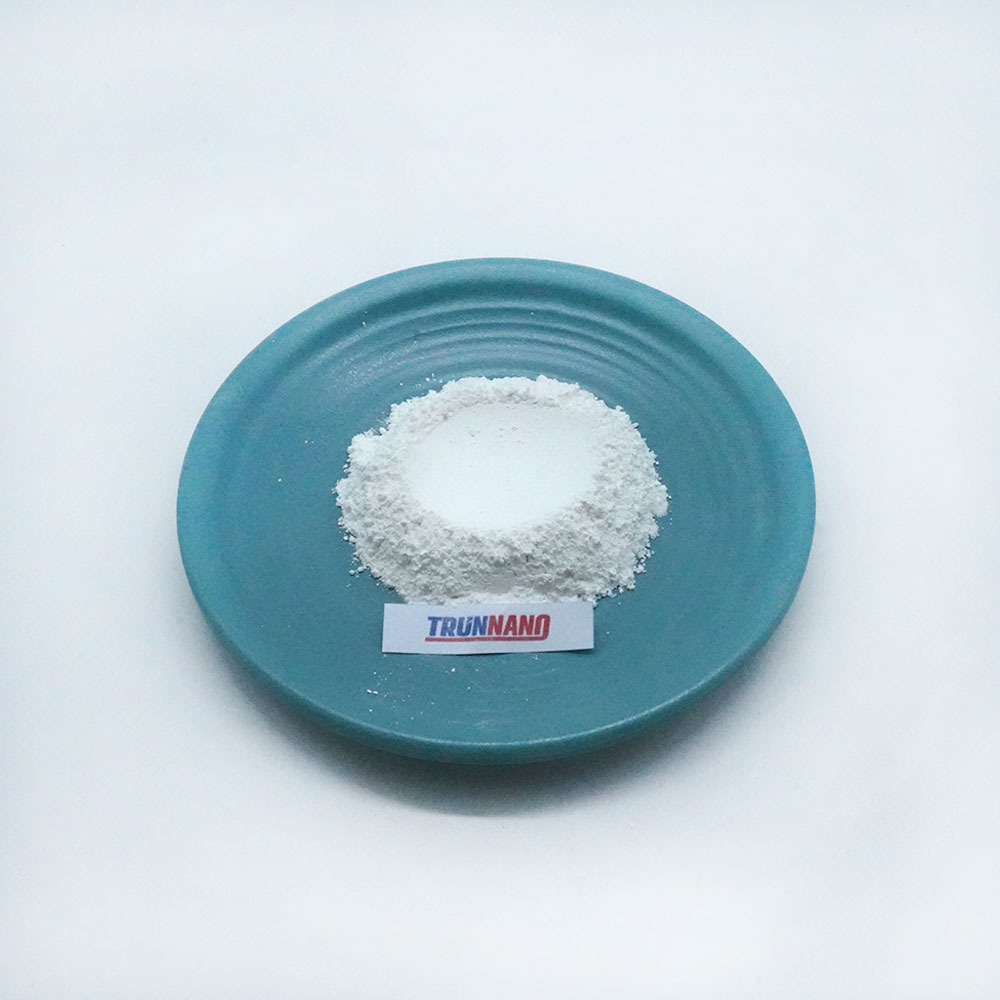
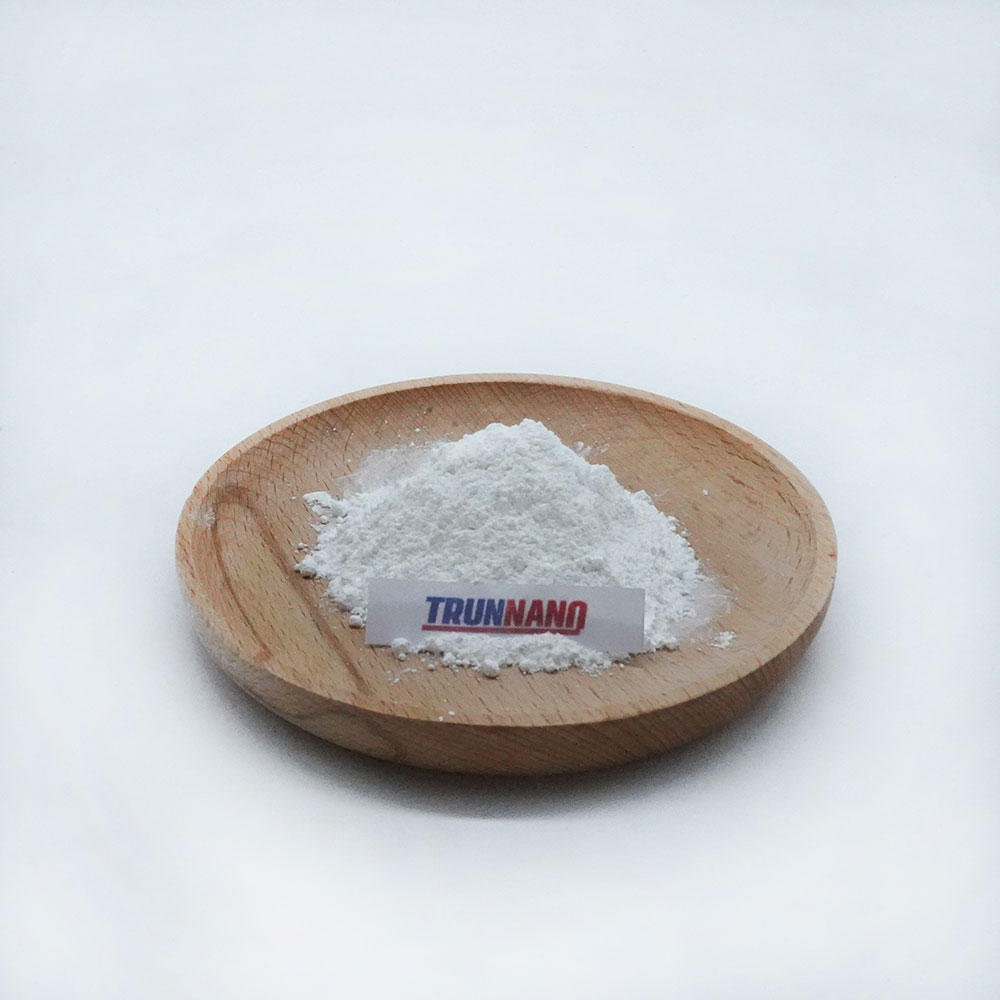
Cathode materials are the pivotal source of lithium ions in a lithium-ion battery, largely determining its voltage, capacity, and overall energy density. As the key component that governs performance and cost, advancements in cathode chemistry are driving the future of energy storage. Our portfolio encompasses a wide range of industry-standard and next-generation materials, including NMC, LFP, LCO, and LMO, tailored to meet the specific demands of diverse applications from consumer electronics to large-scale grid storage.





Features of Battery Cathode Material
- High Energy Density: Maximize runtime and power output with materials designed for high specific capacity and voltage.
- Superior Power Capability: Enable fast-charging and high-drain applications with excellent rate performance.
- Long Cycle Life: Ensure extended battery lifespan with structurally stable materials that minimize capacity fade over hundreds of cycles.
- Enhanced Safety: Benefit from robust thermal and chemical stability for improved battery safety and reliability.
- Customizable Formulations: Access a variety of chemistries (e.g., NMC 811, NMC 532, LFP) optimized for your specific performance and cost requirements.
Applications of Battery Cathode Material
- Electric Vehicles: Providing the long range and high power required for EVs, e-buses, and hybrid vehicles.
- Consumer Electronics: Enabling compact, long-lasting batteries for smartphones, laptops, tablets, and power tools.
- Energy Storage Systems: Supporting renewable integration and grid stabilization in residential, commercial, and utility-scale storage.
- Medical Devices: Powering critical and portable medical equipment where reliability is paramount.
- Aerospace and Drones: Delivering high-performance and lightweight power solutions.
Specifications Table of Battery Cathode Material
| Property | NMC (LiNiMnCoO₂) | LFP (LiFePO₄) | LCO (LiCoO₂) |
|---|---|---|---|
| Typical Voltage | 3.6 - 3.8 V | 3.2 - 3.3 V | 3.7 - 3.9 V |
| Theoretical Capacity | ~280 mAh/g | ~170 mAh/g | ~274 mAh/g |
| Energy Density | High | Moderate | High |
| Power / Rate Capability | Good | Excellent | Good |
| Cycle Life | Good | Excellent | Moderate |
| Safety | Good | Excellent | Moderate |
| Cost | Moderate | Low | High |

Company Profile
Rboschco is a trusted global chemical material supplier & manufacturer with over 12-year-experience in providing super high-quality chemicals and nanomaterials, including boride powder, nitride powder, graphite powder, sulfide powder, 3D printing powder, etc.
The company has a professional technical department and Quality Supervision Department, a well-equipped laboratory, and equipped with advanced testing equipment and after-sales customer service center.
If you are looking for high-quality Battery Cathode Material, please feel free to contact us or click on the needed products to send an inquiry.
Payment Term
L/C, T/T, Western Union, Paypal, Credit Card etc.
Shipment Term
By sea, by air, by express, as customers request.
5 FAQs of Battery Cathode Material
1. What is the most common cathode material?
Lithium Cobalt Oxide is the most common in consumer electronics, but Nickel Manganese Cobalt oxide is now widely used for electric vehicles due to its balanced performance.
2. Why is LFP (Lithium Iron Phosphate) gaining popularity?
LFP is renowned for its exceptional safety, long cycle life, and use of low-cost, abundant iron, making it ideal for EVs and large-scale energy storage where cost and safety are critical.
3. What do the numbers in NMC (e.g., 811, 532) mean?
The numbers represent the ratio of Nickel, Manganese, and Cobalt. For example, NMC 811 is 8 parts Nickel, 1 part Manganese, and 1 part Cobalt. Higher nickel content generally increases energy density but can impact stability.
4. How does the cathode affect battery voltage?
The electrochemical potential of the cathode material sets the positive terminal voltage of the battery. Materials like LCO and NMC provide a higher voltage than LFP.
5. How do I select the right cathode material for my application?
The choice involves balancing energy density, power, lifespan, safety, and cost. For example, choose NMC for high energy density in EVs, LFP for safety and longevity in storage, and LCO for compact consumer devices.
tags: cathodes material, lithium sulfide batteries, anode cathode battery